
Servicios Públicos e Inquilinos en Colombia: Cómo Exigir Garantías y Evitar Deudas según la Ley 820
Muchos arrendadores en Colombia sufren cuando un inquilino deja facturas de agua, luz o gas sin pagar. Te explicamos paso a paso cómo exigir garantías legales según el Artículo 15 de la Ley 820 de 2003 para desvincular tu inmueble de la solidaridad.
IDIOMA DEL ARTÍCULO
Mostrando idioma original
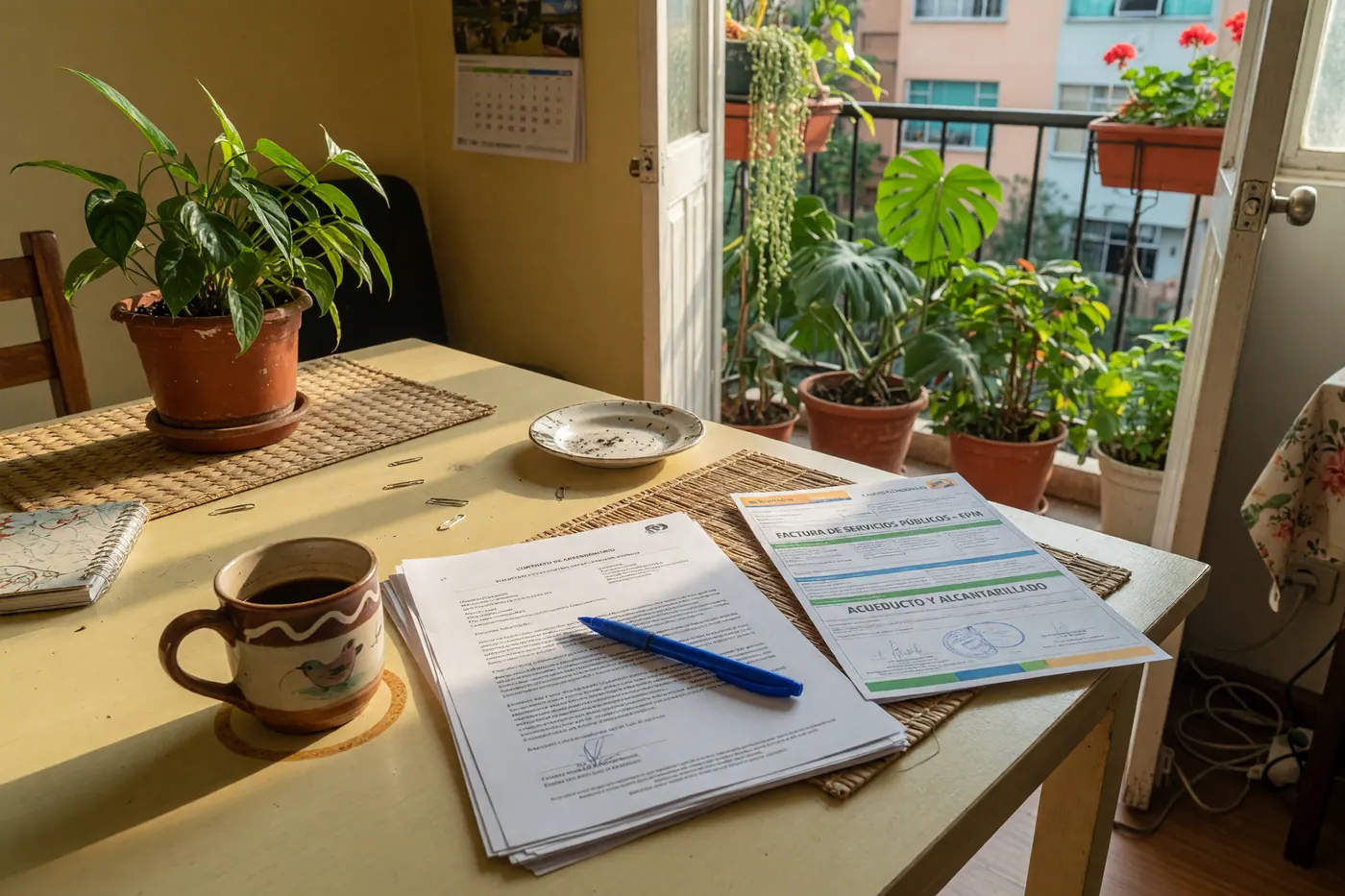
Uno de los mayores temores de cualquier arrendador en Colombia es descubrir, tras la salida de un inquilino, que las facturas de agua, energía o gas llevan meses acumulando mora. En la práctica inmobiliaria, una deuda no saldada de servicios públicos domiciliarios puede convertirse rápidamente en un dolor de cabeza legal y financiero para el dueño de la propiedad. Muchos propietarios descubren demasiado tarde que la empresa prestadora suspende el servicio o impone cobros que afectan la matriz del inmueble.
Afortunadamente, el marco legal colombiano contempla un mecanismo exacto para evitar que las obligaciones del arrendatario recaigan sobre el patrimonio del arrendador. Entender cómo articular la Ley 820 de 2003 con los procedimientos ante las empresas prestadoras es fundamental para blindar tu vivienda o habitación en arriendo. Según los datos del marketplace en Colombia Move (agosto 2026), existen actualmente 119 anuncios activos en la sección de vivienda, donde la claridad sobre las reglas de pago de servicios es una de las mayores garantías para cerrar tratos serios y duraderos.
1. El Riesgo de la Solidaridad en Arriendos: ¿Por Qué la Deuda Afecta al Inmueble?
Para entender la importancia de las garantías, primero hay que comprender la figura jurídica de la responsabilidad solidaria. De acuerdo con el Artículo 130 de la Ley 142 de 1994 (Régimen de Servicios Públicos Domiciliarios), el inmueble y su propietario responden solidariamente junto con el usuario por las facturas no pagadas a la empresa prestadora de servicios públicos (ESP).
Esto significa que, por defecto, la empresa de energía, acueducto o gas tiene la facultad legal de cobrarle la mora directamente al dueño del predio o mantener la suspensión del servicio en la dirección física, independientemente de quién haya consumido el recurso. Si no se adelanta el trámite formal de desvinculación, las facturas impagadas del inquilino terminan ligadas a la matrícula inmobiliaria del inmueble.
Muchos arrendadores asumen erróneamente que la sola presentación del contrato de arriendo firmado al momento de una mora extingue la deuda. Sin embargo, los conceptos de la Superintendencia de Servicios Públicos Domiciliarios (SSPD) son claros: para romper la solidaridad legal, el arrendador debe haber constituido formalmente las garantías previas ante la ESP conforme al Artículo 15 de la Ley 820 de 2003.
2. Depósitos de Arriendo en Colombia: Qué está Prohibido y Qué es Legal
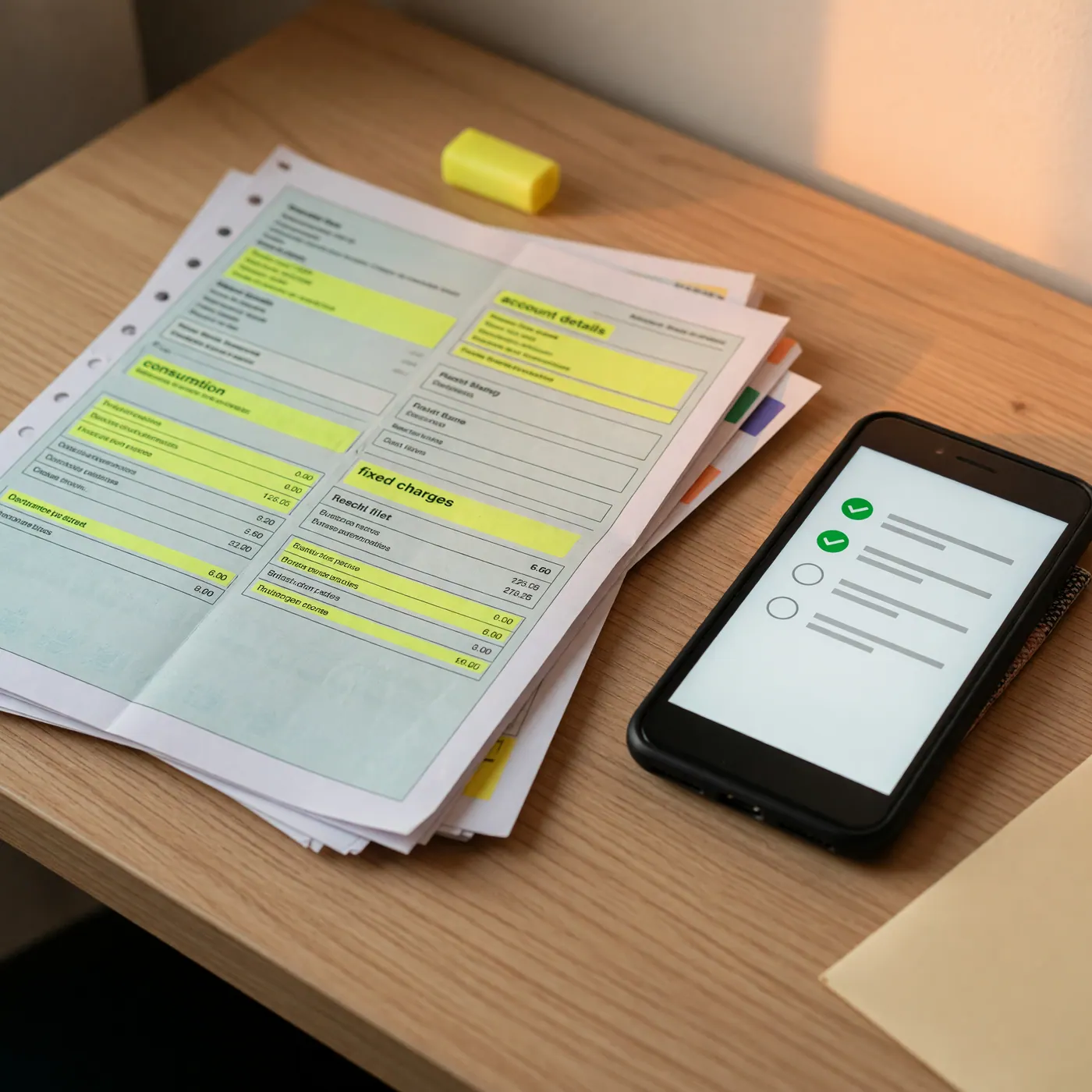
Existe una confusión recurrente entre lo que la ley permite y lo que prohíbe de manera categórica al momento de firmar un contrato de arrendamiento residencial en Colombia:
- Lo que prohíbe la ley (Artículo 16, Ley 820 de 2003): El arrendador tiene estrictamente prohibido exigir depósitos en dinero en efectivo, cauciones reales o letras de cambio firmadas para garantizar el cumplimiento del contrato o posibles daños físicos al inmueble. Incluir esta clase de cláusulas en el contrato las hace nulas de pleno derecho y vulnera las normas sobre cláusulas abusivas en contratos de arrendamiento.
- Lo que autoriza la ley (Artículo 15, Ley 820 de 2003): La norma establece una excepción explícita que faculta al arrendador para exigir garantías o depósitos específicos destinados exclusivamente a respaldar el pago de las facturas de servicios públicos domiciliarios a favor de las empresas prestadoras.
En otras palabras, no puedes pedirle al inquilino tres meses de arriendo en efectivo como "depósito de garantía" guardado en tu cuenta bancaria personal. No obstante, sí puedes exigirle la constitución de una póliza, fianza o depósito a favor de la empresa de servicios públicos para romper la solidaridad legal.
3. Cómo Calcular el Monto Máximo de la Garantía (Fórmula Paso a Paso)
El Artículo 15 de la Ley 820 de 2003 y el Decreto 3130 de 2003 (reglamentado en el Decreto 1077 de 2015) fijan un techo estricto para la garantía de servicios públicos. Un arrendador no puede fijar arbitrariamente la suma que debe respaldar el inquilino.
La fórmula legal para determinar el valor máximo del depósito o póliza se compone de los siguientes elementos:
- Períodos de facturación: La garantía puede cubrir como máximo dos (2) períodos consecutivos de facturación (o cuatro meses si el cobro es bimestral).
- Cálculo del consumo promedio: Se toma el promedio de unidades de consumo (kilovatios, metros cúbicos) registradas en los últimos tres (3) períodos de facturación del inmueble.
- Margen de incremento por sobredemanda: Al promedio de consumo calculado se le adiciona hasta un 50% como margen de protección ante un eventual aumento en el consumo durante la estadía del arrendatario.
- Suma de cargos fijos y aportes de conexión: Al valor resultante del consumo estimado se le suman los cargos fijos mensuales y los costos de conexión aprobados por la entidad reguladora.
Veamos un ejemplo práctico: si el consumo promedio de agua de un inmueble en los últimos tres meses fue de 10 m³, el cálculo permite proyectar un consumo de hasta 15 m³ por período (10 m³ + 50%). La garantía multiplicará ese valor ajustado por dos períodos de facturación, sumando los cargos fijos correspondientes.
4. Paso a Paso para el Denuncio del Contrato ante la Empresa de Servicios Públicos (ESP)
Para romper de manera efectiva la responsabilidad solidaria y lograr que la deuda quede a nombre del inquilino sin comprometer el inmueble, debes cumplir rigurosamente el procedimiento de denuncio del contrato. El proceso consta de cuatro etapas esenciales:
- Etapa 1: Definición de la garantía en el contrato. Estipula claramente en el documento de arriendo que el arrendatario debe constituir una garantía a favor de cada empresa de servicios públicos (EPM, Enel, Vanti, Air-e, Afinia, etc.) según las modalidades del Decreto 3130 de 2003 (póliza de servicios públicos, garantía bancaria o fianza). Puedes apoyarte en un estudio de arrendamiento de inquilinos para validar el perfil del ocupante antes del trámite.
- Etapa 2: Solicitud de certificación de consumos. Solicita a la ESP el formato oficial de reporte de facturación y la certificación de los tres últimos períodos de consumo del inmueble.
- Etapa 3: Radicación formal (Denuncio). Una vez firmado el contrato y constituida la garantía (o expedida la póliza por la aseguradora), entrega copia del contrato y la garantía original ante las oficinas o canales virtuales de cada empresa prestadora.
- Etapa 4: Exoneración de solidaridad. La exoneración de la responsabilidad solidaria del arrendador y la desvinculación de la propiedad surten efecto legal a partir del vencimiento del período de facturación siguiente a aquel en que se radica el denuncio completo.
5. Derechos del Arrendador ante Incumplimientos
Si el inquilino firma y luego se demora con la póliza o la fianza, puedes abstenerte de entregar las llaves hasta que la garantía esté constituida a favor de cada empresa prestadora. Si pasan 15 días hábiles desde la firma sin esa entrega, puedes dar por terminado el contrato de pleno derecho. Yo no haría la entrega “de buena fe” esperando el papel.
El denuncio no borra deudas viejas: la desvinculación rige a partir del vencimiento del período de facturación siguiente. Cada ESP (EPM, Enel, Vanti, Air-e, Afinia) pide su propio formato. Si arriendas una habitación, deja esas reglas en el anuncio de la sección de vivienda.
Preguntas frecuentes
❓ ¿Es legal pedir un depósito en efectivo al firmar un contrato de arriendo en Colombia?
No. El Artículo 16 de la Ley 820 de 2003 prohíbe depósitos en dinero en efectivo o cauciones reales para garantizar el contrato de vivienda urbana. Esa cláusula queda nula. La excepción vigente (Función Pública, consulta 2026) es la garantía de servicios públicos del Artículo 15, a favor de la empresa prestadora, no un efectivo guardado en tu cuenta.
❓ ¿Cómo funciona la garantía de servicios públicos según el Artículo 15 de la Ley 820?
El Artículo 15 autoriza al arrendador a exigir garantías o depósitos específicos a favor de las empresas de servicios públicos. Sirven para respaldar agua, luz o gas. Con esa garantía y el denuncio del contrato ante cada ESP, puedes romper la solidaridad del inmueble prevista en el Artículo 130 de la Ley 142 de 1994 (fuente consultada en 2026).
❓ ¿Cómo se calcula el valor máximo del depósito o póliza de servicios públicos?
El tope legal cubre cargo fijo, aportes de conexión y unidades de consumo de hasta dos períodos consecutivos. El consumo se toma del promedio de los últimos tres períodos, aumentado en un 50%. Ese monto no se inventa: sale de la facturación real del predio y del Decreto 3130 de 2003 (consulta 2026).
❓ ¿Dónde publico el arriendo con las reglas de servicios y cómo desvinculo el inmueble?
Publícalo en la categoría de habitación o en la sección de vivienda, con canon y reglas de garantía escritas. Para desvincular el predio, radica el denuncio y las garantías ante cada ESP; la exoneración rige desde el período de facturación siguiente (Ley 820, fuente 2026).
❓ ¿Qué pasa si el inquilino no entrega la garantía de servicios públicos en el plazo acordado?
Puedes abstenerte de entregar el inmueble hasta recibir la garantía. Si no la constituye en 15 días hábiles después de firmar, puedes dar por terminado el contrato de pleno derecho. Ese plazo está en el Artículo 15 y el Decreto 3130 de 2003 (consulta Función Pública, 2026); no esperes a que el ocupante ya viva adentro.
❓ ¿Cuánto cuesta publicar una habitación o un arriendo en Colombia Move?
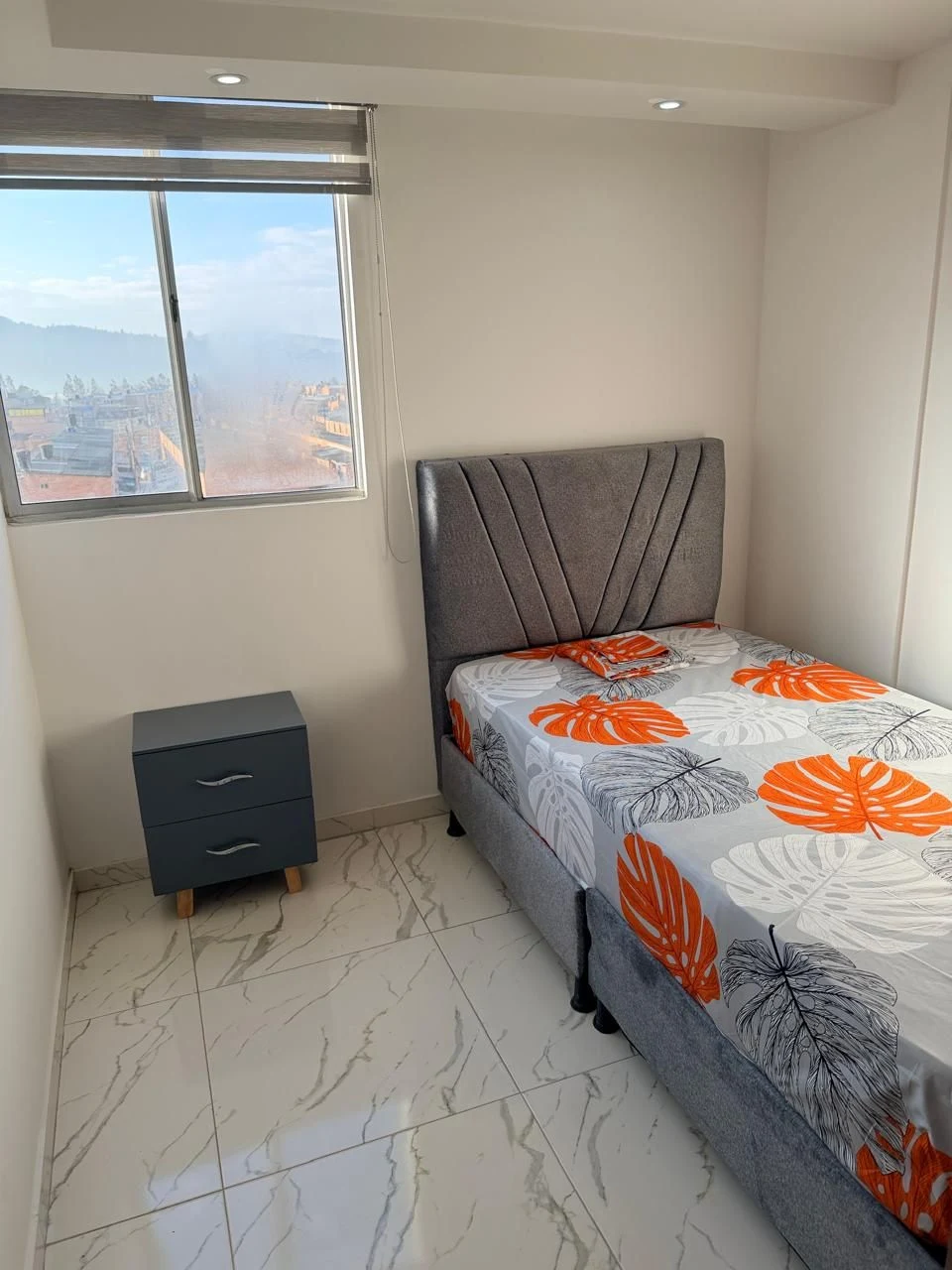
Es gratis: no cobramos comisión por el anuncio. El valor real está en fotos, canon y reglas de servicios escritas, para que el interesado sepa qué póliza o fianza debe constituir antes de pedir llaves.
❓ ¿Depósito en efectivo es estafa?
Pedirlo al inquilino para tu cuenta personal está prohibido por el Artículo 16 de la Ley 820 de 2003. Usa la garantía del Artículo 15 a favor de la ESP y radica el denuncio (fuente consultada en 2026). Sin ese trámite, la solidaridad del predio sigue vigente.



Comments
Loading comments...
Checking sign-in status...