
Guide to Moving to Riohacha, La Guajira
Riohacha offers an affordable coastal lifestyle and a climate moderated by trade winds. Discover the best neighborhoods and the true cost of living.
IDIOMA DEL ARTÍCULO
Showing original language
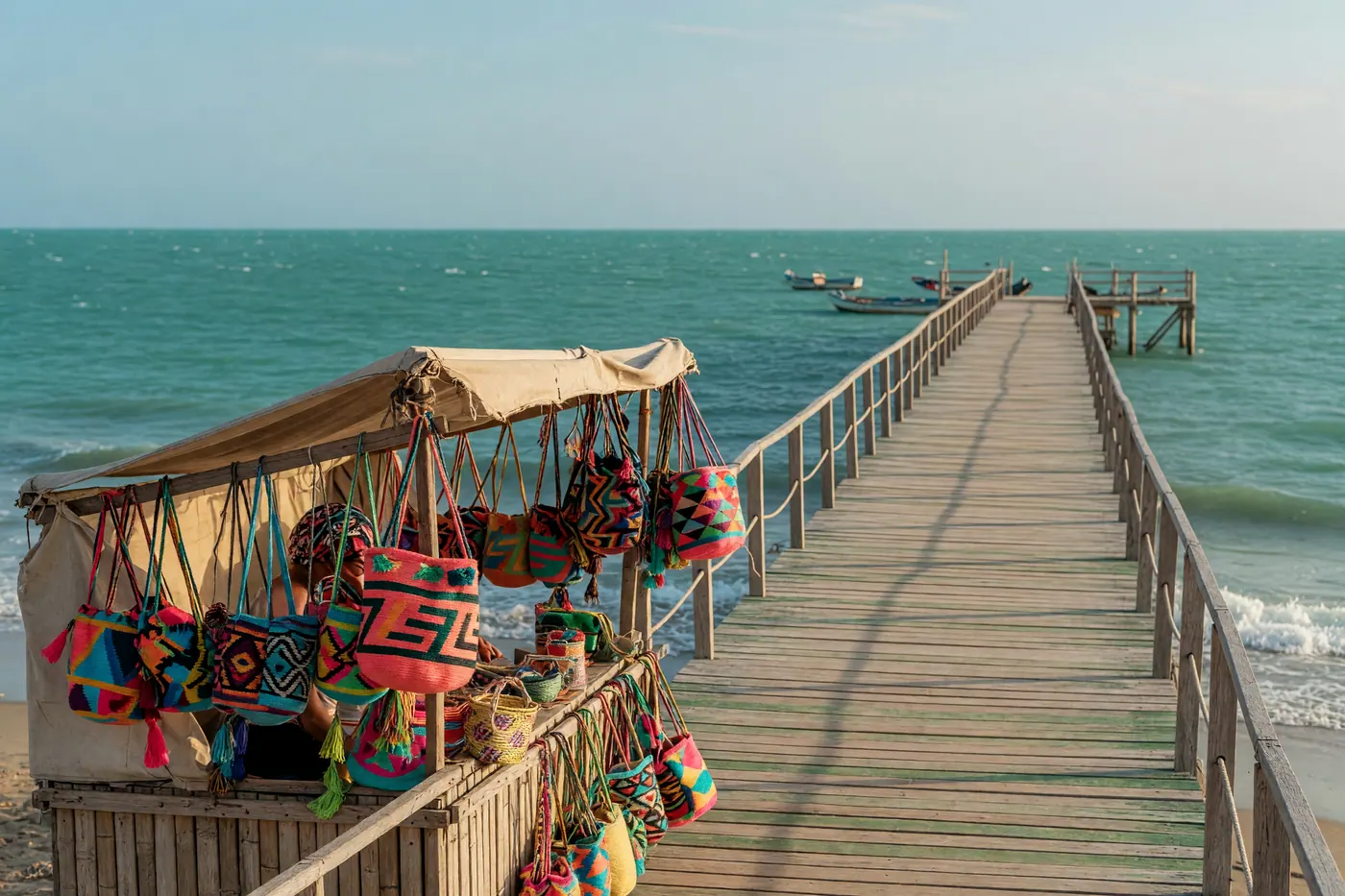
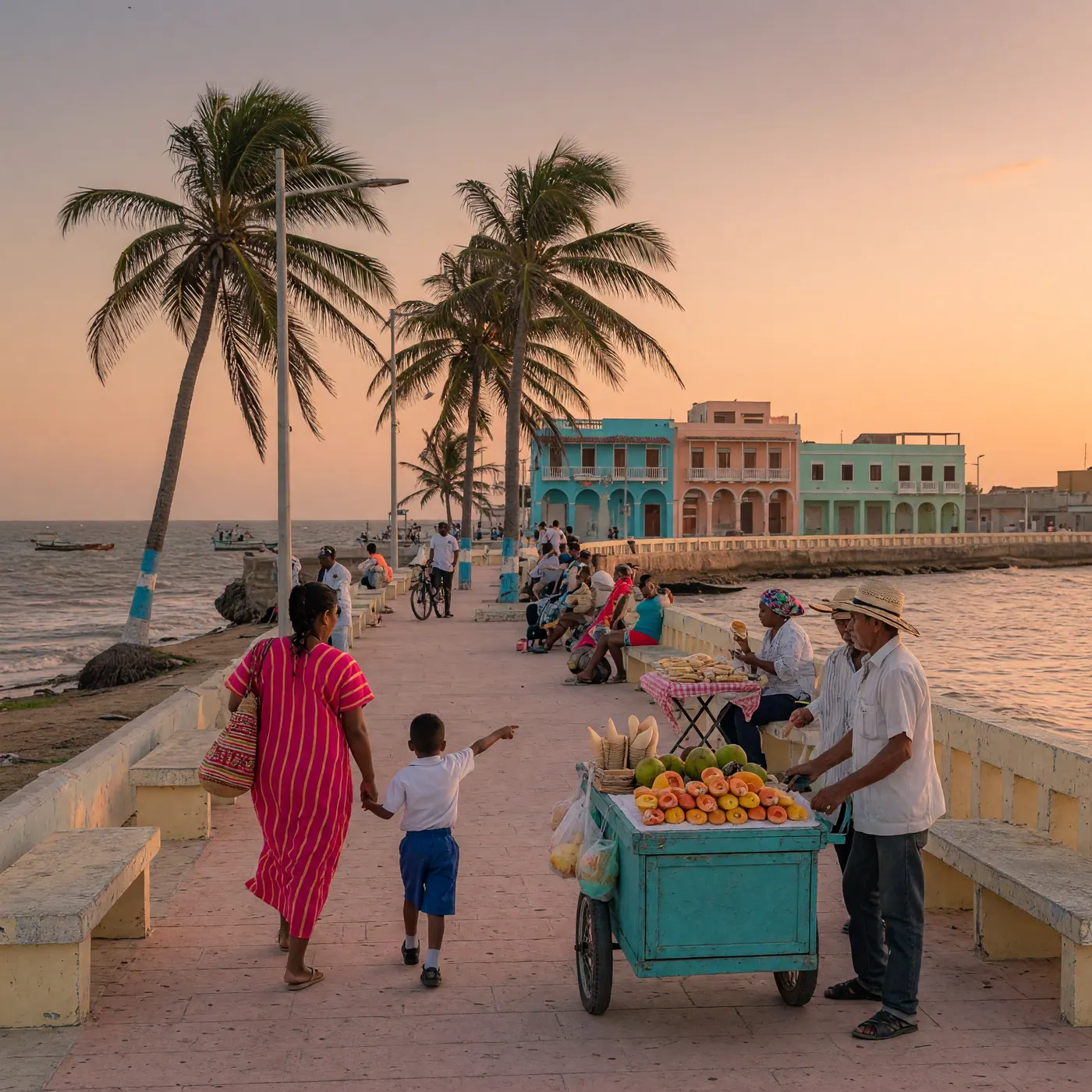
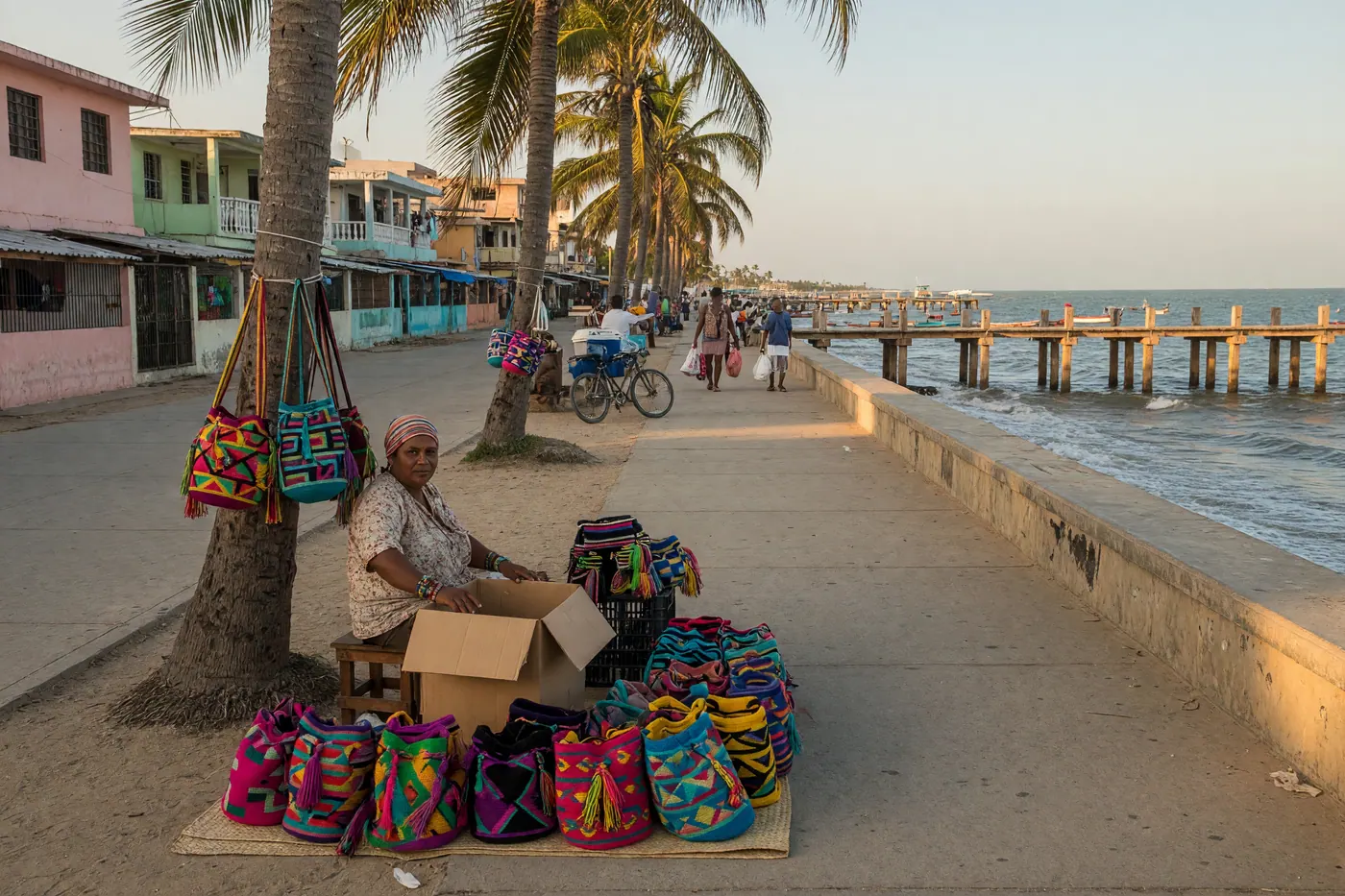
If you've ever walked along the Malecón of Riohacha feeling the Caribbean Sea breeze while observing the vibrant colors of Wayuu backpacks, you know this city has a special magic. But visiting is one thing, and moving is quite another. Riohacha, the capital of the department of La Guajira, is a hidden treasure for those looking to get away from the hustle and bustle of big metropolises without sacrificing coastal life.
In summary: Riohacha is one of the most affordable coastal capitals in Colombia. With a cost of living averaging $815 USD per month, a warm climate mitigated by trade winds, and notably low inflation (3.46% as of April 2026), it's an ideal destination for those seeking a slower pace of life, as long as they are prepared to deal with infrastructure challenges like intermittent drinking water.
The Cost of Living in Riohacha (2026)
Unlike other Colombian Caribbean cities that suffer from inflated prices due to mass tourism, Riohacha remains budget-friendly. According to local reports and DANE data, the city registered an annualized inflation of just 3.46% as of April 2026, a figure well below the national average of 5.68%. This translates into stable rents and affordable food markets.
To put it in perspective, the average monthly cost of living is around $815 USD. Considering that the minimum wage in Colombia for 2026 is $1,750,905 COP (plus transportation allowance if applicable), a couple or a remote professional earning in dollars or with a couple of minimum wages can live here quite comfortably.
| Estimated Monthly Expenses | Average Range (COP) |
|---|---|
| Rent (2-bed apartment in a good neighborhood) | $800,000 - $1,300,000 |
| Utilities (Estrato 3/4) | $250,000 - $400,000 |
| Groceries for two people | $600,000 - $800,000 |
Guajiro Climate and Lifestyle
Forget the cold. The climate here is warm and semi-arid, with average temperatures constantly oscillating between 24°C and 33°C. However, Riohacha's true salvation is its trade winds. This constant breeze makes the heat much more bearable than in other humid areas of the country. If you're interested in understanding how it compares to other regions, you can consult our guide to Colombia's climate regions.
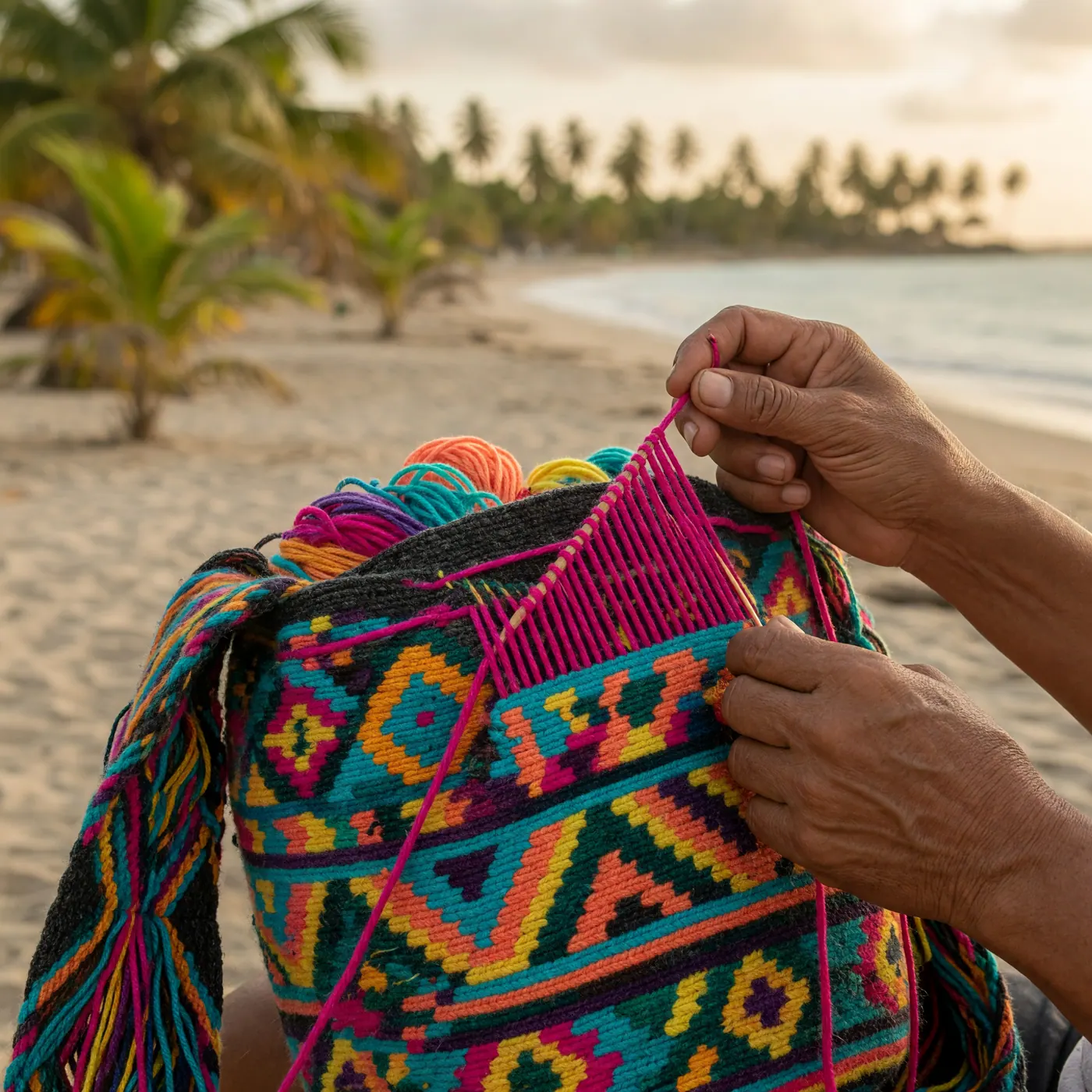
The lifestyle is relaxed. There's no rush here. The influence of the Wayuu culture is present in the gastronomy, crafts, and daily life. It's a city to walk around downtown, sit by the sea at sunset, and enjoy a good friche (a typical goat-based dish).
The Best Neighborhoods to Live in Riohacha
Choosing where to live is key. Although it's a small city, the difference between one neighborhood and another can be significant, especially in terms of access to services.
- Barrio Padilla: It's one of the most traditional and family-friendly areas. It stands out for being very residential, safe, and close to good schools. It's a favorite among many local families.
- Coquivacoa and El Libertador: Established residential neighborhoods that offer excellent value for money and a peaceful atmosphere.
- Historic Center: Ideal if you want to be a stone's throw from the Malecón, the tourist pier, and the commercial area. It's a bit noisier, but the convenience is unbeatable.
An interesting fact: according to active listings on Colombia Move (July 2026), although we have 94 housing options available nationwide, the demand for temporary rentals far exceeds the supply in the market (with a gap score of 107). This means quality housing moves fast; if you find a good rental in Padilla or Coquivacoa, don't think twice and secure it!
City Challenges: Watch Out for Utilities
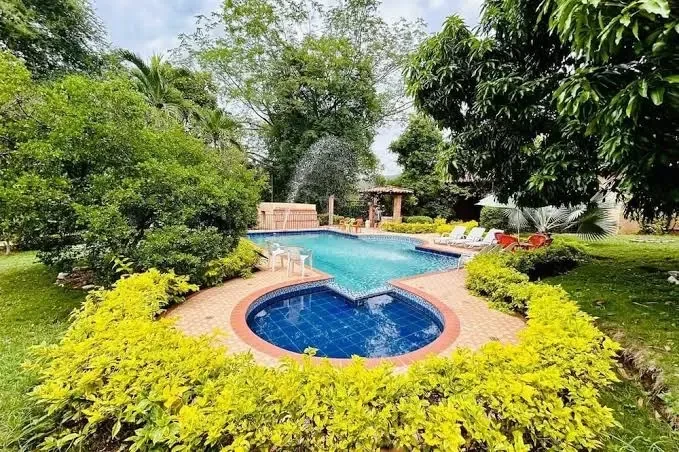
Not everything is rosy, and I prefer to be honest with you. The biggest headache of living in Riohacha is the drinking water service. Historically, the city has faced problems with continuity and quality of supply. It's a golden rule: the house or apartment you rent must have an elevated reserve tank or an underground cistern (ideally both). Without this, you're going to have a bad time.
Furthermore, being a border city, it shares certain economic and cross-border exchange dynamics that can influence local commerce, similar to what happens in other border areas (you can read more about this in our guide to Cúcuta or understand the coastal infrastructure challenges in the guide to San Andrés).
For those looking for housing in Riohacha or any other city in Colombia, Colombia Move has available property listings across the country.
Frequently Asked Questions
❓ Is it expensive to live in Riohacha compared to other Caribbean cities?
Riohacha is one of the most affordable coastal cities in Colombia, with an annualized inflation of only 3.46% as of April 2026. Rents and food are notably cheaper than in Santa Marta or Cartagena, allowing for a comfortable lifestyle on a smaller budget.
❓ What are the most recommended neighborhoods to live in Riohacha?
The most traditional and safe residential areas are Barrio Padilla, Coquivacoa, El Libertador, and the Historic Center. These neighborhoods offer better access to public services and are well-connected to the rest of the city.
❓ What is the climate really like in the city?
The climate is warm and semi-arid, with constant temperatures between 24°C and 33°C, alleviated by strong trade winds for much of the year. Unlike other coastal cities, the humidity is not as suffocating thanks to this constant breeze.
❓ What public utility challenges exist in Riohacha?
The main challenge is the continuity of the drinking water service, which forces many households to have reserve tanks or cisterns. It is essential to verify that the property has a good storage system before finalizing the rental, as recognized by the Municipal Development Plan 2024-2027.
❓ Is it safe to live in Riohacha for newcomers?
Riohacha is a relatively quiet city with a slow pace, although in 2026 standard safety precautions for any Colombian city should be applied. Walking at night in peripheral areas is not recommended; the more traditional neighborhoods are usually more sought after by residents, but it's advisable to check the area and apply standard precautions.

Comments
Loading comments...
Checking sign-in status...