
Selling Used Solar Panels and Batteries for Farms in Colombia: A Technical Guide
A practical and technical guide for farm owners in Colombia who want to sell used solar panels, deep-cycle batteries, and inverters without paying abusive commissions.
IDIOMA DEL ARTÍCULO
Showing original language
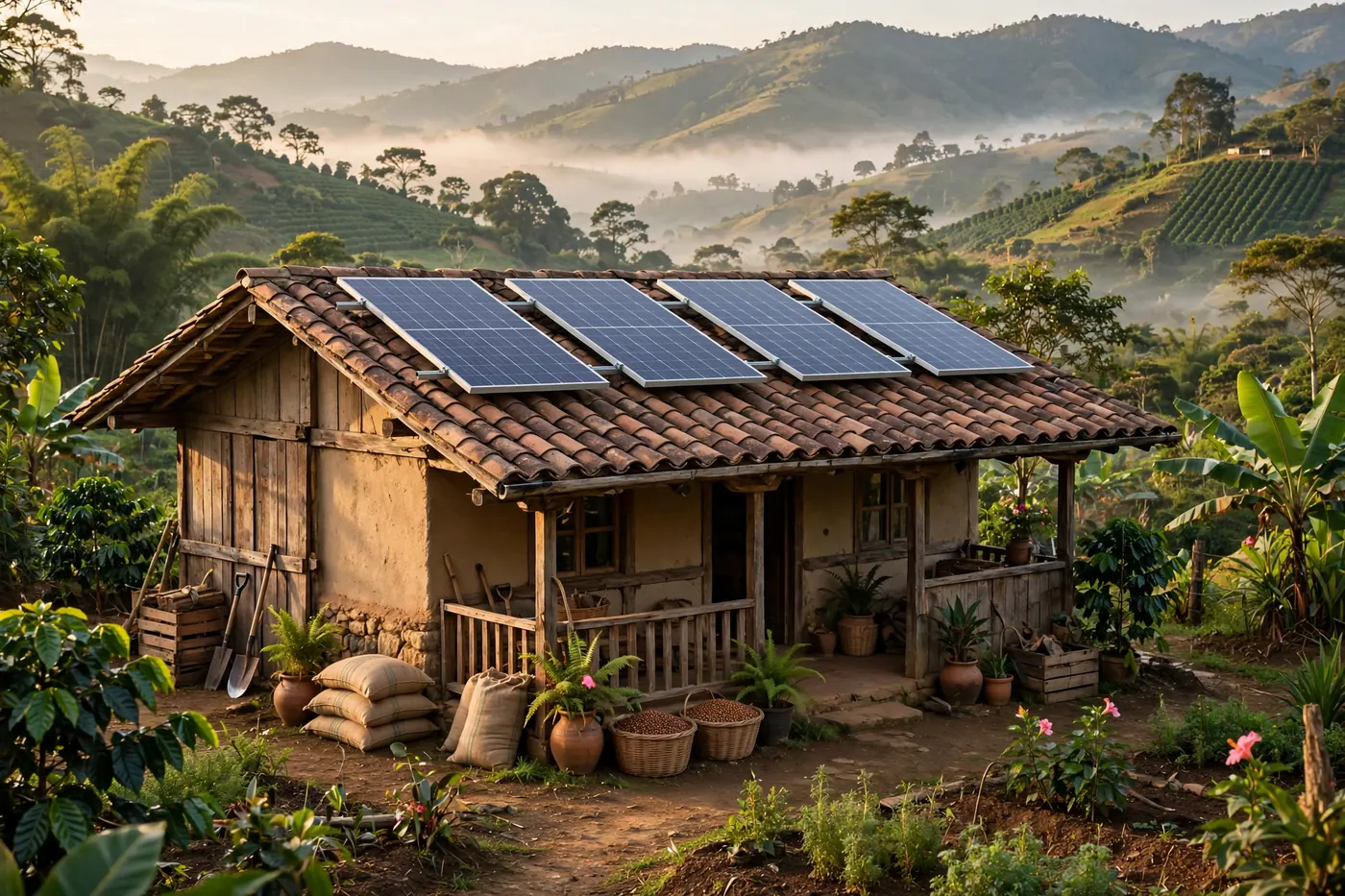
In the Colombian countryside, solar energy is no longer an experiment but has become the lifeblood of thousands of rural properties. Those who manage farms in departments like Antioquia, Cundinamarca, Santander, Valle del Cauca, or the Coffee Region know well what it means to deal with intermittent power outages or properties where the conventional public grid simply does not reach. However, over the years, many owners decide to make a technological leap: they trade their heavy gel batteries for modern LiFePO4 lithium systems, replace low-power panels with modules of over 450W to power larger water pumps, or upgrade old modified sine wave inverters.
When that upgrade arrives, a recurring doubt arises: where to sell the dismantled panels, batteries, and controllers without losing money or giving the equipment away to intermediaries? The secondary market for solar energy for farms has huge demand in Colombia. According to active ads on Colombia Move (September 2026), there are 24 farms for sale, 17 lots, and 15 country houses: there is constant rural movement, but almost no used solar kit appears alongside those properties. Other farmers, land developers, or country house managers are constantly looking for operational components to set up perimeter lighting circuits, electric fences, or emergency backups. The secret lies in knowing how to demonstrate the technical condition of your equipment, set a fair price, and publish them through the right channels.
Prior technical assessment: prove with facts that your equipment works
Selling second-hand electrical equipment online naturally generates mistrust. The best way to dismantle objections and close a quick sale is to present measurable technical evidence from the first contact, avoiding empty promises.
1. Photovoltaic solar panels
Unlike other devices with moving parts, a solar panel does not suffer mechanical wear, but it does suffer degradation due to exposure to the elements and heat. To prove that your modules still deliver reliable energy:
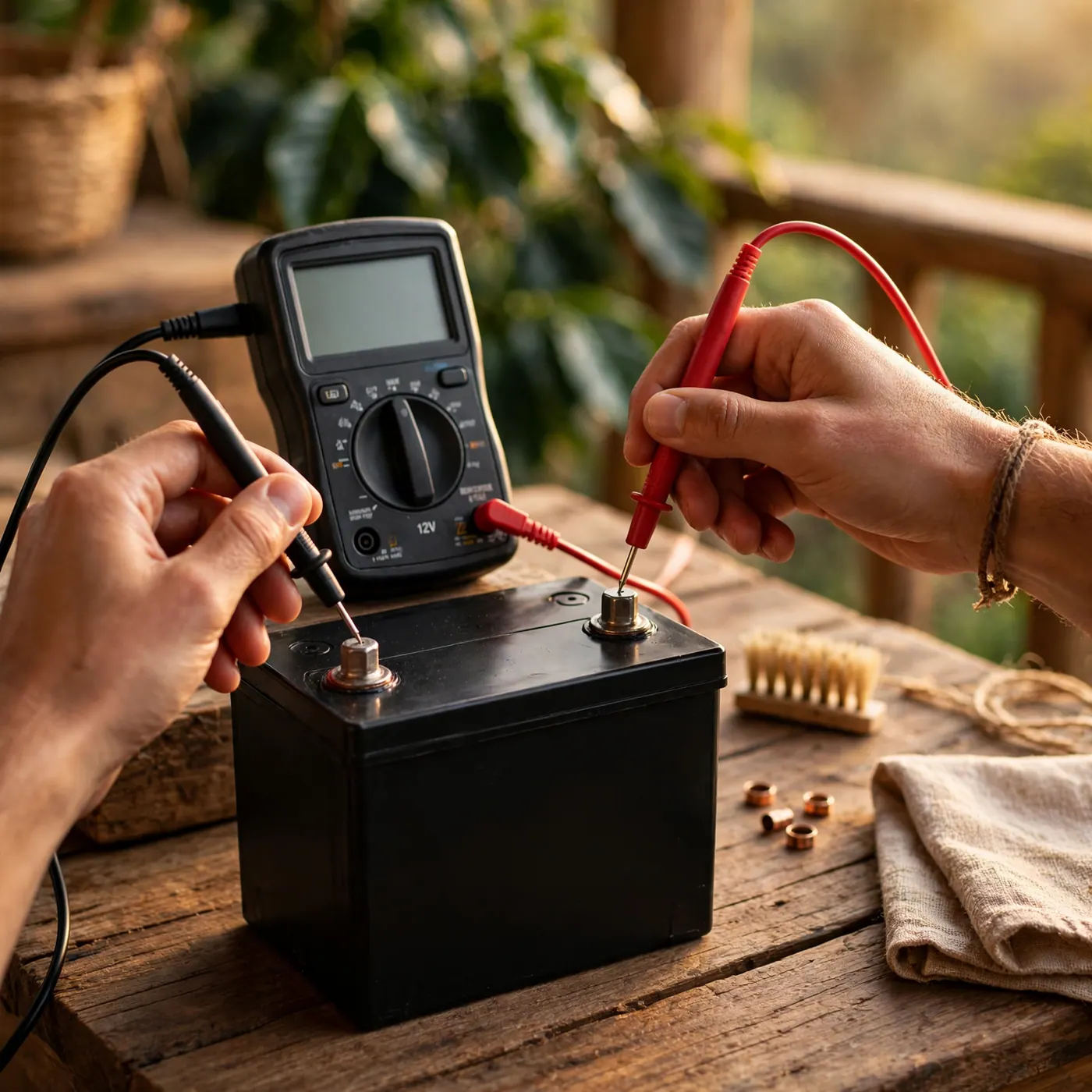
- Measure the Open Circuit Voltage (Voc): Connect a digital multimeter in direct current (DC) to the MC4 terminals of the panel on a sunny day, preferably near noon. Compare the reading with the Voc value printed on the manufacturer's label on the back. In a module in good condition, the reading should not deviate by more than 10% to 15% from the plate value.
- Inspect physical integrity: Check that the tempered glass does not show micro-cracks or a "spiderweb" effect, that the aluminum frame is not twisted by strong winds, and that the cells do not show dark internal burn spots (hotspots).
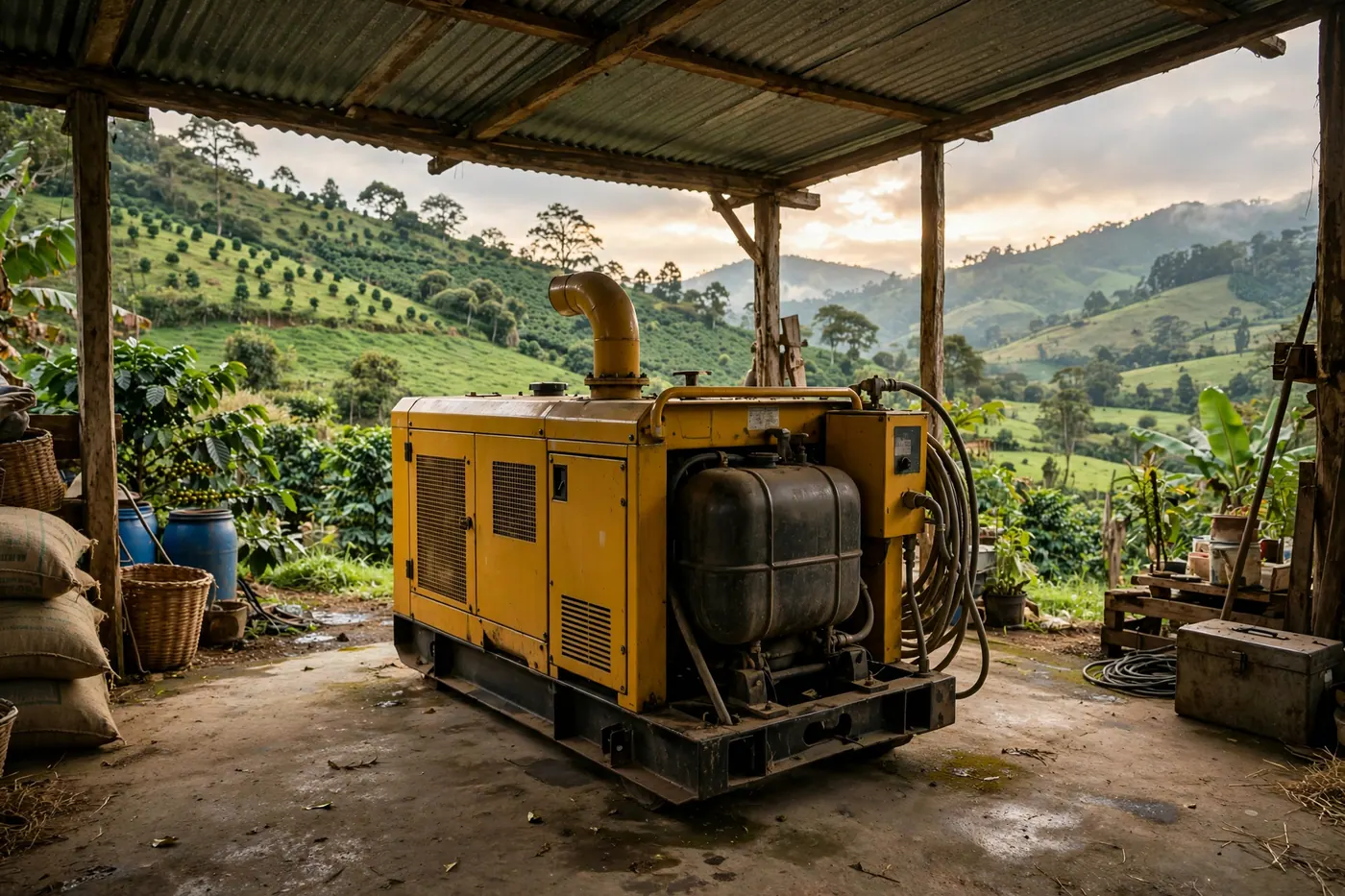
If you are also replacing an auxiliary fuel-powered plant with photovoltaic storage, you might be interested in checking our guide on where to sell used electric generators and power plants in Colombia to liquidate all that infrastructure together.
2. Deep-cycle battery banks (Gel, AGM, and Lithium)
The battery is the most delicate component of any isolated solar system. No experienced buyer will pay you for a battery blindly. Clearly distinguish the technology you are providing:
- Gel or AGM batteries (12V / 24V): Charge the battery completely and let it sit disconnected for 12 hours. Measure the resting voltage with the multimeter: a healthy 12V battery should read between 12.6V and 12.8V. If it drops below 10.5V under minimal load or shows terminals with severe white sulfation and bulging walls, that battery has degraded cells. In that case, it is not suitable for functional resale and should be delivered to official post-consumption and lead recycling programs.
- Lithium Iron Phosphate (LiFePO4) batteries: These are the most highly valued in 2026 due to their extended useful life. In these modules, the key point is the status of the BMS (Battery Management System), the approximate number of cycles completed, and the voltage symmetry between cells.
3. Inverters and charge controllers
Specify the inverter architecture with total honesty. A pure sine wave inverter is capable of running inductive motors for refrigerators, freezers, and water pumps without overheating them, so it retains a higher resale value. Conversely, modified sine wave inverters only work for LED bulbs and simple electronic devices. Regarding the regulator, clarify whether it is PWM (basic) or MPPT (maximum power point tracking) technology, as the latter takes advantage of up to 30% more radiation in areas with variable cloudiness.
Electrical safety and the regulatory framework in Colombia (RETIE and isolated systems)
Marketing renewable energy equipment requires understanding the Colombian regulatory environment to avoid operational or legal imprudence.
In Colombia, the technical requirements for solar systems are backed by the Technical Regulation for Electrical Installations (RETIE), updated via Resolution 40117 of 2024 from the Ministry of Mines and Energy. This standard emphasizes that every photovoltaic installation must have adequate overcurrent protection in direct current (DC), certified disconnect switches, and grounding systems in accordance with the NTC 2050 standard to avoid electrical arcs or fires in the wood or guadua structures typical of the countryside.
For its part, CREG Resolution 174 of 2021 establishes the guidelines for small-scale self-generation (AGPE) connected to the public grid. It is vital to clarify to the buyer that used farm solar kits are usually configured as isolated (off-grid) systems for independent self-consumption. Attempting to inject surpluses into the commercial grid of operators like EPM, Enel, or Celsia with used equipment requires formal legalization by a certified electrical engineer and the AGPE process, something impractical for small country installations.
Comparison of channels: where to sell your solar equipment
The channel you choose to post on determines how much money stays in your pocket and how safe the delivery process is.
| Sales Channel | Commissions and Fees | Security and Filtering | Predominant Audience |
|---|---|---|---|
| Transactional platforms (MercadoLibre) | High commissions (10% to 20% per sale) | Money withholding and complex shipments due to weight | Mass market urban buyers |
| Informal social media groups | 0% commission | High risk of scams with fake receipts and informal haggling | Curious individuals and local resellers |
| Direct specialized marketplaces (Colombia Move) | 0% commission (Free) | Direct WhatsApp contact with property buyers | Rural owners, farmers, and contractors |
As we analyzed in our report on where to sell used things in Colombia without paying a commission, intermediary fees on generic platforms erode the margin of heavy equipment. Shipping a 60-kilo battery bank via traditional courier is expensive and cumbersome. The most convenient approach for both parties is to agree on pickup at the farm itself or at the nearest municipal town center.
Strategy for writing an ad that inspires trust and sells quickly
Buyers of rural solutions are usually practical people. Do not write ambiguous descriptions like "cheap solar combo." Follow this structured format to make your listing stand out:
- Descriptive and direct title: Include brand, type, and capacity. Example: "2 Monocrystalline 330W Solar Panels + 1000W 12V Pure Sine Wave Inverter for Farm".
- Clear and verifiable photographs: Take photos with good natural light of the front and back of the panels, a close-up photo of the manufacturer's technical specifications plate, and a clear capture of the multimeter screen showing the current voltage.
- Reason for sale and service time: Transparent phrases like "removed due to capacity expansion to lithium on the farm" convey peace of mind to interested parties.
- Location and delivery logistics: Clarify which village (vereda), township (corregimiento), or municipality the items are in, and whether you are willing to bring them to the town center or if the buyer must pick them up with their own truck or pickup.
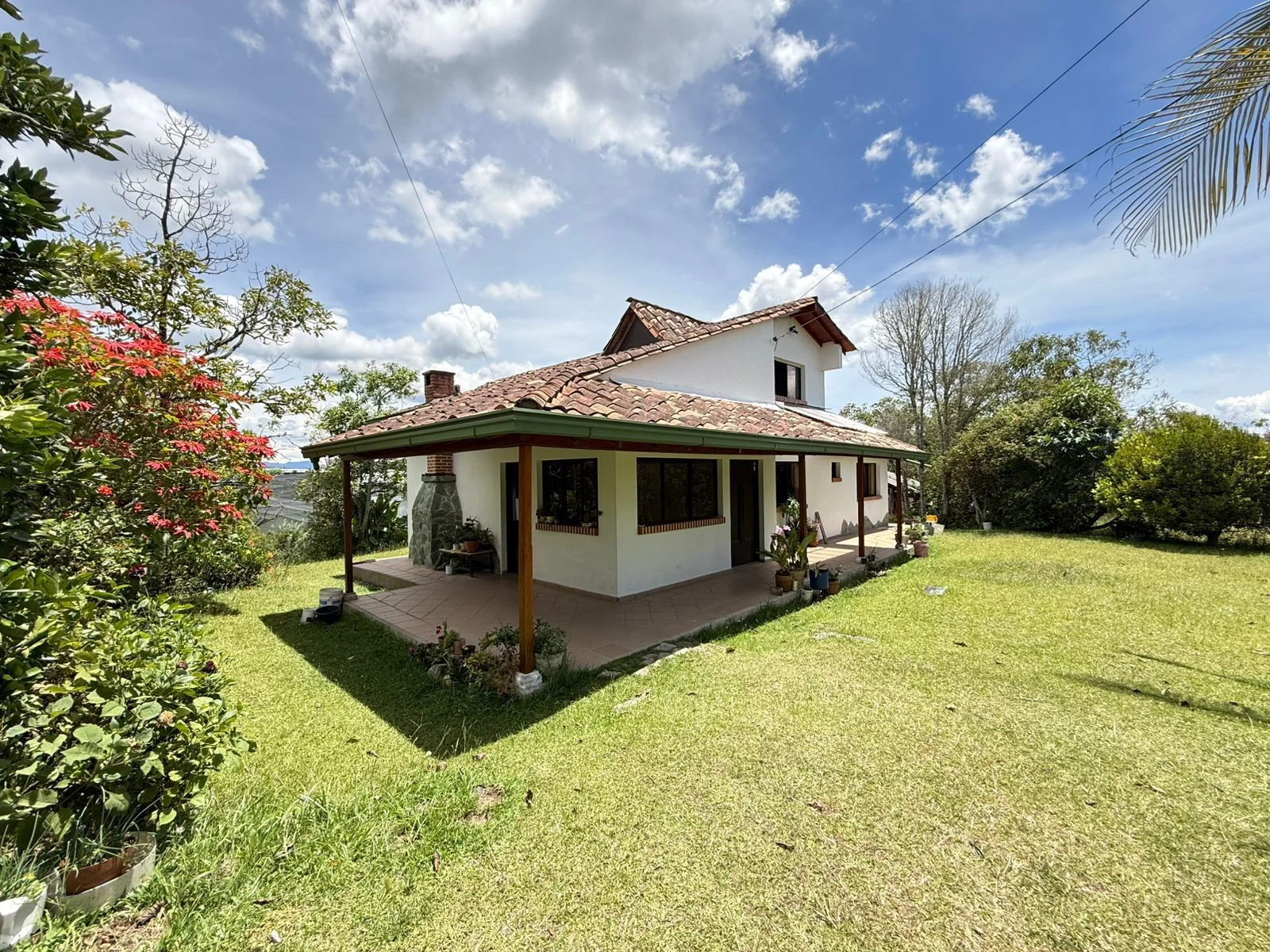
Just as when applying the guidelines on how to list a farm for sale in Colombia, presenting energy infrastructure in order not only facilitates the sale of loose accessories, but also adds value to any property in our section of rural and country housing.
Frequently Asked Questions
❓ How do I know if my used solar panels are still good enough to sell?
Yes: if the Voc in the sun is between 80% and 85% of the rating on the plate, the panel usually works. Also confirm that the glass has no cracks or burnt cells; that practical test remains the most used in 2026.
❓ Is it safe to sell used deep-cycle solar batteries in Colombia?
Yes, if after charging them the resting voltage exceeds 12.5V on 12V models and they are not bloated. In 2026, sulfated or swollen batteries should not be resold as operational: they should go to a lead or lithium recycling manager.
❓ Is a pure sine wave inverter worth more when selling than a modified sine wave one?
Yes: in 2026, pure sine wave is worth more because it starts refrigerators and water pumps without damaging them. Modified sine wave only supports lighting and basic electronics; mention this in the ad to avoid complaints.
❓ Is it mandatory to provide a RETIE certificate to sell used panels or inverters between private individuals?
No: between private individuals for isolated farms, a RETIE certificate is not required. According to Resolution 40117 of 2024 from the Ministry of Energy, the buyer will indeed prefer a legible factory label to build the system with valid DC protections and grounding.
❓ Where can I post used solar batteries and panels in Colombia without paying a commission?
You can post them in direct classifieds like Colombia Move, in the rural and farm category. This way you negotiate via WhatsApp with interested parties, without deductions or transactional platform commissions.



Comments
Loading comments...
Checking sign-in status...