
How to sell a used truck in Colombia: paperwork, inspection, and serious buyers
Selling a heavy-duty vehicle requires specific procedures. Discover how to manage the transfer, inspection, and avoid scams when selling your truck in Colombia.
IDIOMA DEL ARTÍCULO
Showing original language
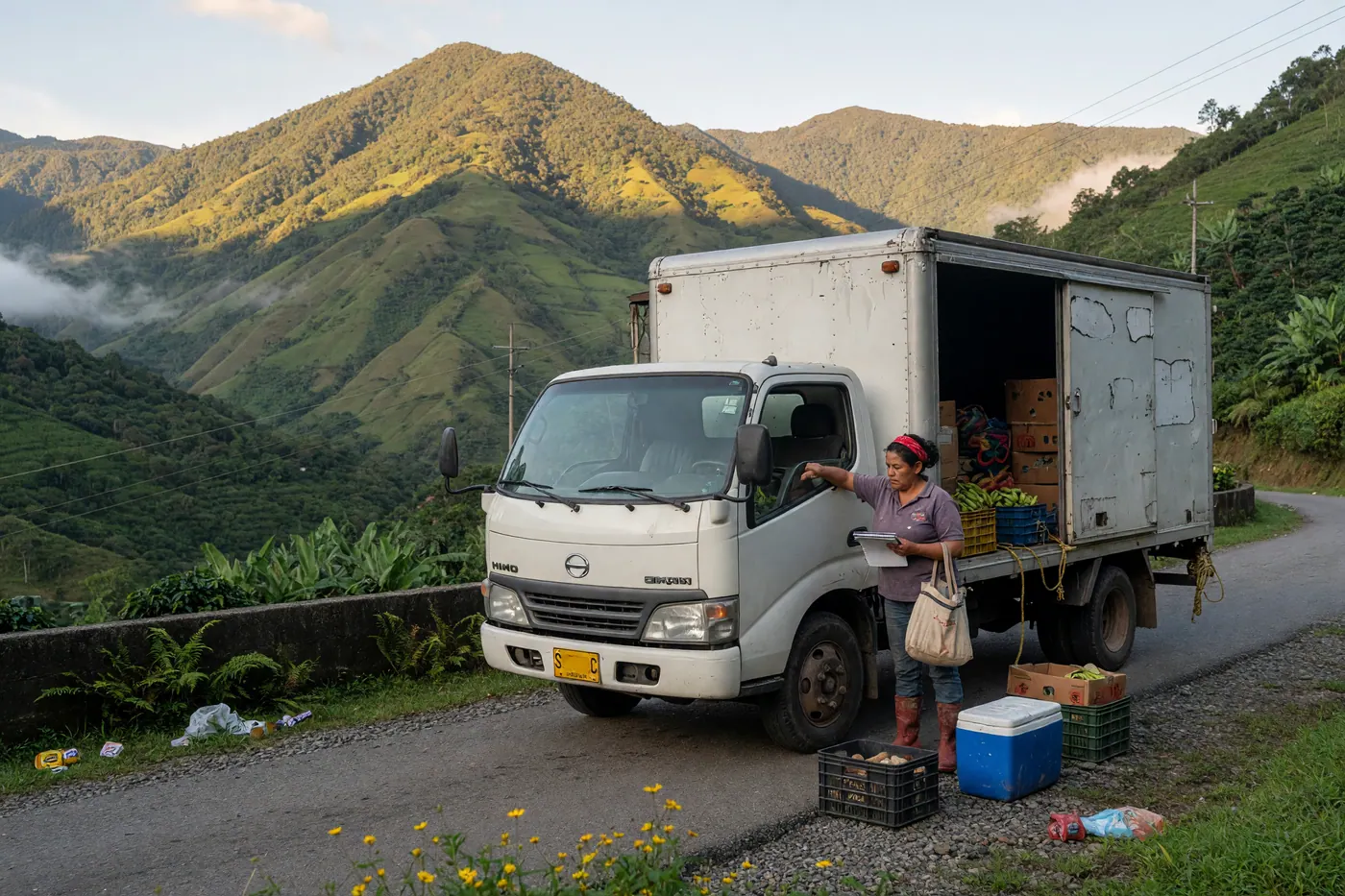
Selling a truck in Colombia —whether it's a turbo, a single, or a tractor-trailer— is nothing like selling the family car. It's a business between professionals. Whoever buys from you is looking for a work tool, not a luxury, and that completely changes the rules of the game. If you're used to selling a used SUV, get ready, because heavy commercial vehicles involve load regulations, company affiliations, and an intangible asset that is sometimes worth as much as the chassis itself: the famous "cupo" (quota/slot).
In summary: To sell a used truck in Colombia, you need to have the SOAT and technical-mechanical inspection up to date, be free of fines, and pay the 1% withholding tax. If the truck is for public service or weighs more than 10.5 tons, the process includes transferring the affiliation with the transport company and negotiating the "cupo" for scrapping.
Below, I'll explain the step-by-step process for a transparent, legal transaction without wasting time with looky-loos. If you want to see real options right now, you can view available jobs on Colombia Move — posting is completely free.
1. Mandatory Documentation and Transfer Costs in 2026
The first mistake many sellers make is looking for a buyer without having the paperwork ready. In the world of cargo transport, a parked truck is lost money, so the buyer will want to complete the transfer as quickly as possible.
Before listing your truck, make sure you have:
- RUNT Registration: Both you and the buyer must be active in the system, according to the Ministry of Transportation (2026).
- SOAT and Technical-Mechanical Inspection (RTM) valid: For 2026, the official RTM for heavy vehicles starts at $509,828 COP for public service and $510,027 COP for private vehicles (source: authorized CDAs, official 2026 rate).
- Clearance of Fines: You cannot have debts in the SIMIT. If you have doubts, I recommend checking your tickets with the license plate and ID number before signing any purchase agreement.
💰 Key Transfer Costs (Traffic Secretariat Fees, 2026)
By commercial custom, the transfer processing fees are split 50/50 between buyer and seller. Official rates vary by city: approx. $200,300 in Bogotá, $148,000 in Medellín, and $226,000 in Cali (source: local traffic secretariats, 2026). However, the withholding tax (1% of the commercial appraisal by the Ministry of Transportation) is paid obligatorily by the seller.
2. The Key Factor: Public or Private Service?
This is where selling a truck gets technical. If your vehicle is for private service, the transfer is relatively straightforward. But if it has yellow plates (public service), transport companies and the Ministry of Transportation come into play.
To transfer a public service truck, the traffic authority requires the assignment contract for the right of affiliation (official requirement according to Resolution 5304 of 2019). This document must be signed by the seller, the buyer, and approved by the affiliated transport company. The new owner will process a new operating card in their name.
Additionally, if your truck has a Gross Vehicle Weight exceeding 10.5 tons, it falls under the modernization and scrapping regime (Resolution 5304 of 2019). The vehicle then has a "cupo," which is the legal right to register and operate it. It's a very high commercial value asset. When negotiating, you must make it very clear whether the price includes the physical truck along with the cupo, or if you are negotiating them separately.
3. Technical Appraisal and Mandatory DIJIN/SIJIN Inspection
No serious buyer will part with hundreds of millions of pesos without checking the condition of the diesel engine, transmission, chassis, and air brakes. Although a private appraisal at a specialized workshop is not legally mandatory for the transfer, it is the gold standard for closing the deal with confidence.
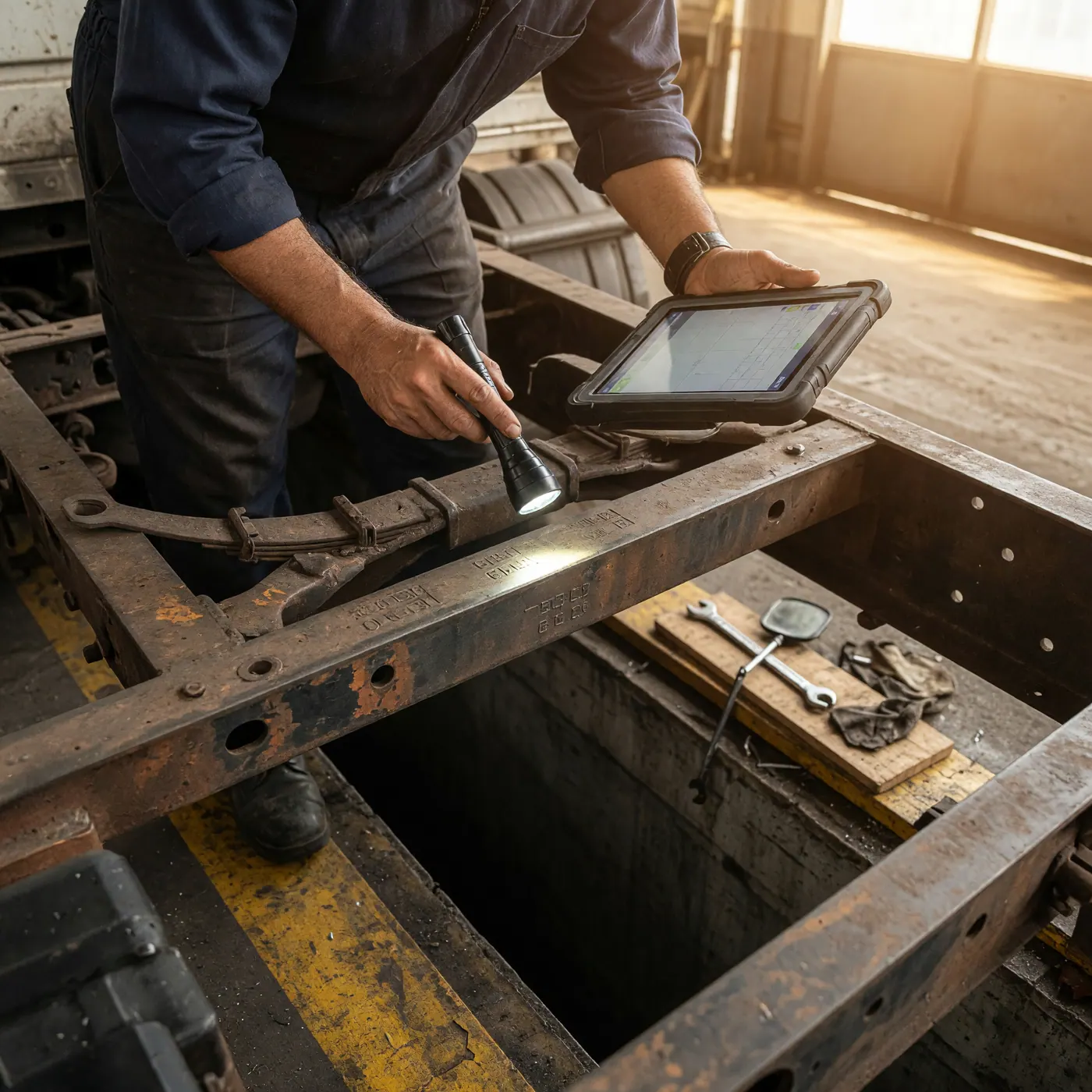
What is mandatory in many cases is the technical vehicle identification inspection at the DIJIN or SIJIN of the National Police (revisionautomotores.policia.gov.co). Authorities verify that the engine, chassis, and serial number imprints are original and have not been re-engraved. The official cost in 2026 is 2 SMDLV, equivalent to $116,728 COP (source: National Police, official 2026 rate).
4. How to Filter Out Curious Buyers and Avoid Scams (The Dark Side)
Honestly, the worst part of selling a commercial vehicle in Colombia is the number of scammers. The most common method is the "fake cashier's check" or a deposit in clearing on a Friday afternoon to pressure delivery over the weekend.
My golden rule: Never hand over the keys or the truck until the transfer is registered in the new owner's name and the money is confirmed in your bank account. An honest buyer will understand this perfectly. If someone pressures you to take the vehicle "urgently tonight," abort the mission. It's better to lose a quick deal than to be left without a truck and without money.
5. How to List Your Truck and Attract Serious Buyers
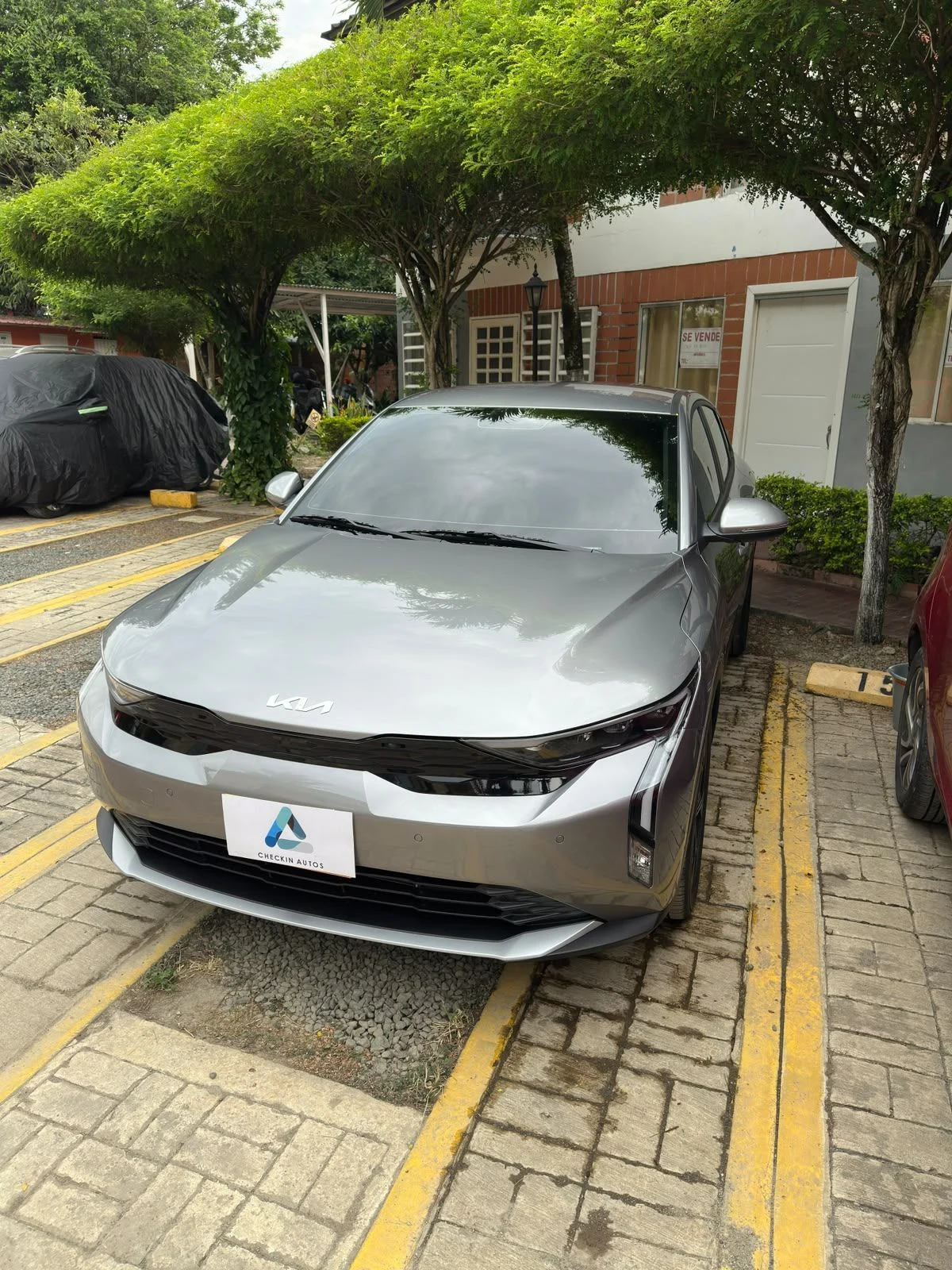
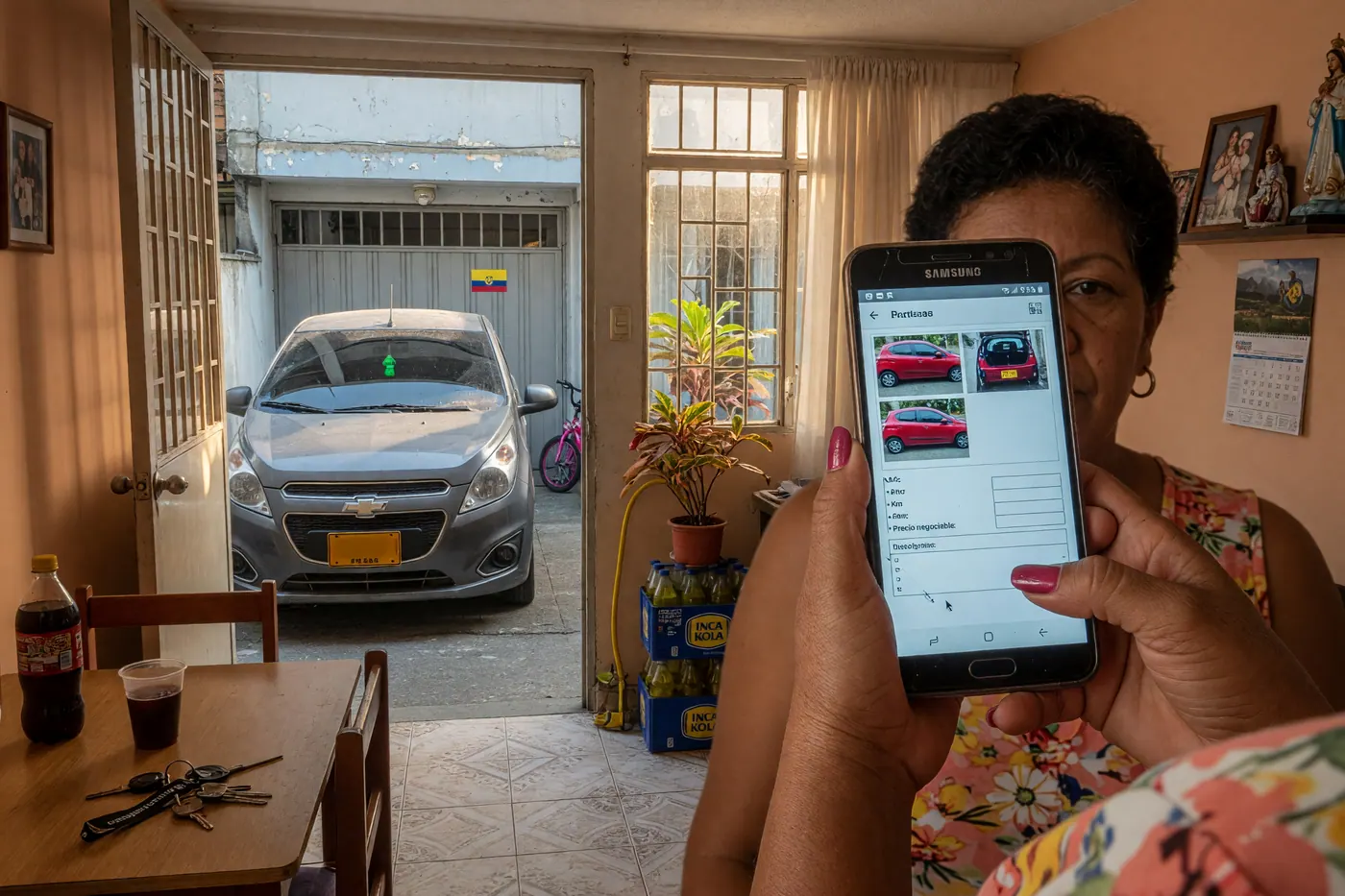
A good listing is your best filter. Forget about two blurry photos of a dirty truck. Wash it, take clear photos of the cargo area or stakes, show the condition of the tires (a very high expense for cargo vehicles), and take a clean shot of the cabin and engine.
In the description, be direct: specify make, model, actual mileage, if it has been repaired, load capacity, body type, and whether you are including work (affiliation with a transport company).
Key fact: according to active listings on Colombia Move (July 2026), there are currently 0 trucks listed on the platform. This means that the demand for work vehicles far exceeds the supply. If you list today, your truck will have immediate visibility to local buyers and companies looking to expand their fleet.
Frequently Asked Questions
❓ Who pays the truck transfer fees in Colombia?
By commercial custom, the cost is split 50/50 between buyer and seller, according to traffic practices in 2026. However, the withholding tax (1% of the commercial appraisal by the Ministry of Transportation) is paid obligatorily by the seller. This must be stated in the purchase agreement.
❓ What is a truck's "cupo" and can it be sold separately?
The quota is the legal right to register a heavy-duty vehicle (over 10.5 tons) under the Ministry of Transportation's modernization program (Resolution 5304 of 2019). It can be sold separately or with the vehicle, and in 2026 it represents a significant part of the total business value.
❓ How much does the technical-mechanical inspection for a heavy truck cost in 2026?
For heavy vehicles in 2026, the official RTM fee starts at $509,828 COP for public service and $510,027 COP for private vehicles (source: authorized CDAs, 2026). It varies slightly depending on the Automotive Diagnostic Center.
❓ How much does the DIJIN/SIJIN inspection cost and how do I schedule it?
The vehicle identification inspection at DIJIN/SIJIN (National Police) officially costs 2 SMDLV in 2026, equivalent to $116,728 COP. Schedule your appointment at revisionautomotores.policia.gov.co before the process.
❓ How to avoid scams when selling a truck in Colombia?
Do not hand over the vehicle until the transfer is registered in the buyer's name and the payment is confirmed in your bank account. In 2026, fake cashier's checks and fictitious deposits remain common. Be wary of anyone who pressures you to release the truck the same day without registered paperwork.
❓ Where to list a truck for sale without paying commission in Colombia?
Colombia Move's truck category is empty in July 2026, giving immediate visibility to new listings with no commission and direct WhatsApp contact. You can also supplement with WhatsApp groups of transport companies or local heavy vehicle fairs.


Comments
Loading comments...
Checking sign-in status...