
How to list an office or commercial space for rent in Colombia
Listing an office or a commercial space is not the same as renting out a home. Here is what information, photos, and details you should include so your ad attracts serious prospects.
IDIOMA DEL ARTÍCULO
Showing original language
Last year, an acquaintance spent almost two months trying to rent out the ground-floor space of his house in a commercial neighborhood. The spot was good—corner lot, good light, large storefront—but his ad just said “space for rent, inquire via WhatsApp.” Ten people would write to him, and nine asked the same thing: how many square meters, how much is the HOA fee, could it be used for a restaurant. When we finally put the ad together properly, with square footage, permitted use, and real photos, he rented it out in less than two weeks.
Listing an office or a commercial space is not the same as renting an apartment. Someone looking for a place for their business thinks about money differently: how much it costs them each month including HOA fees, whether they can set up their business there without fighting with the planning office, whether it has storage, parking, and a storefront. If the ad doesn't answer those questions, the serious interested party moves on, and you’re left filtering out the merely curious. If you want to see real options right now, you can see apartments and houses on Colombia Move — posting is completely free.
In this guide, I will show you, step by step, what to put in an ad for an office, storefront, medical office, or small warehouse so that people ready to rent reach out, not just people asking questions. This is information for those renting out space, not legal advice: contract decisions should always be confirmed with a lawyer or a real estate agency.
What you should know first
- Put this at the top of the ad: area in m², rent value, separate HOA fee, permitted use, and city/neighborhood.
- Land use rules are the boss: confirm with the mayor's office or the planning department what activity is allowed at that address before promising anything to a tenant.
- Photos of the facade, entrance, interior, bathroom, storage, and parking reduce repetitive questions.
- Don't rely on what you charged years ago: compare similar storefronts and offices by city, neighborhood, m², and condition.
- For a “commercial space,” Commercial Code rules may apply (such as contract renewal), with exceptions; check these with a professional before signing.
Who this guide is for
When I talk about commercial space, I don't just mean a street-level shop. Several types of property fall under the same method: street-level storefronts (shops, restaurants, hair salons), offices and medical offices, small warehouses for storage or micro-enterprises, and coworking spaces for renting by the desk.
What changes between one and another are the details that the interested party asks about first. Someone looking for an office cares about included utilities and internet; someone looking for a shop cares about the storefront and foot traffic; someone looking for a warehouse cares about ceiling height, vehicle access, and security. That’s why the ad is put together with the user of the space in mind, not just by describing walls.
The details that must go at the top of the ad
The interested party decides in the first few seconds whether to write to you or keep looking. That is why the important stuff goes at the top, not buried in a paragraph. On portals and marketplaces that show commercial properties in Colombia, it is common to see these fields, and it’s best if yours has them clear from the start:
- Useful area in square meters (and if there is a mezzanine or second floor, state it separately).
- Monthly rent value and, separately, the HOA fee value if applicable.
- Permitted use or activity the space is suitable for.
- City and neighborhood or sector; the type of zone (commercial, residential, industrial).
- Number of bathrooms, kitchenette, storage room, and whether it is delivered with or without modifications.
- Available utilities: power (single-phase or three-phase), water, gas, internet.
Regarding the price, a tip that avoids wasting time: don’t set the value based on what you were charging three years ago or what you “feel” it’s worth. Look at three or four similar spaces listed right now—same type, city, neighborhood, square footage, and condition—and place yourself in that range. If you want to delve deeper into that, this guide on how to compare rent prices without being taken for a ride.
is useful. And always separate the HOA fee from the rent. A business tenant calculates their total monthly cost, not just the rent; if they find out about the fee later, they feel like you hid something from them and the negotiation cools down.
Permitted use, HOA fees, and utilities: the most frequently asked questions
Here is the big difference compared to renting residential property. A business needs to know if it can legally operate at that address. Not all spaces are suitable for everything: a spot might work for an office but not for a restaurant with a kitchen, or it may allow retail but not industry.
Before promising someone that “you can set up your business here,” confirm the land use for that address with the mayor's office or your municipality’s planning department; in many entities, this land use inquiry can be done online. It is not your procedure to run, but knowing what activity is permitted prevents you from renting to someone who later cannot operate and returns the space to you. For contract details—for example, that a commercial space rented for a business establishment might have renewal rules after a certain number of years, with exceptions—rely on a lawyer or a real estate agency. This guide does not replace that advice.
Regarding utilities, be specific because it changes the type of business that can rent from you:
- Power: clarify if it is single-phase or three-phase (a business with machinery or large refrigerators will ask this immediately).
- HOA fees: how much, what it covers (security, cleaning of common areas), and if there are building rules.
- Water, gas, and internet: whether they are available, contracted, or pending installation.
- Bathrooms and kitchen area: how many and in what condition they are delivered.
Photos that answer questions before they are asked
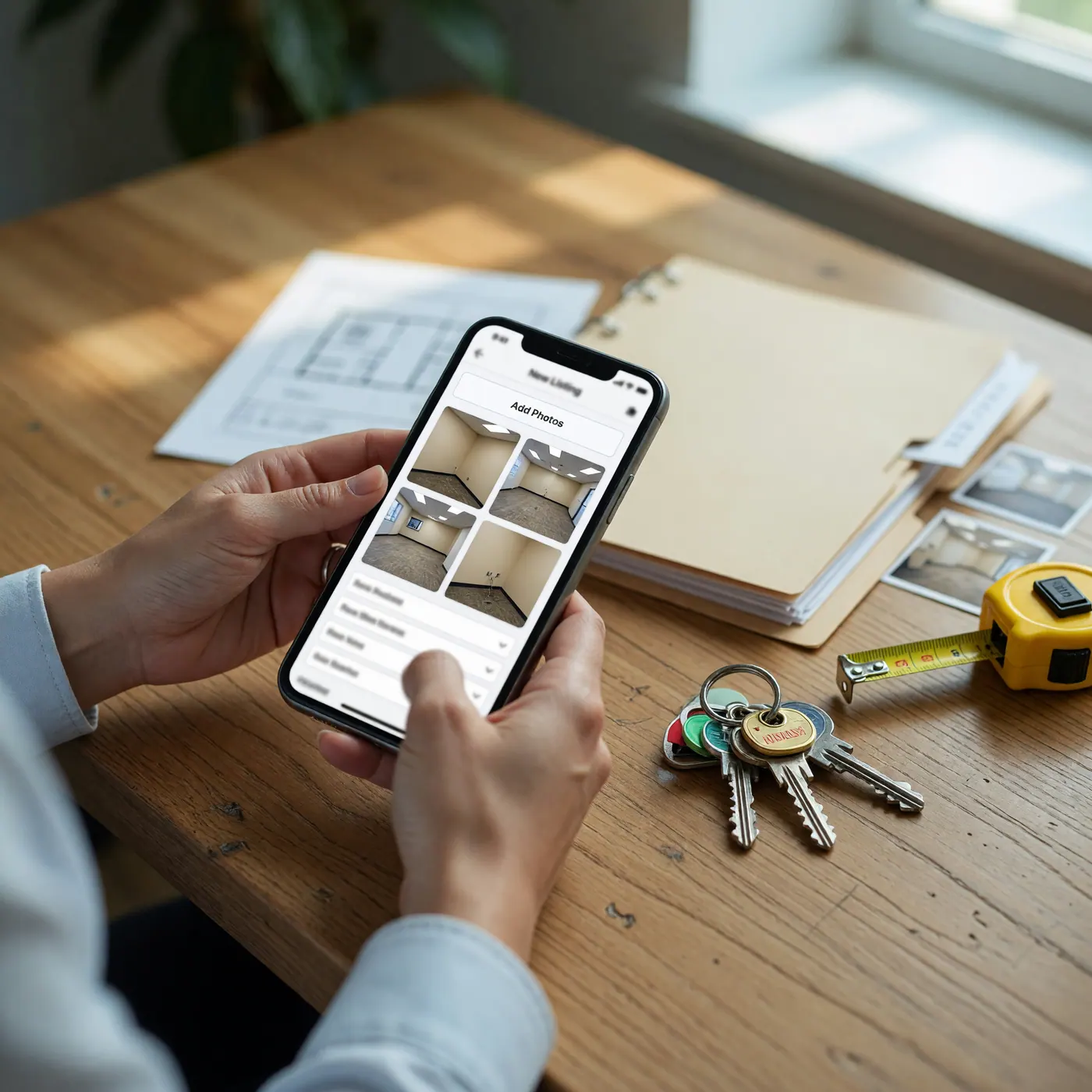
A listing for a storefront with only one blurry photo of a closed security gate does not sell. Whoever is going to move their business wants to see the real space, not imagine it. You don't need a professional camera: a cell phone, daylight, and a cleared and clean space are enough. Take these:
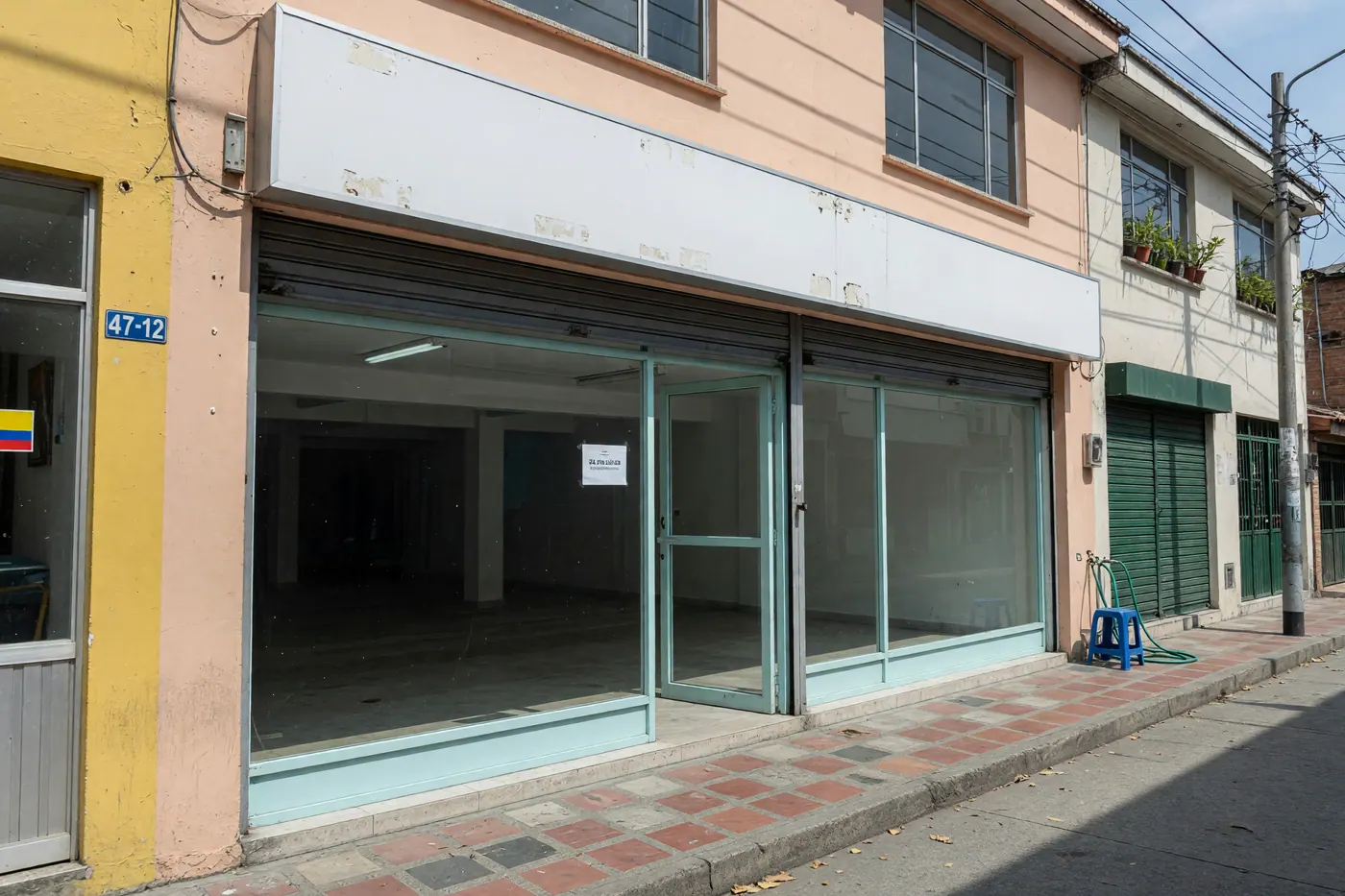
- Complete facade with the storefront and entrance, during the day.
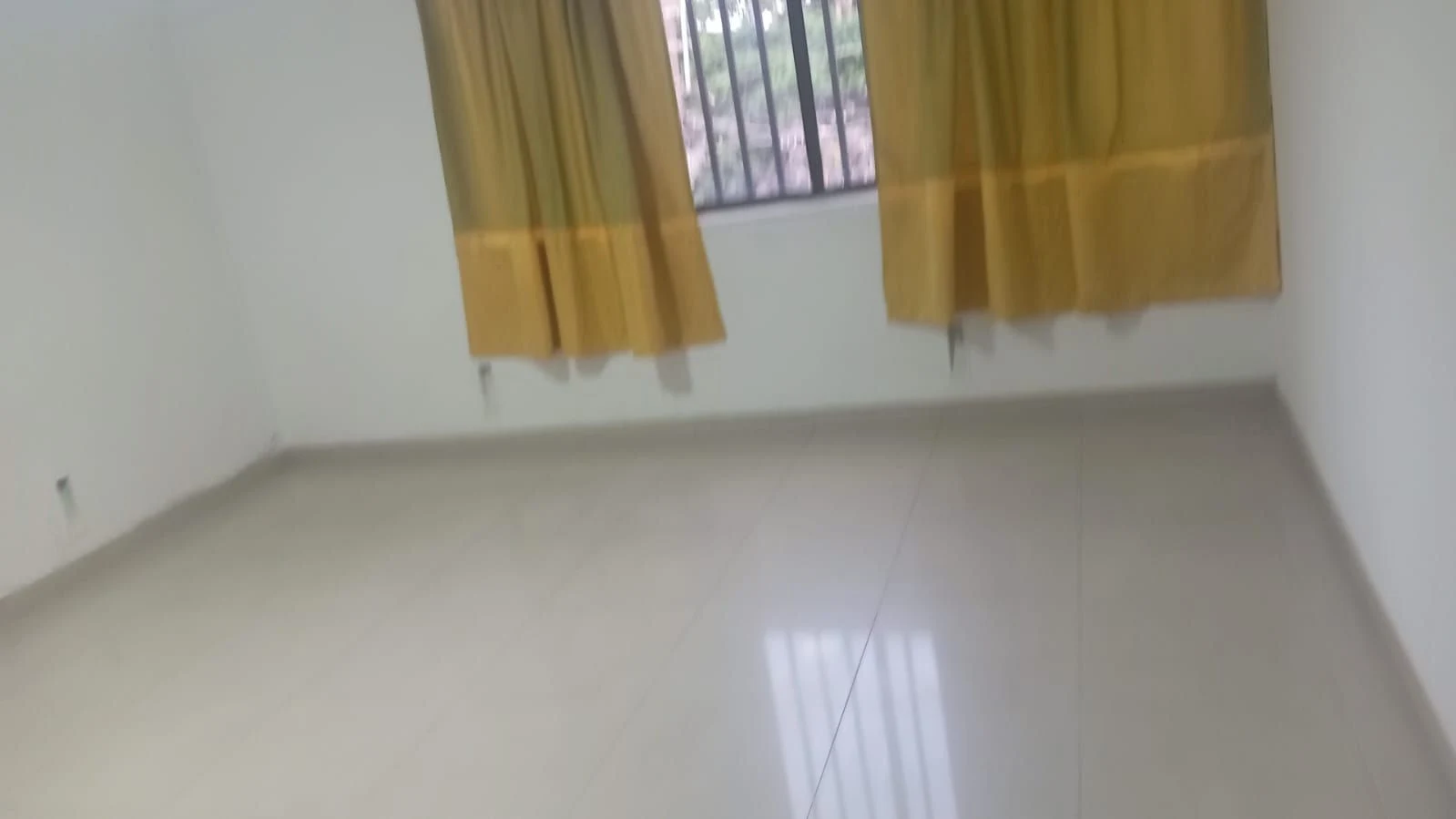
- The interior from the door, showing the back so the size is understood.
- Bathrooms, kitchenette, or storage room, if they exist.
- Warehouse, mezzanine, or second floor separately.
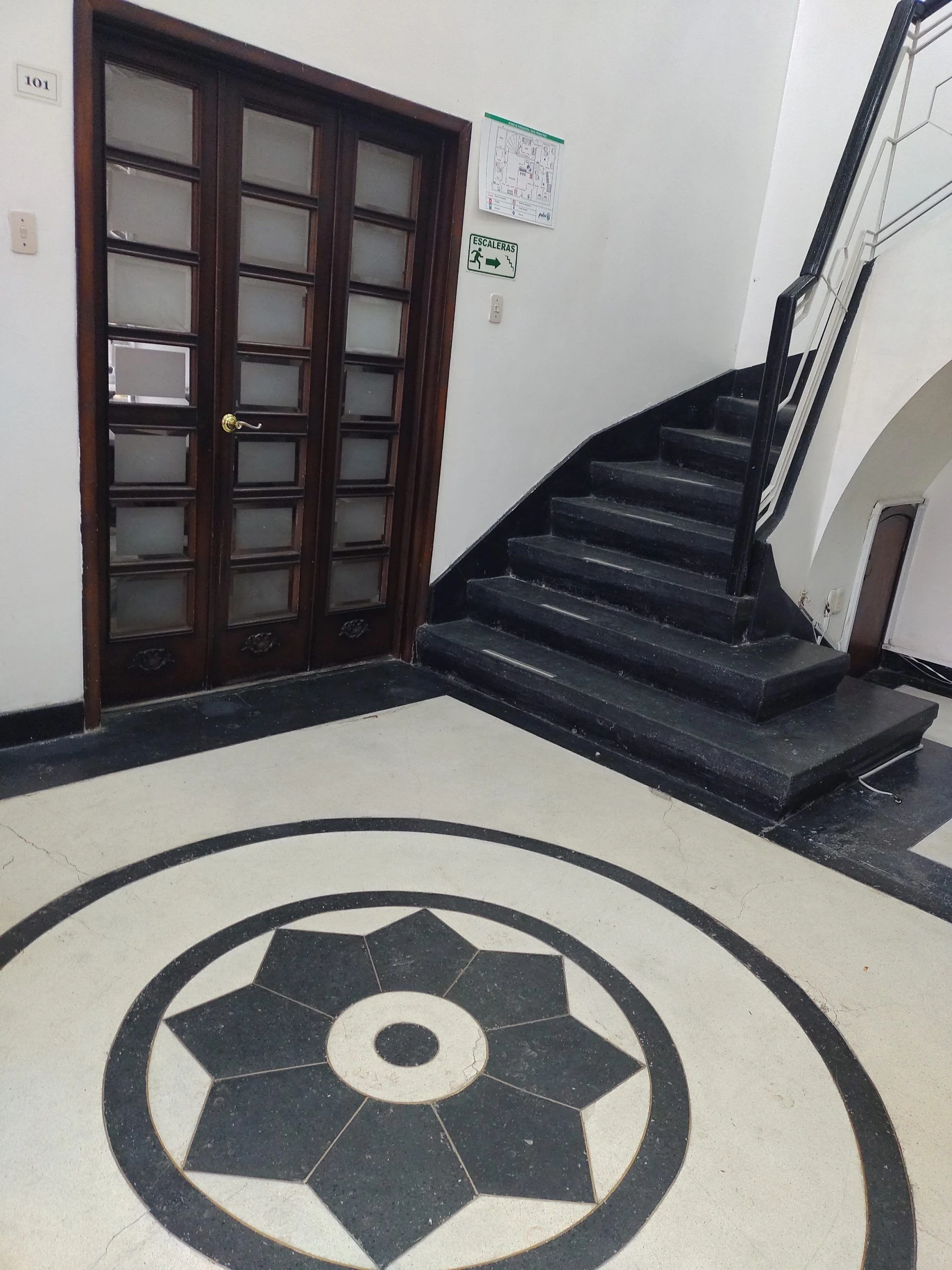
- Parking, loading access, and the street or access hallway.
- Electrical panel or meters if the space is for a business that requires power.
If you want to train your eye so that the photos communicate the space well, this article on how to take photos that sell a property applies equally to storefronts and offices: natural light, tidy space, and shots that show the real size. Showing an imperfect detail—a wall to be painted, a floor waiting for modifications—doesn’t scare people off; on the contrary, someone who writes in knowing that is a serious interested party.
How to describe access, storefront, warehouse, and parking
These four details often define whether a business signs with you or with the shop next door. Describe them with concrete data, not adjectives:
- Display window and visibility: how many meters of frontage, whether it faces a main street or is internal, and if it has signage or a place to put it.
- Access: street level or with steps, door width, and whether cargo or delivery vehicles can enter.
- Warehouse or storage: square meters, ceiling height, and if it has independent access.
- Parking: private, in the building, hourly in the area, and for clients or only for the tenant.
Avoid the typical “excellent location, don’t miss this opportunity.” That says nothing. “45 m² store at street level, 4 meters of display window on a main road, 6 m² storage at the back, and visitor parking in the building” tells the interested party everything they need to decide if they want to see it. The clearer the ad, the fewer wasted visits.
Where to list your office or commercial space
There is no single platform that works for everything; what changes is the reach, the type of lead, and how much you have to filter yourself. The most common options:
Real estate portals like FincaRaiz have a lot of traffic for office and retail searches, although they usually require registration or plans depending on the ad type. Mercado Libre handles an active real estate category in Colombia and is useful if you are already active there. Facebook Marketplace and local groups offer quick reach in your area, but you have to filter out tire-kickers and repeat the same info via chat. Sector or merchant WhatsApp groups work well for word-of-mouth. And Colombia Move is a free option with direct contact, no commission, and bilingual discovery, designed so the ad is understood in both Spanish and English. Platform rules and conditions change, so check them before posting (as of 2026).
On Colombia Move, you can post directly in the corresponding category: offices o retail and commercial spaces. Before setting up the ad, this checklist for posting a property without errors, which applies just as well to a commercial property, may be useful.
How to filter interested parties without sounding aggressive
A clear ad filters on its own: those who ask for the price that is already written or the square footage you already listed didn't read the ad and almost never close a deal. Even so, it is worth asking two or three questions before scheduling a visit, without sounding like an interrogation:
- What type of business or activity do you plan to set up? (helps you know if the land use is suitable).
- When do you need the space for? (filters out those who are just looking).
- Will the person writing be the one using it, or is it for a third party?
Share a contact number to coordinate, but do not post documents or sensitive data openly; leave the exchange of paperwork for a serious conversation. Having better details in the ad and speaking directly reduces empty questions, although it does not completely eliminate curious people or those who write just for the sake of writing. If you handle messages via WhatsApp, this guide on how to use WhatsApp in your ads without exposing yourself to spam will save you headaches. And if you struggle with projecting professionalism, see how to build trust as a seller in Colombia.
Final checklist before posting
Before clicking publish, check that the ad has the essentials. If you can answer yes to everything, you will receive messages from people who really want to rent:
- Area in m² and, if applicable, mezzanine or second floor separately.
- Rent price and maintenance fees (administración) separately.
- Permitted use or activity the space is suitable for, confirming the address's zoning (uso del suelo).
- City, neighborhood, and zone type.
- Utilities: power (single/three-phase), water, gas, internet, bathrooms.
- Photos of the facade, interior, bathroom, warehouse, and parking.
- Details of display window, access, storage, and parking described with numbers.
- Clear contact method and availability to show the space.
If you come from the residential rental side and want to compare the method, this article on how to list a room for rent and find a good tenant uses the same logic of clear details and early filtering; and if you also manage residential properties, you might find the guide for posting rentals for free for landlords useful.
Frequently Asked Questions
❓ Where can I post an office or commercial space for rent?
You have several options: real estate portals like FincaRaiz, Mercado Libre's real estate category, Facebook Marketplace, local WhatsApp groups, and free platforms like Colombia Move. Compare the reach, the quality of messages, and the detail fields you are allowed to fill out; to start for free and with direct contact, a commission-free platform works well.
❓ What data should I include in the ad from the start?
At the top, include the area in m², rent price, separate maintenance fees, permitted use, city and neighborhood, bathrooms, access, display window, and parking. The more the ad answers, the fewer repetitive questions you receive and the more serious the person writing to you will be.
❓ How much does it cost, and should I publish the maintenance fee separately?
Yes, if the property has a maintenance fee (administración), publish that price separately from the base rent. A business tenant calculates their total monthly cost, not just the rent. Before setting the price, check current ads for similar stores and offices: an outdated price or one well above market value makes the interested party feel misled and cools down the negotiation.
❓ How do I know if a business can work in that space?
Confirm the land use (uso del suelo) for that address with the local mayor's office or planning department; in many entities, the inquiry can be done online. Knowing what activity is permitted on the property prevents you from renting to someone who later cannot operate and returns the space to you.
❓ Which photos generate the most trust for a store or office?
Those of the facade with the display window, the interior from the door showing the back, bathrooms, warehouse or storage, parking, and street access. Using a cell phone and daylight is enough; also showing a detail that needs renovation attracts serious interested parties instead of scaring them away.
❓ Are there special rules for renting a commercial space?
A space rented for a commercial establishment may have specific rules under the Commercial Code (in force as of 2026), such as contract renewal after certain years, with exceptions. This is not legal advice: confirm the consequences of the contract with a lawyer or a real estate agency before signing.
❓ Is it safe to publish my WhatsApp or contact information?
Share enough information so people contact you directly, but avoid posting sensitive documents or data publicly. Leave the exchange of paperwork for a serious conversation; having good details in the ad reduces empty questions, although it does not guarantee filtering out all the curious people or eliminating scams (advice valid in 2026).
In summary
Renting an office or a commercial space is not about having the best place, but about explaining it well. Put the square meters, the values, and the permitted use at the top, add real photos, and confirm the land use before promising anything. Start by writing down those details today: a clear ad does almost all the work of filtering and leaves you speaking only with those who truly want to rent.

Comments
Loading comments...
Checking sign-in status...