
Legal Warranty on Used Products in Colombia: Buyer Rights (SIC)
Find out how the Consumer Statute applies to second-hand items and the key differences between buying from a commercial store or from a private individual.

IDIOMA DEL ARTÍCULO
Showing original language
Ojo con esto: compraste una nevera usada en un local del centro, a los dos días el motor se dañó, y el vendedor te dice que "lo usado no tiene garantía". ¿Te suena? Es una de las frustraciones más comunes en Colombia. Existe un mito enorme de que los artículos de segunda mano se venden a la suerte del comprador, pero la ley colombiana dice algo muy distinto dependiendo de a quién le compres.
De hecho, según los anuncios activos en Colombia Move (julio 2026), nuestra sección de electrónica cuenta con 30 publicaciones activas. Muchos particulares dudan en vender sus aparatos por miedo a enredarse en líos legales o a no saber qué responsabilidad asumen.
Para dejar las reglas claras desde el principio, aquí tienes un resumen rápido de cómo funciona la garantía de usados en el país:
| Tipo de Vendedor | Ley Aplicable | Garantía por Defecto |
|---|---|---|
| Almacén / Comerciante (B2C) | Ley 1480 de 2011 | 3 meses (salvo pacto escrito) |
| Particular (C2C) | Código Civil | No aplica (Saneamiento por vicios ocultos) |
La Gran Frontera Legal: Almacenes (B2C) vs. Particulares (C2C)
El error más grande que cometen tanto compradores como vendedores es pensar que todas las ventas se miden con la misma regla. En Colombia, la Superintendencia de Industria y Comercio (SIC) y el Estatuto del Consumidor (Ley 1480 de 2011) rigen únicamente las relaciones de consumo. Es decir, cuando le compras a un productor o proveedor profesional (un comerciante, un local, una empresa de compraventa).
Si la transacción es entre dos personas naturales (por ejemplo, le compraste el televisor a tu vecino o a un usuario particular en un marketplace), la acción de protección al consumidor ante la SIC no es la vía para resolver esa disputa C2C pura. Esas ventas privadas se rigen por el Código Civil colombiano. Entender esta frontera es vital para saber a qué tienes derecho y ante quién debes reclamar si algo sale mal. Si quieres profundizar en cómo manejar devoluciones en general, te sugiero revisar nuestra guía de garantías y devoluciones de usados.
Las Reglas del Almacén (Ley 1480 de 2011)
Si le compras un electrodoméstico o cualquier artículo de segunda mano a un negocio formal, la Ley 1480 te protege a capa y espada. Según el Artículo 8 de esta ley, los productos usados comercializados por negocios tienen una garantía legal por defecto de 3 meses.
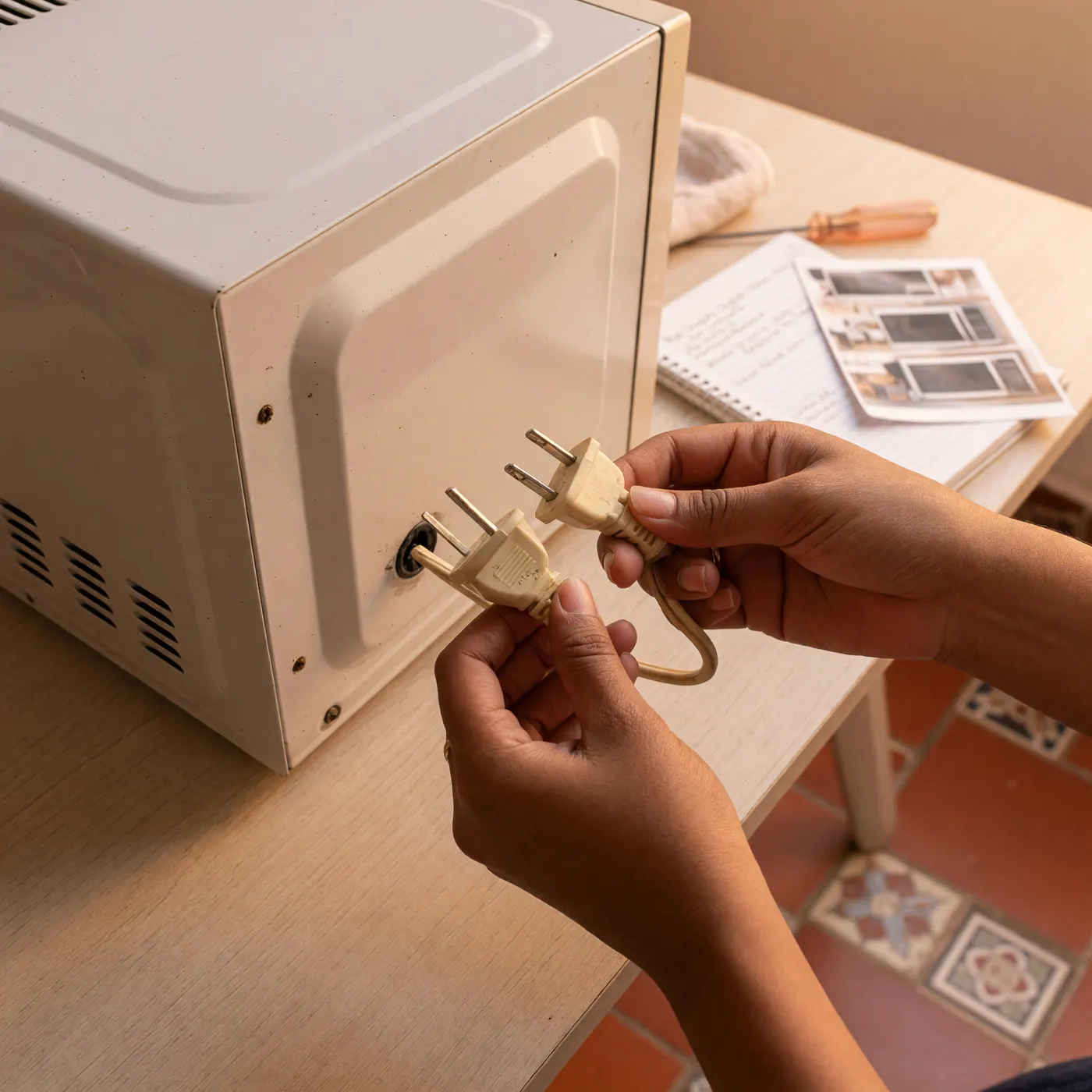
¿Pueden venderte algo sin garantía? Sí, pero el vendedor profesional no puede simplemente poner un letrero en la pared que diga "no hay cambios ni garantías". Para que la exención sea legal, el comerciante debe informarte claramente y tú debes aceptar que el bien se vende sin garantía de forma expresa y por escrito. Si no firmaste nada, esos 3 meses aplican automáticamente.
Además, el Artículo 15 de la misma ley establece una regla clave sobre las imperfecciones. Si el vendedor detalla en la factura que la lavadora tiene un rayón en la puerta y el panel digital hundido, y tú lo aceptas, no puedes reclamar garantía por esos daños específicos. Sin embargo, el resto de los componentes (como el motor o la bomba de agua) conservan su garantía legal intacta.
Ventas entre Particulares: El Código Civil y los Vicios Ocultos
Ahora, hablemos del mercado libre de persona a persona. Cuando decides vender electrodomésticos usados en Colombia a través de plataformas directas como Colombia Move sin ser un comerciante profesional, no estás obligado a dar esos 3 meses de garantía que exige el Estatuto del Consumidor.
Aquí rigen los Artículos 1914 y 1915 del Código Civil bajo la figura de "saneamiento por vicios redhibitorios" (vicios ocultos). Esto significa que no tienes que dar garantía técnica, pero sí tienes la obligación legal de entregar el artículo sin defectos graves ocultos que existieran antes de la venta y que hagan que el producto no sirva para su uso natural.
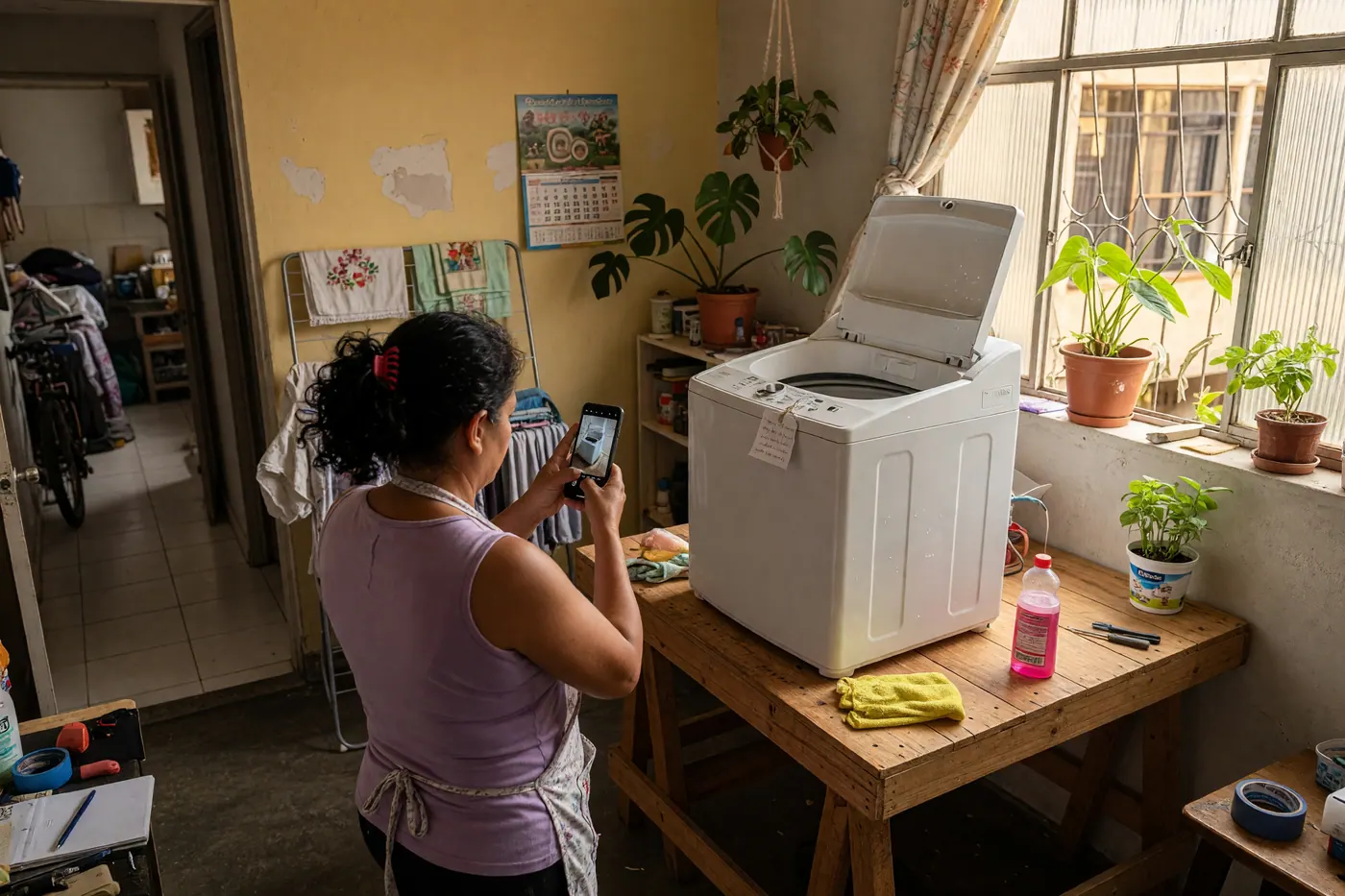
Mi consejo honesto si vas a vender: la transparencia te salva de cualquier demanda civil. Toma fotos claras, describe cada golpe, falla o ruido raro en la publicación. Si el comprador conoce el estado real del producto antes de pagar, el vicio deja de ser "oculto" y la transacción es completamente segura para ambos.
El Paso a Paso para Reclamar la Garantía (Relación B2C)
Si le compraste a un comerciante y el artículo falló dentro de los 3 meses, no puedes ir corriendo a demandar a la SIC de inmediato. La ley exige un proceso estricto:
- La Reclamación Directa: Es un requisito obligatorio de procedibilidad (Art. 58). Debes presentarle un reclamo formal y por escrito al vendedor detallando la falla, la fecha de compra y qué exiges (reparación, cambio o devolución del dinero). El vendedor tiene un plazo máximo legal de 15 días hábiles para responder con pruebas técnicas.
- El dilema de la SIC (Demanda vs. Denuncia): Si el almacén no responde en 15 días o te da una excusa sin sustento técnico, puedes acudir a la SIC. Pero ojo: debes interponer una demanda (Acción de Protección al Consumidor) si quieres que te devuelvan el dinero o te reparen el bien. Si presentas una denuncia, la SIC solo investigará y multará al local, pero no te compensará económicamente a ti.
Últimas Directrices de la SIC (Resolución SIC 56579 de 2025)
El 12 de agosto de 2025, la Resolución SIC 56579 de 2025 modificó varios títulos de la Circular Única y actualizó directrices sobre garantías y gestión de PQR. Entre otros asuntos, precisó obligaciones para proveedores de electrodomésticos y gasodomésticos y lineamientos de garantía para vendedores de vehículos.
Esta misma resolución endureció las reglas de los canales de Peticiones, Quejas y Reclamos (PQR) para los proveedores formales de electrodomésticos y gasodomésticos, obligándolos a ser mucho más ágiles en sus respuestas técnicas. Además, recuerda que hacer efectiva la garantía legal (incluyendo repuestos y transporte del bien) es totalmente gratuito; no te pueden cobrar ni un peso extra.
Por Qué Vender Directamente es tu Mejor Opción
Conocer estos derechos es vital para que no te pasen por alto como consumidor. Al mismo tiempo, si tienes cosas en casa que ya no usas, publicarlas directamente como particular te libera de la pesada carga administrativa y de los plazos de garantía que la ley le exige a los comercios formales.
Preguntas frecuentes
❓ ¿Cuánto tiempo de garantía tiene un electrodoméstico usado comprado en una tienda en Colombia?
El plazo por defecto es de 3 meses bajo el artículo 8 de la Ley 1480 de 2011, a menos que el comprador firme expresamente y por escrito que acepta el producto sin garantía.
❓ Si le compro una nevera usada a un vecino, ¿tengo derecho a los 3 meses de garantía de la Ley 1480?
No. La Ley 1480 aplica cuando compras a productores o proveedores/comerciantes profesionales en una relación de consumo. Las ventas entre particulares (C2C) se rigen por el Código Civil (vicios ocultos), donde no existe una garantía automática pero sí derecho a reclamar si el aparato tenía fallas graves ocultas previas.
❓ ¿Se puede vender un artículo usado en Colombia con la condición de "sin garantía"?
Sí, un comerciante profesional puede hacerlo únicamente si el comprador lo acepta explícitamente y por escrito. Si no hay documento firmado, la ley asume que el producto tiene 3 meses de garantía automática.
❓ ¿Cuánto tiempo tiene una tienda para responder a un reclamo de garantía?
El productor o proveedor dispone de un plazo máximo legal de 15 días hábiles para dar respuesta por escrito y con pruebas desde el momento en que se radica la reclamación directa.
❓ ¿Cuál es la diferencia entre demandar y denunciar a un vendedor ante la SIC?
Una demanda ante la SIC busca el restablecimiento de tus derechos individuales (reparación, cambio de producto o devolución del dinero), mientras que una denuncia protege el interés público para que se multe al comercio reincidente, sin entregarte compensación económica directa a ti.
❓ ¿Qué pasa si un producto usado tiene un golpe detallado en la factura y luego se quema el motor interno?
La garantía legal de 3 meses no se puede reclamar por el golpe aceptado en la factura, pero sí sigue completamente vigente para proteger la funcionalidad del motor y demás componentes internos que no fueron exceptuados.




Comments
Loading comments...
Checking sign-in status...