
Cost of Living in Santa Marta: Monthly Budget Breakdown for Beach Living
Looking for affordable Caribbean beach life? Here is an itemized, street-level monthly budget breakdown for living in Santa Marta, from Air-e power bills to neighborhood rental rates.
IDIOMA DEL ARTÍCULO
Showing original language
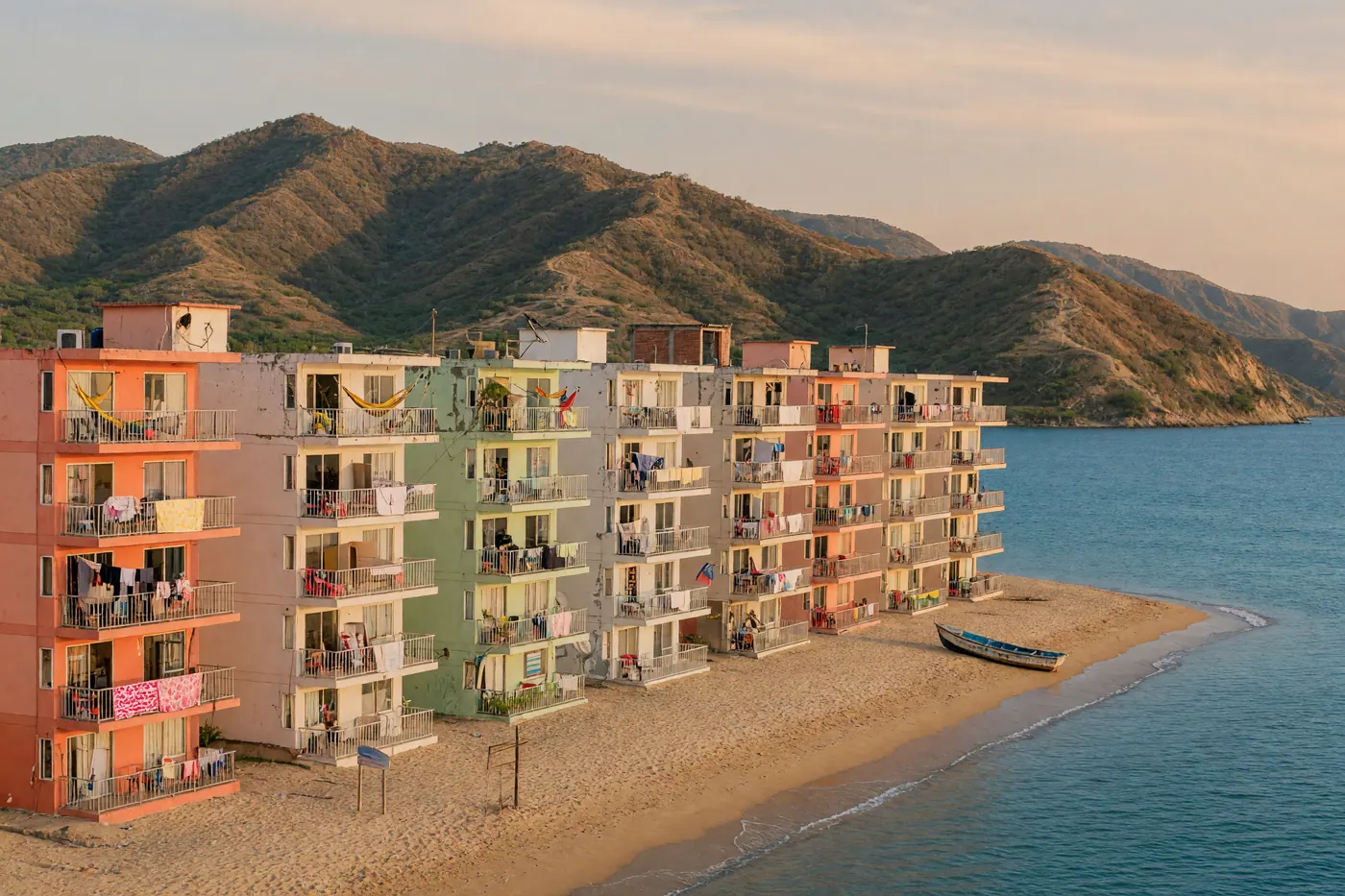
If you have ever caught yourself dreaming about swapping temperate city life for warm Caribbean trade winds, you have likely looked at Cartagena first—and promptly suffered sticker shock from the high-season rental prices and crowded tourist zones. Santa Marta, tucked neatly between the turquoise Caribbean Sea and the towering peaks of the Sierra Nevada, offers an authentic, dramatically more affordable alternative.
Living comfortably on the Colombian coast is entirely feasible on a reasonable budget, but it comes with unique financial curveballs. While fresh fruit and beachside grilled snapper are remarkably cheap, your monthly electric bill can quickly double if you do not understand coastal utility tariffs. Below is an honest, itemized breakdown of what it actually costs to live in Santa Marta in 2026, comparing top neighborhoods, utility quirks, daily food costs, and official transportation rates.
According to active listings on Colombia Move (September 2026), the vivienda section has 134 ads live with 25,624 views, and apartamento listings alone total 44 with 7,396 views. Mid-term coastal inventory is still thin: only 1 temporal rental listing is active.
Quick Summary: Santa Marta Monthly Living Costs
| Budget Tier | Monthly Range (COP) | Monthly Range (USD at ~3,141 COP/USD) | Lifestyle Profile |
|---|---|---|---|
| Frugal / Solo Nomad | $3,800,000 – $4,800,000 | $1,210 – $1,530 | Modest 1BR in Centro or Taganga, selective AC usage, cooking at home, public buses. |
| Comfortable Beach Living | $5,200,000 – $7,200,000 | $1,650 – $2,290 | Furnished 1-2BR in El Rodadero or Bellavista, regular AC, dining out multiple nights weekly, taxis. |
| Upscale Coastal Resort | $8,500,000 – $12,500,000+ | $2,700 – $3,980+ | Modern beachfront high-rise in Bello Horizonte, full-time inverter AC, gourmet groceries, private car or frequent trips. |
Compared to neighboring Cartagena—where prime Bocagrande and Castillogrande rentals skew significantly higher as outlined in our Cartagena cost of living breakdown—Santa Marta generally runs 25% to 35% cheaper for both long-term leasing and day-to-day dining.
Neighborhood Rental Breakdown: Where Expats Live & What It Costs
Your choice of neighborhood in Santa Marta dictates not just your rent, but your daily lifestyle, walkability, noise level, and cooling costs. The city spans several distinct coastal pockets separated by arid headlands.
1. El Rodadero
El Rodadero is Santa Marta’s busy traditional beach district. It is densely packed with apartment towers, street-food carts, pharmacy chains, and direct access to a long, sandy bay. It gets intensely lively and crowded during domestic holidays, but the rest of the year it offers practical, walkable coastal living with immediate access to supermarkets.
- Typical furnished 1BR rent: COP $1,800,000 – $3,200,000 ($570 – $1,020 USD) per month.
- Estrato: Typically Estrato 4 to 5.
- Best for: Anyone who wants the sand outside their front lobby door without needing a private vehicle.
2. Centro Histórico & Bellavista
If you prefer colonial architecture, cobblestone alleyways, independent cafes, and live acoustic music over high-rise resort blocks, Santa Marta's historic center and adjoining Bellavista (near the international marina) are the cultural heart of the city. While the downtown beach is an industrial working bay rather than a pristine swimming spot, you are surrounded by the best dining in town.
- Typical furnished 1BR/loft rent: COP $1,800,000 – $3,000,000 ($570 – $955 USD) per month.
- Estrato: Usually Estrato 3 to 4.
- Best for: Remote workers, culinary enthusiasts, and digital nomads seeking dependable fiber-optic internet and evening social spots.
3. Bello Horizonte & Pozos Colorados
Located south toward the airport, Bello Horizonte and Pozos Colorados are home to Santa Marta’s modern luxury towers, branded beachfront resorts, and quiet stretches of coastline. The beaches here are cleaner and wider than Rodadero, but you will sacrifice urban walkability; you will need taxis or delivery apps for daily errands.
- Typical modern 2BR beachfront condo: COP $3,500,000 – $7,000,000+ ($1,115 – $2,230+ USD) per month.
- Estrato: Almost universally Estrato 5 or 6.
- Best for: Retirees, remote executives, and anyone seeking private pool complexes, direct beach frontage, and 24/7 resort security.
4. Taganga
Just over the northern hill from Centro, the historic fishing and scuba village of Taganga sits in a dramatic dry valley. It offers bohemian backpacker vibes, rustic seafood shacks, and cheap rents, but infrastructure is undeniably basic.
- Typical rustic 1BR rental: COP $1,200,000 – $2,000,000 ($380 – $635 USD) per month.
- Estrato: Estrato 1 to 2.
- Important reality check: Freshwater in Taganga can be scarce; properties often rely on municipal water rationing or private tanker deliveries (carrotanques). Confirm that your rental has its own dedicated freshwater cistern before making a commitment.
The Coastal Utility Bill Reality: Air-e & Water Management
In mountain cities like Medellín or the Coffee Axis (which you can benchmark in our Pereira monthly budget guide), utility bills are predictable and low because you almost never need heating or cooling. In Santa Marta, your electricity bill is the single biggest wildcard in your monthly ledger.
Residential electricity in the Magdalena department is managed by regional provider Air-e. Under 2026 CREG regulatory tariffs, the base rate for unsubsidized Estrato 4 residential power stands around COP $890 per kilowatt-hour (kWh). Furthermore, properties classified in higher socio-economic tiers (Estratos 5 and 6) carry a legally mandated 20% national solidarity surcharge on their energy consumption.
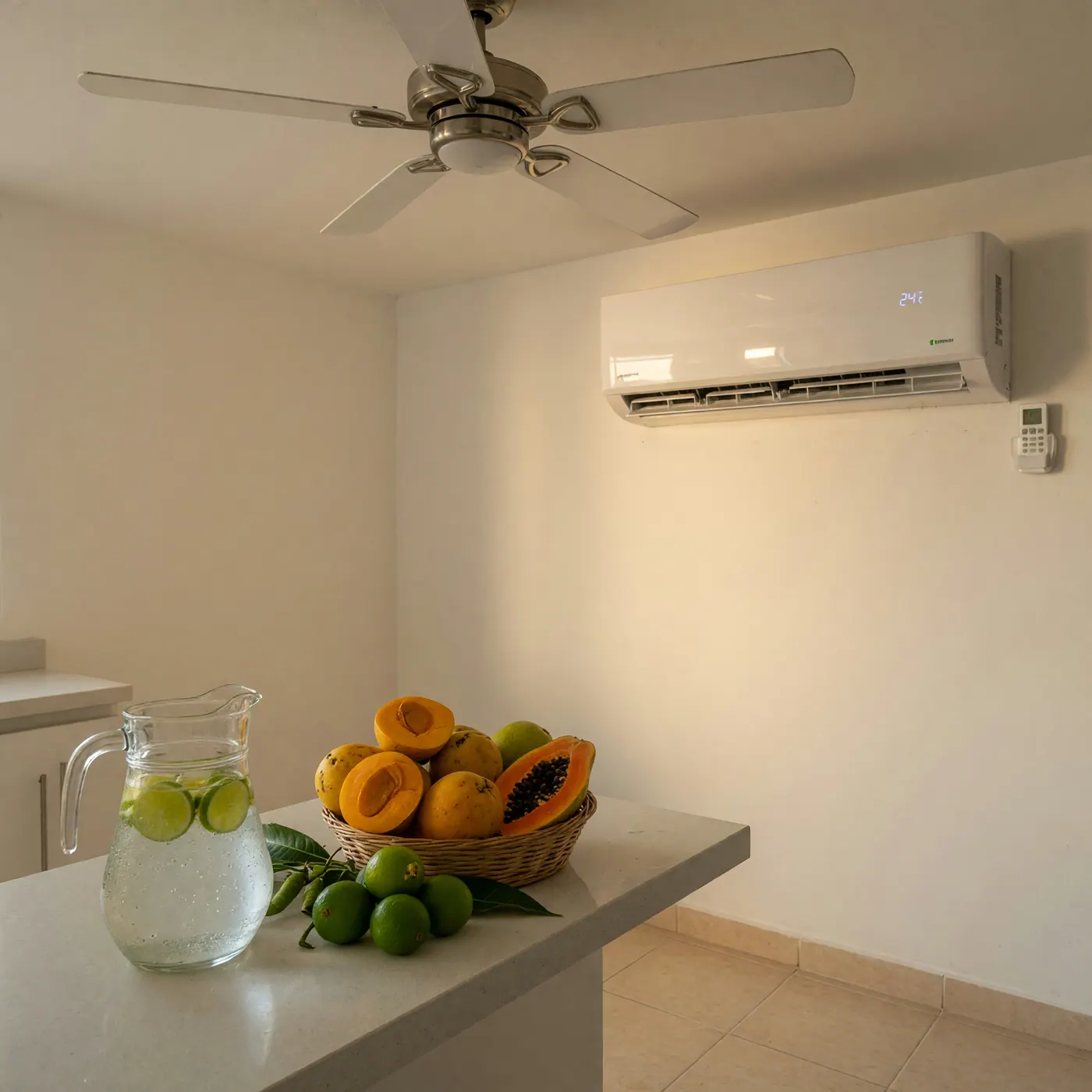
If you leave an older non-inverter split air conditioning unit running 18 hours a day, it is astonishingly easy to consume 600 to 900 kWh in a single billing cycle. That results in a monthly power bill ranging from COP $530,000 to well over $800,000 ($170 to $255 USD) for an ordinary two-bedroom apartment. However, by running modern inverter AC units only during sleeping hours (6 to 8 hours nightly) and relying on ceiling fans and sea breezes throughout the day, you can realistically keep your power bill between COP $350,000 and $750,000 ($90 – $190 USD) per month.
For a step-by-step breakdown on how utility payments, online portals, and billing tiers operate throughout the country, refer to our practical tutorial on paying utility bills online in Colombia.
Water Infrastructure: Cisterns and Elevated Tanks
Santa Marta has navigated historic municipal aqueduct supply challenges for decades. Because city water line pressure fluctuates throughout dry periods, modern multi-unit condo buildings utilize deep underground storage cisterns (albercas subterráneas) coupled with rooftop gravity tanks (tanques elevados) and electric booster pumps. When vetting potential rental properties, always confirm that the building’s reserve water pumping infrastructure is fully functional and maintained by the homeowners' association (admon).
Food, Groceries, and Coastal Dining
Daily food expenses in Santa Marta offer tremendous value if you shop like a local resident rather than relying exclusively on imported specialty goods.
- Fresh Produce and Seafood: Head to the busy Mercado Público de Santa Marta. You can purchase fresh coastal avocados, sweet pineapples, mangoes, plantains, and recently caught snapper or sea bass (pargo or corvina) at prices 40% below corporate supermarket chains. A weekly haul of fresh fruits, vegetables, and seafood for two rarely exceeds COP $90,000 ($28 USD).
- Supermarket Chains: For standard dry goods, dairy, and cleaning products, discount chains D1 and Ara are ubiquitous across Santa Marta and keep pantry costs extremely low. For imported goods, cheeses, and international wines, Carulla (in Bello Horizonte and Centro) and large-format Éxito branches carry everything you need at standard national prices.
- Dining Out: A traditional weekday coastal menú del día (soup, grilled fish or chicken, coconut rice, patacones, salad, and panela drink) typically runs between COP $14,000 and $22,000 ($4.50 – $7.00 USD) in casual neighborhood eateries. At mid-range seafood restaurants along the Rodadero waterfront or Bellavista marina, an upscale dinner with cocktails and appetizers averages around COP $60,000 to $100,000 ($19 – $32 USD) per person.
Getting Around: Regulated Taxis, Airport Rates & City Buses
Santa Marta is compact and simple to navigate. You do not need the expense, depreciation, and insurance obligations of owning a private car to live well here.
Public transit and commercial cab fares in the district are legally regulated by municipal decrees enacted by the Alcaldía Distrital de Santa Marta:
- Taxi Base Tariffs (Decreto 235 de 2026): Taxis in Santa Marta operate with calibrated taximeters. The official minimum fare (carrera mínima) is set at COP $8,600, with an initial drop flag (banderazo) of COP $6,260 and a unit rate of COP $121 per 100 meters or 40 seconds of waiting time. Nighttime and holiday surcharges add COP $1,341.
- Fixed Airport Taxi Rates: For transit to and from Simón Bolívar International Airport (SMR), Decreto 235 stipulates fixed flat rates: COP $40,136 from Centro Histórico and COP $32,533 from El Rodadero.
- Public Collective Buses (Decreto 237 de 2026): Santa Marta's urban bus fleet offers frequent routes connecting Centro, El Rodadero, Gaira, and Mamatoco. The regulated fare is COP $2,950 for standard buses and COP $3,050 for climatized (air-conditioned) buses.
Sample Monthly Itemized Budget: Comfortable Expat (1-Bedroom)
Here is an accurate look at the actual living costs for a solo remote worker or retiree enjoying a comfortable lifestyle in a furnished Estrato 4 apartment in El Rodadero or Centro Histórico:
| Expense Category | Monthly Cost (COP) | Monthly Cost (USD) | Notes |
|---|---|---|---|
| Furnished 1BR Apartment Rental | $2,400,000 | $764 | Good building with pool, balcony, and backup water tank. |
| Building Administration Fee (Admon) | Included | Included | Standard practice for furnished mid-term leases. |
| Air-e Electricity (Moderate AC) | $380,000 | $121 | Nightly bedroom split inverter AC (6-8 hours). |
| Water, Gas & Trash Removal | $95,000 | $30 | Municipal utilities for Estrato 4. |
| Fiber-Optic Internet & Mobile Data | $140,000 | $45 | 200 Mbps home connection + unlimited local cellular SIM. |
| Groceries & Household Goods | $950,000 | $302 | Mix of Mercado Público fresh produce, D1, and Éxito. |
| Dining Out & Socializing | $750,000 | $239 | Multiple lunches, coffee visits, and weekend dinners. |
| Local Transportation (Taxis & Buses) | $250,000 | $80 | Regular short taxi trips across town. |
| Private Health Insurance / Prepaid Medicine | $450,000 | $143 | Comprehensive private plan (Sura or Colmédica). |
| Gym Membership & Beach Activities | $180,000 | $57 | Local fitness club membership + weekend boat water taxis. |
| Total Monthly Budget | $5,595,000 COP | ~$1,781 USD | Very comfortable coastal lifestyle. |
Practical Advice Before Signing a Lease in Santa Marta
If you plan to stay in Santa Marta for three months to a year, avoid booking through short-term vacation rental sites for your entire stay. Instead, book an initial week in a hotel or short-stay apartment, and tour buildings in person. Direct-owner leases negotiated locally almost always include the building administration fee and typically require only a one-month refundable deposit rather than an institutional Colombian guarantor (fiador).
Before transferring any reservation deposit, ask three non-negotiable questions: Does the apartment have a dedicated modern inverter AC unit (or an older, energy-draining model)? Does the building possess an active reserve cistern and booster pump system? And what was the average total for the last two Air-e electricity receipts? Verifying those three details in advance guarantees you will enjoy the warmth and relaxed rhythm of Caribbean coastal living without unwanted financial surprises.
Frequently Asked Questions
❓ What is the average monthly cost of living in Santa Marta for a single expat?
A single expat can live comfortably in Santa Marta on $1,200 to $1,800 USD (about 4.8M to 7.2M COP) per month in 2026. That budget covers a furnished 1-bedroom, regular air conditioning, groceries, dining out, and private medical insurance.
❓ Why are electricity bills in Santa Marta so much higher than in Medellín or Bogotá?
Electricity in Santa Marta is billed by Air-e in 2026 at rates near COP $890 per kWh in Estrato 4, with Estratos 5 and 6 paying an additional 20% solidarity contribution. Coastal heat requires regular air conditioning, which uses far more kilowatt-hours than mountain cities.
❓ Is Santa Marta cheaper than Cartagena?
Yes, Santa Marta is generally 25% to 35% cheaper than Cartagena in 2026 for long-term housing, groceries, and casual dining. Bello Horizonte luxury towers can approach big-city prices, but El Rodadero and Centro Histórico stay far below Bocagrande rents.
❓ What is the official taxi fare from Santa Marta to the airport in 2026?
Under Santa Marta municipal Decreto 235 of 2026, the official fixed taxi fare to Simón Bolívar International Airport is COP $40,136 from Centro Histórico and COP $32,533 from El Rodadero. Taxis within the city operate on calibrated meters with an official minimum fare of COP $8,600.
❓ Do apartment buildings in Santa Marta have reliable running water?
Most modern high-rises in El Rodadero and Bello Horizonte use underground cisterns and booster pumps as of 2026. Detached houses and older Taganga properties still face rationing and may depend on tanker truck deliveries.
❓ What is the best neighborhood in Santa Marta for digital nomads?
Centro Histórico and Bellavista are the strongest 2026 picks for digital nomads thanks to walkable cafes, reliable fiber internet, and a dense evening restaurant strip. El Rodadero is better if you want the beach under the building.

Comments
Loading comments...
Checking sign-in status...