
Valledupar, Cesar: A guide to living, renting, and choosing a neighborhood in 2026
Moving to the capital of Cesar involves much more than just vallenato. Learn about the reality of the climate, rents, and the best areas to establish your home this year.
IDIOMA DEL ARTÍCULO
Showing original language
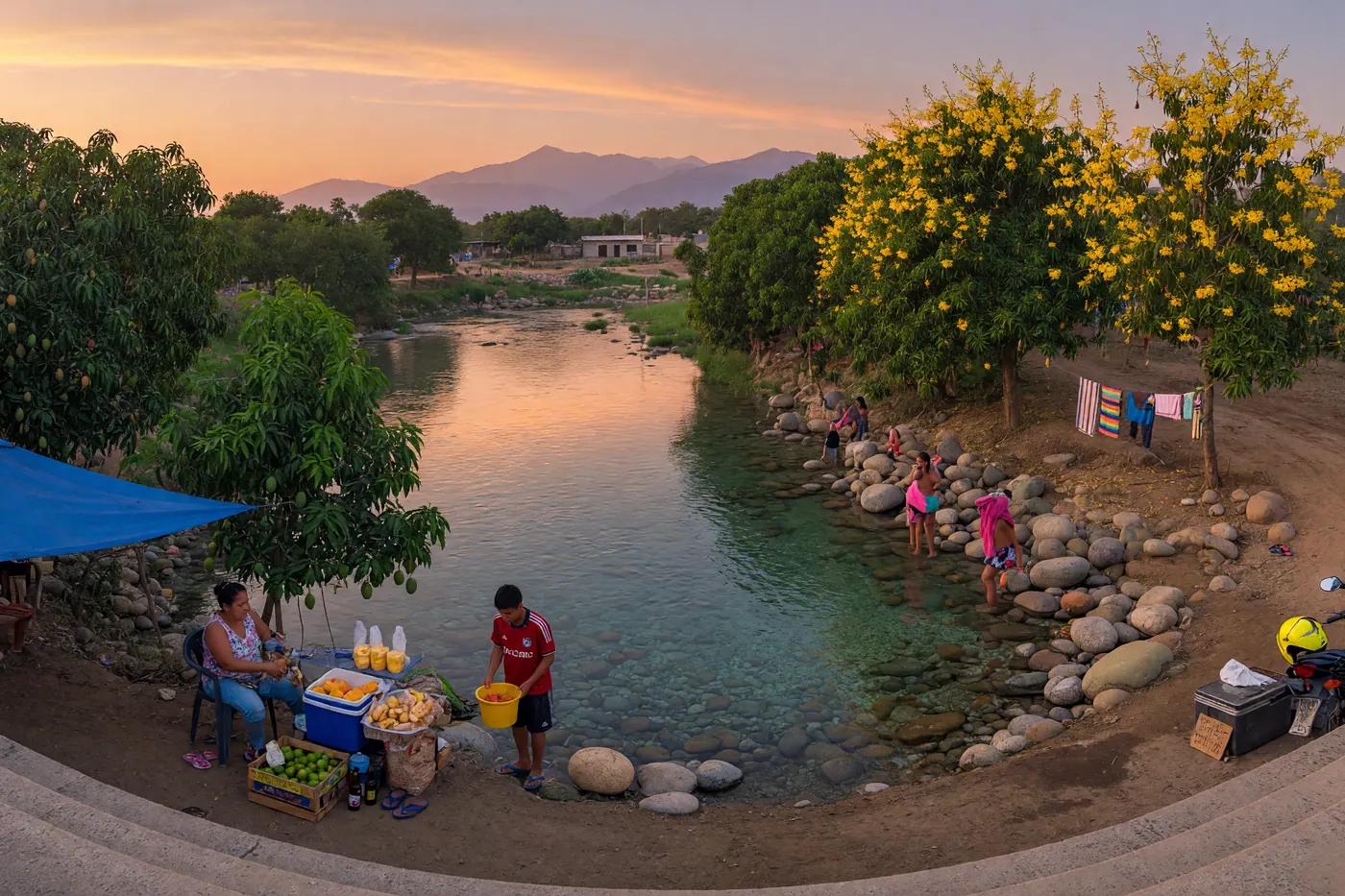
Valledupar is famous throughout Colombia for being the cradle of vallenato, but moving here involves much more than listening to accordions at the end of April. If you are planning to settle in the capital of Cesar in 2026, you will find a city of contrasts: cool afternoons bathing in the Guatapurí River, streets adorned with yellow cañaguate trees, and, to be honest, a heat that will test your tolerance and your electricity budget.
Unlike those who come only for a visit to enjoy the Vallenato Festival, living in Valledupar requires understanding very specific local dynamics. From choosing the right neighborhood to knowing how to manage public utilities, this guide tells you the reality of living in the "Valley of the Cacique Upar" this year. If you want to see real options right now, you can view apartments and houses on Colombia Move — posting is completely free.
The Real Cost of Living in 2026: Rent and Utilities
One of the great advantages of Valledupar compared to other coastal capitals is its relative price stability. At the beginning of 2026, the city recorded one of the lowest annual inflation rates in Colombia, standing at 3.49% according to DANE. This has helped keep the cost of the basic food basket in check, benefiting from the agricultural proximity of the Sierra Nevada and the Serranía del Perijá.
However, the housing and utilities landscape has its own challenges:
Rent and the Legal Cap
If you plan to rent, you should know that the maximum legal increase for urban housing rents in 2026 is 5.1% (based on the 2025 CPI). This cap, regulated by Law 820 of 2003, only applies when your contract reaches 12 months. With the minimum wage (SMMLV) set at COP 1,750,905 for 2026, rents in the city remain competitive if you compare them with Cartagena or Barranquilla, but they vary drastically depending on the socioeconomic stratum (estrato).
The Reality of the Climate and the Energy Bill
This is where the cost of living skyrockets. Valledupar has a hot, dry tropical climate. Although the average hovers between 28°C and 35°C, extreme heat waves in mid-2026 have pushed thermometers to touch 38°C and even 40°C. This makes air conditioning no longer a luxury, but a basic necessity.
Watch out for this: high temperatures have caused recurring overloads in the electrical system operated by Afinia, resulting in preventive cuts and rationing in several sectors of the city. Furthermore, when the power fails, the water pumping from Emdupar is sometimes interrupted as well. Your energy bill will undoubtedly be one of the heaviest expenses in your monthly budget.
Neighborhood Guide: Where to Live According to Your Lifestyle
Valledupar has grown quite a bit, and the choice of neighborhood will largely dictate your experience in the city, especially in terms of safety and comfort.
Novalito (Estrato 6): Exclusivity and History
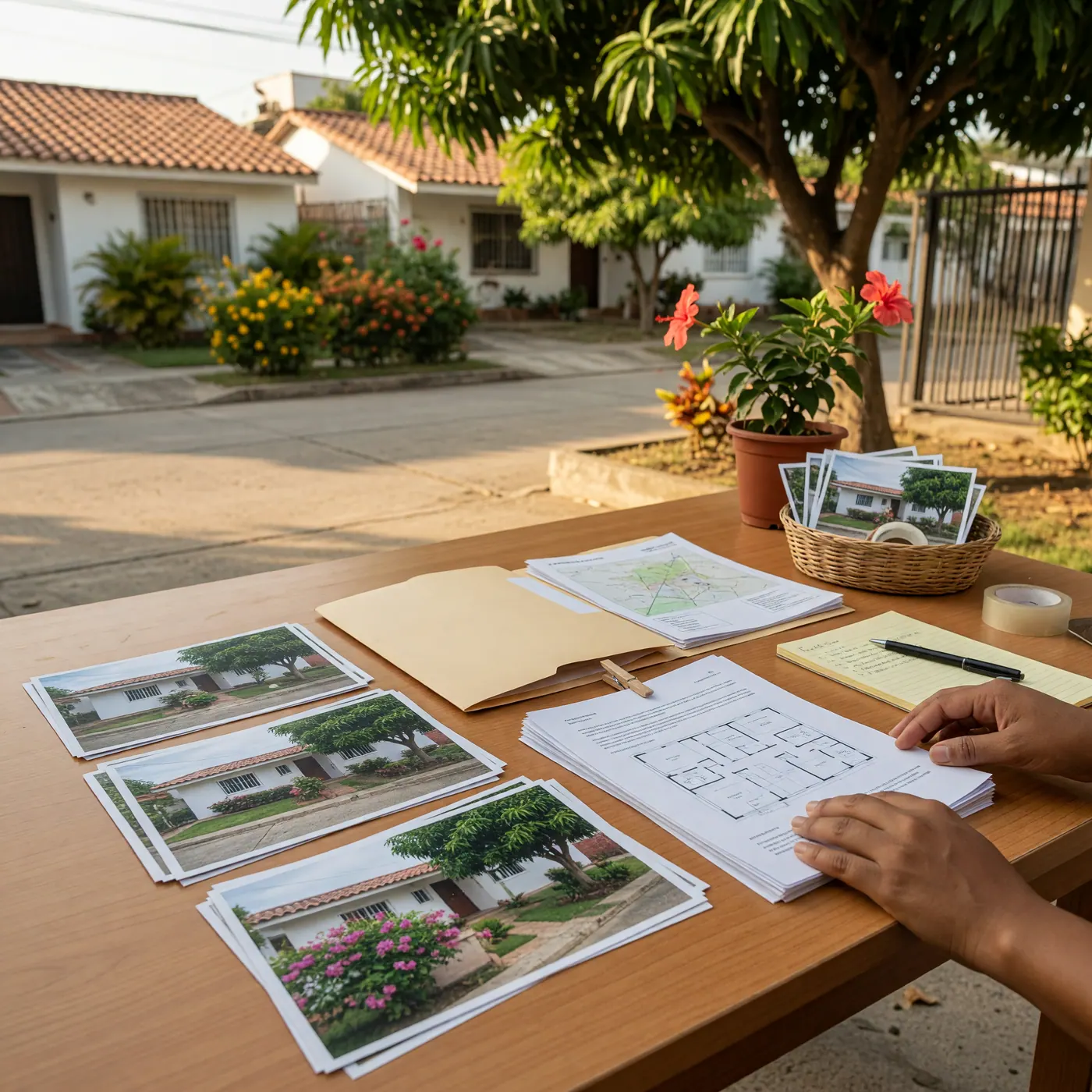
It is the most traditional and exclusive residential sector in the city, home to artists and traditional families. A curious fact that few outsiders know is the origin of its name: it is said to come from a popular local cart pusher named Manuel González Triana, who was nicknamed "Nova Lito." Living here means wide streets, large houses, plenty of shade from mango trees, and high rental prices.
Northern and Northeastern Corridor (Estratos 4 and 5)
If you are moving with a family, this is probably your best option. Areas like Los Cortijos, San Joaquín, and the new developments toward the north are full of gated communities. Families prefer these condominiums because they offer swimming pools (vital for the heat) and 24/7 private security, mitigating safety concerns.
Affordable Options (Estrato 2)
If you are looking to maximize your income, estrato 2 neighborhoods like La Victoria, El Amparo, or Sabanas del Valle offer much more accessible options. In these areas, you can find rents that average between $500,000 and $600,000 COP per month. However, check the ventilation of the home well, as the heat is felt strongly in these sectors.
A Look at Safety
As in any intermediate city, safety is a matter of concern. According to recent data from the "Valledupar Cómo Vamos" survey, communes 3 and 4 record the highest rates of perceived insecurity, mainly due to street robberies. I would skip renting in peripheral areas without private security; the peace of mind of a gated community in the north is worth the price difference.
Living in Valledupar with Children
The city is fantastic for family life if you know how to take advantage of the hours. Local parks, such as the Parque de Los Algarrobillos or the immense Parque de la Leyenda Vallenata, come to life after 5:00 p.m., when the sun goes down and the breeze picks up. On weekends, the Hurtado resort on the Guatapurí River is the natural escape par excellence to cool off under the shade of the trees.
Equipping Your New Home Without Overpaying
Moving to a city that is relatively far from the country's major production centers has a hidden cost: freight. Ordering furniture, cribs, or bulky items from Bogotá or Medellín is extremely expensive.
If you are moving with small children, the local second-hand market is your best ally. According to active ads on Colombia Move (June 2026), there are currently 0 listings in the baby stroller and car seat category in Valledupar, which shows that demand far exceeds supply. There are many families looking for children's items and many others with things stored away that they no longer use.
Conclusion
Valledupar is a city that embraces you with its culture and its people, but it demands adaptation. Unlike the cold climate you would find when living in Pasto, here the sun dictates the rhythm of life. If you manage to balance the cost of electricity, choose a safe sector, and integrate into the calm rhythm of the city, you will discover an excellent place to watch your family grow with a quite reasonable cost of living for 2026.
Frequently Asked Questions
❓ What is the maximum that rent can increase in Valledupar in 2026?
The maximum legal increase for urban housing contracts is 5.1%, equivalent to the accumulated CPI of 2025. It can only be applied upon reaching 12 months from the signing of the contract or from the last increase.
❓ What are the best neighborhoods to live in Valledupar with children?
The gated communities of the North and Northeast Corridor, as well as the traditional neighborhoods of San Joaquín and Los Cortijos, are ideal due to their private security, green areas, and proximity to good schools.
❓ How does the climate in Valledupar affect the cost of utilities?
With temperatures that easily exceed 35°C, the use of air conditioning is essential. This significantly increases the energy consumption billed by Afinia, making electricity a major expense.
❓ How safe is Valledupar to live in today?
Safety varies greatly depending on the district. While the residential sectors in the north have robust private surveillance systems, districts 3 and 4 report a higher perception of insecurity due to street theft.
❓ Where can I buy or sell used baby items in Valledupar?
You can use the Babies and Children category on Colombia Move to post strollers, cribs, and children's clothing for free. This allows for direct and secure transactions between neighbors, saving on expensive national shipping costs.

Comments
Loading comments...
Checking sign-in status...