
How to sell used clothes, shoes, and accessories in Colombia
Used clothing does sell in Colombia if the listing shows the size, condition, and measurements. I will show you how to photograph, describe, price, and where to post.
IDIOMA DEL ARTÍCULO
Showing original language
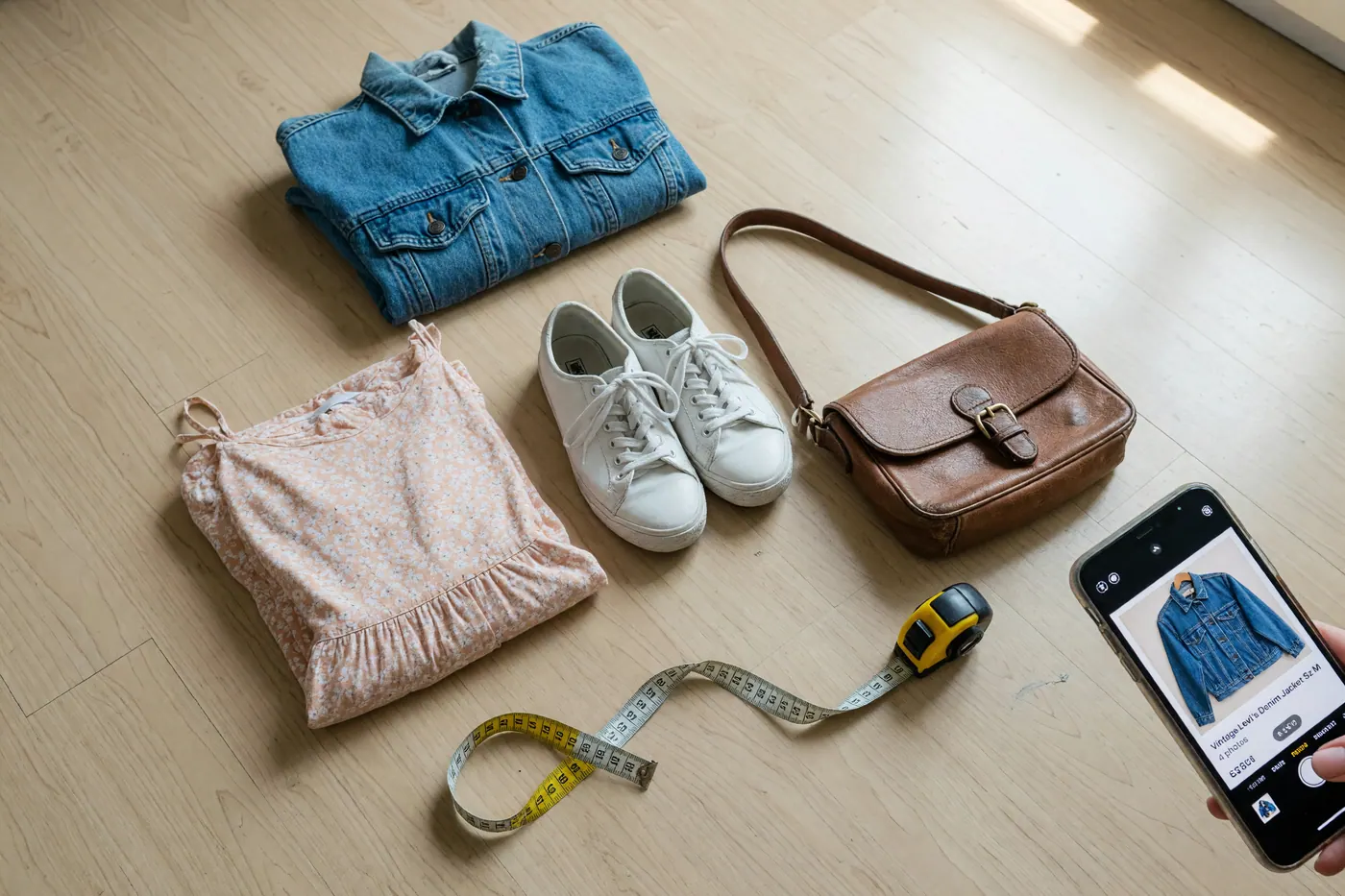
A few months ago, I helped a friend clear out her closet. She had about forty items she hadn't worn in years: a pair of sneakers she’d barely touched, two leather handbags, and dresses she’d only worn once. Her plan was to give everything away because, according to her, “used clothes don’t sell.” Three weeks later, she had made a good chunk of change, and the only thing that changed was how we posted them.
That’s the part almost no one talks about: used clothes, shoes, and accessories do sell in Colombia, but the buyer needs to see clear sizes, conditions, and measurements before writing to you. When the listing doesn’t answer those questions, people scroll past without asking a thing. If you want to see real options right now, you can see farms and lots available on Colombia Move — posting is completely free.
In this guide, I’ll show you how to turn what you have stored away into listings that actually get messages: what to sell individually versus in bundles, what photos to take, how to describe the actual condition, and how to price it without overshooting or giving it away.
What you should know first
- Used clothing sells fast when the listing shows the size, measurements, and actual condition from the very first line.
- Clear photos (front, back, tag, and any flaws) reduce repetitive questions and haggling.
- Price is determined by comparing similar items currently listed, not by what it cost when new.
- Selling individually makes more money; selling in bundles is faster when you want to get rid of everything.
- Let them check the item before any payment and protect your personal information.
What to sell individually and what to sell in bundles
Not everything deserves its own listing. A brand-name jacket, sneakers in good condition, or a leather handbag sell better alone, with their own description and photos, because each one attracts a different buyer and justifies a better price.
Lower-value items—basic t-shirts, baby clothes they grow out of in weeks, simple accessories—perform better in bundles. A “5-t-shirt size M combo” or a “bundle of baby girl clothes for ages 2 to 3” sells fast because the buyer feels they are getting a lot for a little. The simple rule: if a single item doesn't justify the effort of making a listing, group it with others like it.
Photos that answer questions before they are asked
Photos do almost all the selling. You don’t need equipment: with daylight near a window and a neutral background—a white wall, a neatly made bed—that’s enough. Take these basic shots:
- Front and back of the full item, laid flat and wrinkle-free.
- The tag with the size and, if present, the brand.
- A close-up of the texture or material.
- Any flaws: a stain, a loose seam, wear on the sole. Showing it builds more trust, not less.
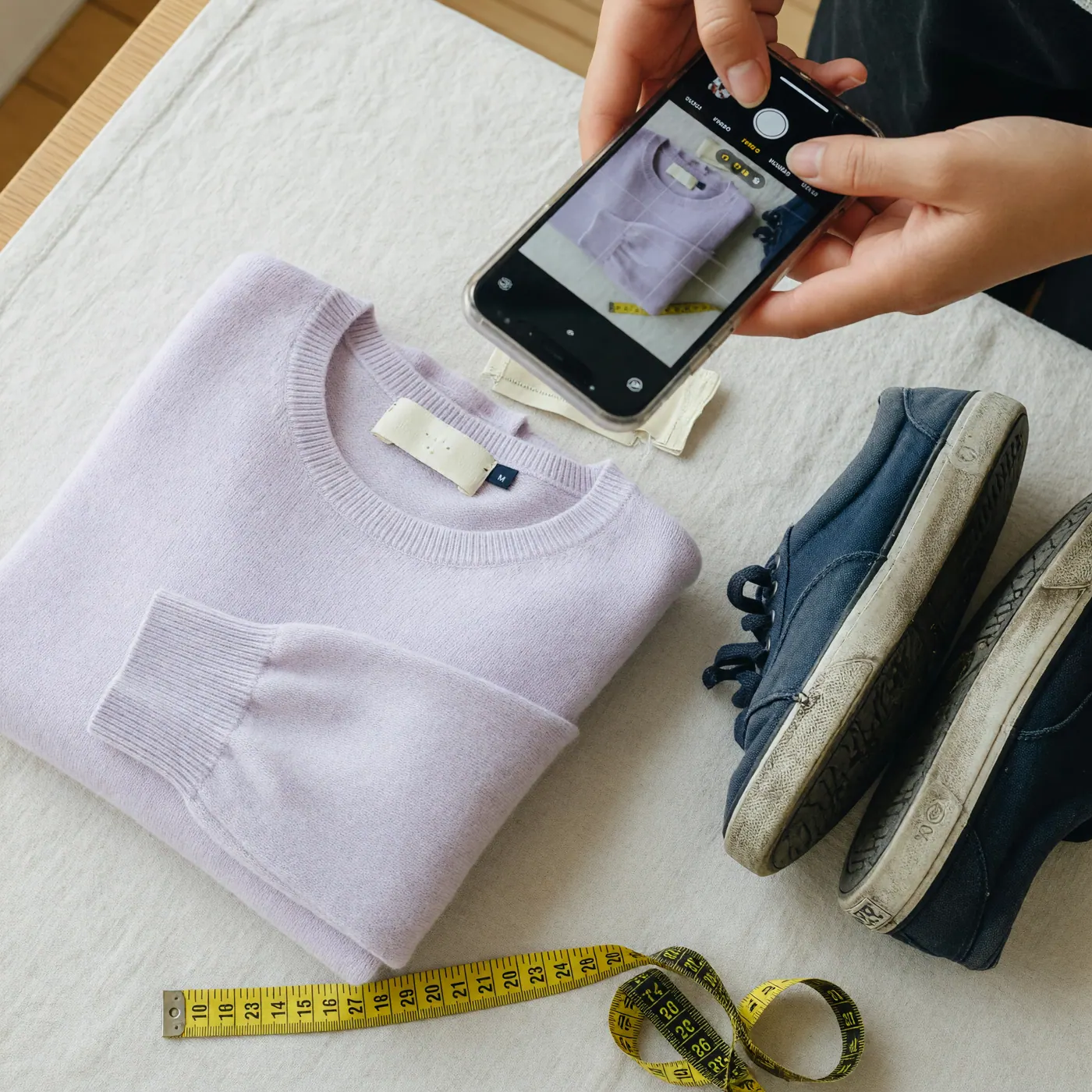
For shoes, add a photo of the sole and the toe, which is where wear shows the most. For handbags, show the inside, zippers, and corners. The buyer who sees the flaw and still writes to you is a serious buyer, and those are the ones who close the deal.
Size, measurements, brand, and condition: the data that builds trust
This is where most listings fail. “Cute blouse, rarely worn” tells no one anything. The marked size doesn’t always match how it fits, so real measurements are your best ally. This is the minimum your description should state:
- Marked size and type (S/M/L, numerical, EU/US for shoes).
- Measurements with a tape measure: bust or chest, waist, and total length; for shoes, the internal length of the insole in centimeters.
- Brand and, if you remember, the material of the garment.
- Honest condition: new with tags, like new, good condition with minor flaws, or for repair.
- Reason for selling (“it’s too small for me,” “I changed sizes”), which puts the buyer at ease.
Write the condition exactly as it is. Hiding a flaw to sell for more almost always backfires: the buyer arrives, notices it, and leaves, or asks for a discount right there. Honesty in writing saves you that argument and leaves you with a better rating for next time.
How to price it without inflating it
The most common mistake is pricing based on what it cost new. The second-hand buyer doesn’t care about that; they care about what similar items are currently listed and in what condition they are.
Look at three or four active listings for something similar—same category, similar brand, similar condition—and position yourself in that range. If you want to sell fast, price yourself on the lower end. If the item is special (good brand, barely used, hard to find), you can ask for a little more, but always leave a margin for haggling: here, almost everyone offers less than the listed price.
- Avoid: writing “giveaway price” without a number, calculating based on the original price, or ignoring the condition when comparing.
- Do: compare active listings, leave room for negotiation, and lower the price if nothing happens after a week.
In-person delivery, shipping, and payments with common sense
The delivery method determines how many people write to you. For lightweight items, offering shipping broadens your reach; for bulky or high-value items, in-person delivery at a busy spot usually works better.
A couple of rules that have saved me headaches: let them check the item before paying, be wary of anyone who insists on “overpaying” or sends a strange receipt, and do not share personal data or passwords. The National Police recommends using reliable pages and apps and protecting your information when buying and selling online. If you are shipping, agree on who pays for it and save the tracking number.
This is not legal advice or a warranty: a sale between individuals does not work the same way as buying from a formal store, so come to a clear agreement from the start regarding condition, delivery, and payment.
Where to post your used clothing
You have several options, and none are magic; what changes is the type of buyer and how much work you have to do:
Facebook Marketplace and sales groups give you a lot of local reach, but you have to filter out curious onlookers and repeat the same thing in chats (and it’s best to follow the platform’s rules). MercadoLibre works well when you are going to sell with shipping: it allows you to list used products for free up to a certain annual limit, with exceptions depending on the type of listing or user, so check their conditions and commissions carefully before listing. WhatsApp groups for your neighborhood or work are quick for simple things. And Colombia Move is a free option, with direct contact, no commission, and designed so that your listing is understood in both Spanish and English.
You can post directly in the corresponding category: women's clothing, men's clothing, shoes o accessories. If you want to compare all platforms to sell used items in general, this is helpful guide on where to sell used things without paying commission.
Example of a good listing
To make it look professional, here is how I would describe a pair of used sneakers:
White sneakers size 38 (EU) – good condition
- Brand and model, color, and size 38 EU; 24.5 cm inner insole so you can measure your foot.
- Condition: good condition, with slight wear on the sole (photo included); the rest is impeccable.
- Reason: they were too small for me, I used them only a few times.
- In-person delivery or shipping with the shipping label paid for by the buyer; payment upon inspection.
Compare that with “almost new sneakers, cheap.” The first one receives messages from people ready to buy; the second receives a “price?” and then silence. If you want the complete formula for describing items, see how to write a listing that actually generates messages, and to handle chats without being glued to your phone, check out how to reply on WhatsApp without spam.
Selling what you no longer use doesn't have to be a struggle. Take good photos, write down the size, measurements, and real condition, set a competitive price, and choose where to post. Start with the three items taking up the most space, and you will see it moves faster than you think.
Frequently asked questions
❓ Where can I sell used clothes in Colombia?
You have several options: Facebook Marketplace and sales groups, MercadoLibre to sell with shipping, WhatsApp groups, and free platforms like Colombia Move. For occasional sales, groups and free apps are usually enough; if you sell often, a platform where you can gather all your listings in one profile is better.
❓ How do I set a price for used clothes or shoes?
Compare three or four active listings of similar items in brand, size, and condition, and place yourself in that range; do not base the price on what you paid for it new. Leave a margin for haggling, because almost everyone will offer less, and confirm current prices in 2026 before setting yours, as they change with the season.
❓ What photos do I need to sell used clothes?
A phone and daylight are enough: front and back of the garment laid flat, the size tag, a close-up of the material, and a photo of any defect. For shoes, add the sole and the toe; for bags, the interior and the corners. Showing real details attracts serious buyers.
❓ Is it better to sell by the lot or piece by piece?
It depends on the item and how much of a hurry you are in. Brand-name clothing or items in very good condition sell better alone and yield more money; basics, baby clothes, or simple accessories sell better as a bundle. If a single item doesn't justify a listing, group it with similar ones.
❓ Is it safe to sell via WhatsApp or Marketplace?
It can work well, but it is not automatically safe. Always allow the garment to be inspected before payment, be wary of strange payments or anyone wanting to “overpay,” and do not share personal data or passwords. The National Police maintains a current guide for buying and selling online using trustworthy pages and apps.
❓ Does MercadoLibre charge for selling used clothes?
According to their official help, MercadoLibre allows posting used products for free up to a certain annual limit, with exceptions depending on the type of listing or user. Conditions change, so confirm the commissions and rules on their site before posting (consulted in 2026).



Comments
Loading comments...
Checking sign-in status...