
1% Tax Deduction on Electronic Invoices in Colombia: How Expats Lower DIAN Income Tax
Foreign tax residents filing Form 210 in Colombia can legally reduce their taxable income base by claiming a 1% deduction on personal purchases backed by electronic invoices. Here is how to request, track, and report them correctly.

IDIOMA DEL ARTÍCULO
Showing original language
When you settle in Colombia as an expatriate, remote worker, or foreign retiree, dealing with the Dirección de Impuestos y Aduanas Nacionales (DIAN) often feels like navigating a labyrinth of paperwork. However, one of the most practical and legally guaranteed tax breaks available to individual residents requires nothing more than asking for the right kind of receipt at the checkout counter.
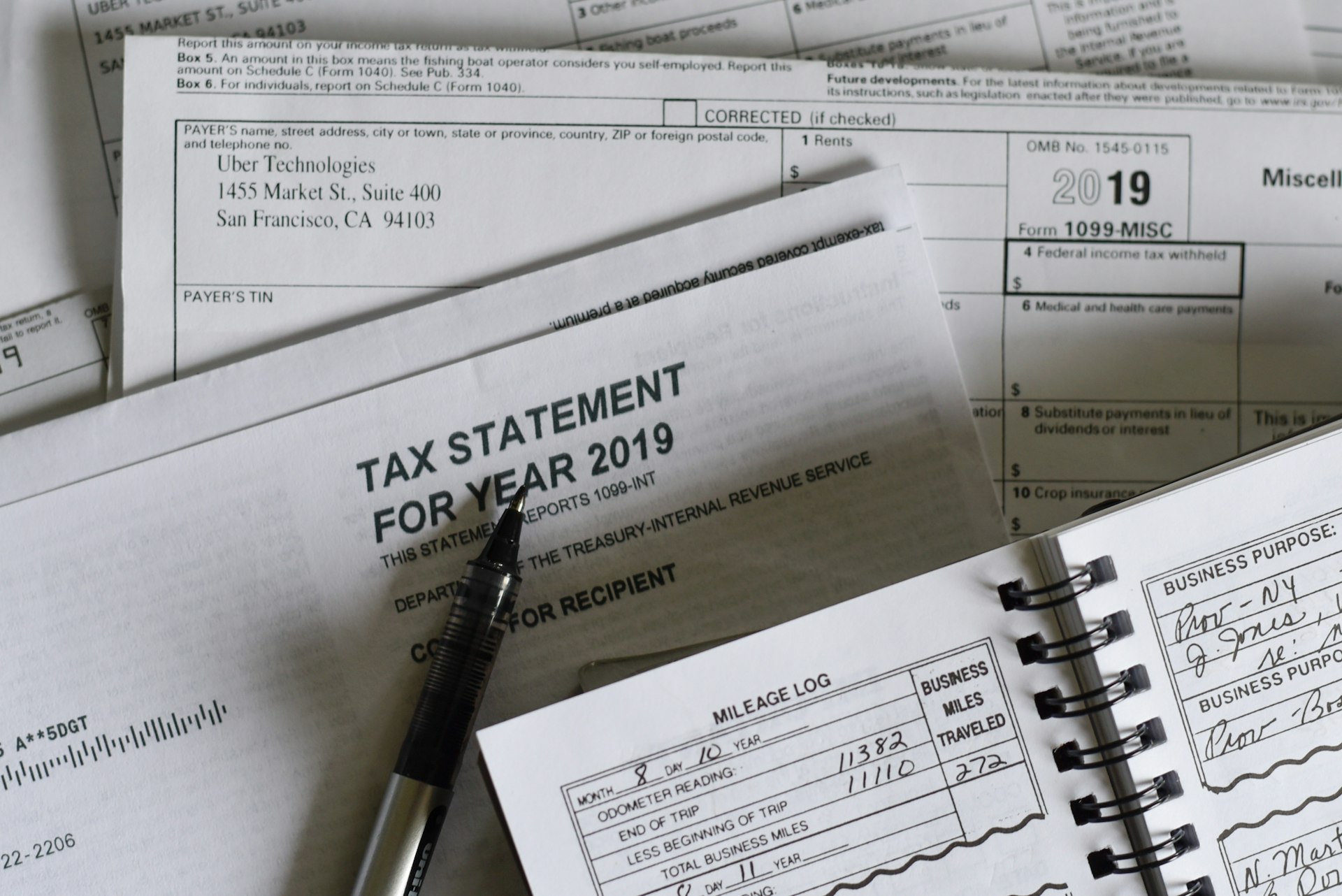
Introduced by Article 7 of Law 2277 of 2022 and codified in Article 336, Numeral 5 of the Colombian Tax Statute (Estatuto Tributario), this incentive allows tax residents to deduct 1% of the value of goods and services purchased throughout the tax year, provided those expenses are properly supported by electronic invoices (Factura Electrónica).
Quick Tax Insight: This benefit is a deduction from your net taxable income base, not a direct cash rebate or tax credit. If you are preparing your annual filing, check our comprehensive DIAN Form 210 Guide for Foreign Residents alongside our overview of Colombia Tax Obligations for Expats.
The 1% Tax Deduction Explained: Deduction vs. Credit
Before gathering your receipts, it is essential to understand the fiscal mechanics of this rule. Under Colombian tax law, this 1% incentive is a deduction (deducción), not a tax credit (descuento tributario). A tax credit reduces your final tax bill peso-for-peso; a deduction reduces your taxable gross income before your progressive tax rate (ranging from 0% to 39%) is applied.
For example, if you spend COP 100,000,000 across qualifying personal expenses in a year, 1% equals COP 1,000,000. That COP 1,000,000 is subtracted from your net general basket (Cédula General). If your marginal tax rate sits at 28%, that deduction translates to COP 280,000 in direct tax savings.
More importantly, this provision offers two unique structural advantages:
- No Causal Connection Required: Unlike standard business deductions, personal living expenses qualify. The statute explicitly specifies that expenses can be deducted sin que tenga relación de causalidad con la actividad productora de renta (without requiring a direct link to your income-producing activity). Your groceries, laptop upgrades, restaurant dinners, home appliances, and gym memberships all count.
- Exempt from the Standard 40% Cap: Standard personal exemptions and deductions are strictly capped at 40% of your net income or 1,340 UVT. The 1% electronic invoice deduction sits entirely outside this 40% ceiling, providing pure tax relief even if your standard deductions are already maxed out.
Who Qualifies? The Resident Rule
Not everyone shopping in Colombia can take advantage of Article 336-5. The incentive is restricted to taxpayers who meet strict residency parameters:
| Tax Status | Filing Form | Eligible for 1% Deduction? | Key Requirement |
|---|---|---|---|
| Foreign Tax Resident | Formulario 210 | Yes | Present in Colombia 183+ days in any continuous 365-day window; declares under Cédula General. |
| Non-Resident Property Owner | Formulario 110 | No | Physical presence under 183 days; taxed on Colombian-source income only. |
| Tourist / Casual Visitor | None | No | Not registered in the Colombian tax system. |
| Simple Regime (RST) | RST return | No | Pays flat gross revenue rates; general deductions do not apply. |
To claim this deduction, you must hold an active RUT (Registro Único Tributario) with an assigned NIT (Número de Identificación Tributaria), which for foreigners is linked to your Cédula de Extranjería. If you haven't registered your tax identity yet, consult our step-by-step guide to obtaining your RUT in Colombia.
The 5 Golden Rules of an Eligible Invoice
The DIAN's audit algorithms will automatically reject deductions that do not meet statutory compliance. To ensure your purchases count toward your annual tax relief, every transaction must adhere to these five criteria:
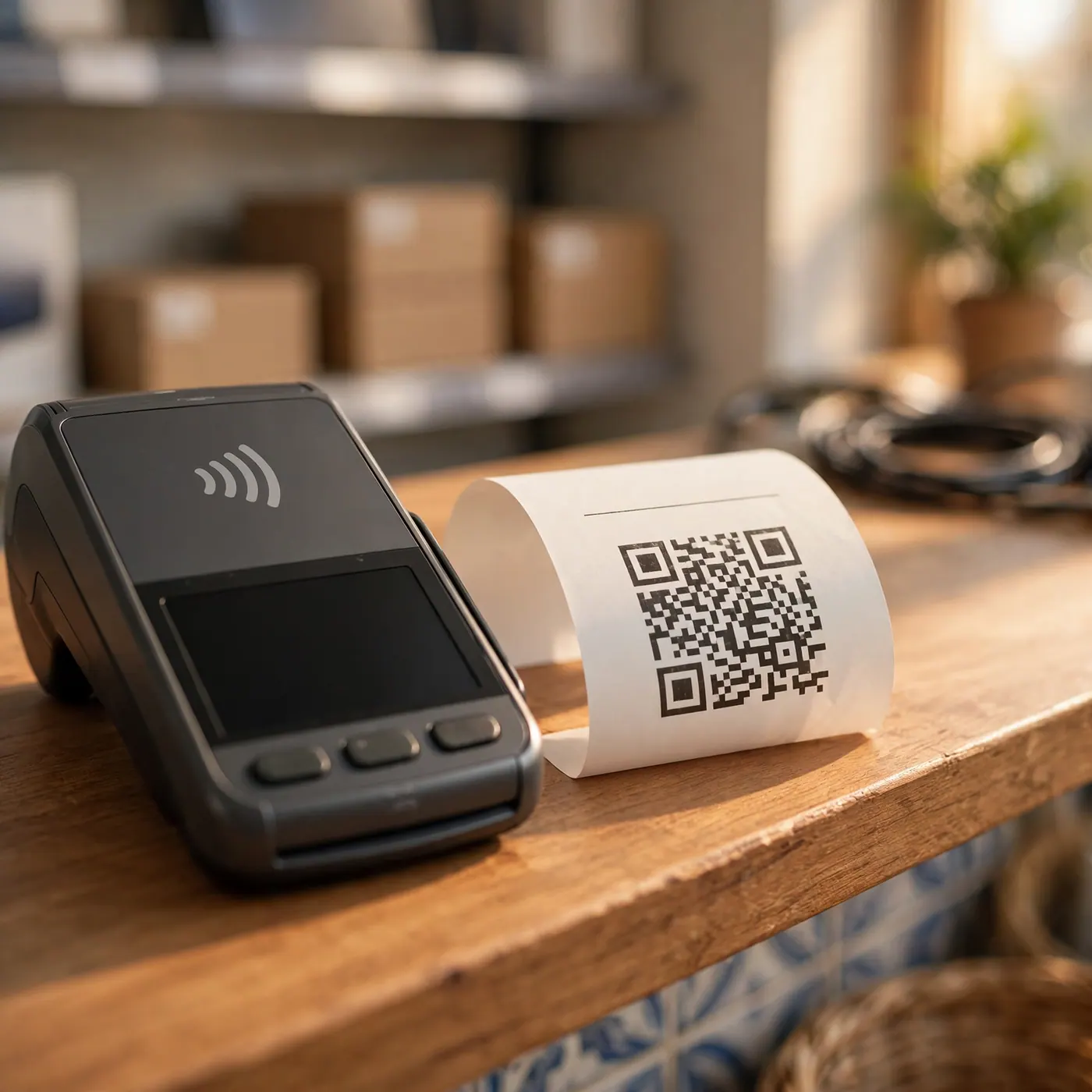
- Official Electronic Invoice: The document must be an official Factura Electrónica de Venta con validación previa, featuring a unique cryptographic code called a CUFE (Código Único de Factura Electrónica) and an official DIAN QR code. Standard paper register slips (tirillas POS sin factura electrónica) do not qualify.
- Identified with Your Personal NIT: Invoices issued to anonymous consumers—commonly registered under generic ID numbers like 222222222222 (Consumidor Final)—are legally disqualified. The invoice must clearly display your full legal name and your Colombian NIT / Cédula de Extranjería.
- Electronic Payment Channel: Cash transactions are categorically excluded by law. You must pay via financial mechanisms overseen by the Superintendencia Financiera de Colombia: local or international debit cards, credit cards, PSE transfers, or regulated digital wallets (such as Nequi or Daviplata).
- VAT-Inclusive Calculation Base: Under official DIAN doctrine (Concepto Nº 379 of May 23, 2024), the 1% deduction is calculated on the total purchase price including VAT (IVA), provided you have not claimed that VAT as an input tax credit on a separate commercial return.
- Domestic Sourcing: The invoice must originate from a vendor legally registered and obligated to issue electronic billing in Colombia. International receipts (such as purchases on Amazon US or foreign software subscriptions billed abroad) lack DIAN cryptographic validation and cannot be claimed.
Statutory Caps and UVT Calculations
The deduction is legally capped at 240 UVT (Unidades de Valor Tributario) per tax year. The UVT is adjusted each calendar year by official DIAN resolution to reflect inflation.
For 2026 tax planning, DIAN Resolución 000238 of 15 December 2025 set the UVT at COP 52,374, so the maximum allowable deduction under Article 336-5 is COP 12,569,760 (240 × COP 52,374) for that year only. To hit this maximum deduction, a taxpayer would need qualifying annual purchases totaling approximately COP 1,256,976,000. That peso ceiling moves when DIAN publishes the next annual UVT, so keep the legal limit stated as 240 UVT and convert it with the resolution for the year you are filing.
How to Request a Factura Electrónica at Checkout
Many retail clerks in supermarkets, home stores, and electronics outlets automatically print a standard POS cash register ticket unless you specifically request an electronic invoice before payment is processed.
When you step up to the register, simply state: "Por favor, ¿me genera factura electrónica a mi cédula?"
The merchant will typically ask for three pieces of information:
- Your Cédula de Extranjería or NIT number.
- Your full legal name.
- Your email address (where the DIAN validation XML and PDF copy are sent).
Pilas with your delivery and ride-hailing apps: One of the easiest ways expats lose out on this deduction is leaving default billing profiles unconfigured. On delivery apps such as Rappi, open your account settings and update your tax information. If left blank, these platforms default to issuing invoices to "Consumidor Final," discarding your deduction.
Similarly, for home internet or telecommunications accounts, ensure the contract is registered in your personal name and NIT rather than your landlord's, as DIAN automatically assigns the deduction to whoever is named on the service invoice.
How the DIAN Logs Your Deductions on Form 210
One of the strongest advantages of the Colombian electronic invoicing rollout is automation. You do not need to save stacks of physical paper. Every time a vendor generates an electronic invoice with your NIT, the document is transmitted directly to DIAN servers in real time.
When preparing your annual tax return on the DIAN MUISCA portal:
- Log in using your NIT and password, then access the Consulta de Documentos Electrónicos module. Here, you will see an aggregated ledger of every validated invoice issued in your name throughout the year.
- On the suggested or draft Formulario 210 (2026 instructivo), your total qualifying purchases appear in Casilla 299, while your 1% statutory deduction is populated in Casilla 28.
- Manual Overrides: While the DIAN system pre-populates these boxes, Box 28 remains editable. Under Concepto DIAN 738 of 2024, if a vendor mistakenly keyed in "Efectivo" (Cash) on an invoice that you actually paid with a credit or debit card, you do not lose the deduction. You and your accountant can manually include that invoice in Box 28, provided you retain your bank statement showing the matching electronic transaction.
Big-Ticket Purchases vs. The Pre-Owned Market
For most foreign professionals working remotely or managing investments from Colombia, the largest single electronic invoices come from technology and workstation investments. Buying a laptop, ultra-wide monitor, or high-end smartphone from national retailers generates immediate electronic invoices with substantial VAT components—all contributing to your Box 28 deduction pool.
According to active listings on Colombia Move (September 2026), the electronics section shows 7 active computer listings and 10 active phone listings. Those counts are the second-hand side of the same upgrade cycle: a private seller generally cannot issue a pre-validated Factura Electrónica, so a peer-to-peer purchase does not feed the 1% deduction.
However, keep in mind how the rules apply to the secondary market. If you buy pre-owned gear from private individuals on community forums or local classifieds, informal sellers cannot issue a pre-validated Factura Electrónica, so those purchases cannot be deducted. Conversely, when you upgrade your setup, selling your previous laptop or phone through peer-to-peer channels like our electronics section allows you to recoup maximum cash value without platform fees or unnecessary sales friction.
Frequently Asked Questions
❓ Can any foreigner in Colombia claim the 1% electronic invoice deduction?
No, only foreigners who qualify as Colombian tax residents can claim it. You must reside in Colombia for more than 183 days in a continuous 365-day period and file Form 210 under the Cédula General. Non-residents filing Form 110 are strictly ineligible (DIAN, accessed 2026).
❓ Is the 1% benefit a cash refund or direct tax credit?
No, it is a tax deduction from your taxable income base. It reduces the net general income upon which your progressive income tax rates are calculated, rather than subtracting directly from your final tax liability peso-for-peso (Ley 2277 of 2022).
❓ What is the statutory limit on how much I can deduct annually?
The deduction is legally capped at 240 UVT per tax year under Article 336-5. Because the UVT value is indexed annually by the DIAN, multiply 240 by the official UVT for that tax year to determine the exact Colombian peso limit (DIAN, accessed 2026).
❓ Does this deduction count toward the standard 40% cap on personal deductions?
No, it sits entirely outside the standard 40% or 1,340 UVT aggregate ceiling. Article 336 numeral 5 explicitly excludes this 1% invoice deduction from general limits, meaning it delivers full tax-reduction value even if your other deductions are maxed out (Ley 2277 of 2022).
❓ Can I pay in cash and still claim the deduction?
No, cash payments are completely excluded by law. You must pay using an electronic method overseen by the Superintendencia Financiera, such as debit cards, credit cards, PSE transfers, or certified digital wallets like Nequi or Daviplata (Estatuto Tributario Art. 336, accessed 2026).
❓ Do everyday expenses like groceries, dining, and household goods qualify?
Yes, all everyday personal goods and services qualify. The law does not require an economic causal relationship to your income, so grocery runs, electronics, clothing, and dining count as long as an official electronic invoice is issued to your personal NIT (Ley 2277 of 2022).



Comments
Loading comments...
Checking sign-in status...