
Temporary rental subsidy under Resolution 869 of 2026: requirements, amount, and coverage
The national government issued Resolution 869 of 2026 to provide temporary rental subsidies of up to $875,453 per month to affected families in 7 departments. We explain the requirements, official channels, and how to avoid scams.
IDIOMA DEL ARTÍCULO
Showing original language
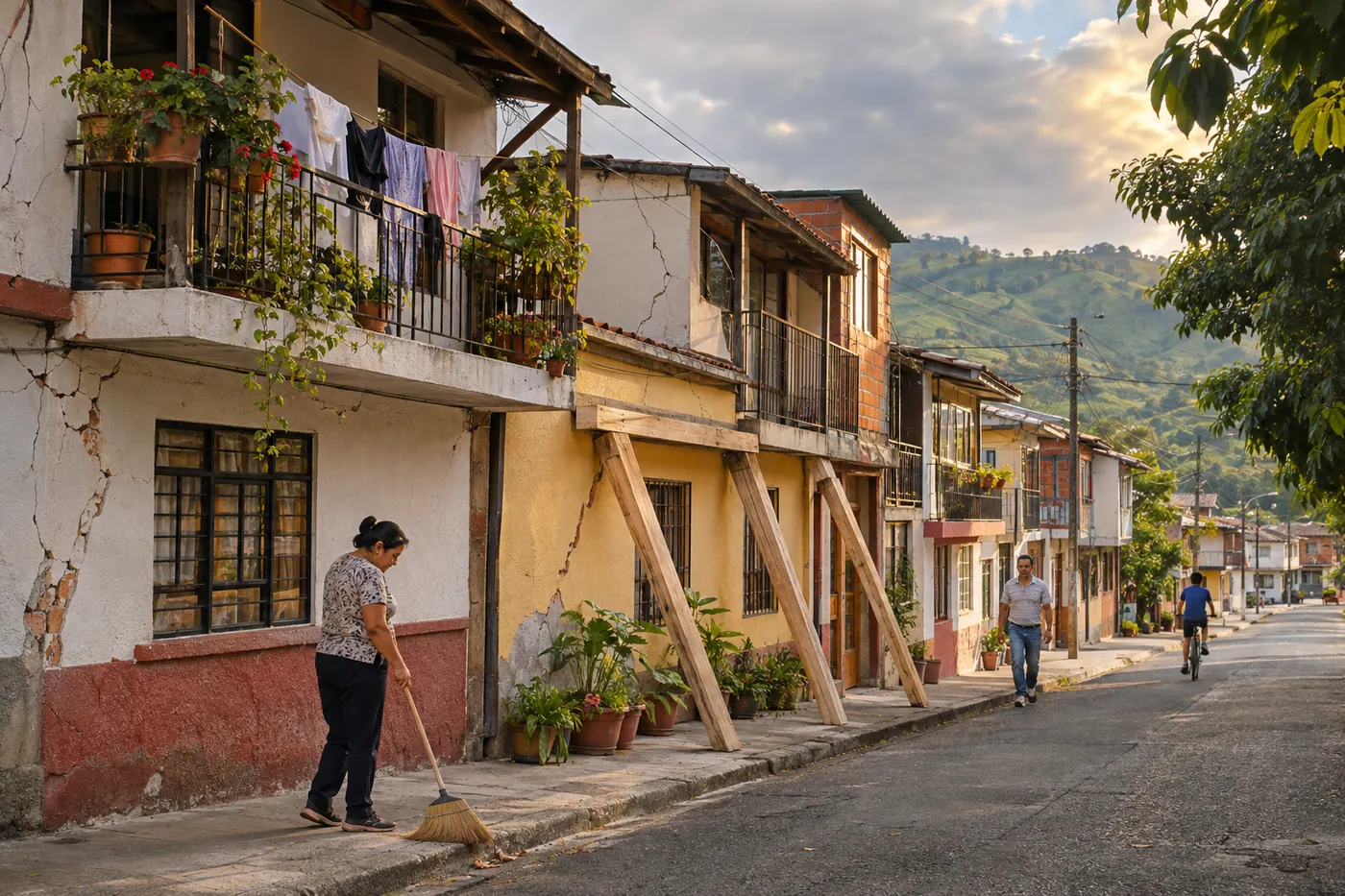
On November 19, 2026, the Ministry of Housing, the Ministry of Labor, and the Superintendence of the Family Allowance Subsidy signed the Resolution 869 of 2026, publicly announced on November 20, to deliver extraordinary subsidies for temporary rent, new housing, and home improvement to households affected by the earthquake of August 10, 2026, and its aftershocks (Minvivienda, November 2026). If your home suffered structural damage or you had to temporarily vacate it, this regulation defines how much money covers the monthly aid, who can apply, and through which channels the process will be handled.
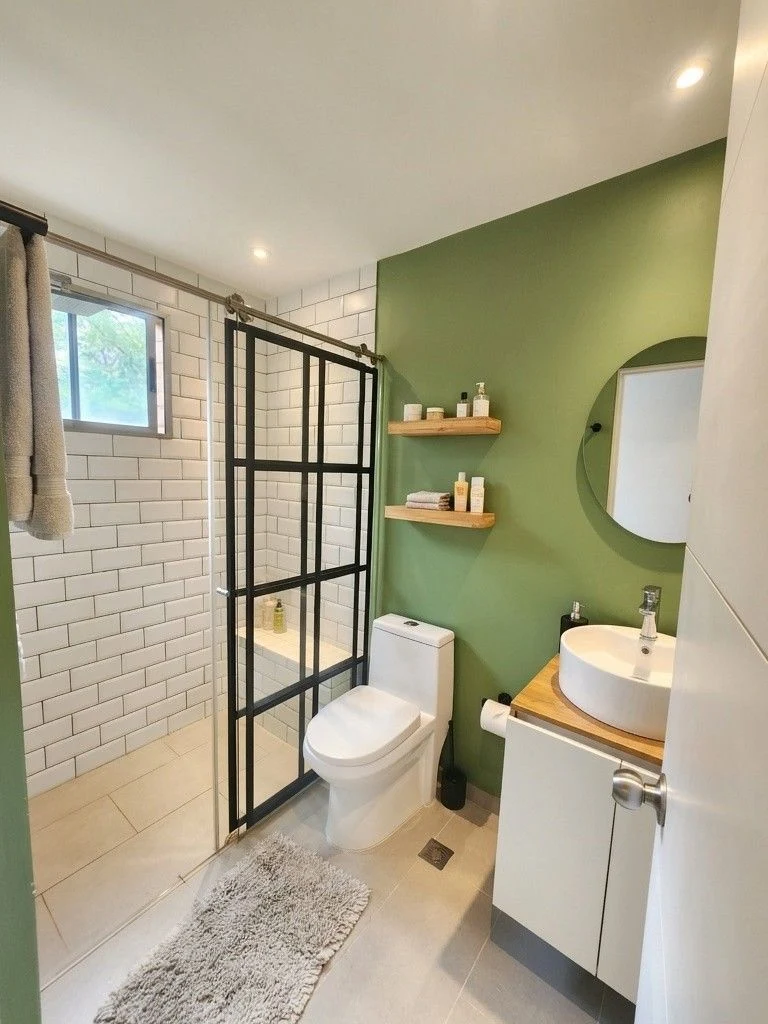
While family allowance funds and Fonvivienda set up the calls for applications, many families need to find housing quickly, and landlords are looking for serious tenants without paying brokerage commissions. In the housing section of Colombia Move you can explore direct listings for houses, apartments, and rooms, or publish your property commission-free with direct contact via WhatsApp.
Quick answer:
- Temporary rent amount: up to 0.5 times the monthly minimum wage (0.5 SMMLV) ($875,453 with the 2026 minimum wage of $1,750,905).
- Maximum duration: up to 12 months, with direct payment to the landlord.
- Coverage: 7 prioritized departments (Valle del Cauca, Risaralda, Chocó, Quindío, Caldas, Cauca, and Antioquia).
- Official channels: your family allowance fund (if you are affiliated) or Fonvivienda (if you are not).
- Current status (November 27, 2026): no application opening date or registration link has been announced yet.
What is Resolution 869 of 2026 and which departments does it cover
Resolution 869 of 2026 regulates extraordinary housing measures within the framework of the emergency caused by the earthquake of August 10, 2026 (Minvivienda, 2026). The regulation contemplates three types of support for affected households: temporary rental subsidy, new housing subsidy, and home improvement subsidy, although the specific amounts published in the regulation correspond to the temporary rent subsidy.
The focus is on seven departments that account for 98% of the registered victims: Valle del Cauca, Risaralda, Chocó, Quindío, Caldas, Cauca, and Antioquia. The funds come from the Mandatory Fund for Social Interest Housing (FOVIS). Although the total estimated appropriation of FOVIS in 2026 amounts to $1.66 trillion, it is key to clarify that this figure refers to the general fund and is not an exclusive pot for the earthquake: each family allowance fund will allocate between 7.5% and 10% of their monthly FOVIS appropriations for these aids.
How much the temporary rent subsidy pays and for how long
The temporary rent subsidy covers up to half the current legal monthly minimum wage (0.5 SMMLV). Since the 2026 SMMLV was set at $1,750,905 according to Decree 1469 of 2025, the monthly cap equals $875,453 (Portafolio, November 2026).
The benefit is granted for a maximum of 12 months and the allocation can be made until December 31, 2027. Unlike other cash aids, the fund or Fonvivienda does not give the money to the tenant but directly to the landlord. The first payment is transferred within 10 calendar days following the subsidy assignment, and subsequent disbursements are made every 30 days.
A practical point worth noting: if the agreed rent exceeds $875,453, the household assumes the difference. Additionally, receiving this temporary rent is not incompatible with applying later for a housing acquisition or improvement subsidy.
Requirements to access the subsidy
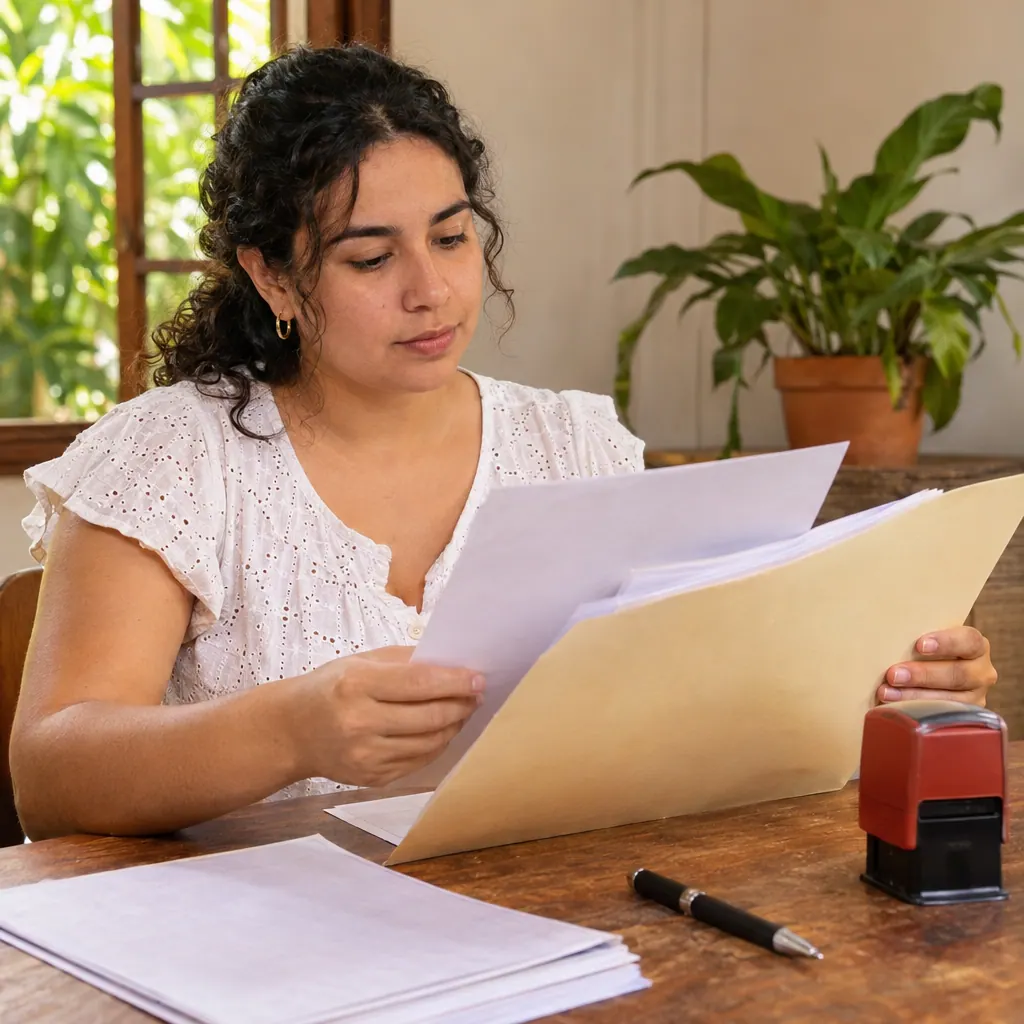
According to the text of the resolution (Minvivienda, 2026), interested households must meet four main conditions:
- Be registered and accredited in the Unique Registry of Victims (RUD) or in official complementary accreditation mechanisms.
- Have total family income lower than 4 SMMLV.
- Have a document or certificate issued by the competent territorial authority accrediting that the habitual housing was destroyed, suffered structural damage, is uninhabitable, or has a temporary evacuation order due to the earthquake.
- Not be receiving another rental subsidy simultaneously.
The frustrating part in these emergencies is that many households believe the process is automatic: meeting the requirements does not guarantee immediate assignment, as it depends on the resource availability of each fund or Fonvivienda and the priority order established in the call for applications.
How to apply to your family allowance fund or Fonvivienda
The application channel depends on whether any household member is affiliated with a family allowance fund:
- Affiliated households: submit the request directly to their family allowance fund.
- Non-affiliated households (informal or independent without a fund): process the application with Fonvivienda.
- Document preparation: have ready the RUD certificate, the housing damage certificate issued by the competent authority, income proofs, and, where applicable, the details of the property you will rent.
As of the publication date of this article (November 27, 2026), no official application opening date or single registration link has been announced; exact dates will depend on each family allowance fund and Minvivienda's announcements.
Scam alert: beware of fake links and messages
Every time an emergency subsidy is released, scammers appear looking to steal data or money. The National Unit for Disaster Risk Management (UNGRD, 2026) and Radio Nacional de Colombia have warned about fake emails, text messages (SMS), and WhatsApp chains that impersonate official entity logos or transfer networks to promise supposed pending subsidies to claim.
Watch out for these fraud signals:
- No housing or rental subsidy requires paying commissions, registrations, or prior transfers to "secure" the spot.
- Do not fill out forms sent via shortened links from WhatsApp or SMS, nor hand over bank passwords.
- Verify any call for applications only at minvivienda.gov.co, on the verified channels of your family allowance fund, or at Fonvivienda.
Differences with the regular rental subsidy from the funds
It is easy to confuse this emergency measure with the regular rental subsidy from family allowance funds, but they are distinct programs in amount, duration, and scope:
| Feature | Regular subsidy (Decree 775 of 2025) | Emergency subsidy (Resolution 869 of 2026) |
|---|---|---|
| Target population | General affiliates according to program requirements | Households affected by the August 10 earthquake in the RUD |
| Maximum amount | Up to 0.6 SMMLV monthly | Up to 0.5 SMMLV monthly ($875,453 in 2026) |
| Maximum duration | Up to 24 months | Up to 12 months |
| Territorial coverage | Whole country through funds | 7 prioritized departments |
For landlords: how the direct transfer works and how to offer your property
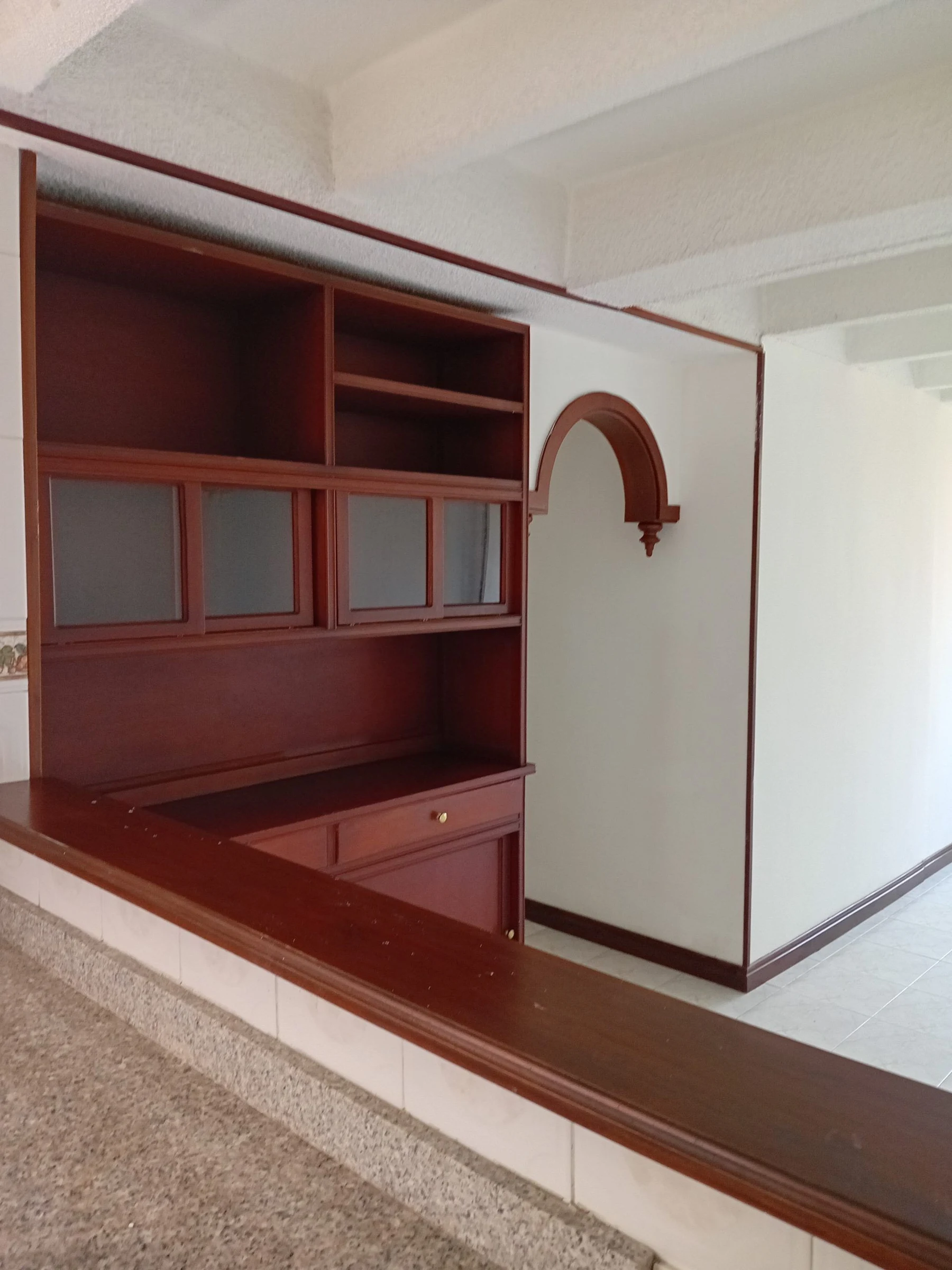
If you have a house, apartment, or room available in any of the seven covered departments, this mechanism can give you payment security: once the tenant's application is approved, the family allowance fund or Fonvivienda transfers the subsidy directly to your account, with the first disbursement in 10 calendar days and subsequent ones every 30 days.
For the process to flow smoothly, prepare a formal rental contract, have your property ownership documents clear, and define from the start the total monthly value including administration, as we explain in our guide on renting directly with the owner and calculating the total monthly cost. If the tenant comes from an emergency and cannot find a traditional guarantor, it is also useful to review these alternatives for renting without a guarantor in Colombia and compare options for affordable rent.
In practice, both buyers and sellers or landlords lose entire days in informal groups full of haggling and repeated messages. Publishing a clear listing with real photos, monthly rent, and property rules speeds up direct conversation via WhatsApp and avoids misunderstandings before signing.
Frequently asked questions
❓ How much does the temporary rent subsidy from Resolution 869 of 2026 pay?
The subsidy covers up to half the monthly minimum wage (0.5 SMMLV), equivalent to $875,453 per month in 2026, for a maximum of 12 months. The money is transferred directly to the landlord, and the first payment is made within 10 calendar days after assignment (check the official source).
❓ Who can access the temporary rent subsidy for the earthquake?
Households affected by the August 10, 2026 earthquake in Valle del Cauca, Risaralda, Chocó, Quindío, Caldas, Cauca, and Antioquia can apply. They must be registered in the RUD, have income below 4 SMMLV, and have a certificate of destroyed, damaged, or temporarily evacuated housing (check the official source).
❓ How do I apply and when do registrations open?
If you are affiliated with a family allowance fund, you must apply through it; if you are not affiliated, the process is handled by Fonvivienda. As of November 27, 2026, no official opening date or registration link has been announced, as each fund will define its own call for applications (check the official source).
❓ How do I process the subsidy with confidence and avoid fraud?
Use only the verified channels of your family allowance fund, Fonvivienda, or the official portal minvivienda.gov.co to check calls for applications. Be suspicious of emails, SMS, or WhatsApp chains with external links or requests for money, as no official entity charges for brokerage or registration (check the official source).
❓ Does receiving the temporary rent prevent me from asking for a new housing or improvement subsidy later?
No, receiving the temporary rental subsidy from Resolution 869 of 2026 is not incompatible with subsequently accessing a new housing acquisition or improvement subsidy. What the regulation does prohibit is receiving two rental subsidies simultaneously (check the official source).
❓ Where can I publish an apartment or house for rent to reach interested parties directly?
You can publish your property in the Colombia Move housing section to show photos, location, and clear contract conditions. This way, interested families write to you directly via WhatsApp to coordinate visits and documentation without intermediaries.
❓ How does this aid differ from the regular rental subsidy from the funds?
The regular subsidy from Decree 775 of 2025 provides up to 0.6 SMMLV for a maximum of 24 months to affiliates nationwide. In contrast, Resolution 869 of 2026 grants up to 0.5 SMMLV for 12 months exclusively to earthquake victims in seven departments (check the official source).
Sources
- Minvivienda – Government will deliver rent and housing subsidies to families affected by the earthquake
- Minvivienda – Resolution 0869 of 2026 (Regulation)
- Minvivienda – Resolution 0869 of 2026 (Full text PDF)
- Portafolio – Earthquake victims will be able to receive up to $875,453 for rent
- Procuraduría – Decree 1469 of 2025 (2026 SMMLV)
- UNGRD – Temporary economic support and scam alert for victims
Comments
Loading comments...
Checking sign-in status...