
How to Sell Your Farm Without a Real Estate Agent in Colombia
Farms have procedures that apartments don't have: rural deeds, property lines, UAF, easements. This guide shows you how to sell it directly, with the correct documents and at the right price.
IDIOMA DEL ARTÍCULO
Showing original language
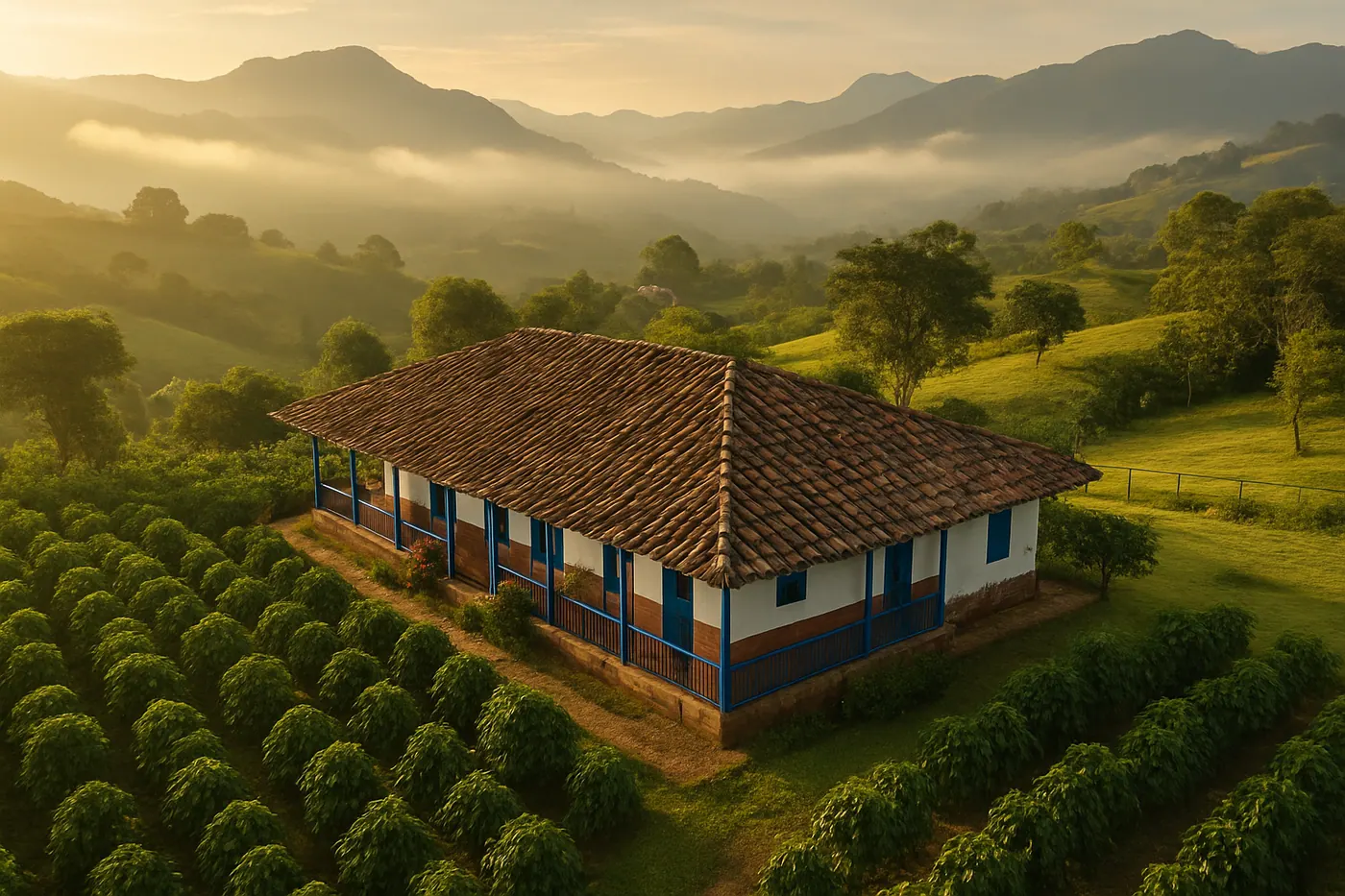
Don Héctor, a coffee farmer from Southwest Antioquia, wrote to me a few months ago. He had inherited an 18-hectare farm with coffee and sugarcane in Andes, and the first proposal he received was from a real estate agency: 'We'll appraise it, list it, and charge you 4% when it closes.' On a farm valued at $780 million COP, that was over $31 million in commission, plus VAT.
I helped him set up the process. Four months later, he sold directly to an investor from Medellín he found through a Facebook group for coffee farms. He paid for the notary, handled the capital gains tax where applicable, and saved the entire commission. Was it more work? Yes. Was it worth it? He doesn't even ask. If you want to see real options right now, you can see farms and lots available on Colombia Move — posting is completely free.
Selling a farm without an intermediary is more complex than selling an apartment — rural deeds are different, property lines sometimes don't match the cadastral records, easement rights aren't always clear, and buyers of productive farms want to see the numbers before committing. But with documentation in order and a clear process, any owner can handle it.
How much do you save selling without an intermediary?
Real estate agencies in Colombia charge between 3% and 5% of the property value, paid by the seller. In the farm market, where prices range from $150 million to several billion pesos, the savings are real:
Recreation farm in Guatapé, $400M COP: 3% commission → $12,000,000 + VAT = $14,280,000. Productive coffee farm in Andes, $780M COP: 4% commission → $31,200,000 + VAT = $37,128,000. Cattle farm in Córdoba, $1,200M COP: 3% commission → $36,000,000 + VAT = $42,840,000.
The only valid reason to hire a real estate agency is if the property has serious title issues requiring specialized legal management, or if the owner is out of the country and can't attend viewings. Beyond that, any organized owner can sell directly.
The rural documents you need — and the ones that confuse
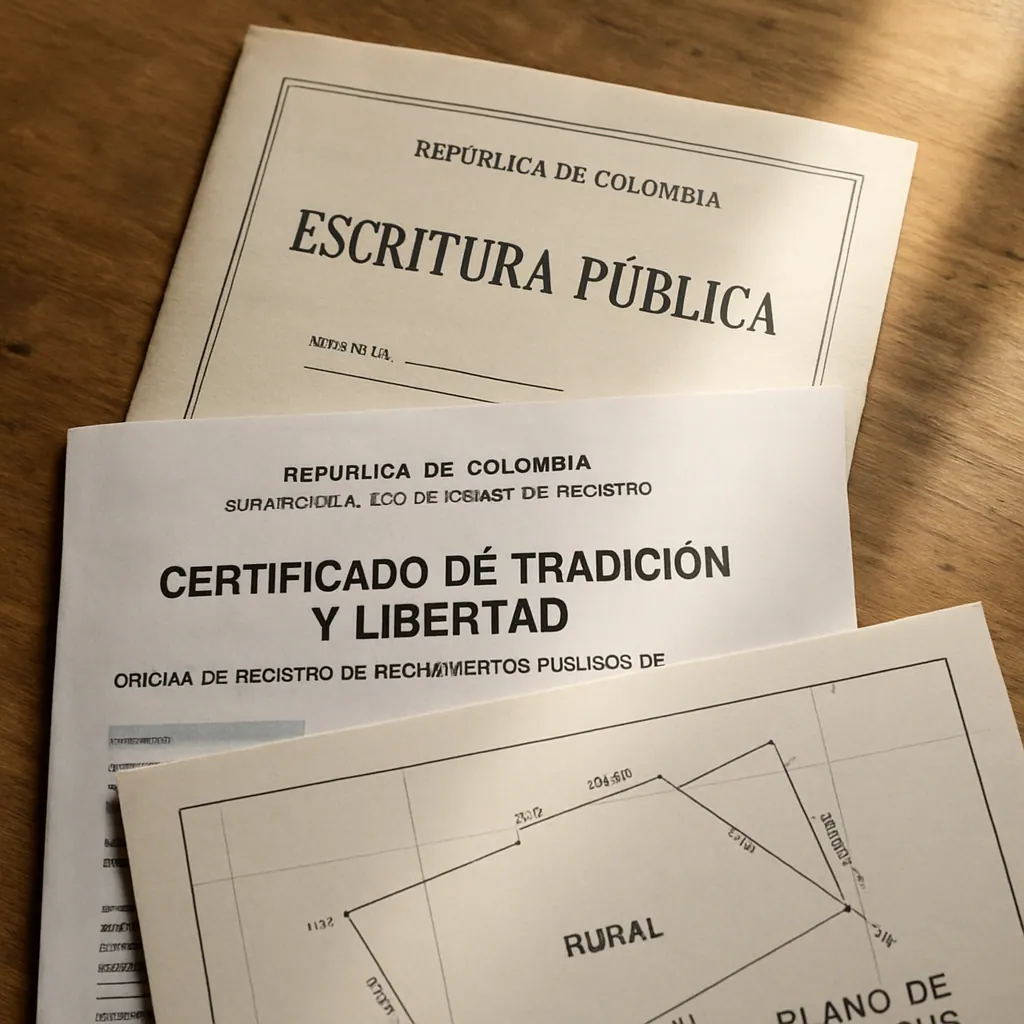
Here's the main difference with urban properties: rural properties have their own cadastral documentation, can have multiple registration folios, and property lines rarely match 100% with what the deed says. Before posting any listing, gather these documents:
Certificate of Tradition and Freedom
Issued by the Superintendency of Notaries and Registry (SNR). For rural properties, the registration folio can include fractions if there were previous partial divisions. Verify that you're requesting the certificate for the correct folio — in some municipalities there are properties with two or three associated folios.
Public deed of the property
The most recent one should match what the Certificate of Tradition says. If you bought with several accumulated deeds (one purchase, one inheritance, one later clarification), the buyer will want to see all of them. Missing one and the process stalls.
IGAC cadastral map
The Agustín Codazzi Geographic Institute has digitized the rural cadastre for most municipalities. The map shows official property lines, registered area, and neighboring properties. If the physical lines don't match the cadastral map, it's better to know before the buyer discovers it during the visit.
Property tax clearance certificate
Issued by the Municipal Treasury where the property is located. On rural properties the tax is usually low, but without the clearance certificate there's no deed.
Easements and right of way
Does a local road pass through the property? Are there aqueducts or electrical networks from third parties? If easements exist, they must be declared in the deed. If they're not registered but exist in fact, the seller has a legal obligation to disclose them. Concealing them can be grounds for contract nullification after closing.
UAF restriction (if the property has more than 10 productive hectares)
Law 160 of 1994 establishes that a rural property cannot be subdivided below the Family Agricultural Unit defined for that zone. It doesn't block the sale of the complete property, but the buyer needs to know if they intend to subdivide.
How to document production to justify the price
For productive farms — coffee, cattle, avocado, sugarcane — the price doesn't depend only on the land. It depends on what it produces. And for that production to sustain the price you're asking, you need to document it with more than words.
If you sell coffee to a cooperative or the National Federation of Coffee Growers, you have settlement statements for each delivery: quintals sold, price per arroba, total received. Two or three years of records are enough to show the actual yield of the coffee plantation.
For cattle, an updated inventory of livestock with brands, breeds and ages, plus the ICA certificate for vaccination against foot-and-mouth disease and brucellosis (mandatory and current), gives credibility to the price. A cattle buyer will ask for that document upfront.
On coffee farms larger than 5 hectares, a technical assessment from an FNC or Agrosavia agronomist — on crop condition, planting density and estimated yield — can cost between $200,000 and $500,000 COP and support a price 10–15% higher than you could achieve without technical backing.
The IGAC cadastral appraisal is the official value for tax purposes and is usually below market price. If you want a number backed technically that the buyer can use with a bank, an IGAC-certified appraiser can do the commercial appraisal. Useful when the buyer needs financing.
Where to post to reach serious buyers
The farm market is more concentrated than the apartment market and serious buyers are usually in specific channels.
FincaRaíz is the reference portal for rural properties in Colombia. OLX and Metrocuadrado also have volume. Colombia Move has a farms category where you can post for free and reach local and international buyers — especially useful if the farm has tourism or investment potential.
🌿 Post your farm on Colombia Move
Free, bilingual, and with local and international buyers. Reach an audience that traditional portals don't.
View farms category →Specialized Facebook groups — 'Farm Sales Colombia', 'Farms Antioquia', 'Coffee Farms Colombia' — are surprisingly active. Many buyers monitor them weeks before contacting formal portals.
In coffee or cattle municipalities, there are WhatsApp groups among farmers, merchants and local brokers. They're not real estate agencies — they're sector contacts who know who's looking to buy in that area. Ask at the cooperative or at the town's agricultural supply store.
And don't underestimate the physical sign. A 'FOR SALE' notice well placed at the entrance of the property and on the main road can generate contacts from regional buyers who don't use the internet to search for farms.
The property visit: how to prepare it
A visit to a farm is not like showing an apartment. It can last three hours. You have to walk the boundaries, see crops, check water sources, go up and down slopes.
Confirm the interested party's identity — full name and ID number — before coordinating the visit. In rural areas, people who 'are going to visit' sometimes are scouts for a family or company that wants to know the land before making an offer. That's fine, but you should know it.
Prepare a clear tour: first the crops or productive facilities, then the most important boundaries, then the house. Have the cadastral map printed to physically show the limits — buyers of productive farms always ask about the exact area.
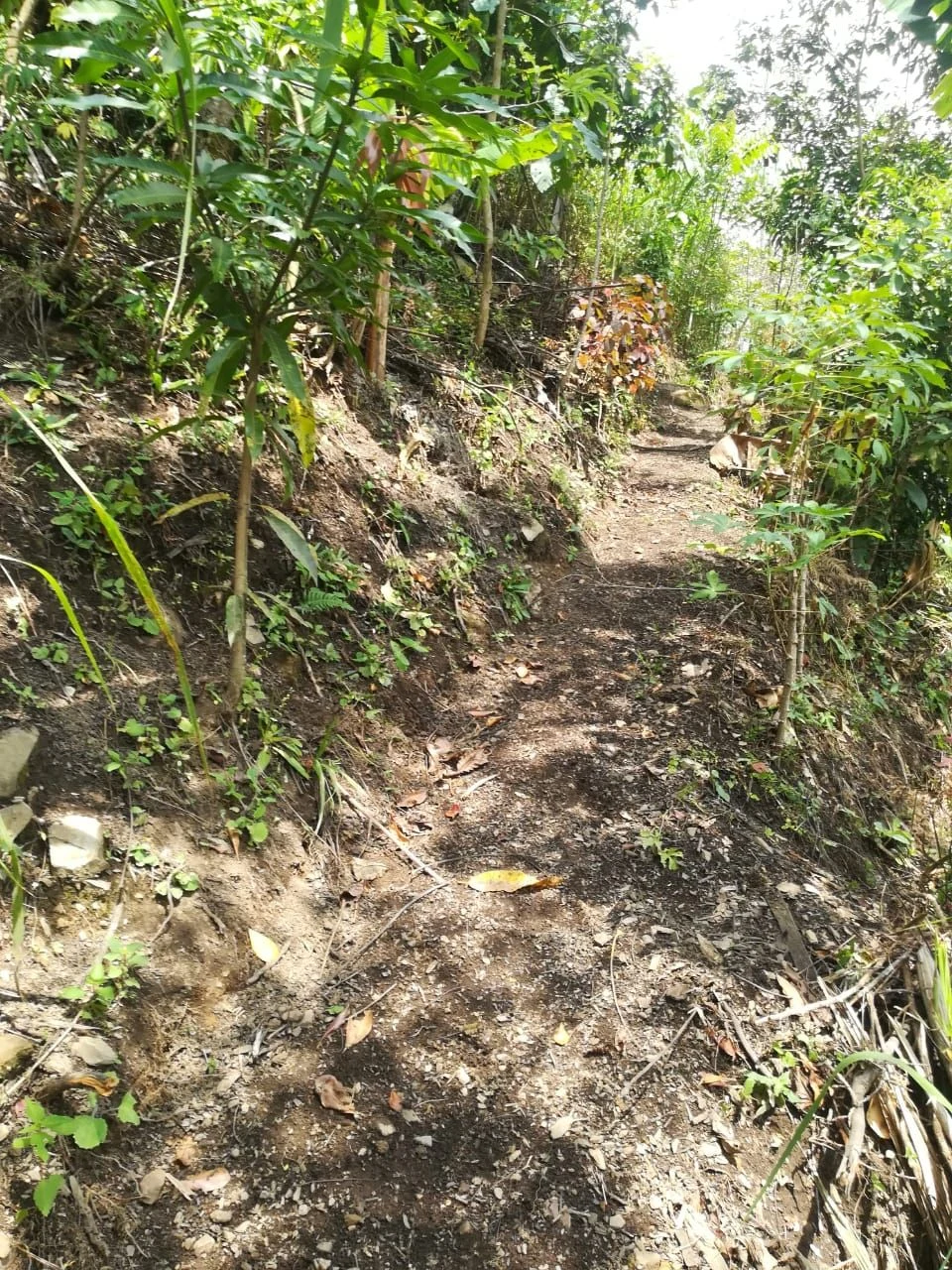
If access is difficult — road in poor condition, you need four-wheel drive — warn them in advance. A buyer who arrives in a sedan and gets stuck on the first pothole won't buy anything.
The legal process: promise, deed and costs
The closing of a rural sale follows the same scheme as an urban one, but with some important particularities.
The purchase promise is optional but recommended for high-value farms. It establishes the price, the form of payment, the date of deed execution and any special conditions — if there are crops that will be harvested before closing, or livestock that the seller is taking, all of that goes in the promise to avoid misunderstandings.
The deed is done at the notary's office. The notary verifies the Certificate of Title, the identity of the parties and calculates the taxes. Notary costs are calculated on the declared value of the property.
Costs borne by the seller: occasional gain tax of 15% on the profit if the farm has appreciated (your accountant can calculate if it applies or if there are exemptions based on time of ownership), and withholding tax that the notary withholds directly in some cases.
Notary expenses are divided by custom fifty-fifty, although it is negotiable. Registration with the SNR — from 0.5% to 1% of the property value — is the buyer's responsibility. Payment is made by bank transfer or manager's check at the time of the deed. No cash on the farm — watch out for that.
📖 Keep reading
Are you thinking about buying a farm instead of selling? Read our complete guide for buyers: procedures, areas, real prices and the entire legal process.
How to Buy a Farm in Colombia: Beginner's Guide →📖 Also in the series
Do you have an apartment you want to sell without paying commission? The process is simpler than with a farm — we explain it step by step.
How to Sell Your Apartment Without an Intermediary in Colombia →Frequently asked questions about selling a farm without a real estate agency
❓ Can you sell a farm without a public deed?
No. The transfer of real estate in Colombia requires a public deed granted before a notary and subsequent registration with the Superintendency of Notaries and Registration (SNR). There is no other legal way to transfer the ownership of a rural property.
❓ What happens if the farm's boundaries don't match the cadastral map?
It's more common than it seems. If the difference is small (less than 5% of the area), it can be clarified in the deed through a cadastral update. If the difference is significant, it may require a boundary survey and demarcation process before the IGAC or a civil judge, which can take several months.
❓ Can I sell a farm that is mortgaged?
Yes, but you must release the mortgage before or at the time of the deed. A common option is to use part of the sale price to directly cancel the mortgage debt to the bank during the deed execution — the notary coordinates the process.
❓ What is the UAF and why do buyers ask about it?
The Family Agricultural Unit is the minimum production area defined by the National Land Agency (ANT) for productive rural properties in each area of the country. Subdividing a property below the UAF is prohibited without authorization. It does not affect the sale of the complete property, but it limits the possibility of subdividing it later.
❓ Do I have to pay occasional gain tax if I sell my farm?
It depends. If you sell above the adjusted tax cost (purchase cost plus improvements, adjusted for inflation according to the DANE index), the difference is occasional gain taxed at 15%. If the farm was inherited or there are other special conditions, the rules change. Consult with your accountant before closing.
Ready to sell?
The process is not easy, but it is completely manageable if you have the documents in order from the beginning. The most common mistake is not ignoring the legal process — it's publishing without having the papers ready and losing serious buyers while you get them.
If you are going to sell your farm soon, start by requesting the Certificate of Title and Freedom this week. With that document in hand, you already know what you're working with. Do you have a particular situation — pending succession, property in a reserve zone, easement without deed? Leave your question in the comments or stop by the Colombia Move community at colombiamove.com/community — there are people who have been through the same thing.
Comments
Loading comments...
Checking sign-in status...