
How to list a farm for sale in Colombia and find serious buyers
Selling a farm isn't just about uploading pretty photos. This guide shows you what information to post, what documents to have ready, and how to filter for serious buyers.
IDIOMA DEL ARTÍCULO
Showing original language
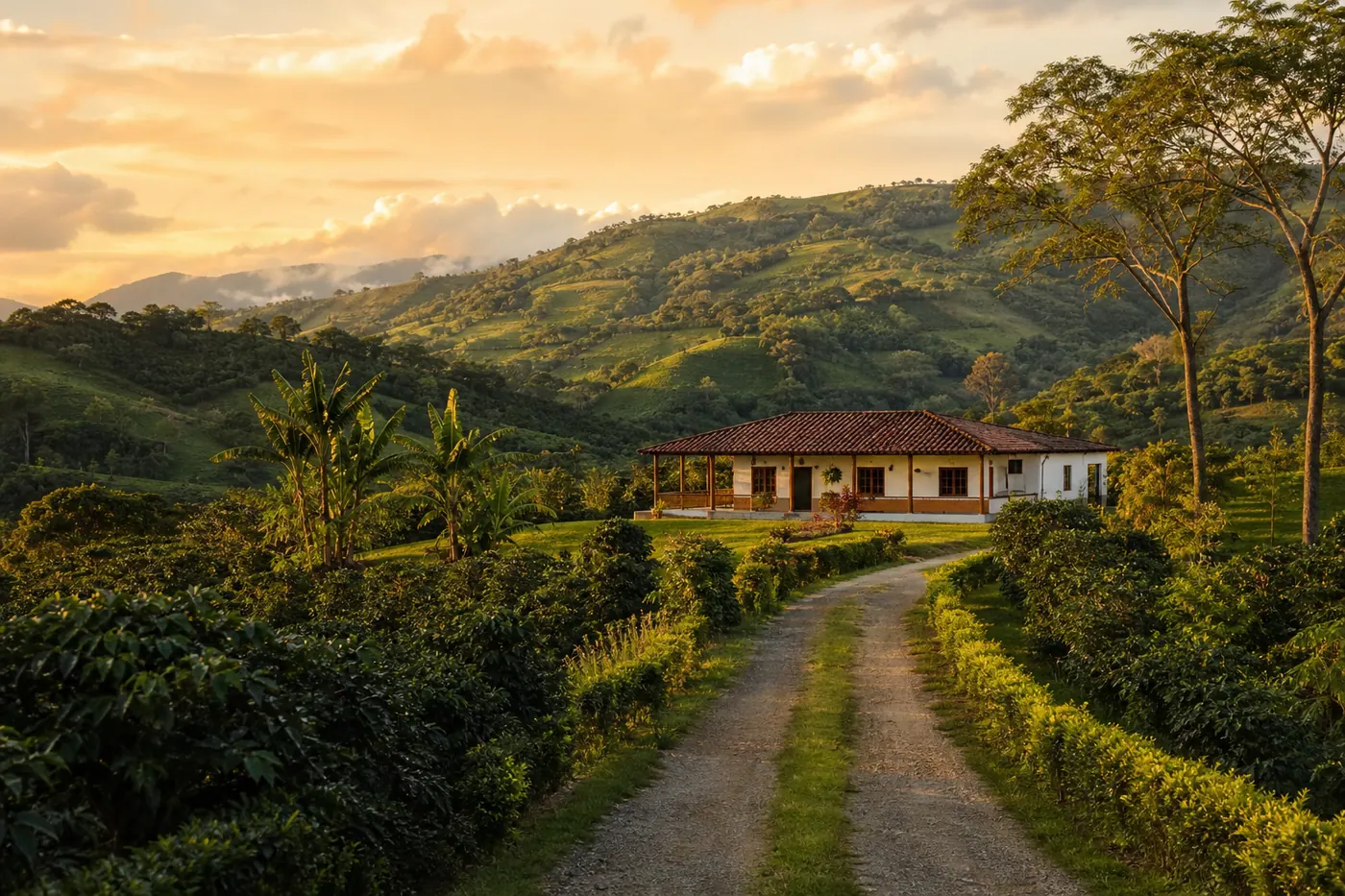
Most farm ads in Colombia fail for the same reason: lots of landscape photos, zero useful information. “Beautiful farm, excellent location, price negotiable.” Nice, but how many hectares are there? Does it have water? Can a low-clearance car get there? Is it a public deed or possession? How far is it from town?
A serious buyer doesn't just get excited about a pretty view. They get excited when they can rule out risks quickly. If the ad answers the hard questions from the start, you get fewer curious onlookers and more people ready to visit, negotiate, and review documents.
This guide does not replace the legal sales process. For that, we already have a more comprehensive guide on how to sell a farm without a real estate agency in Colombia. Here, we are going to something more specific: how to publish the farm so that the ad attracts serious buyers and doesn't fill your WhatsApp with “price?” and “location?” all day long.
Quick answer
- Publish the price, hectares, rural district (vereda), and municipality. If one is missing, you attract the curious.
- Show water, road access, electricity, internet, and title type. That separates a serious farm from a WhatsApp ad.
- Have the certificate of tradition, deed, and property tax records ready. You don't have to upload them publicly, but you do need to respond quickly.
- Filter before the visit. Ask about budget, payment method, purchase timeline, and if they are already familiar with the area.
- The best ad doesn't sell smoke. It sells clarity: real photos, honest location, and complete conditions.
The farm is not listed like a large apartment
That is the most common mistake. An apartment is sold by area, bedrooms, bathrooms, management fees, and neighborhood. A farm is sold with a different logic: water, access, hectares, productive use, actual distance, topography, title, and climate. If you use an urban template, you leave out exactly what the rural buyer needs to know.
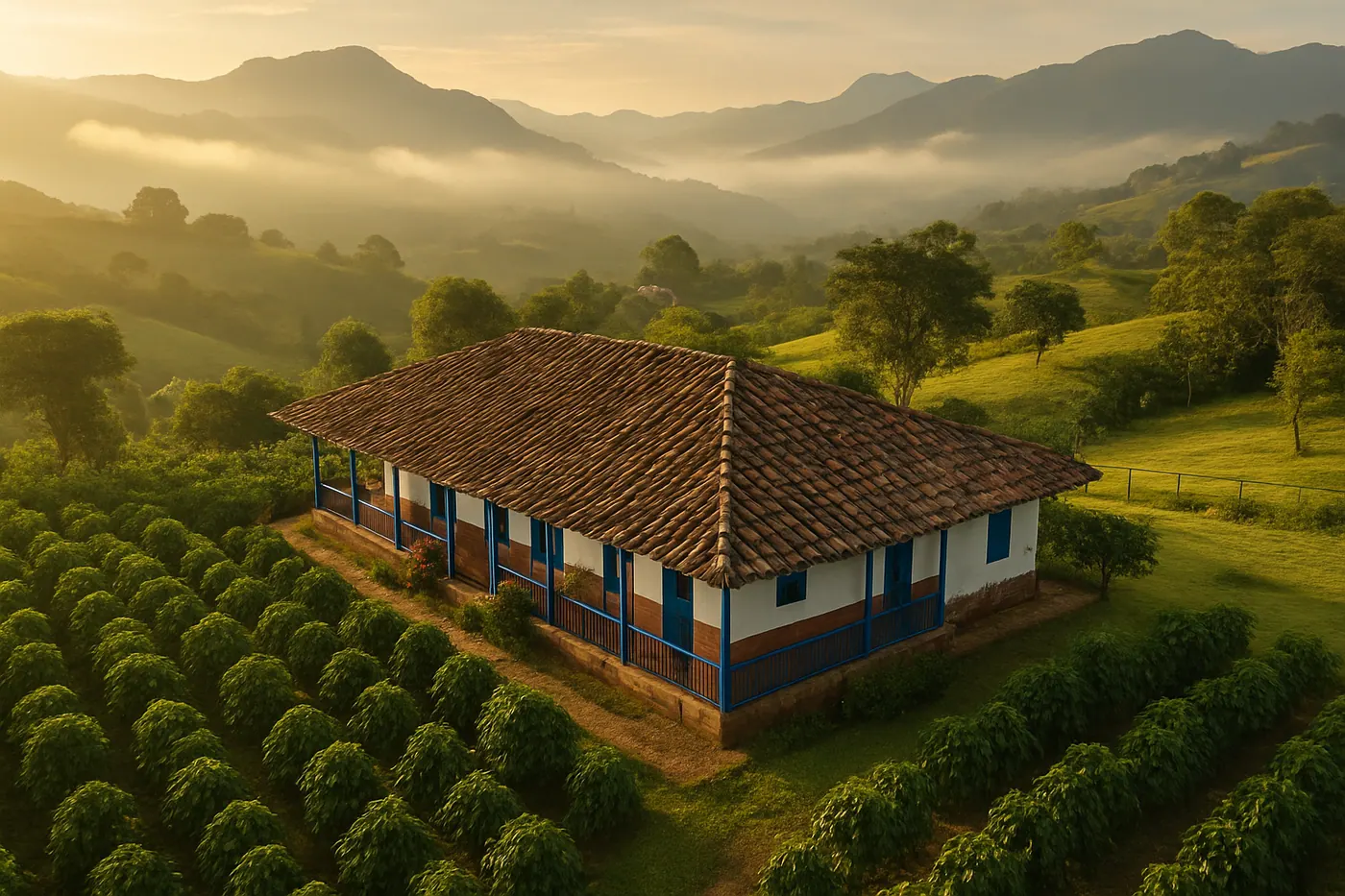
Think of three different buyers. The one looking for a coffee farm asks about altitude, water, and crops. The one looking for recreation asks about the road, house, internet, and travel time from the city. The one looking for cattle farming asks about pastures, fences, water troughs, and carrying capacity. A single ad can serve all three, but only if it is complete.
My rule: if the data changes the decision to visit, it must appear in the ad. Don't save it for “when they message me.” If you hide it, you lose good buyers and attract those who ask just to ask.
Before publishing: have these papers ready
I do not recommend uploading private documents to the public ad. I do recommend having them ready to send or show when the interested party has already passed an initial filter. In rural real estate, responding quickly with clear papers puts you ahead of half the internet.
The basic one is the certificate of tradition and freedom, which is consulted through the Superintendencia de Notariado y Registro. That document shows the real estate registration number, owners, limitations, and annotations. For rural properties, check that the registration corresponds to the correct property; sometimes a large farm ended up divided into several folios.
Also have at hand the most recent public deed, the receipt or proof of payment of the municipal property tax (predial), and the cadastral information. The Multipurpose Cadastre (Catastro Multipropósito) cross-references physical, legal, and economic data of the property; if the area in the deed, cadastre, and reality do not match, it is better to know before the first visit.
Regarding taxes, don't improvise. The sale can have income or capital gains effects depending on the case, the length of possession, and the profit. The tax reform of Law 2277 of 2022 changed rates and rules that should be reviewed with an accountant before signing a promissory note. In the ad, it is enough not to promise things you cannot maintain later.
The data a serious ad must have
A farm ad must quickly answer five questions: where is it, how big is it, how much is it worth, what does it have, and how easy is it to get there? If one of these is loose, the buyer moves to another ad or writes to you with basic questions.
In Colombia Move, the farm category is designed precisely for those data points: hectares, water, road access, electricity, internet, title type, productive use, and travel times. It's not decoration. It is the difference between an ad that looks forwarded from WhatsApp and one that can be taken seriously.
The template that actually attracts serious buyers
The best description doesn't have to sound elegant. It has to sound verifiable. Avoid puffed-up phrases like “natural paradise” if you don't explain access, water, and title. A good buyer prefers a sober description that saves them phone calls.
Template to copy and adapt
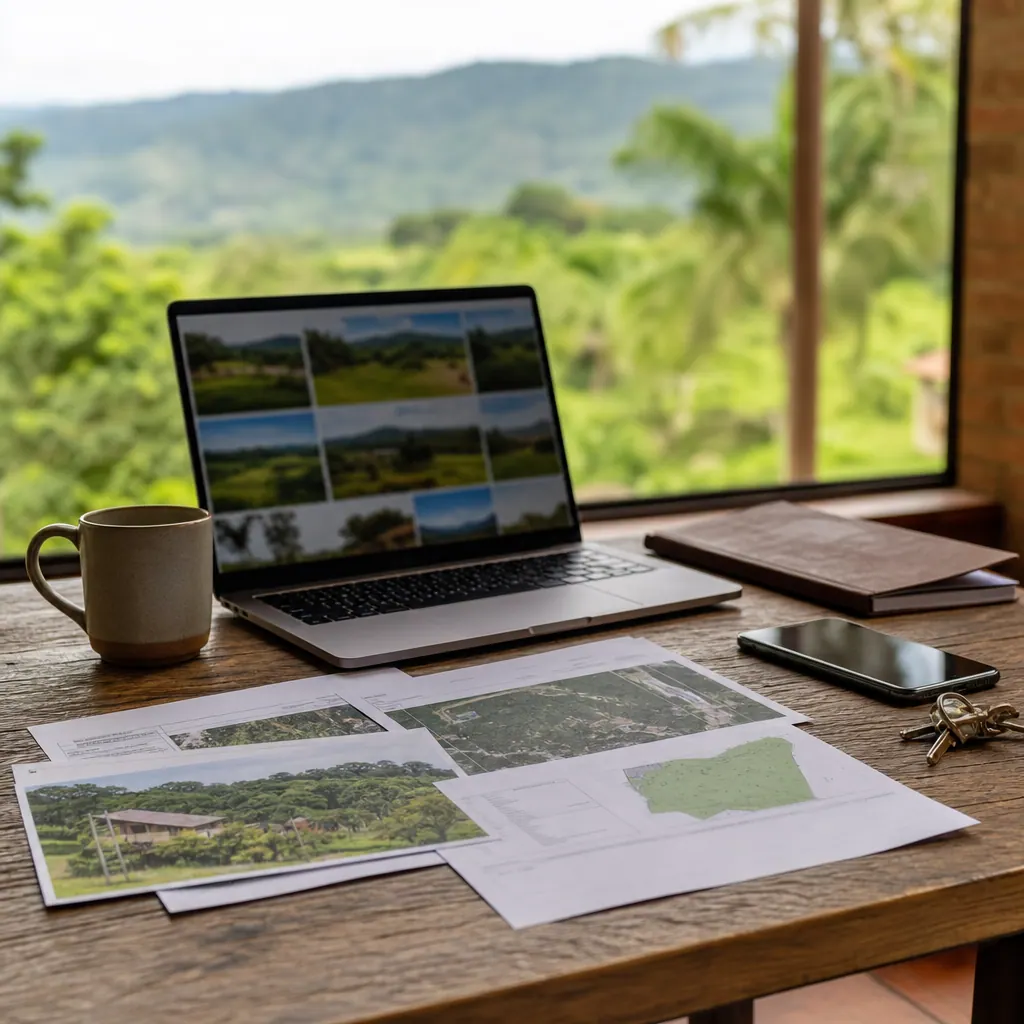
Selling farm in [municipality], rural district [name]. It is [number] hectares, [time] from the urban center and [time] from [main city]. It has [water], [electricity/internet], access by [type of road], and current use [coffee/cattle/recreation/mixed]. The title is [public deed / possession / other]. Price: $[value] COP. I provide real photos, approximate location, and documents for review with a serious buyer. Visits by appointment only.
After that base, add details that truly sell: distance to the urban center, type of crops, house condition, water springs, fences, wheel tracks (placa huella), view, neighbors, cell signal, internet, and if there is room to expand. If something is a disadvantage, say it without dramatizing. “The last 900 meters are unpaved” filters better than hiding it until the visit.
Photos: less postcard, more evidence
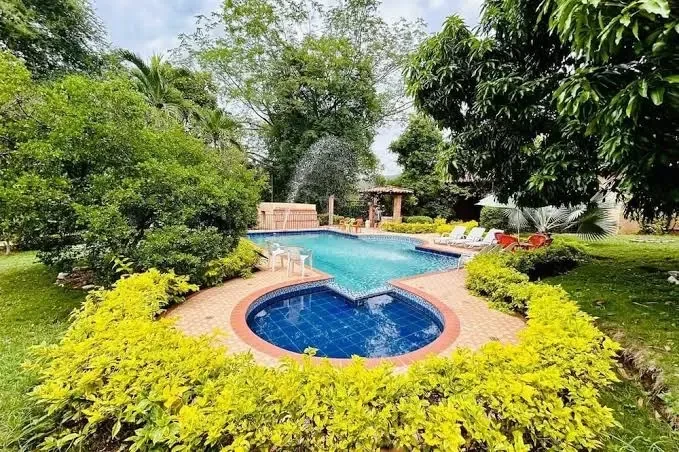
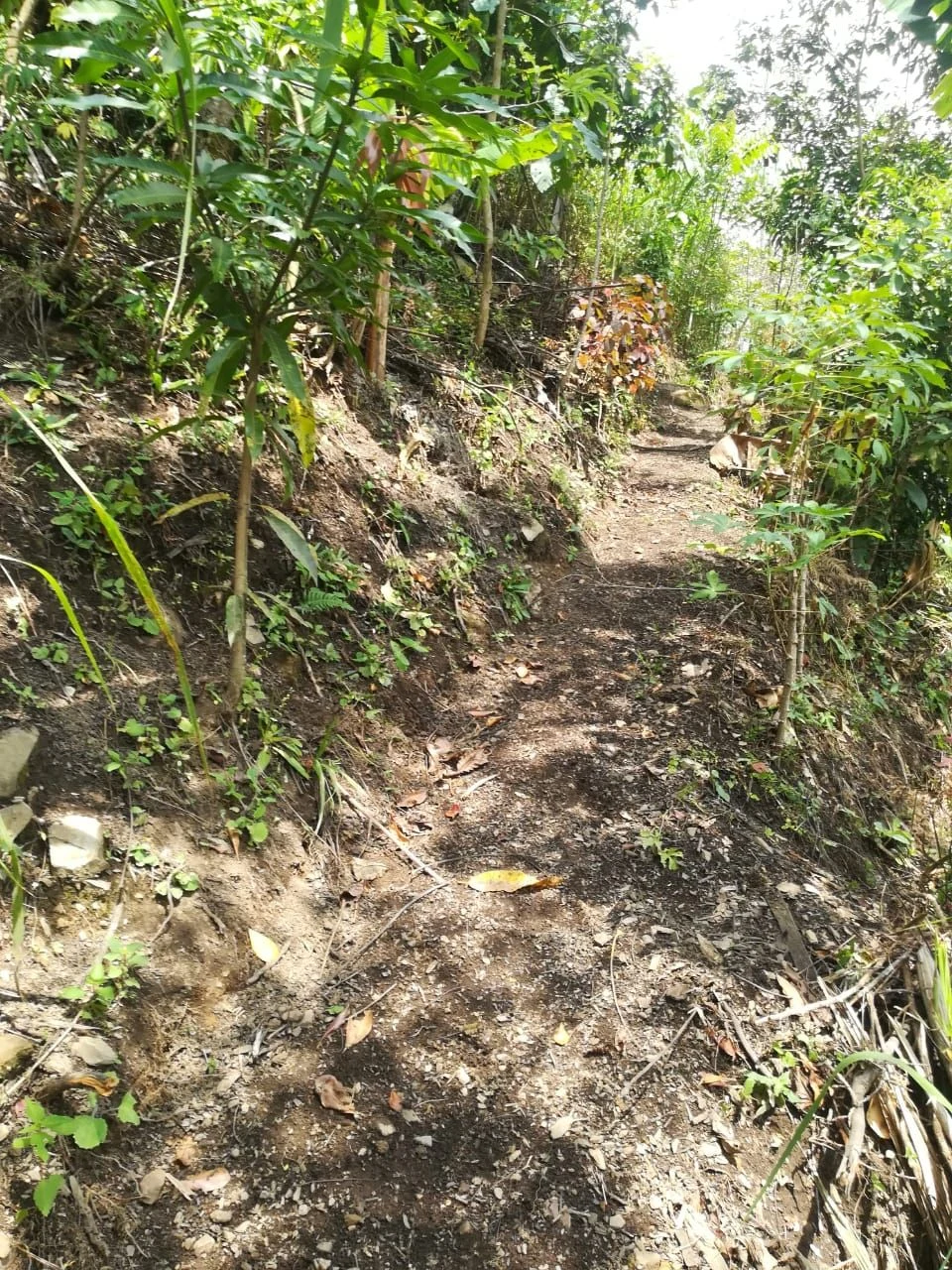
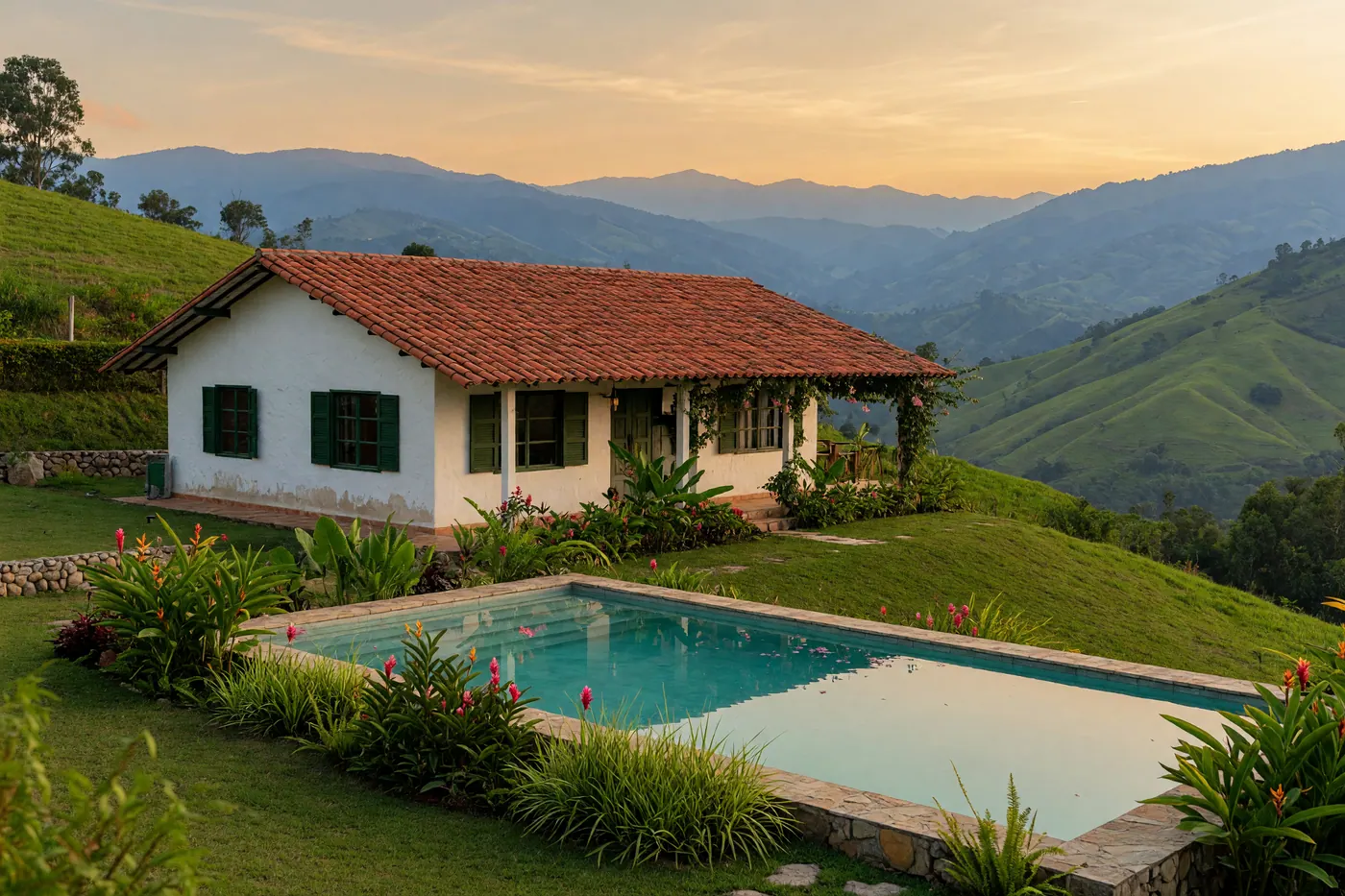
A pretty photo helps, but it is not enough. A serious buyer wants to understand the farm before getting in the car. Upload landscapes, yes, but also access, house, kitchen, bathrooms, pastures, crops, water source, view from the highest point, entrance, visible boundaries, and any secondary construction.
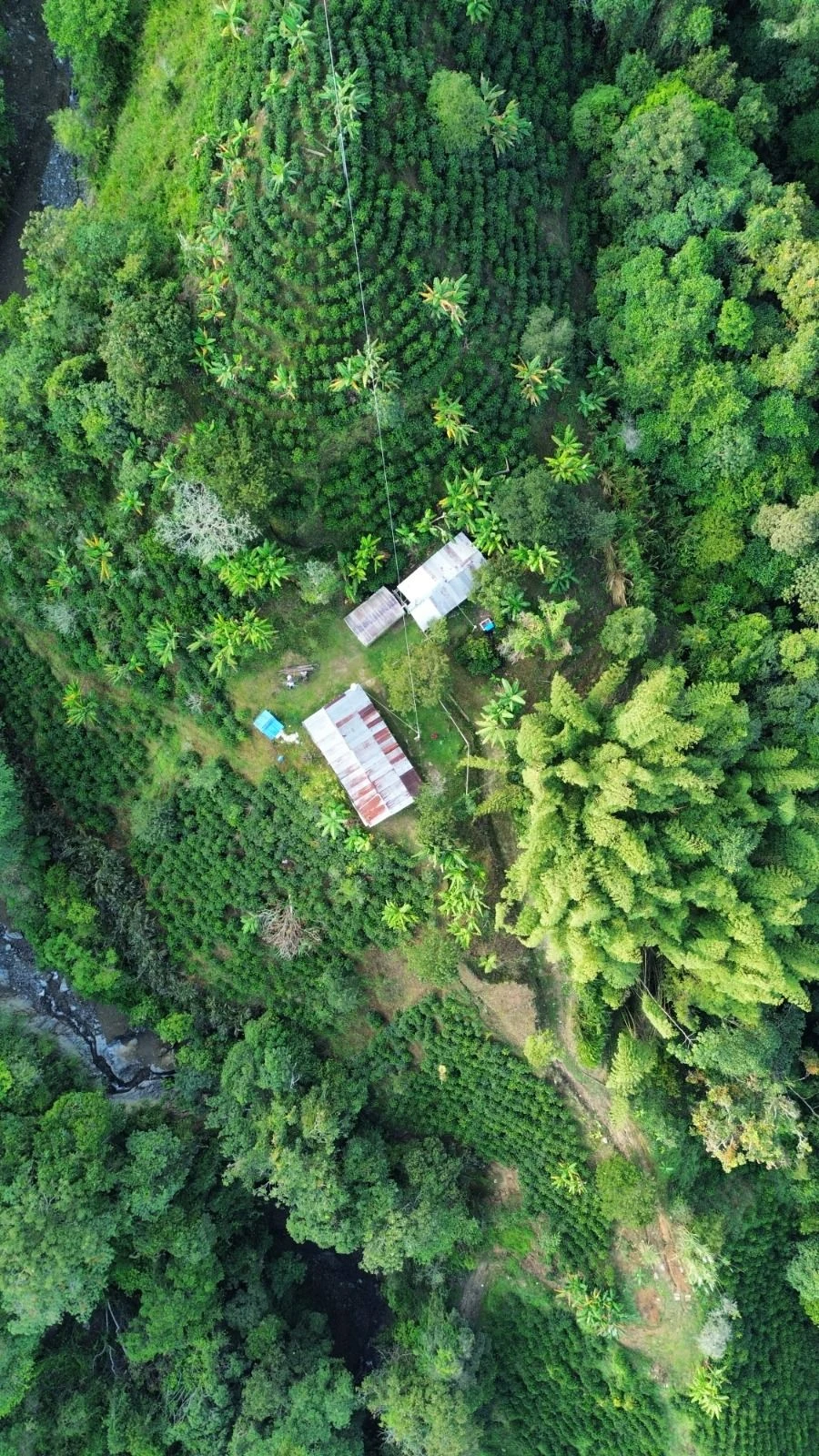
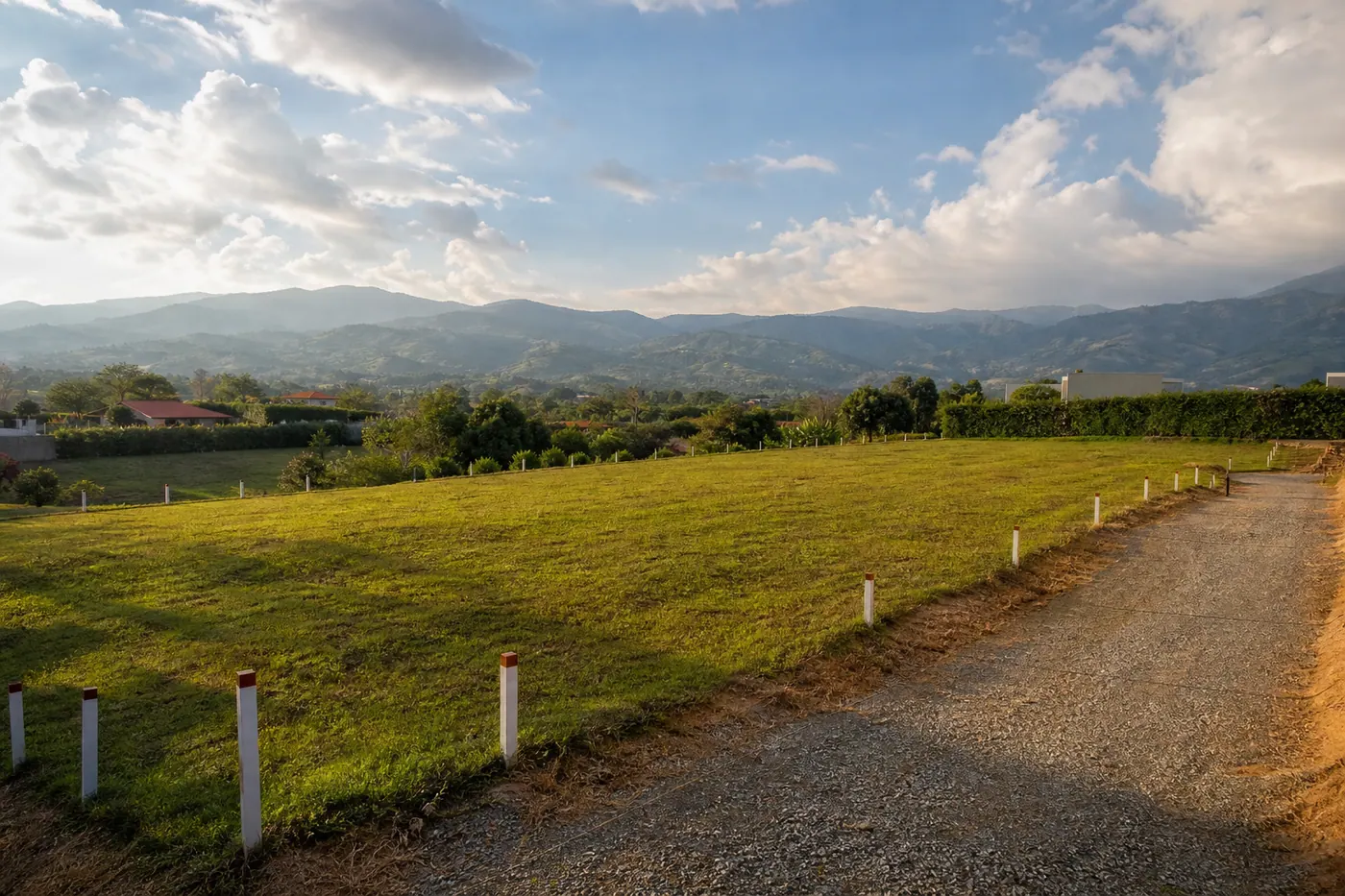
My minimum list: clean horizontal cover, front of the house, house interior, access road, general view of the land, water source, crops or pastures, flat area, sloped area, and a photo that shows scale. If there is a drone, use it, but don't hide the reality of the road with only aerial shots.
Don't edit too much. A farm with green saturation at the maximum generates distrust. Better natural light, sharp photos, and order. If it's a cloudy day, wait. If there is trash or tools lying around, pick them up before. Not because the buyer expects perfection, but because they expect care.
How to filter without sounding rude
Not everyone who messages you is a buyer. Some are comparing, others are dreaming, and some are intermediaries looking for a margin. That is not bad, but your time is valuable. The key is to filter with normal questions, not with a gatekeeper tone.
Serious buyer filter
- What is your actual budget and in what currency are you thinking?
- Are you buying with your own resources, a loan, or from the sale of another property?
- What is your timeframe for buying: this month, three months, or this year?
- Do you already know the municipality, or are you still just exploring areas?
- What will you use it for: living, recreation, farming, livestock, or investment?
If someone ignores all of that and only asks for the exact location, I would not send a precise pin just yet. Share the municipality, the approximate vereda, and coordinate a visit with their full name. For farms, security matters too: do not post exact coordinates if the property is isolated or has machinery, animals, or harvests.
A serious buyer usually asks specific questions. They ask about water, property titles, access, boundaries, neighbors, land use, easements, or how long it takes to reach from a city. The curious ones ask for the “lowest price” before reading. Respond differently.
Where to post it and how to move the ad
I would post in three layers. First, an organized page that you can send as your main profile. Second, local Facebook or WhatsApp groups with a short text linking to that profile. Third, local contacts: farm managers, neighbors, caretakers, merchants, and agents who really know the municipality.
The main profile should live in a stable place. If you post only in a WhatsApp group, the ad will be buried by tomorrow. If you post on a platform with a public URL, you can send it, update photos, receive contacts, and appear on Google. That is why there is the Colombia Move farms category.
When sharing in groups, don't paste a novel. Use a short version: municipality, hectares, price, water, access, title, and link. If someone is interested, let them see the full profile. This avoids repeating the same thing twenty times and also helps you detect who actually read the information.
Mistakes that scare away good buyers
The first is hiding the price. In rural real estate, people often use “price via DM” or “info by WhatsApp.” That might work for an intermediary, but for the owner, it just adds noise. If the price is negotiable, post it and write “serious offers considered.”
The second is exaggerating the location. “One hour from Medellín” when it is two and a half hours is the fastest way to lose trust. In farms, travel time is part of the product. If it is far away, say so, and sell what it does have: tranquility, space, productivity, or price per hectare.
The third is not clarifying the title. Public deeds, possession, transfer of rights, and succession are not the same. Not all buyers accept all scenarios. Better to lose a lead early than to lose three weeks on a promise that was never going to be signed.
The right metric: fewer messages, better messages
A viral ad is not always the one that gets a hundred chats. For a farm, I prefer ten good messages: people with a budget, a clear purpose, and a willingness to review documents. Your goal is not to entertain half of Facebook; it is to find the buyer who understands the value of the property.
That is why this guide insists so much on concrete data. Hectares, water, access, title, price, and distance. It sounds basic, but in the Colombian rural market, it is still a huge competitive advantage. The seller who posts clearly seems more trustworthy before answering the first message.
FAQ
❓ Should I post the exact location of the farm?
Not at first. Post the municipality, vereda, or approximate area, and share the exact pin only with filtered buyers. It is a simple security measure, especially if the farm is isolated or has machinery, animals, or crops.
❓ What document does a serious buyer ask for first?
They normally ask for a certificate of tradition and freedom or the property registration (matrícula inmobiliaria) to validate ownership and notations. You don't have to post it publicly, but it is convenient to have it up-to-date and ready for an advanced stage.
❓ Is it better to sell a farm with a real estate agency or directly?
It depends on your time and the legal status of the property. If the documentation is clear and you can attend visits, selling directly can save you the commission. If there are successions, complex boundaries, or owners out of the country, professional support might be worth it.
❓ What photo should be used for the cover?
Use a horizontal photo that shows the land and context, not just the house. The cover should explain the farm in three seconds: landscape, visual access, construction, or productive use. Avoid dark or over-edited photos.
❓ Where can I post a farm for free in Colombia?
You can post it for free on Colombia Move, in the farms category. The advantage is that the ad will have a public URL, photos, rural data, and direct contact, without any sales commission.
Comments
Loading comments...
Checking sign-in status...