
How to Sell Your Apartment Without an Intermediary in Colombia (Step by Step)
Real estate agencies charge up to 5% of your apartment's value. This guide shows you how to sell directly, step by step, without paying a commission.
IDIOMA DEL ARTÍCULO
Showing original language
A friend called me last month looking astonished. He had just sold his apartment in Laureles and, when he did the math, he had paid the real estate agency $14,700,000 pesos. For coordinating two visits, requesting some documents, and accompanying them to the notary. That is more than three minimum wages.
Selling your apartment without a real estate agency is not complicated. It is simply a process with concrete steps that any owner can handle with a little organization. Most real estate agencies don't do anything that you can't do yourself with a good listing, some decent photos, and the documents ready. If you want to see real options right now, you can see apartments and houses on Colombia Move — posting is completely free.
This guide covers the entire process: from the paperwork you need to gather before posting to how to finalize the deed at the notary, as well as how to set the right price, take photos that attract buyers, and filter interested parties without risking your safety.
How much do you save by selling without a real estate agency?
Real estate agencies in Colombia typically charge between 3% and 5% of the property value as a sales commission — paid by the seller. On that fee, a 19% VAT (IVA) is also charged. The numbers are clear:
If your apartment is worth $350,000,000 COP, a 3% commission is $10,500,000 pesos, plus another $1,995,000 in VAT. The total coming out of your pocket before any other expense: about $12,500,000 COP. With a $500,000,000 COP apartment, that rises to almost $18,000,000 pesos.
The only real reason to hire a real estate agency is if the apartment has complex title issues, if the owner is abroad and cannot handle visits, or if the location is so difficult that the property genuinely needs a specialized commercial network. For most residential apartments in good areas of Medellín, Bogotá, Cali, or Barranquilla, selling directly is completely manageable.
The documents you need before posting
Having your paperwork in order from the beginning shows professionalism. A serious buyer will always ask for documents, and if you take weeks to get them, they will go elsewhere. The essential documents are:
Certificate of Tradition and Freedom (Certificado de Tradición y Libertad): the most important one. It is issued by the Superintendence of Notary and Registry (SNR) and shows the complete history of the property — who has owned it, whether it has mortgages, liens, or encumbrances. It costs approximately $16,600 COP and is obtained online at snr.gov.co in minutes. It is valid for 30 days, so get it only when you already have serious interested parties, not from the beginning.
Public deed (Escritura pública): the copy of the deed with which you purchased the property. The buyer needs it to verify that you are the legitimate owner and that there are no title defects.
HOA clearance (Paz y salvo de administración): if the apartment is in a complex or building, the administration issues this document confirming you have no unpaid dues. Without it, you cannot execute the deed. Property tax clearance (Paz y salvo de predial): issued by the municipality's Treasury Department, it confirms that the property tax is up to date. Utility bill clearance (Paz y salvo de servicios públicos): water, gas, and electricity are current.
Important note: the notarial sales deed (the document that transfers ownership to the buyer) is done at the end of the process, not before. Do not confuse the documents you must gather now with what is signed at the notary at the end.
How to set the real price of your apartment
The most common mistake is setting the price based on what it cost to buy it, what you need for your next project, or what your neighbor says who sold theirs two years ago. None of those criteria reflect the current market.
The correct price is what the market is willing to pay today for a property with similar characteristics to yours in the same area. To establish it: go to Finca Raíz and Metrocuadrado and look for comparable apartments (same neighborhood, similar area in m², same number of rooms, same socio-economic stratum). Check those published in the last 30 days — those that have been listed for more than 90 days are likely overvalued.
Calculate the price per m² of the comparables. In El Poblado or Laureles (Medellín), the price per m² usually ranges between $5,000,000 and $8,000,000 COP depending on the condition and the floor. In Chapinero or Usaquén (Bogotá) it can reach $6,000,000-$9,000,000. In Granada or San Antonio (Cali) between $3,500,000 and $6,000,000. Adjust upward if you have a high floor with a view, a covered parking space, or a recent remodel; adjust downward if the kitchen and bathrooms are old.
Leave room for negotiation: list between 3% and 5% above your minimum acceptable price. Colombian buyers almost always haggle. My recommendation: if you are doubting between two prices, start with the higher one for the first 3-4 weeks. The market will give you quick feedback — if there are no visits, it's the signal to lower it.
The photos that actually attract buyers
Bad photos kill the sale before it even begins. It doesn't matter how beautiful the apartment is — if the photos are dark, messy, or taken with a cell phone pressed against the wall, interested parties will scroll past without clicking.
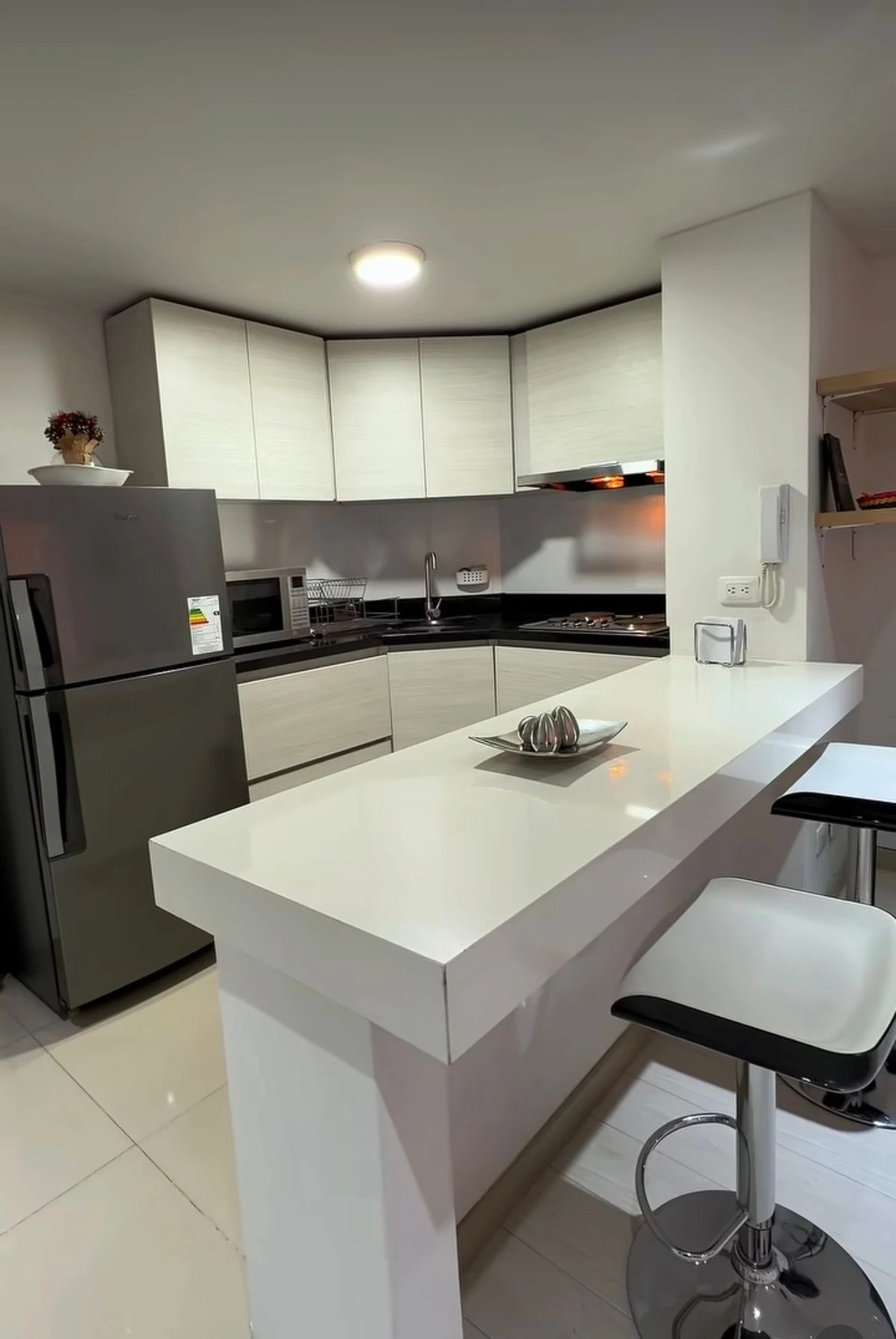
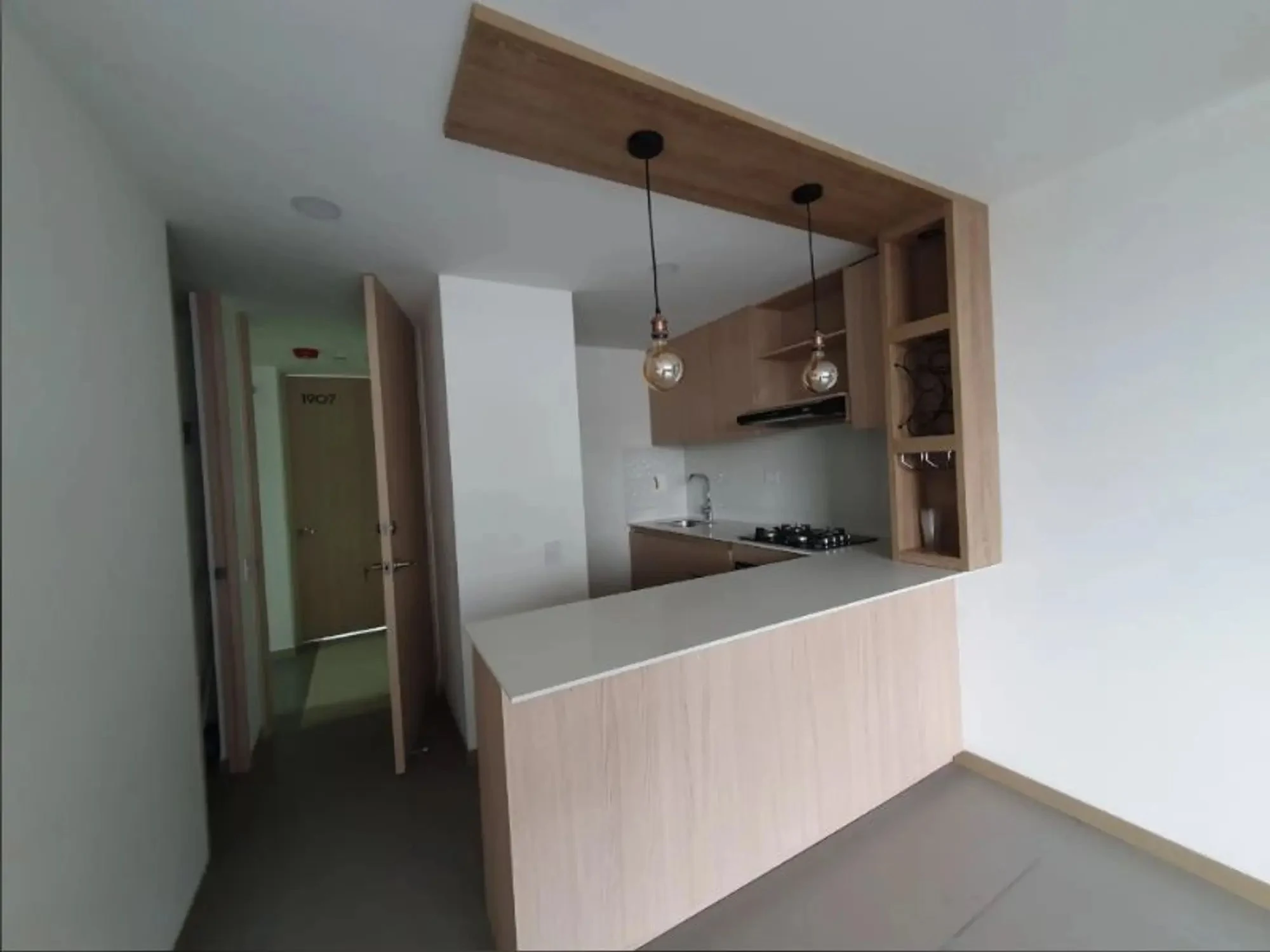
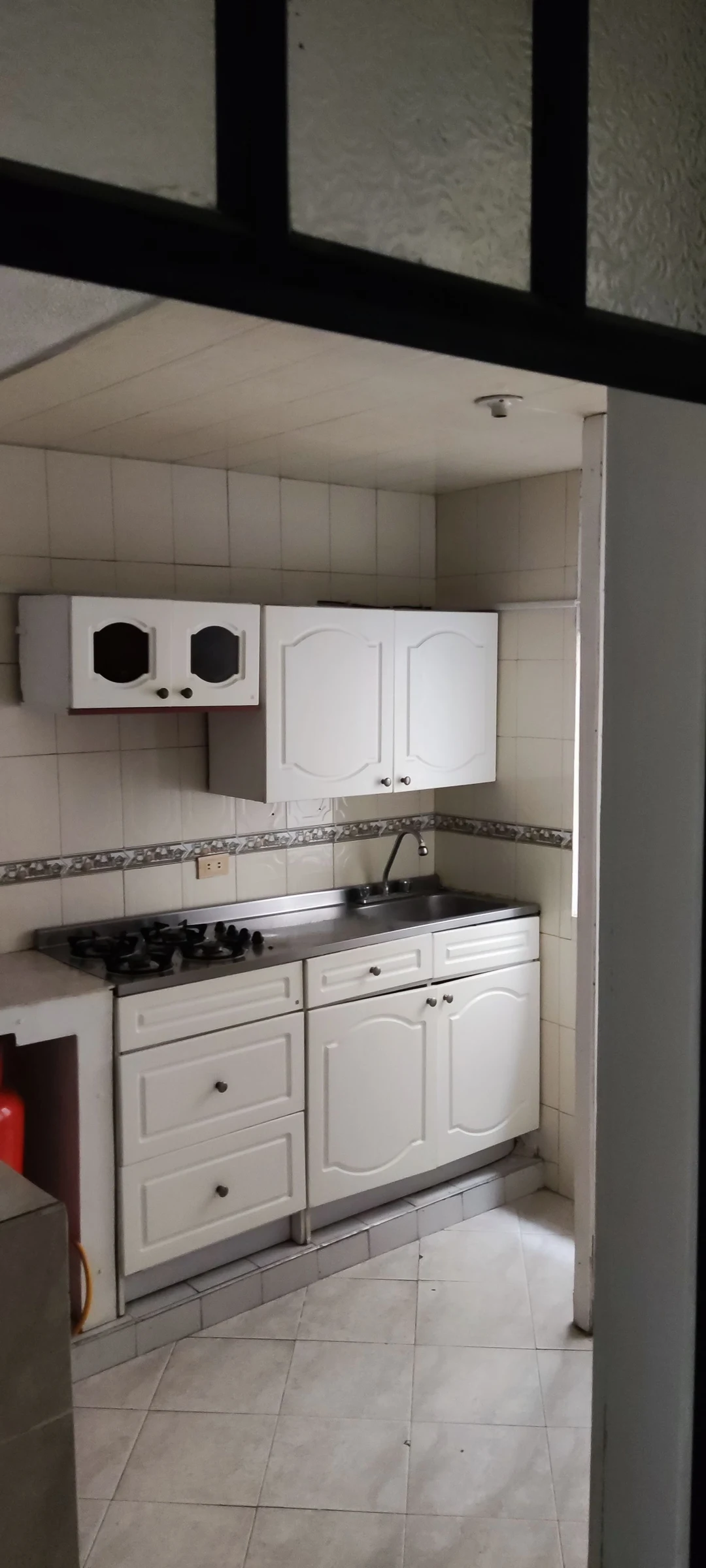
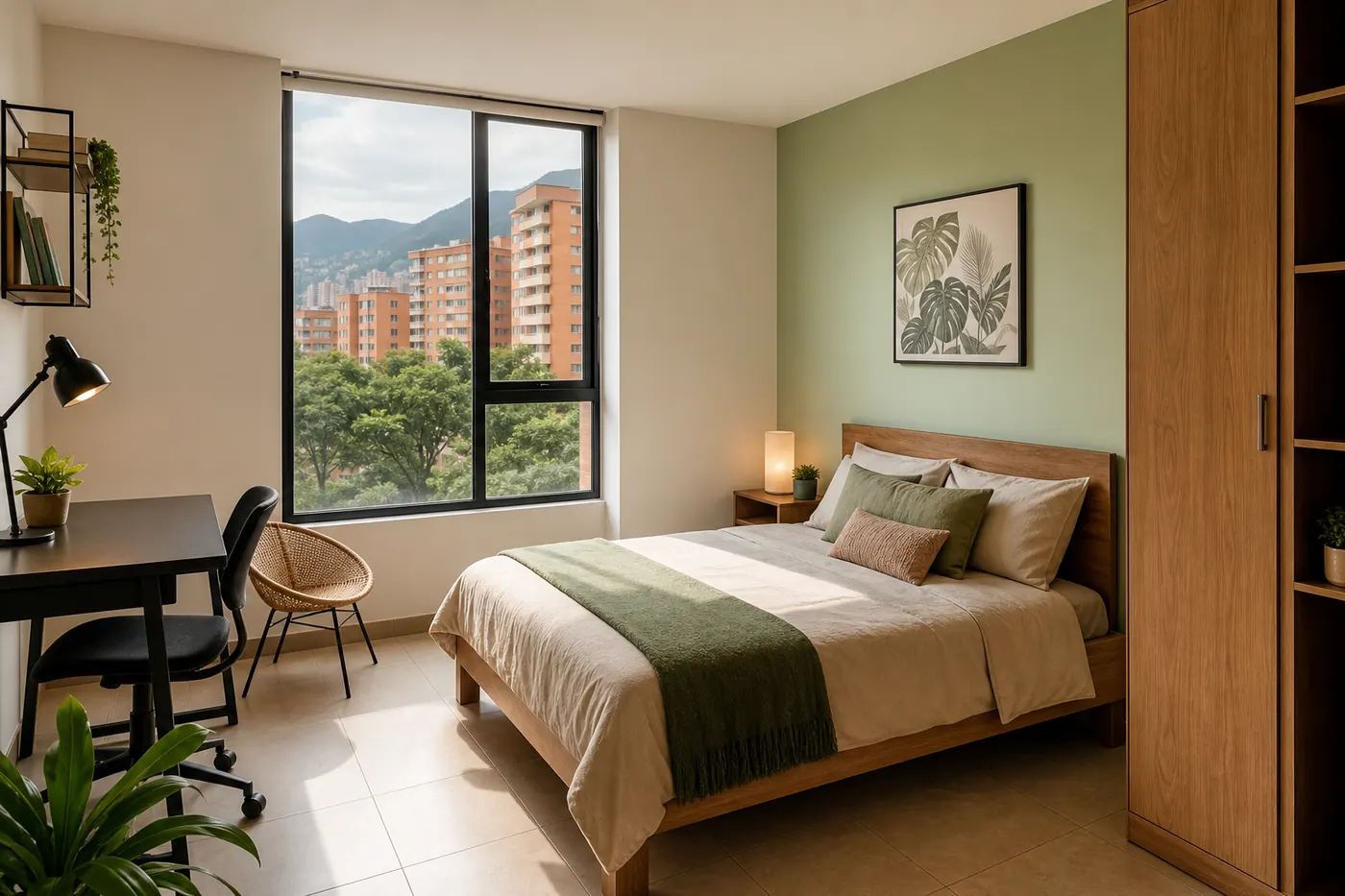
Before photographing: clean everything, put away personal items, and open all the blinds and windows. Natural light is your best ally — photos taken between 9am and 11am turn out perfect. The ideal order: living/dining room first (that's the photo that appears in the listing and it has to be the best), then kitchen, bathrooms, master bedroom, secondary bedrooms. If there is a terrace or balcony, place it among the last photos as a plus.
Minimum 10 photos, ideally 15-20. If your cell phone has a wide-angle mode, use it — it makes spaces look larger. If not, there are real estate photography services in Medellín and Bogotá starting at $80,000 COP that can make a huge difference in how many visits you receive. What should never appear: dirty dishes, pets, unmade beds, or that closet that collects things with no place.
Where to publish your listing to reach more buyers
Posting on a single site is not enough. Your buyer could be on any platform, and the more fronts you open, the faster you sell. These are the options with real traffic:
Finca Raíz (fincaRaiz.com.co) is the platform with the highest real estate traffic in Colombia. The free plan limits visibility and the number of photos; it's worth paying for the basic plan if you want your listing to compete with those from real estate agencies. Metrocuadrado is second in traffic, especially strong in Bogotá. Combine them to cover yourself.
Facebook Marketplace and local groups have high traffic but more noise — curious people, intermediaries disguised as buyers, and in some groups, scammers. Look for specific groups such as 'Venta de apartamentos Medellín directos' or 'Bogotá apartamentos venta sin intermediarios'. Never coordinate viewings without verifying identity first.
Colombia Move (colombiamove.com) is free, bilingual, and specifically designed for the Colombian market. It is especially useful if your apartment could interest a foreign buyer or expat. You can publish your listing in minutes and reach an audience that local platforms do not reach.
Do not underestimate word-of-mouth via WhatsApp. Send photos and key details of the apartment to your family, work, and friend groups. The buyer could be one degree of separation away.
📖 Keep reading
How to Find an Apartment in Colombia — Complete Rental Guide
The buyer/tenant's perspective: where to look, how to negotiate, and what to check before signing.
How to handle interested parties without risking your safety
Receiving strangers in your apartment carries a real risk. You don't have to be afraid, but you do need a minimum protocol before opening the door.
Before the visit: talk on the phone first. Ask what their budget is, if they already have approved credit or if they will pay cash, and when they want to move in. This filters out the curious with no real intention to buy. If they are going to finance with a mortgage, ask for the bank approval letter before arranging a second visit — any serious bank issues one in days. If they are paying cash, that deserves an additional conversation about how they plan to make the payment.
During the visit: never be alone. Bring a family member or friend. Do not let the visitor access areas of the home without being present (especially closets and secondary bedrooms). Put away personal documents, computers, and valuables before any visit. Clear red flag: anyone who insists on seeing the apartment at night, alone, without giving a name or ID number. In a transaction of tens of millions of pesos, no serious person is in a hurry to skip basic steps.
The closing process: promissory purchase agreement and title deed
When you already have a serious buyer — they saw the apartment, like the price, and want to move forward — the closing follows this sequence:
1. Promissory purchase agreement (promesa de compraventa): this is the contract that formalizes the agreement before signing the title deed. It includes price, payment method, delivery date, and the earnest money (deposit, generally 10% of the value). If the buyer cancels without cause, you keep the deposit. If you are the one who backs out, you must return double. The promise can be signed before a notary or as a private document with authenticated signatures.
2. Due diligence: the buyer (or their bank) verifies the Certificate of Tradition and Freedom, the clearances (paz y salvos), and that there are no title problems. If they are using a mortgage, the bank will also perform a commercial appraisal of the property — the buyer pays that cost.
3. Public Deed (escritura pública): signed at a notary office. Any notary in Colombia can do this. Notary costs are split 50/50 between buyer and seller (between 0.27% and 0.54% of the property value according to notary fees). The registration tax (1% of the value) is usually paid by the buyer.
4. Payment and delivery: if there is a mortgage, the bank disburses the funds directly to your account at the notary or in the following days. If it is a cash sale, demand a confirmed bank transfer before signing. Never sign the deed without having verified that the money is available in your account. After signing, the buyer registers the new deed at the Public Registry and Instruments Office — that completes the legal transfer.
Critical point: if your apartment has a mortgage with a bank, coordinate with that entity from the beginning. The bank must lift the lien at the time of closing, and the buyer's bank (or the cash payment) must settle that debt in the same transaction. Don't leave it until the last minute.
📖 Keep reading
How to Rent an Apartment in Medellín Without a Real Estate Agency
The same approach without intermediaries, but applied to rentals. Useful if you haven't decided between selling or renting yet.
Frequently Asked Questions
❓ Do I need a lawyer to sell without a real estate agency?
It is not mandatory. The notary guides the titling process. A lawyer can be useful to review the promissory purchase agreement if there are special conditions (seller's mortgage, direct financing between individuals), but in a standard direct sale, the process is clear enough to manage without additional legal advice.
❓ Can I sell if I have an existing mortgage?
Yes. The bank has a lien on the property, but that does not prevent the sale. At the time of closing, the buyer's bank (or the cash payment) settles the debt and the bank lifts the lien. Inform your bank as soon as you start looking for a buyer — response times vary and you don't want any surprises at the time of closing.
❓ How long does it take to sell without a real estate agency?
In Medellín and Bogotá, a well-advertised apartment at a fair price can receive visits in the first week. From the first serious visit to closing with a mortgage, it takes between 45 and 90 days — the buyer's bank takes time to approve and disburse the funds. Without credit (cash buyer), it can be closed in 2 to 3 weeks.
❓ How much does the Certificate of Tradition and Freedom cost?
Approximately $16,600 COP. It is obtained online at snr.gov.co in minutes. It is the key document to verify that the property is free of mortgages, liens, or legal encumbrances. A serious buyer will ask for it — have the property registration number (matrícula inmobiliaria) on hand.
❓ Do I pay taxes when selling my apartment?
If you sell for more than you bought, the surplus may be subject to withholding tax (retefuente) and capital gains tax (ganancia ocasional). The first 7,500 UVT of capital gains on housing may be exempt if you reinvest in another residential property within the legal deadlines. The details depend on the purchase price, improvements made, and time as an owner — consult an accountant before closing.
💬 Do you have questions?
Ask the Colombia Move community →
Experienced owners and tenants can guide you on your specific case.
Are you in the process of selling your apartment or have you already done it without a real estate agency? Tell us in the comments how it went, in what city, and what was the most difficult part of the process. The experience of other owners is the best resource for those just starting out.

Comments
Loading comments...
Checking sign-in status...