
Colombian Returnee's Guide: What to Do in Your First 30 Days Back
You've returned to Colombia after years abroad. This is the guide no one gives you: what to process first, how to rent without a guarantor, where to look for work, and what to expect from the real cost of living.
IDIOMA DEL ARTÍCULO
Showing original language
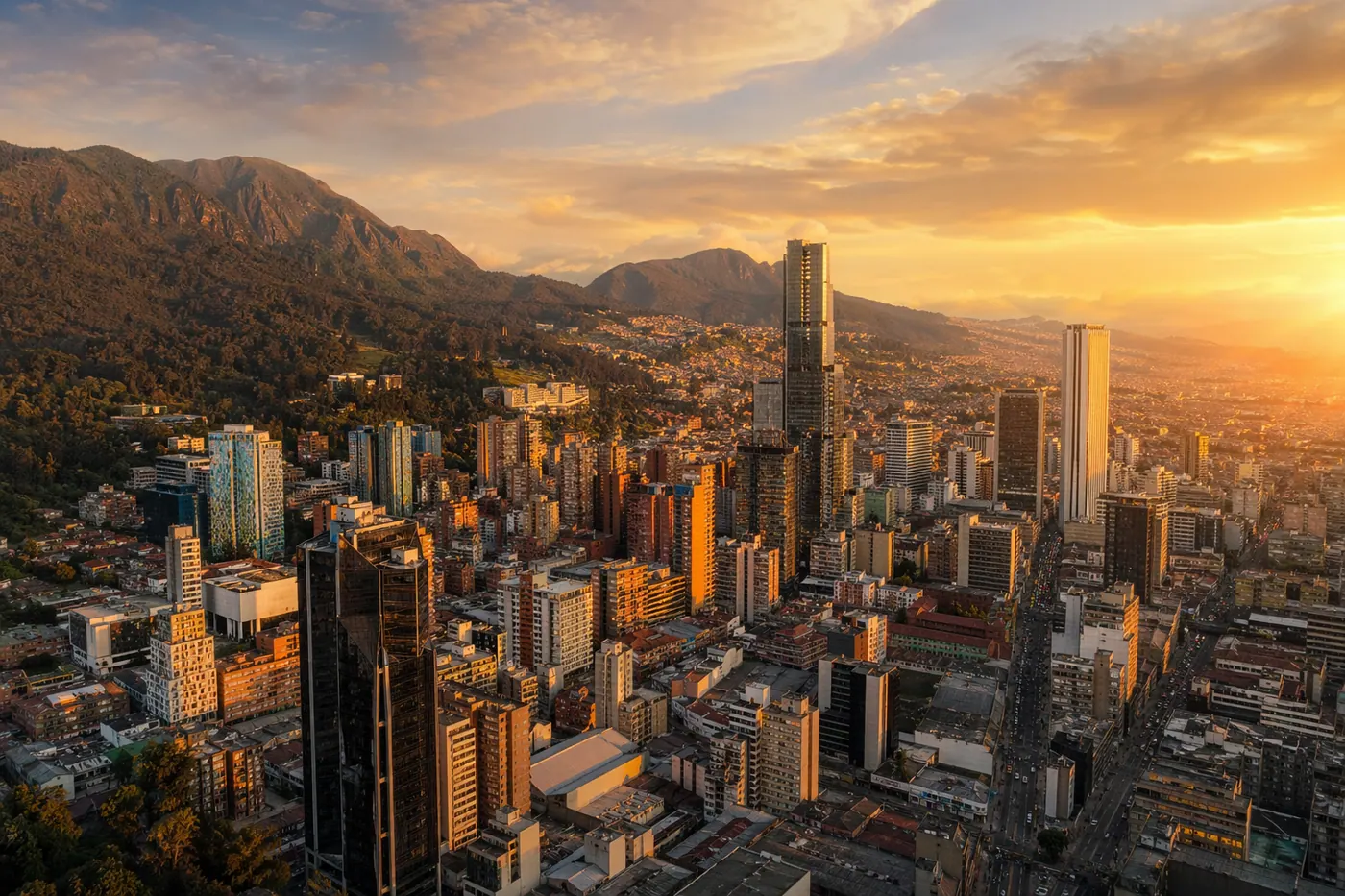
Coming back to Colombia after years away has a particular flavor: a mix of emotion, disorientation, and at some point, the weight of realizing that the country is no longer exactly as you left it. Family is there, sancocho is still the same, but prices, procedures, apps — everything has changed.
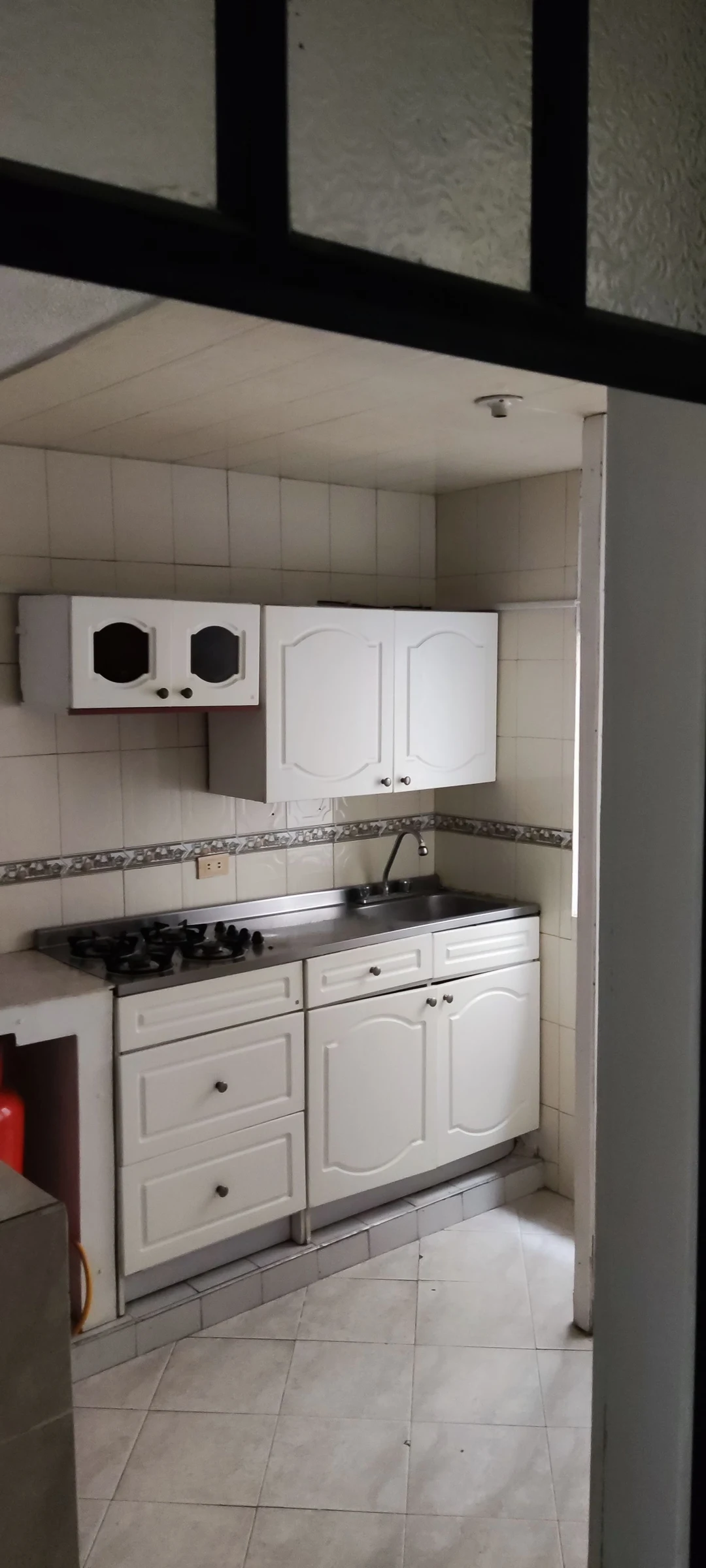
Many returnees arrive with the idea that "since I'm Colombian, this is going to be easy". And yes, you have an advantage over foreigners in many aspects. But there are also things that surprise you: outdated IDs, obsolete RUT, health insurance that no longer has you registered, and the shock of seeing what it costs today to rent an apartment in Bogotá or Medellín. If you want to see housing options from now, you can explore apartment rentals on Colombia Move — posting and searching is completely free. If you want to see real options right now, you can see apartments and houses on Colombia Move — posting is completely free.
This guide is a real checklist for the first 30 days. I'm not going to tell you that everything is simple or that Colombia is the same country you left. I'm going to tell you what to do, in what order, and where not to waste time.
The first 3 days: land before you run
Before you start processing anything, give yourself two or three days to get oriented. It sounds obvious but it's not: many people arrive with such a long to-do list that by the second day they're already in an anxiety spiral.
First and most immediate: get a local SIM card. If you've been away for a while and your Colombian number expired, go to any Claro, Movistar, or Tigo store with your ID and activate a new line. It costs less than 5,000 COP and is essential for any digital procedure, WhatsApp verification, or activating financial apps.
Second: download Nequi or Daviplata from day one. Even if you don't have a formal bank account yet, these digital wallets work with just your ID and cell phone number. They'll save you in the first few days for paying for deliveries, making transfers between acquaintances, and not carrying unnecessary cash.
Week 1 — Procedures you can't put off
This is the week of paperwork. There's no way around it, so better tackle it head-on and without waiting.
Citizenship ID
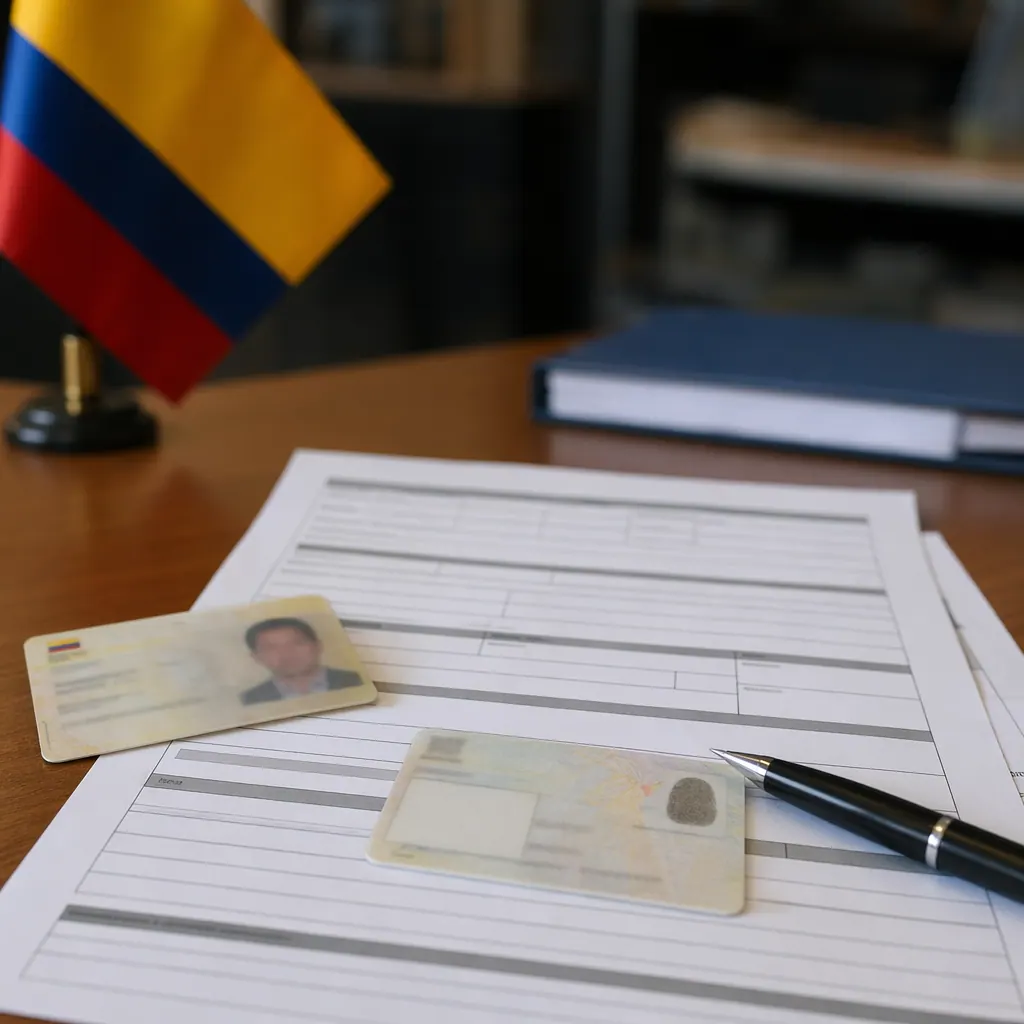
If you've been away for more than five years, your ID is likely still active in the system but with outdated information. In most cases, your original ID is still valid — you don't need to apply for a new one unless it's expired, damaged, or you need to update biometric data.
What you should do is verify your status on the National Registry portal (registraduria.gov.co). If you appear as active, you're good. If there's any problem or you want to update your photo, request an appointment at the nearest office. The delivery time for a new ID ranges between 15 and 45 business days, so don't leave it for the last minute if you need it for other procedures.
RUT — if you're going to work independently
If you plan to invoice, provide services, or have any formal economic activity, you need your RUT up to date. If you already had it before you left but haven't updated it in years, go to dian.gov.co and verify that your address, economic activity, and tax status are correct. Updating your RUT is free and in most cases is done online in about 20 minutes, as long as you don't have pending debts with the DIAN.
Week 2 — Health, bank account, and daily life
Health insurance: affiliate or reactivate
This is one of the most frequent stumbling blocks. If you were affiliated with a health insurance provider before you left, your affiliation was likely deactivated due to non-payment or lack of contributions. You have two options: reactivate with the same provider or switch to a new one.
As an independent worker, affiliation to the contributory system requires your RUT, ID, and a form you can download from each health insurance provider's portal. The monthly amount is calculated on 40% of your declared income, with a minimum of the current monthly minimum wage. The largest health insurance providers — Sura, Sanitas, Nueva EPS, Compensar — have online affiliation portals. The waiting time to access specialists can be 1 to 3 months from affiliation, so don't leave it for when you get sick.
Bank account
Bancolombia, Davivienda, and Banco de Bogotá allow you to open savings accounts with just a current ID and a Colombian cell phone number. Some also require proof of address — a rental contract or utility bill works. The process can take between 1 and 5 business days. If you have negative reports in Datacrédito, it doesn't prevent you from opening a basic account, but it can limit you in credit products.
Week 3 — Housing and mobility
Getting a rental: the first real obstacle
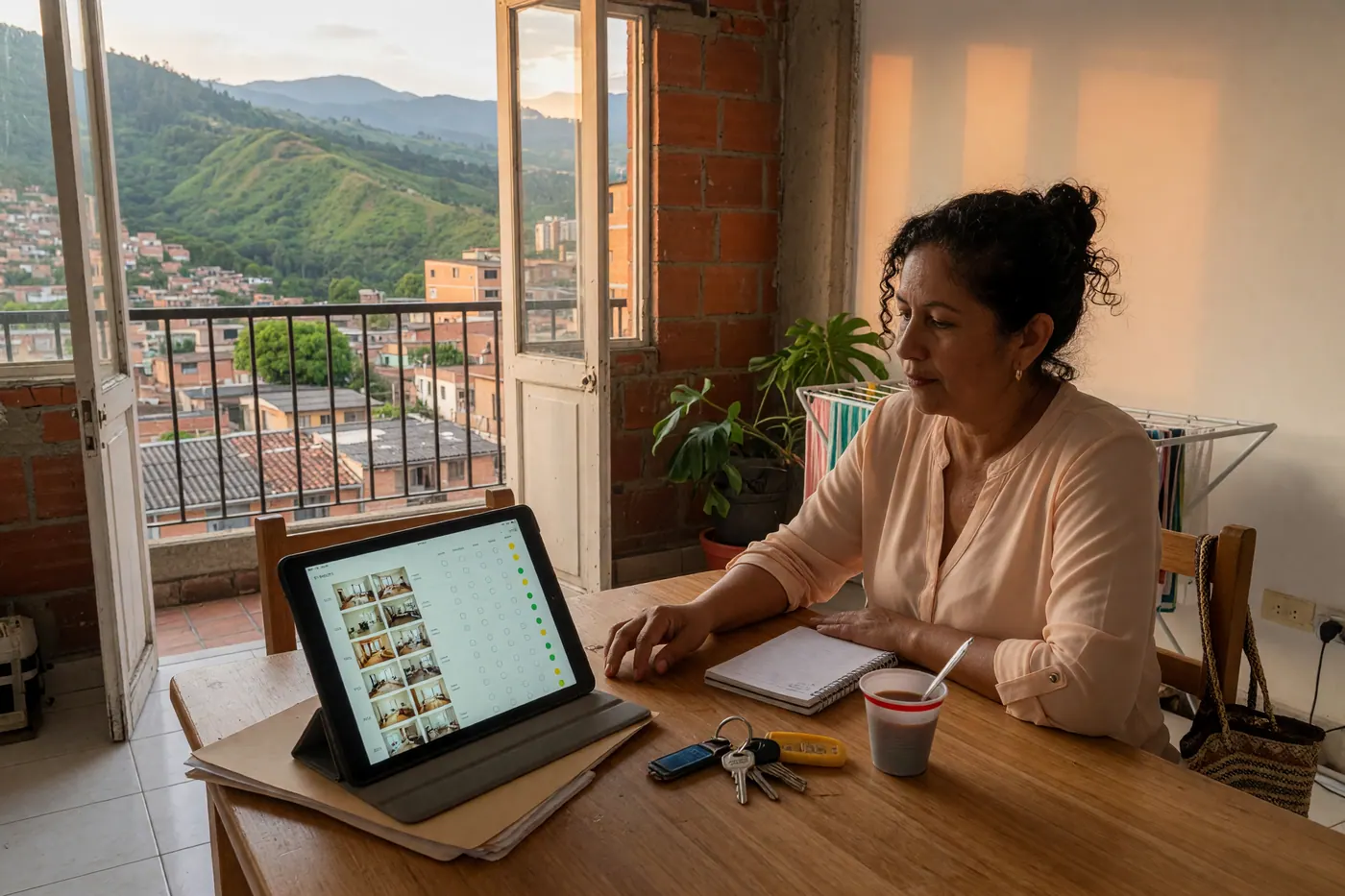
Renting in Colombia as a returnee has its complications. If you arrived at a family home or in an Airbnb, you have some margin, but the search for a formal rental can take longer than expected.
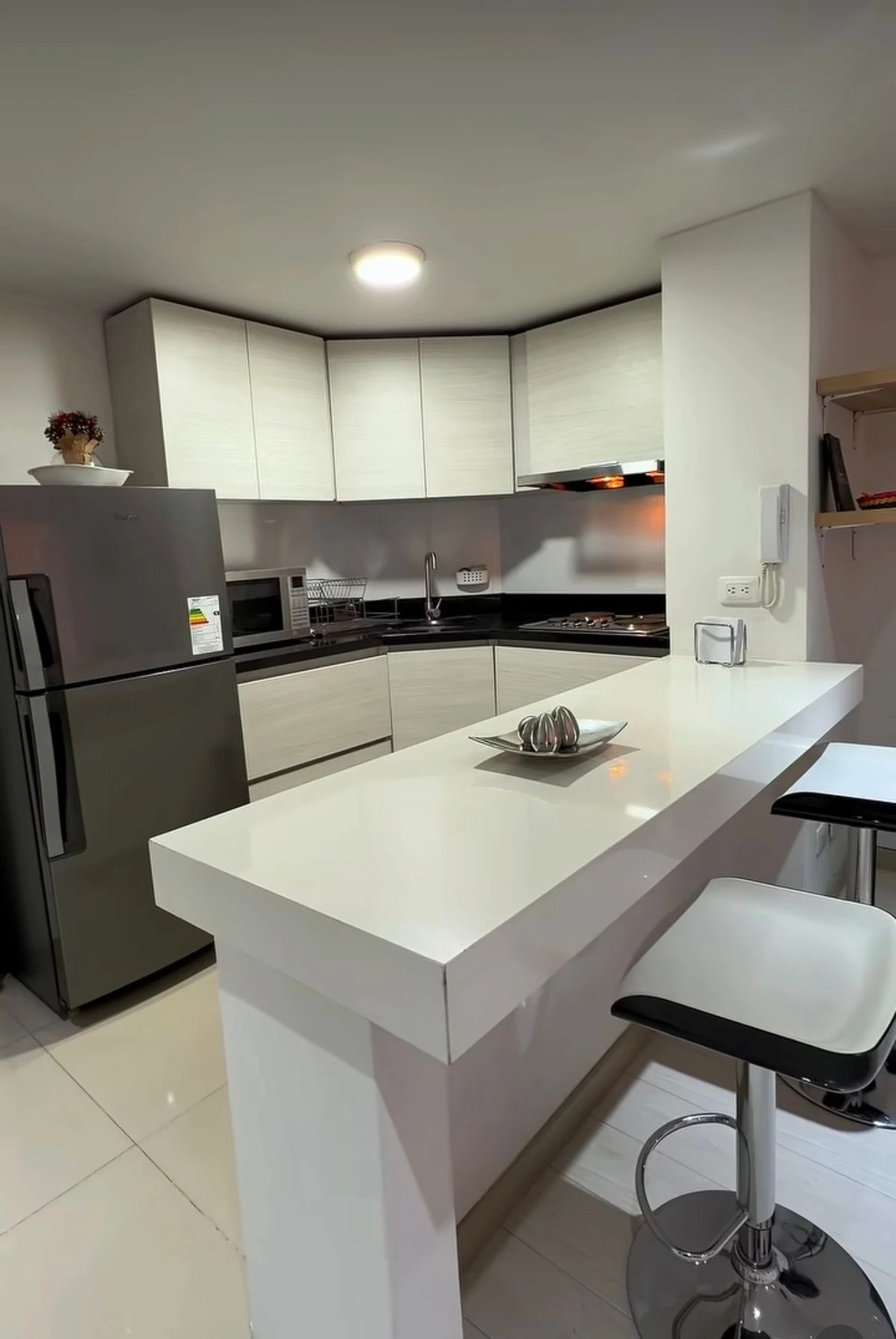
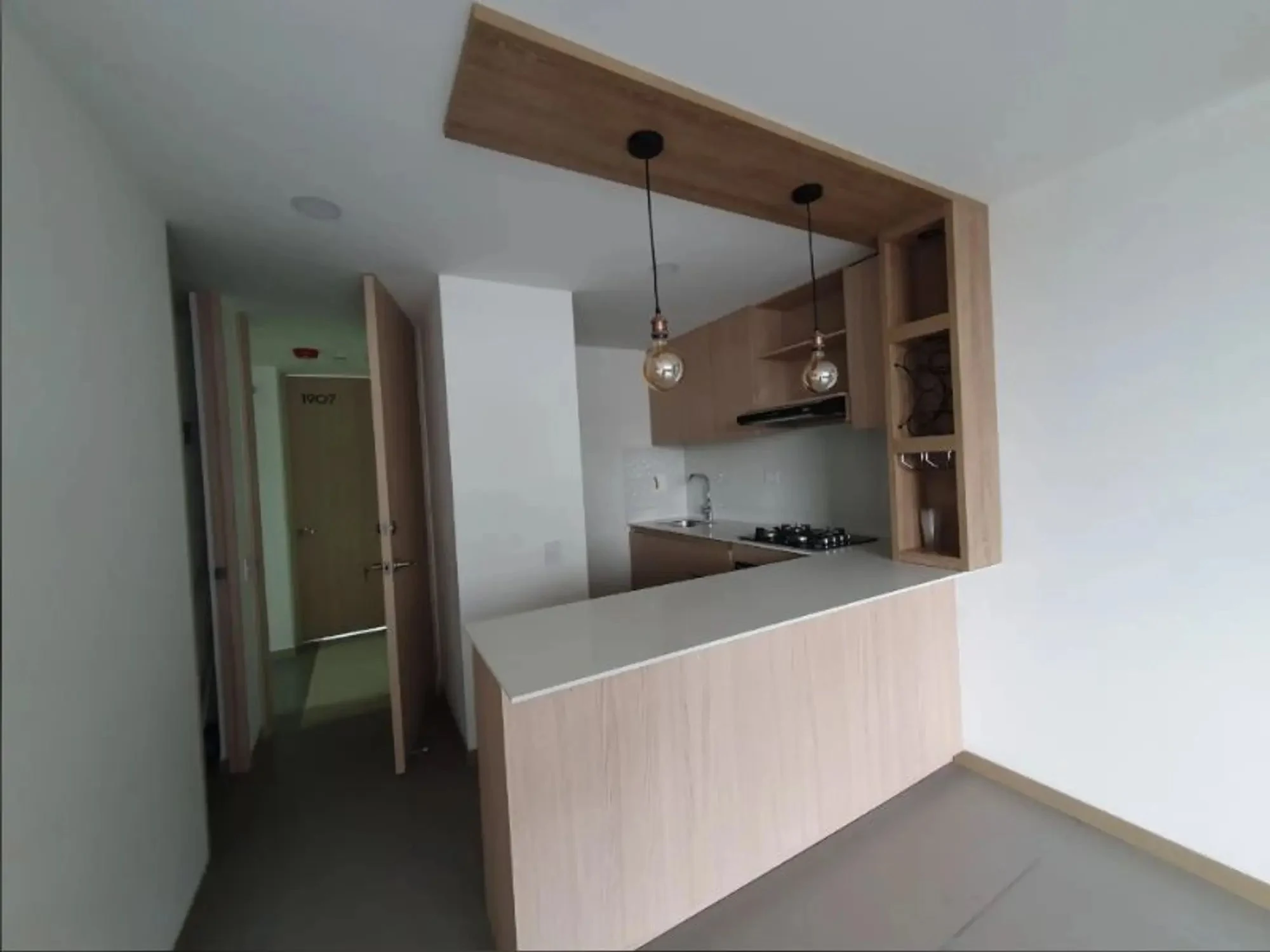
The central problem: many real estate agencies and landlords ask for a guarantor with real estate in Colombia. If you've been away for years, you don't have recent local credit history and that closes some doors. The alternatives that work are: look for direct rentals with the owner — without a real estate agency — where a cash deposit of one or two months can replace the guarantor; use furnished short-term rentals as a bridge while you regularize your situation; and check platforms where owners rent directly, without commissions.
Driver's license
If you had a Colombian license and it's expired, the procedure is simple: go to a CDA (Automotive Diagnostic Center) with your ID, take the basic medical exam, and pay the fees. The average cost is between 80,000 and 120,000 COP. If you have a foreign license and want to revalidate it, check the updated procedure at runt.gov.co — it varies depending on your country of origin and type of vehicle.
Week 4 — Work and the reality of cost of living
The cost of living is no longer the same
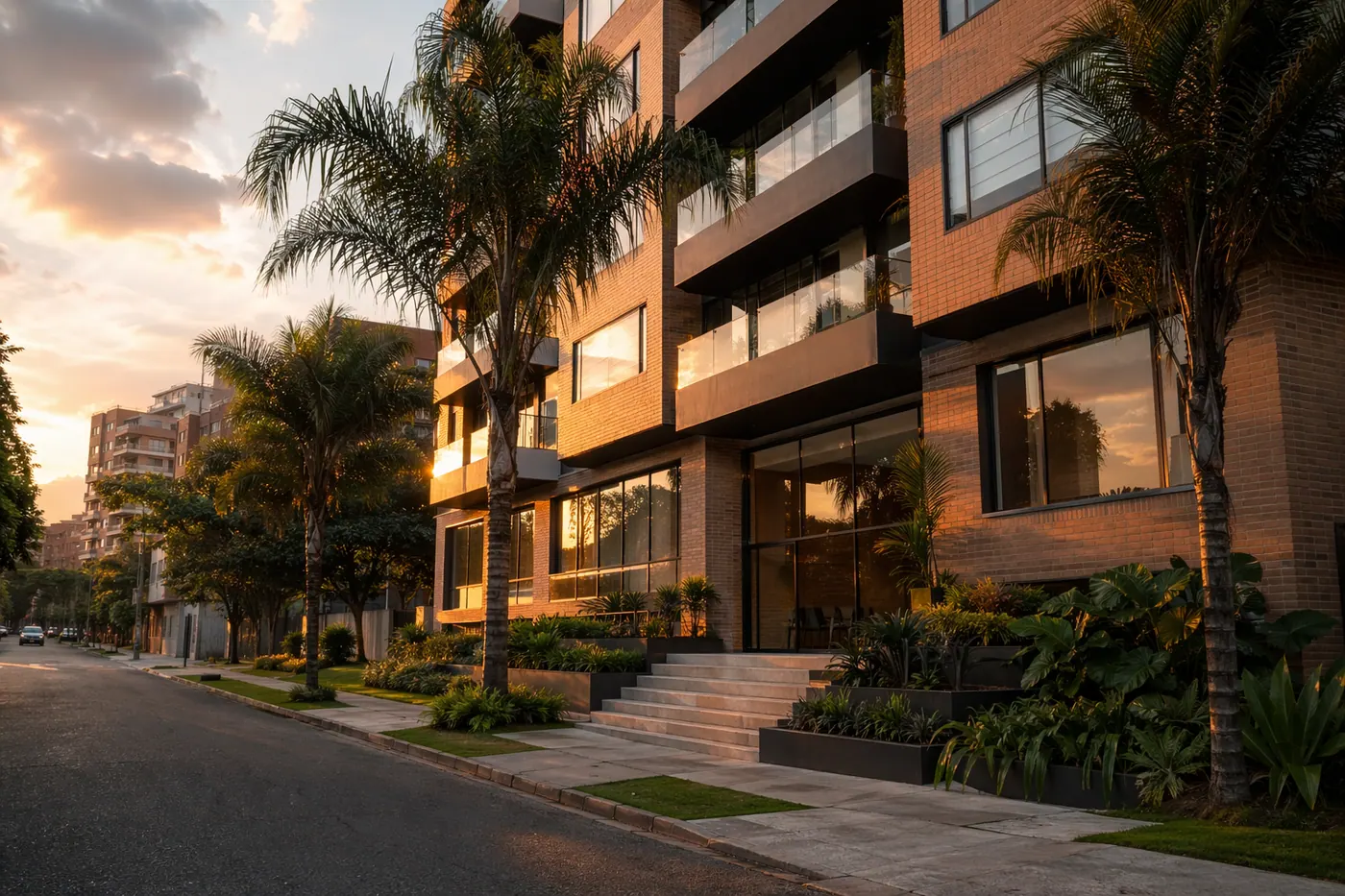
If you left five or more years ago, prepare yourself for the impact. The devaluation of the peso has made imported products more expensive, and rent in major cities has risen significantly. A one-bedroom apartment in El Poblado (Medellín) can cost between $1,800,000 and $2,800,000 COP per month. In Chapinero (Bogotá), between $1,600,000 and $2,500,000 COP. If you compare it with what you earned in dollars or euros, purchasing power is still reasonable. But if you're going to work in Colombian pesos from day one, there's an inevitable adjustment period.
The minimum wage in 2026 is $1,750,905 COP. A professional with experience in technology, finance, or marketing can expect between $3,000,000 and $8,000,000 COP depending on the position and city. Remote work for international clients — if you have that option — remains the best economic choice for the transition period.
Where to look for work
For formal employment, LinkedIn, Computrabajo, and Magneto remain the platforms with the most volume. For freelance work, posting your services directly on platforms like Colombia Move has the advantage of being free and reaching both companies and individuals looking for local professionals.
🇨🇴 Find work and housing on Colombia Move
Colombia Move is a free, bilingual platform where you can search for jobs, post your professional services, and find rental apartments — all in one place, with no commissions.
View available jobs → View apartments →Useful resources for readjustment
Beyond the paperwork, there's something many returnees underestimate: the readjustment period. Colombia has changed. Your city has changed. And you've changed too. Give yourself time for that.
There are active groups of returnees on Facebook and Telegram, especially for Colombians returning from the United States, Spain, and Canada. Updated information circulates there about procedures, real rental costs, and firsthand experiences that no guide can replace.
If you have questions about practical life in Colombia that aren't covered here, you can post them in the Colombia Move community at colombiamove.com/comunidad — locals and expats are answering from real experience.
Frequently asked questions from returnees
❓ Do I need to get a new ID if mine is more than 10 years old?
Not necessarily. Check your status at registraduria.gov.co. If you appear as active and the ID is in good condition, you can keep using it. You only apply for a new one if it's expired, damaged, or you want to update your information.
❓ How do I enroll in the EPS if I don't have an employer?
As a self-employed worker, you can enroll directly in any EPS under the contributory system. You need the RUT, your ID, and to fill out the enrollment form — available on each EPS's portal. You pay the contributions monthly, calculated on 40% of your declared income.
❓ Can I rent without a guarantor as a returnee?
Yes, but you have to search more strategically. Direct rentals with the owner (without a real estate agency) are more flexible regarding requirements. Offering a cash deposit equivalent to one or two months' rent usually replaces the guarantor. Furnished short-term rentals are also a good bridge option while you build local history.
❓ What happens if I had debts in Colombia before I left?
If you have pending debts with banks or financial entities, you may be reported in Datacrédito or Transunion. That doesn't prevent you from opening a basic savings account, but it does affect access to credit cards or loans. The best recommendation is to check your history at datacrédito.com.co and negotiate directly with the entity if there are old debts.
❓ Should I file taxes the first year I return?
It depends on your situation: if you had income or assets in Colombia during that fiscal year, you likely need to file. If you've been away for more than five years and returned mid-year, your obligation could be partial. Best to consult with an accountant or directly with the DIAN, as thresholds change every year and your case may be specific.
Ready for the return?
The first 30 days are the most intense — there's a lot to do and it's easy to feel overwhelmed. But with a clear plan and without trying to solve everything on the first day, the process is manageable.
If you have any remaining questions about procedures, costs, or where to find housing or work, let us know in the comments or visit the Colombia Move community. Welcome back.

Comments
Loading comments...
Checking sign-in status...