
Temporary Rental in Colombia: How to Find Housing Your First Month
You've arrived in Colombia and need housing for your first month. Complete guide to temporary rentals: real prices, where to search and what to check before paying.
IDIOMA DEL ARTÍCULO
Showing original language
Your first month in Colombia is always the hardest to figure out. You arrive with suitcases, maybe a two-week Airbnb booked, and the pressure to find where to live before your budget runs out. The good news: there's an entire market for temporary rentals—furnished apartments by the week or month—that exists exactly for this. The bad news: it's not as visible as the annual rental market.
This article is for anyone who just landed or is about to: returnee, digital nomad, or simply someone who moved cities and needs two or three months to get settled. I'll explain where to search, what to expect in price, what to check before paying, and how to avoid the mistakes that cost the most money.
If you want to see real options right now, you can see temporary rentals in Colombia Move — no real estate commission and direct from owners.
What exactly is a temporary rental in Colombia?
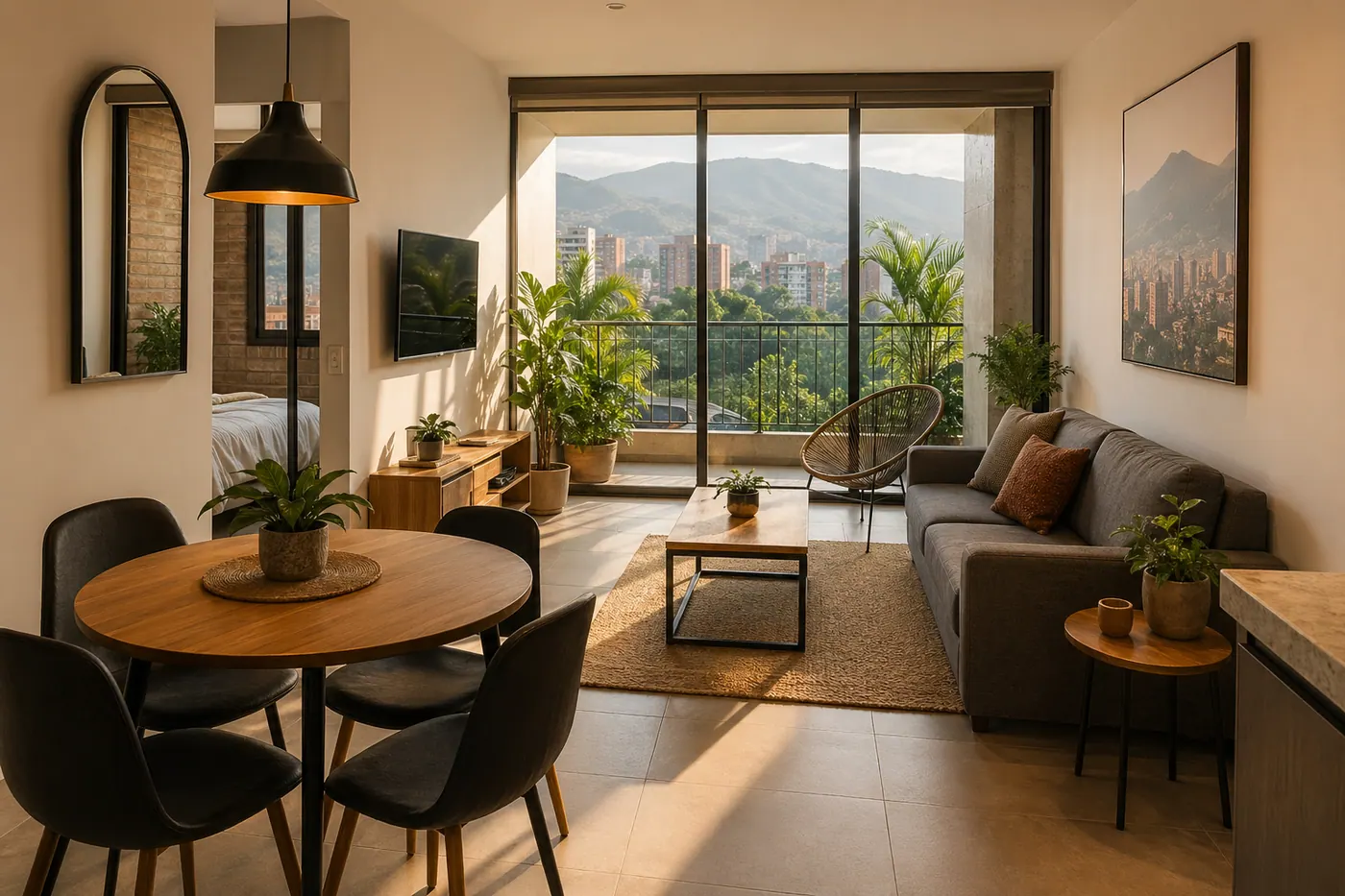
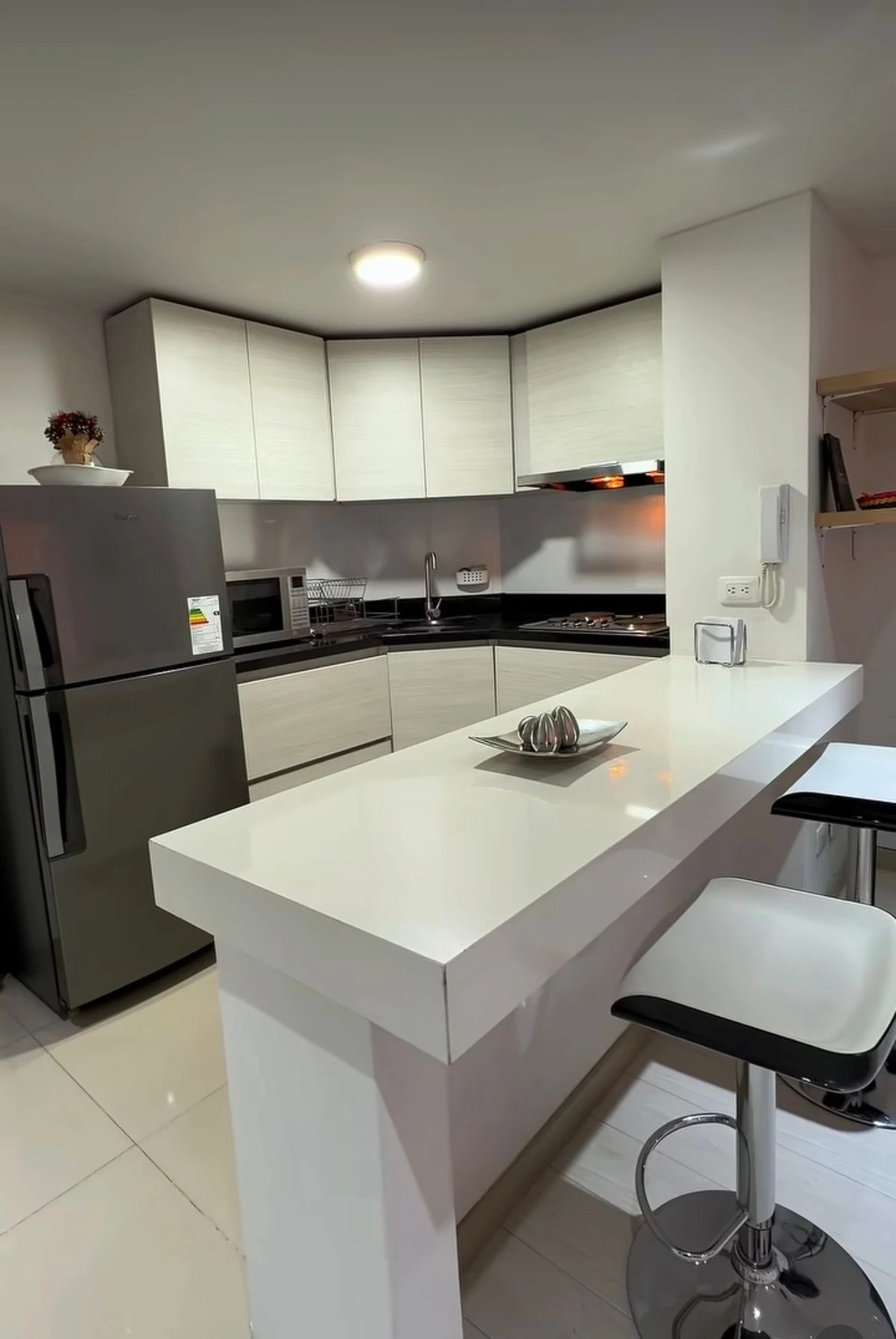
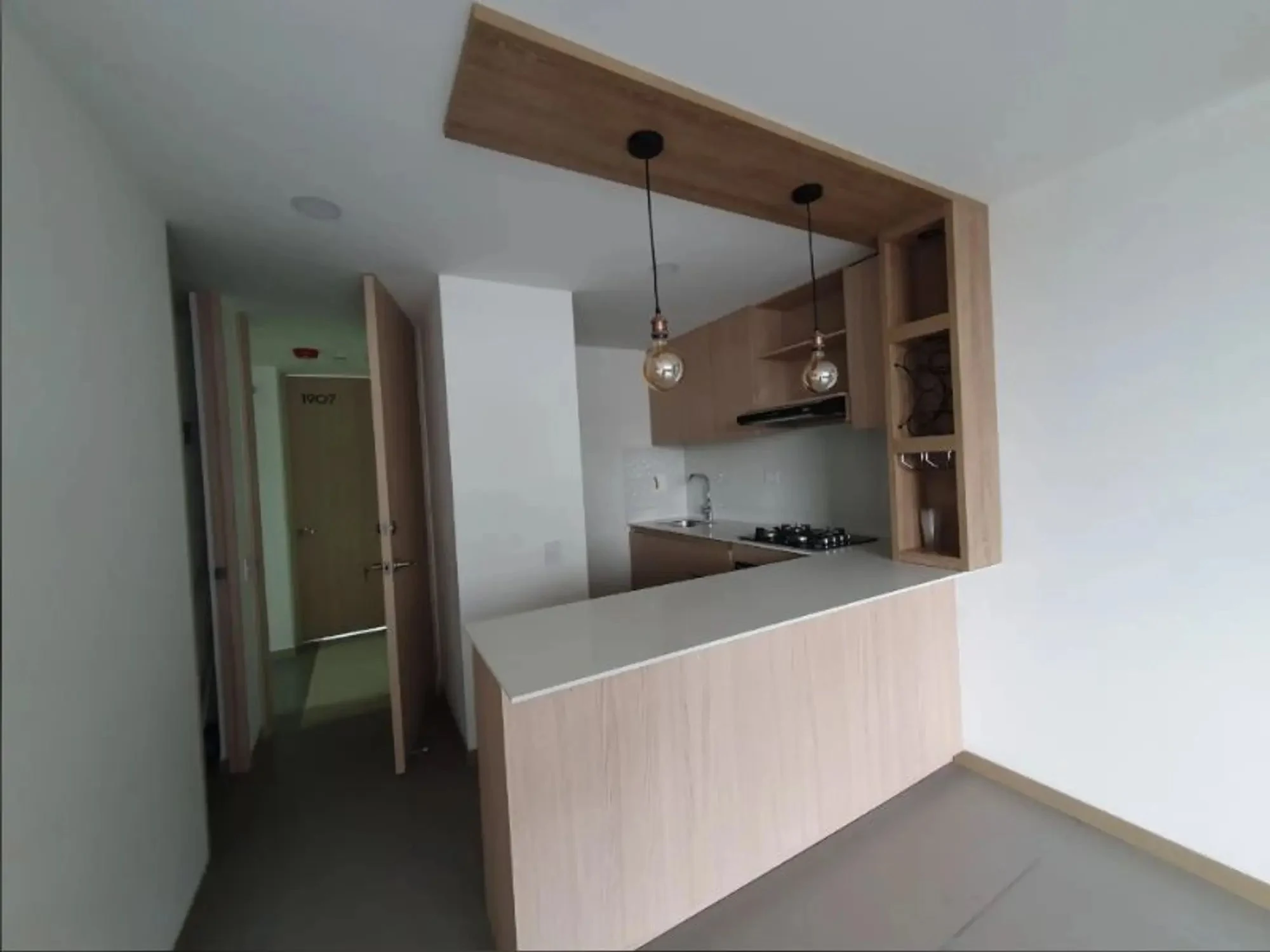
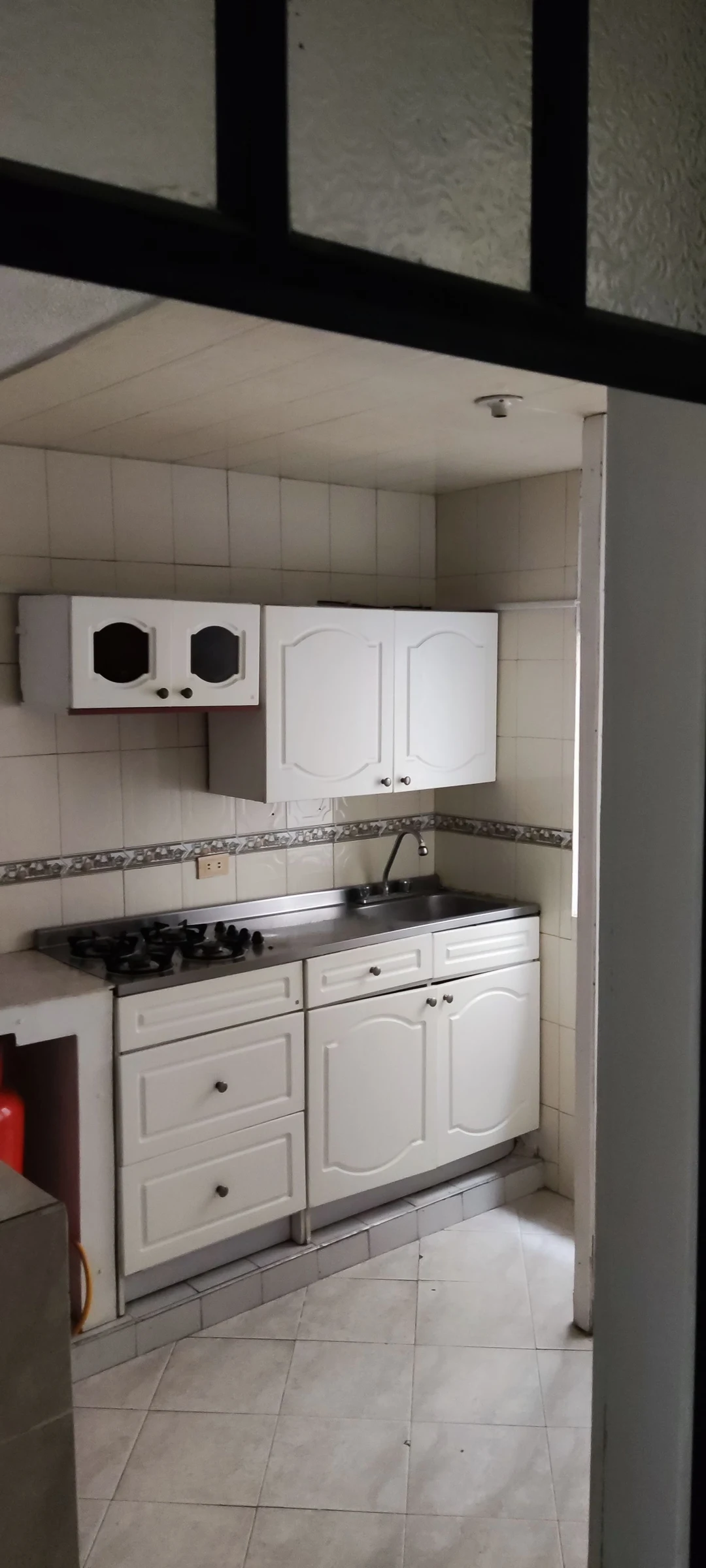
In Colombia, the term 'arriendo temporal' or 'arriendo por meses' is used for any contract under twelve months. The most common are one to six month contracts, usually in furnished apartments: bed, fridge, washing machine, equipped kitchen. Some include utilities in the rent; others charge them separately.
The difference from an Airbnb is important: temporary rentals are cheaper per night-equivalent, usually have a real rental contract, and the owner doesn't expect you to leave the apartment every week for cleaning. It's a medium-term solution, not a tourist one.
In practice, there are three types of offers:
- Furnished apartments by the month — the most comfortable option, everything included
- Rooms in shared apartments — cheaper, ideal if you're going alone
- Seasonal subrents — when someone leaves the country and rents out their already-equipped apartment
How much does a temporary rental cost? Real prices by city
Prices vary quite a bit depending on whether you're looking in a tourist or residential area, and whether the apartment has utilities included or not. Here's an honest range for 2025-2026:
Medellín
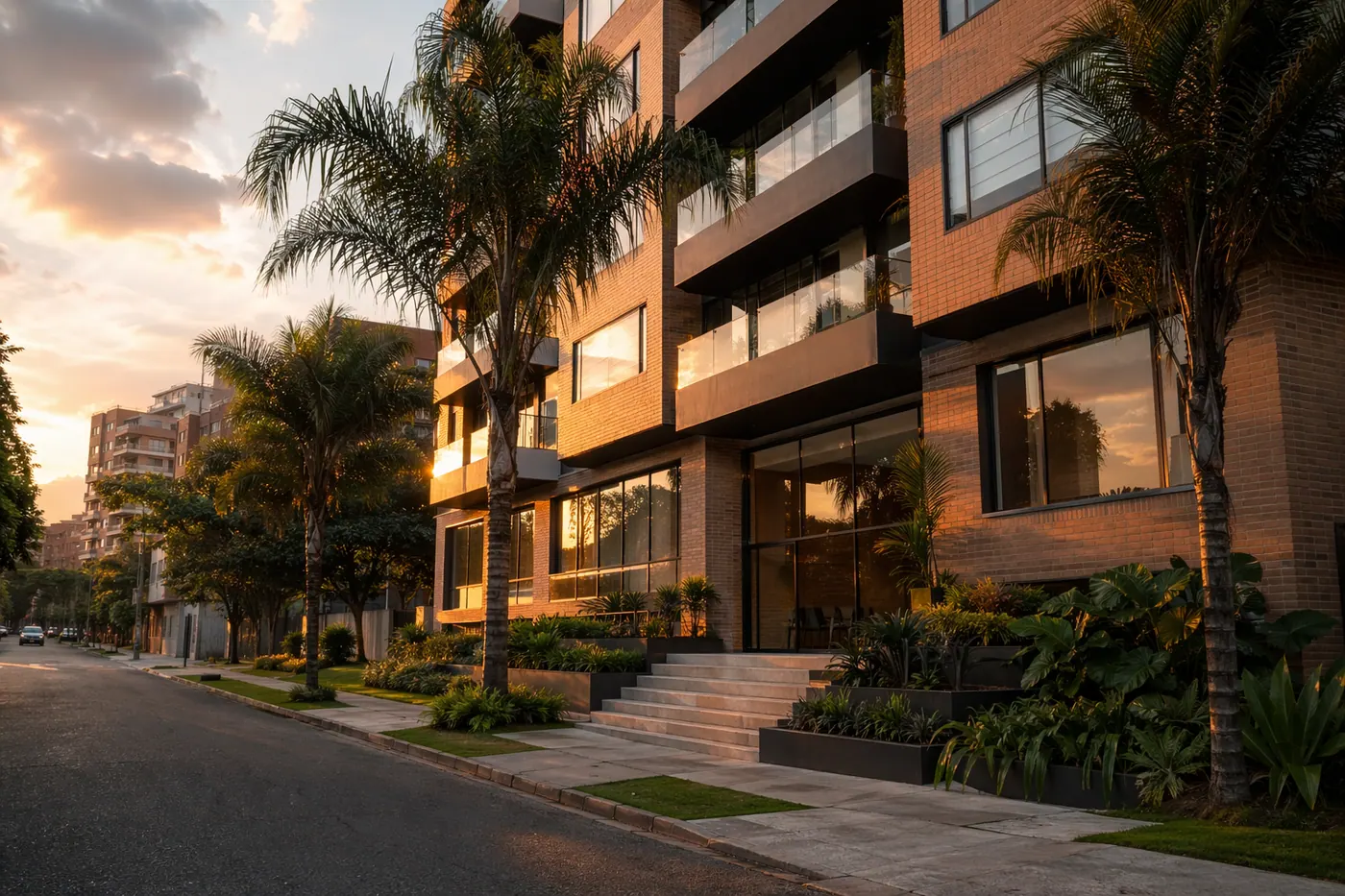
In El Poblado, the neighborhood most in demand by foreigners, a furnished studio with utilities included runs around $2,000,000–$3,500,000 COP per month (~USD 490–860). In Laureles or Envigado you can find something similar for $1,400,000–$2,200,000 COP. A room in a shared apartment in Laureles is between $700,000 and $1,100,000 COP.
Bogotá
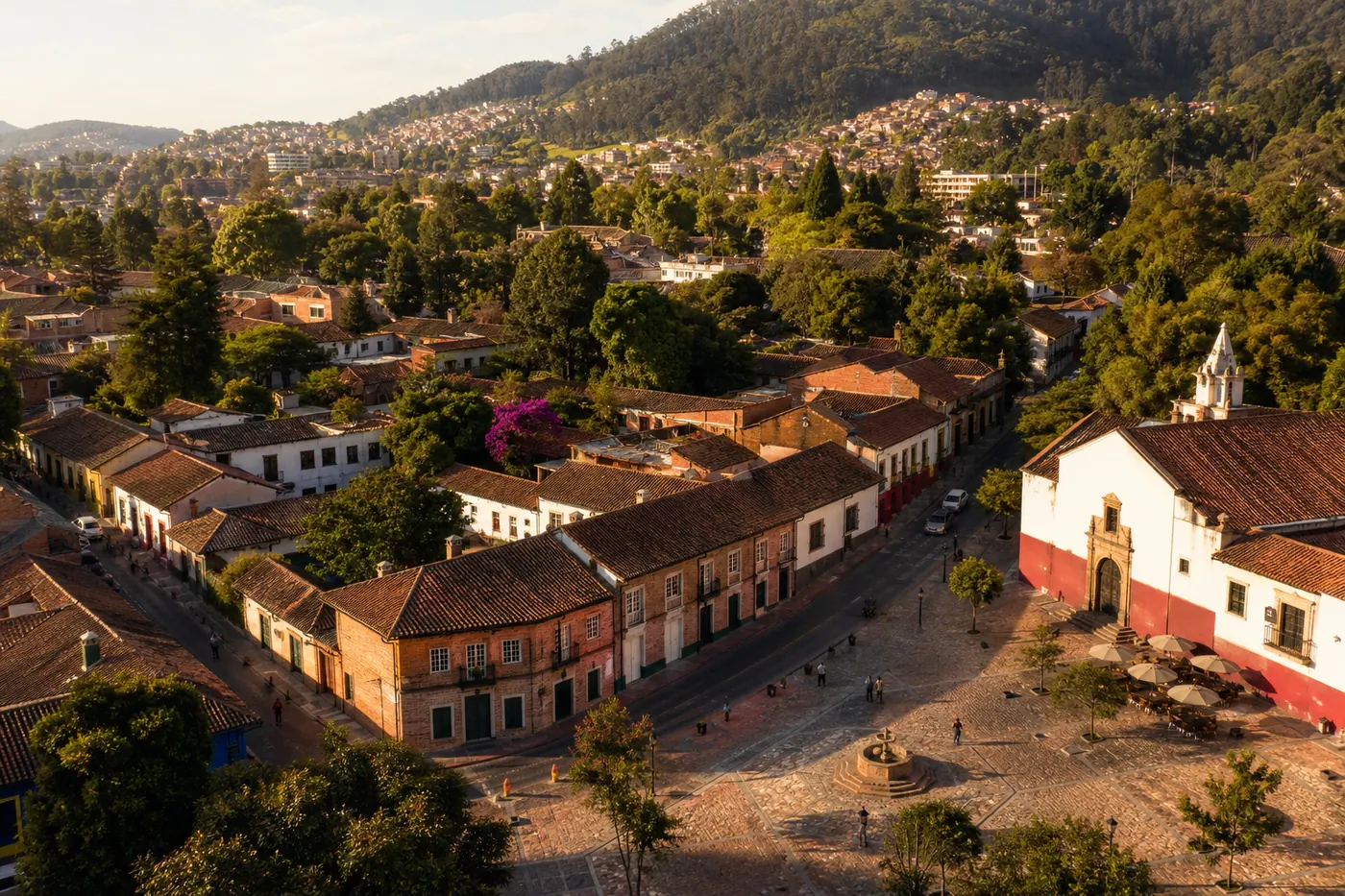
Chapinero and Usaquén have lots of temporary rental supply. A furnished studio in those areas ranges from $1,800,000 to $3,200,000 COP with utilities. In Teusaquillo or Suba you can go down to $1,200,000–$1,700,000 COP. Bogotá is generally more expensive than Medellín for temporary rentals of similar quality.
Cartagena and coastal cities
Prices go up in high season (December–January, Holy Week). Off-season, an apartment in Bocagrande per month can be $2,500,000–$4,500,000 COP furnished with A/C. In more residential neighborhoods like Manga or Pie de la Popa, things improve quite a bit.
General rule: if the price seems incredibly low for what they're offering, it's a red flag. A well-located, furnished studio with good WiFi connection and utilities included won't cost $600,000 COP per month.
Where to search for temporary rentals in Colombia
The problem with temporary rentals is they're not all in one place. You have to combine several sources:
Colombia Move — classifieds with no commission
The directory of rentals in Colombia Move has apartments posted directly by owners, without going through a real estate agency. You can filter by city and see real prices. The good thing is you can contact the owner directly and negotiate the price or duration without an intermediary.
Facebook and WhatsApp groups
They're the most active but most chaotic source. Search on Facebook for 'apartamentos amoblados Medellín', 'arriendos temporales Bogotá' or the specific neighborhood name. Expat groups also have offers: 'Expats in Medellín', 'Medellín Digital Nomads', 'Bogotá Expat Community'. The bad: there's quite a bit of spam and some ads haven't been updated in weeks.
Finca Raíz and Metrocuadrado
Traditional portals have filters for 'furnished' and 'short-term rentals', but most of what appears are annual rentals. They're more useful for getting an idea of prices than for finding quality temporary options.
Airbnb for the first few days
If you arrive with nothing booked, Airbnb is the bridge for the first seven to ten days while you search for something longer. It's expensive per week, but it gives you time to explore the neighborhood and negotiate something monthly directly with local hosts. Many hosts have special prices for long-term bookings that don't appear published on the platform.
🏠 Furnished apartments by the month in Colombia Move
Hundreds of temporary rentals posted by direct owners. No real estate commission, with real photos and contact information.
See available rentals →What to check before paying (and before signing)
Temporary rentals have less regulation than annual ones, which gives more flexibility but also more risk. These are the points you can't skip:
Photo inventory from day one
Before handing over any money, document the apartment's condition with photos and video: furniture, appliances, walls, floors, doors. Send the photos to the owner via WhatsApp so there's a record with a date. When you leave, that evidence is what prevents them from deducting from your deposit for repairs that already existed.
Deposit and return conditions
The standard deposit for temporary rentals in Colombia is one or two months of rent. Watch out: there's no legal obligation for it to be exactly that amount, so negotiate. What's important is that it's clear in writing when and under what conditions they return it. If the owner resists writing it down, that's a problem.
Utilities — included or separate?
This is what causes the most confusion. 'Utilities included' can mean only water and electricity, or it can also include gas, internet and administration. Ask them to detail exactly what the rent covers. An apartment for $1,800,000 COP 'all-inclusive' can be a better deal than one for $1,400,000 without internet or water.
Written contract, even if brief
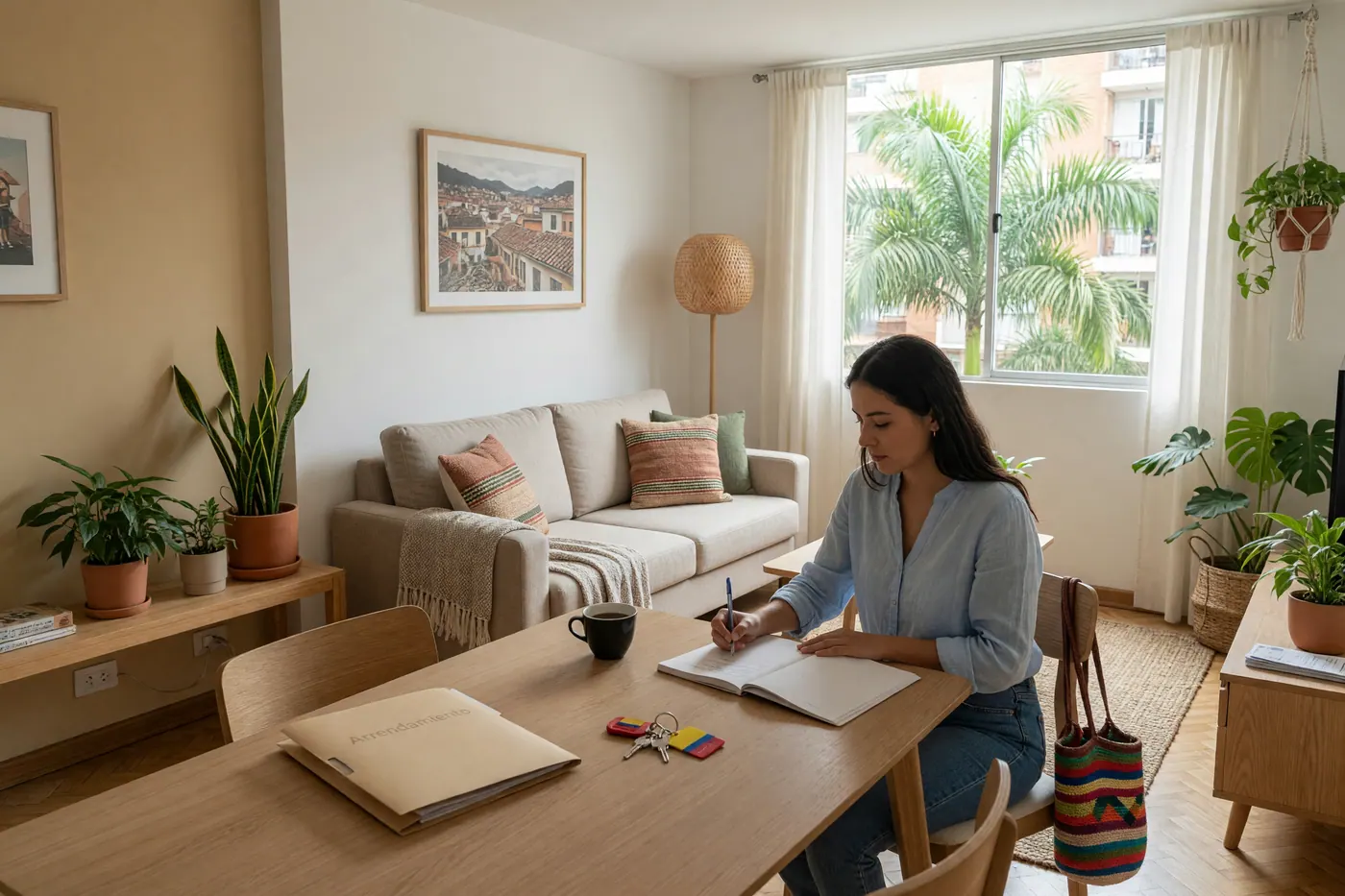
For stays of one month or more, insist on a written contract. It doesn't have to be elaborate: names of the parties, address, rent amount, start and end date, deposit conditions. That's enough to have backup if a problem comes up. An owner who won't sign anything deserves suspicion.
The most common scams in temporary rentals
The temporary rental market attracts more scams than the normal market, especially when the searcher is a foreigner or returnee in a hurry. The most frequent ones:
- Ad with photos stolen from Airbnb or another portal — do a reverse image search before paying anything
- Asking for full deposit before seeing the apartment in person — never pay without seeing it yourself
- Price well below market for the area — if it's $500,000 COP less than everything else, something's wrong
- Owner who 'is abroad' and can only help you via WhatsApp — classic
- Apartment that doesn't match the photos exactly — check the address on Google Street View before your visit
The best protection is always visiting before paying, not transferring money until you have the key in hand, and using platforms that have some rating system or identity verification.
When it makes sense to switch to an annual lease
Temporary rental is expensive if it extends beyond three months. The difference can be $400,000 to $800,000 COP per month compared to an unfurnished rental, depending on the area. If you already know you'll stay more than four months in the same city, start looking for annual rentals from the second month.
The process of getting a long-term rental has its own obstacles if you don't have Colombian credit history — especially for returnees or foreigners. In that case, a rental insurance policy or a cash deposit can replace a traditional guarantor.
Use the map to explore by neighborhood
A useful Colombia Move tool is the map view of available rentals. You can zoom into the neighborhood you're interested in and compare prices from different areas at the same time, without having to do separate searches. It's especially useful when you're still deciding which area to stay in.
Frequently asked questions
❓ Do I need a Colombian ID to rent temporarily?
Not necessarily. For short rentals between individuals, the owner generally accepts a passport. If you go through a real estate agency, they may require a Colombian citizenship ID or foreigner ID. On direct platforms like Colombia Move, the arrangement is between you and the owner.
❓ Is a written contract required for temporary rentals?
Legally, residential rentals in Colombia are governed by Law 820 of 2003, which also applies to temporary rentals. A written contract is not legally required for periods under one year, but it's highly recommended. Without a contract, legal protection is very limited if a dispute arises.
❓ Can I negotiate the price of a temporary rental?
Yes, especially if you're staying more than a month. Many owners have a high season price and a different one for stays of two or three months. Offer to pay one month in advance in exchange for a 10–15% discount. It works more often than you'd think.
❓ What do I do if the owner doesn't return my deposit?
If you have a contract and evidence of the apartment's initial condition, you can go to your city's Housing Department or directly to a Municipal Civil Court for summary verbal proceedings. Without a contract, the legal route is more difficult. That's why we insist on a written contract even if it's basic.
❓ How long does it take to find a decent temporary rental?
With active searching, between three and seven days. In cities like Medellín or Bogotá there's enough supply to be picky. The trick is to move fast when you find something good: well-located apartments at good prices don't last more than 48 hours available.
Do you have questions about your specific situation?
Every case is different — city, budget, visa, credit history. If you need more specific guidance, ask your question in the Colombia Move community at colombiamove.com/comunidad. There are people who have gone through exactly what you're experiencing.
Comments
Loading comments...
Checking sign-in status...