
Why the advertised price is not always the real price in Colombia
The price you see in the listing is just the starting point. We explain what else you'll pay — administration, utilities, insurance — and how to calculate the real cost before signing.
IDIOMA DEL ARTÍCULO
Showing original language
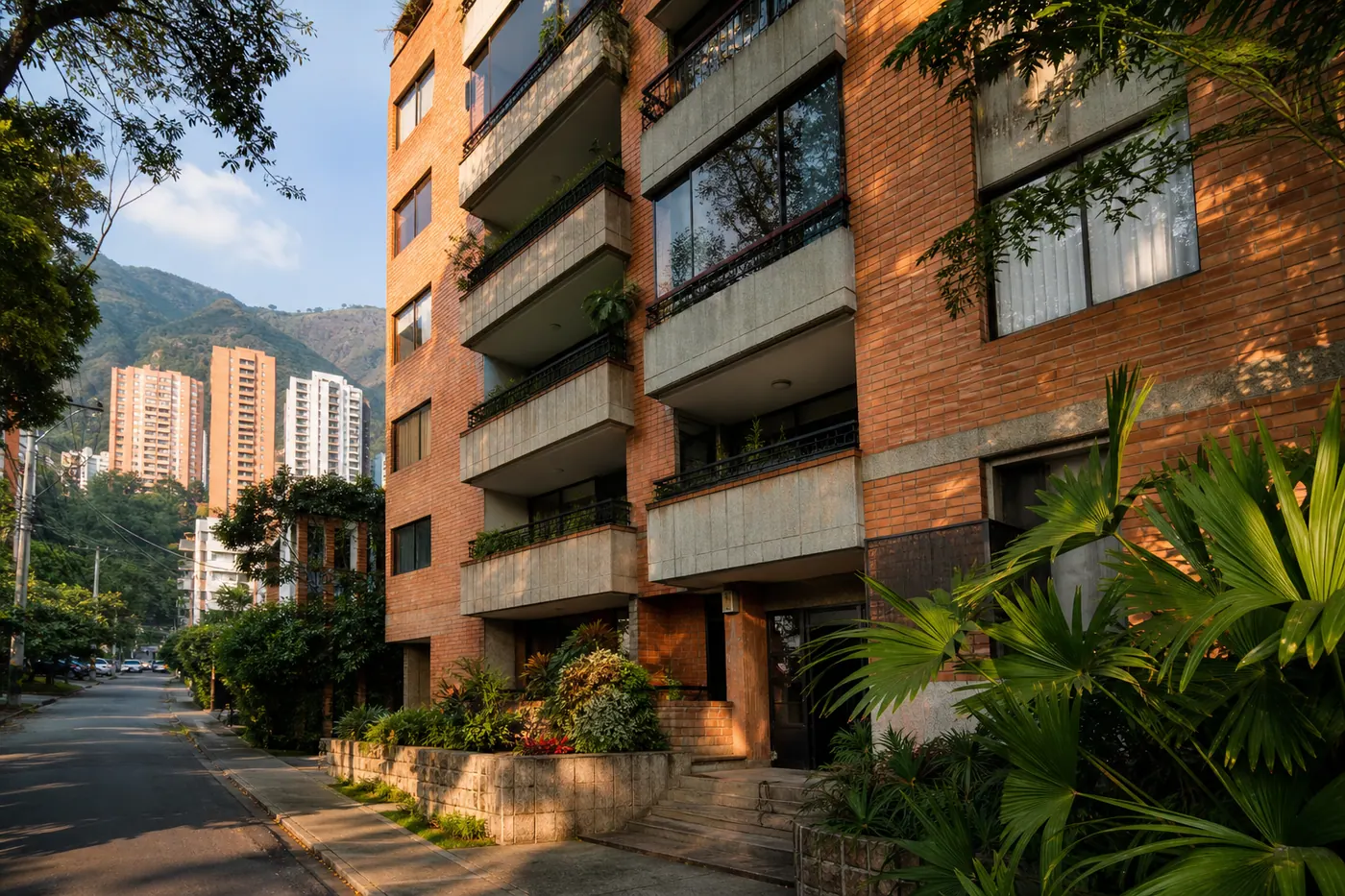
The first time I went to see an apartment in Chapinero, the listing said $1,100,000. Nice, with a balcony, well located. During the visit I asked how much everything was and that's when the 'extras' started appearing: administration of $280,000, which wasn't included. Services in that area were another $200,000 a month. And since I didn't have a co-signer, they asked me for rental insurance of $80,000 monthly. What was 'one point one million' had turned into almost 1.7 million before they gave me the key.
That happens every day in Colombia. It's not fraud — it's simply how the rental market works. The price posted on Finca Raíz, in WhatsApp groups, on any platform, almost always shows only the rental fee. Everything else is negotiated or discovered during the visit. If you want to see real options right now, you can see farms and lots available in Colombia Move — posting is completely free.
The real problem is that nobody tells you what that 'everything else' is upfront. A rental of $1,500,000 in a residential complex in stratum 5 can have administration of $500,000. One of $900,000 on a second floor without a complex may have no administration. They're not comparable, but on portals you see them side by side as if they were.
📋 What you need to know first
- The posted price = only the rental fee. Rarely includes anything else.
- Administration: between $80,000 and $600,000 additional depending on the type of property and stratum.
- Public services: $150,000–$450,000 monthly depending on stratum (not counting internet).
- Furnished: expect to pay 20–40% more than for the same property without furniture.
- Deposit and insurance: between 1 and 2 months of rental fee additional at the start of the contract.
- Practical rule: add 25–35% to the posted price to estimate the real monthly cost.
Administration — the cost that confuses most people
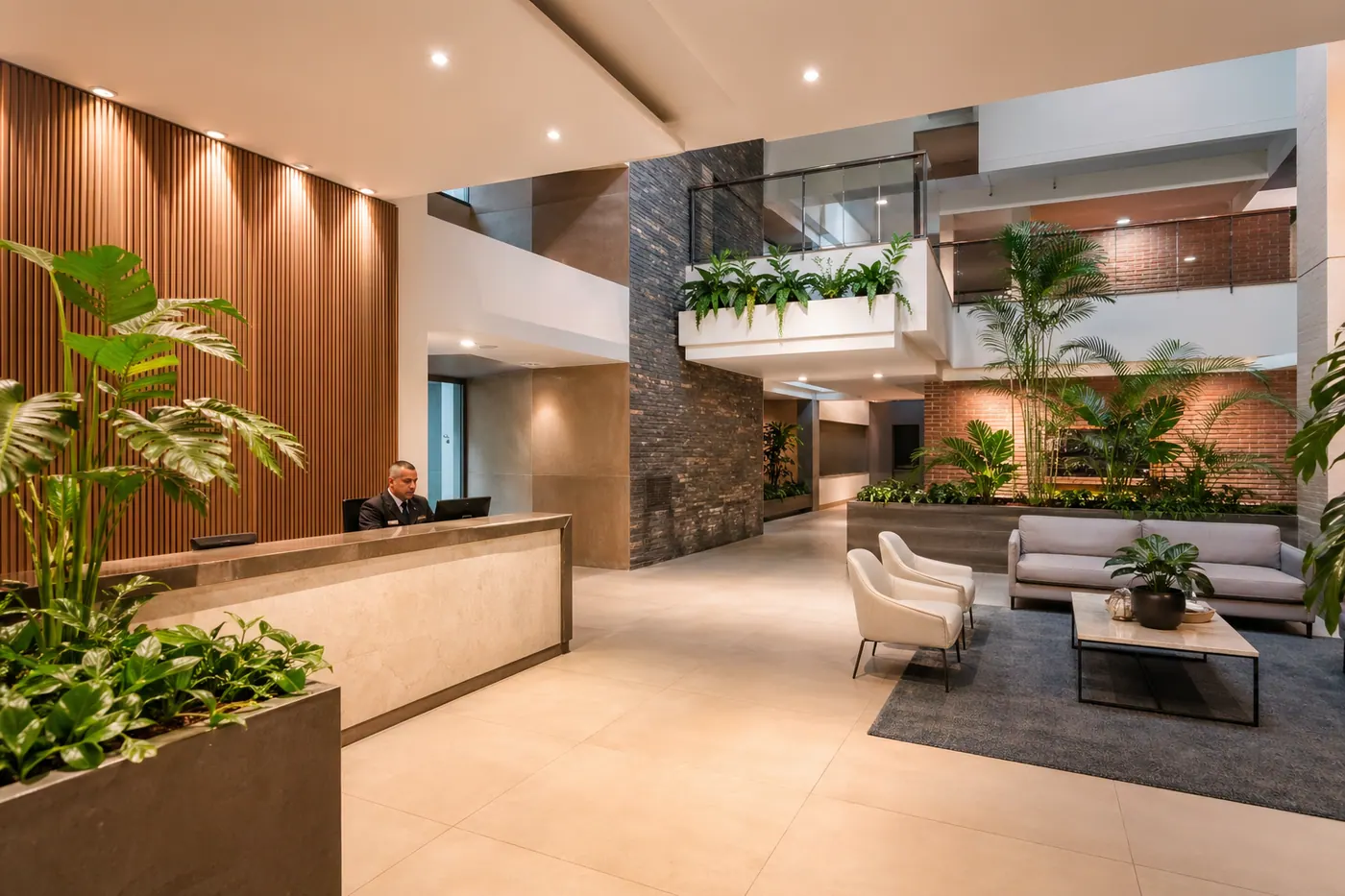
Administration is the most frequent charge that doesn't appear in the posted price. It covers maintenance of common areas, security, cleaning and shared services of the building or complex: parking, pool, elevators, green areas. An apartment in a building with 24-hour reception and a pool can have administration of $400,000–$600,000 a month. A house without a complex has none.
What many people don't know: administration is not fixed for life. It's set by the assembly of co-owners each year and almost always goes up. If you sign a rental contract in January, the administration value you agreed to can change in the same period. The contract protects the rental fee — co-ownership charges are a separate matter.
Before signing, ask exactly how much the current administration is and if next year's budget is already approved. Some owners prefer to include it in the total fee to simplify — it's worth asking.
📖 Keep reading
What administration means in a rental in Colombia — everything you need to know about this charge before signing any contract.
Public services — the most unpredictable variable
Water, electricity and gas are not included in any fee unless the listing specifically states it. And the differences between strata are bigger than most people expect.
In Colombia services are charged by stratification. Strata 1, 2 and 3 receive subsidies from the State; strata 5 and 6 pay higher rates that finance part of those subsidies. The same water consumption can cost three times more in stratum 6 than in stratum 2.
Reference for monthly services (water + electricity, average consumption)
| Stratum 2–3 | $80,000 – $150,000 |
| Stratum 4 | $150,000 – $250,000 |
| Stratum 5–6 | $250,000 – $450,000 or more |
Beyond this: gas ($30,000–$80,000) and internet ($60,000–$120,000) depending on plan and provider.
When you go to see a property, ask for the last three service bills. It's public information about the apartment and the owner shouldn't have a problem showing it to you. If they hesitate, it's a red flag — either consumption is high for some reason, or the property has leaks.

Furnished vs unfurnished — differences of up to 40%
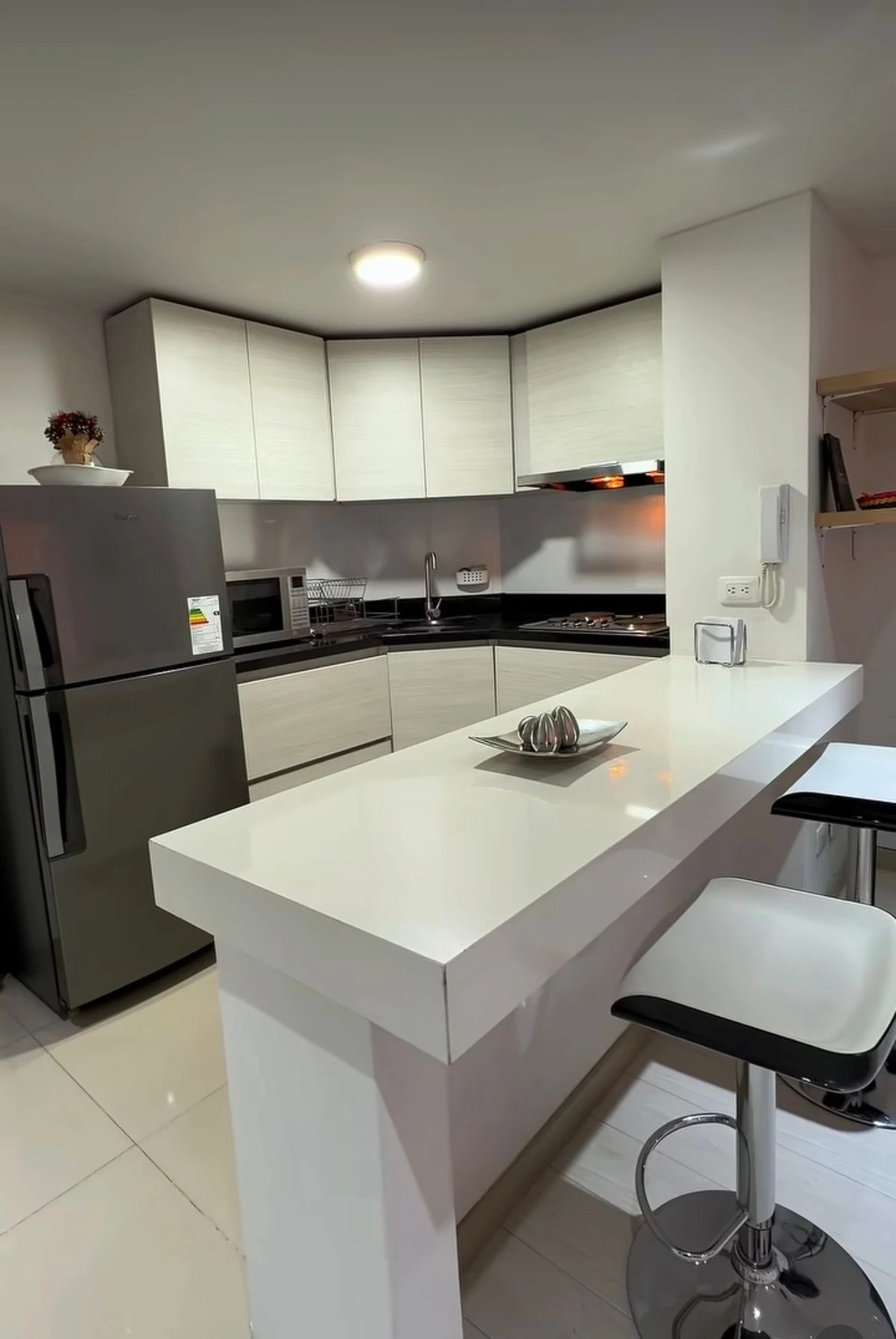
If the listing says 'furnished', expect to pay between 20% and 40% more than for the same property without furniture. That difference is completely legitimate — the owner assumes the wear and tear of appliances. The problem is that 'furnished' can mean very different things from one listing to another.
Some furnished units include a bed, refrigerator and stove — and nothing else. Others come with a washing machine, microwave, television, dishes and even blankets. Before visiting, ask specifically: is there a washing machine? does it have internet included? what appliances are there? A visit without that information can end in a long negotiation about what stays and what doesn't.
If you're staying for less than six months, it's almost always worth paying the furnished premium — going out to buy furniture for a short period makes no sense. For stays of a year or more, unfurnished is usually the cheapest option in the long run.
The deposit and rental insurance
Almost every rental contract in Colombia requires one of these two things: a co-signer or rental insurance. For foreigners and those coming from another city, getting a co-signer is practically impossible. The alternative is insurance, which costs between 3% and 6% of the monthly fee, generally paid upfront for the entire year.
A rental of $1,200,000 can mean between $400,000 and $800,000 just in annual insurance. It's not a small charge and you have to account for it from the beginning, not just when the contract signing arrives.
In addition to insurance, a deposit is almost always requested: between one and two months of rental fee. It's returned at the end of the contract if the property is undamaged. Don't confuse it with the first month — they're separate charges, and there are owners who ask for both plus insurance. Add it all up before you commit.
How Casa Clara makes these costs visible
Casa Clara is the housing transparency layer we built at Colombia Move so this information is available from the first moment, without you having to call, ask and wait for a response.
Listings with the Casa Clara seal show if administration is included or additional, if the property is furnished, the stratum, the status of the listing (active, expired or rented) and the seller's context. The idea is that before contacting anyone you already have a clear picture of the real cost. You can see more about the project in our Casa Clara guide.
The questions you should ask before visiting
There's a set of basic questions that save you pointless visits and awkward negotiations. Asking them before scheduling a visit is completely normal — any serious landlord will answer them without issue.
- Does the price include administration? How much is it?
- What is the property's socioeconomic stratum?
- Is it furnished, semi-furnished, or unfurnished? What exactly is included?
- How much have utilities cost over the last three months?
- Do they ask for a co-signer or do they accept rental insurance?
- How much deposit do they ask for and when is it returned?
- When would it be available to move in?
With those seven answers you can already calculate the real monthly cost and compare on equal terms with other properties. A landlord who can't answer basic questions before the visit is almost always a sign that the negotiation is going to be complicated.
If you're already searching, this guide to comparing rental prices in Colombia helps you understand what factors justify the difference between two similar properties and how not to overpay.
📖 Keep reading
How to compare rental prices in Colombia without getting ripped off — the real factors that move the price and how to use them to your advantage.
Frequently asked questions
❓ Why doesn't the published price include administration?
By convention of the Colombian market. The administration is charged by the building or complex's condo association, not the landlord directly, and it varies each year according to the budget approved by the assembly. Landlords publish the rent because it's the value they receive — the extras are charged by someone else. Some landlords include it voluntarily to facilitate negotiation, but it's not the norm.
❓ How do I know if an administration fee is expensive or cheap?
In stratum 3–4, a reasonable administration fee is between $150,000 and $280,000. In stratum 5–6, between $300,000 and $500,000. If it exceeds that range, ask what it includes: 24-hour security, pool, gym, and community room justify higher amounts. If the building doesn't have any of those services and the administration is high, it's a sign of poor financial management by the condo association.
❓ Can I negotiate the administration fee directly with the landlord?
You can't lower the amount set by the condo association, but you can ask the landlord to include it in the total rent. Some accept absorbing it themselves in exchange for a slightly higher rent — which simplifies tracking your monthly expenses. It's worth asking during negotiation.
❓ What does 'stratum' mean and why does it affect what I pay?
Socioeconomic stratum (1 to 6) classifies properties according to the neighborhood's level and determines utility rates. Lower strata receive subsidies from the State; strata 5 and 6 pay higher rates. The municipality assigns the stratum and it doesn't change easily — it's part of the property's address. Always ask the stratum before visiting, especially if you want to estimate utility bills.
❓ Is there a way to see the total cost before contacting the landlord?
On Colombia Move, listings with the Casa Clara seal show administration, stratum, and property condition from the ad. On other portals, you'll have to ask directly. As a general rule, add between 25% and 35% to the published rent to have an estimate of the real monthly cost for an apartment in a complex in stratum 4 or higher.
Comments
Loading comments...
Checking sign-in status...