
How to take photos that sell a house or apartment in Colombia
The difference between an ad that gets messages and one that doesn't almost always has the same explanation: the photos. Here is the practical guide to doing it right with your cell phone.
IDIOMA DEL ARTÍCULO
Showing original language
Last week I reviewed an apartment in Envigado that should have sold in three days. Three bedrooms, remodeled kitchen, balcony with a view. The price was fair. It had been listed for four weeks and had received two messages.
The photos were a disaster. Eight photos taken at night, from the back of the rooms, with the phone flash off half the time. The living room looked like a storage closet. The bathroom didn't even appear in the photos. The only exterior angle was a shot from below, backlit, where the balcony looked like a grey patch. If you want to see real options right now, you can see apartments and houses on Colombia Move — posting is completely free.
The apartment was nice. The photos said otherwise. And the buyer never gets to know the difference. If you have a property listed—or are about to list one—this is the change with the biggest impact you can make. You don't need to hire a photographer. You need to know exactly what to photograph, how to do it with your phone, and which specific mistakes are scaring off buyers.
Why photos decide before price
Before reading the price, before reading the description, the buyer has already made an unconscious decision upon seeing the thumbnail. If the photo doesn't generate interest, the ad isn't opened.
It is not an exaggeration. Platforms display results in a grid: the eye scans dozens of thumbnails in seconds. A poorly lit, blurry photo, or one showing a messy space goes completely unnoticed.
What works worst: night photos with direct flash, shots from the door where the room's contents block the view, and photos where clothes, boxes, or clutter are visible in the background. Not because the buyer is picky, but because their brain registers that as neglect—and automatically transfers it to the property and the seller.
What you need (hint: you already have it)
You don't need a DSLR camera. You don't need a professional tripod or a drone. Most cell phones manufactured after 2020 take good enough photos to sell a property, provided you use them well.
- A clear day, or at least a morning with good natural light
- 20-30 minutes to tidy up each space before photographing it
- A cloth to clean the phone lens (seriously, it makes a difference)
- Knowing which photos to take and in what order
That is the entire kit. What changes the results is the judgment, not the gadget.
The list of spaces: what to photograph and in what order
An apartment or house listing should have between 12 and 20 photos. Less than 10 creates distrust. More than 25 starts to become tiresome. The order matters: follow the logic of how someone would tour the property in person.
The spaces that matter most
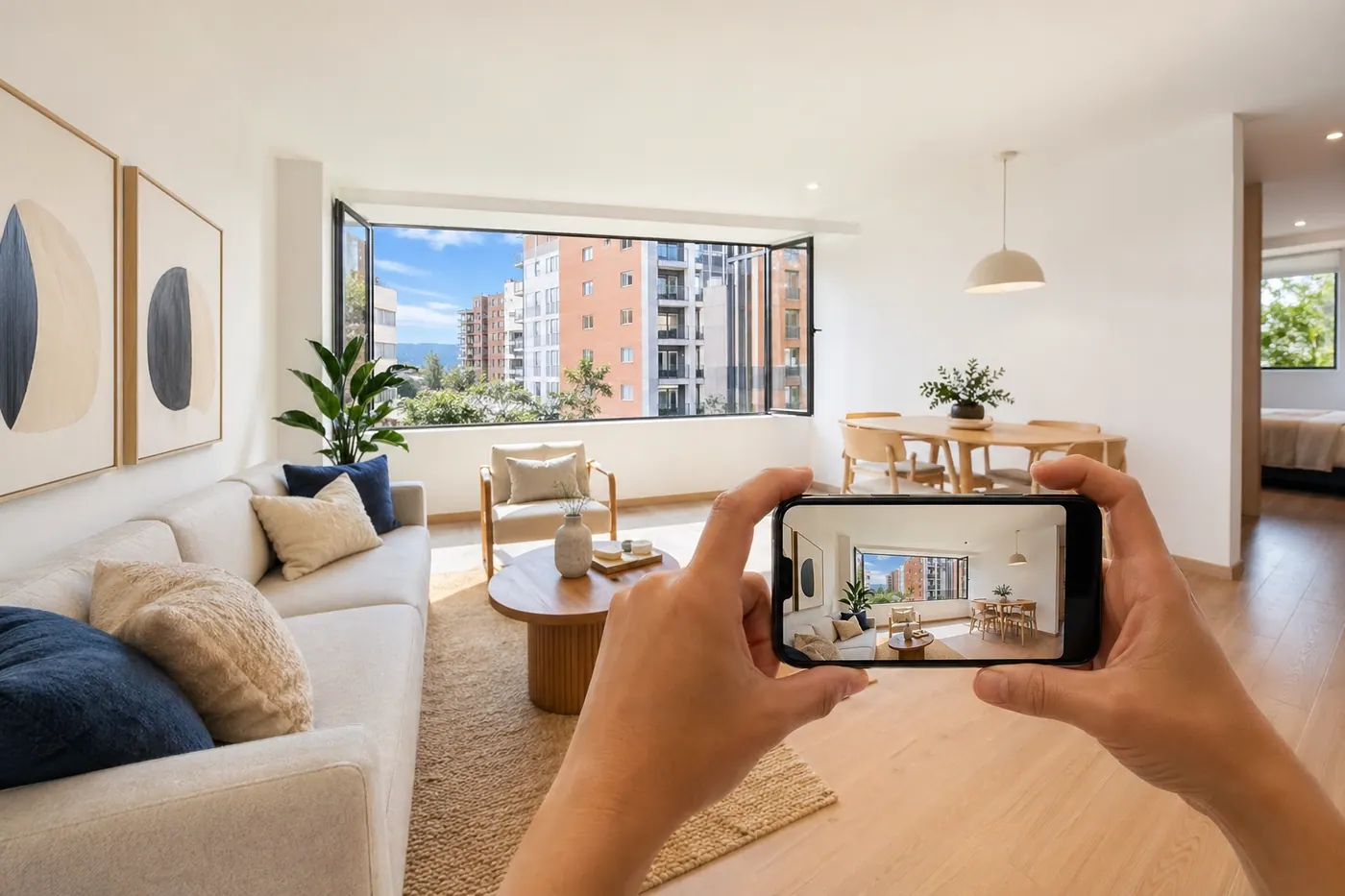
Living room or social area. This is the most important photo of the apartment. Take it from the widest corner of the room, with the windows in the background to let in natural light. If you have a sofa, a fridge visible from the living room, a dining room—make sure the integration of the space is visible.
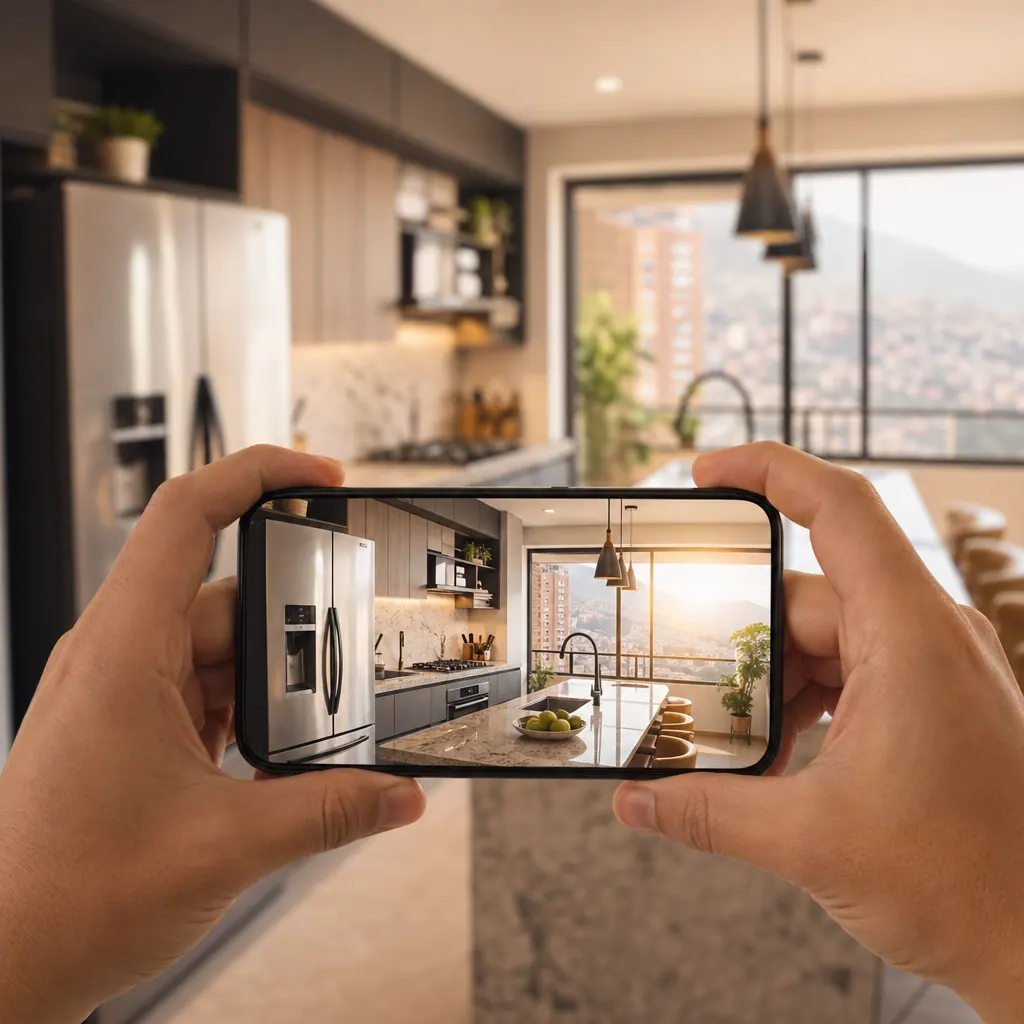
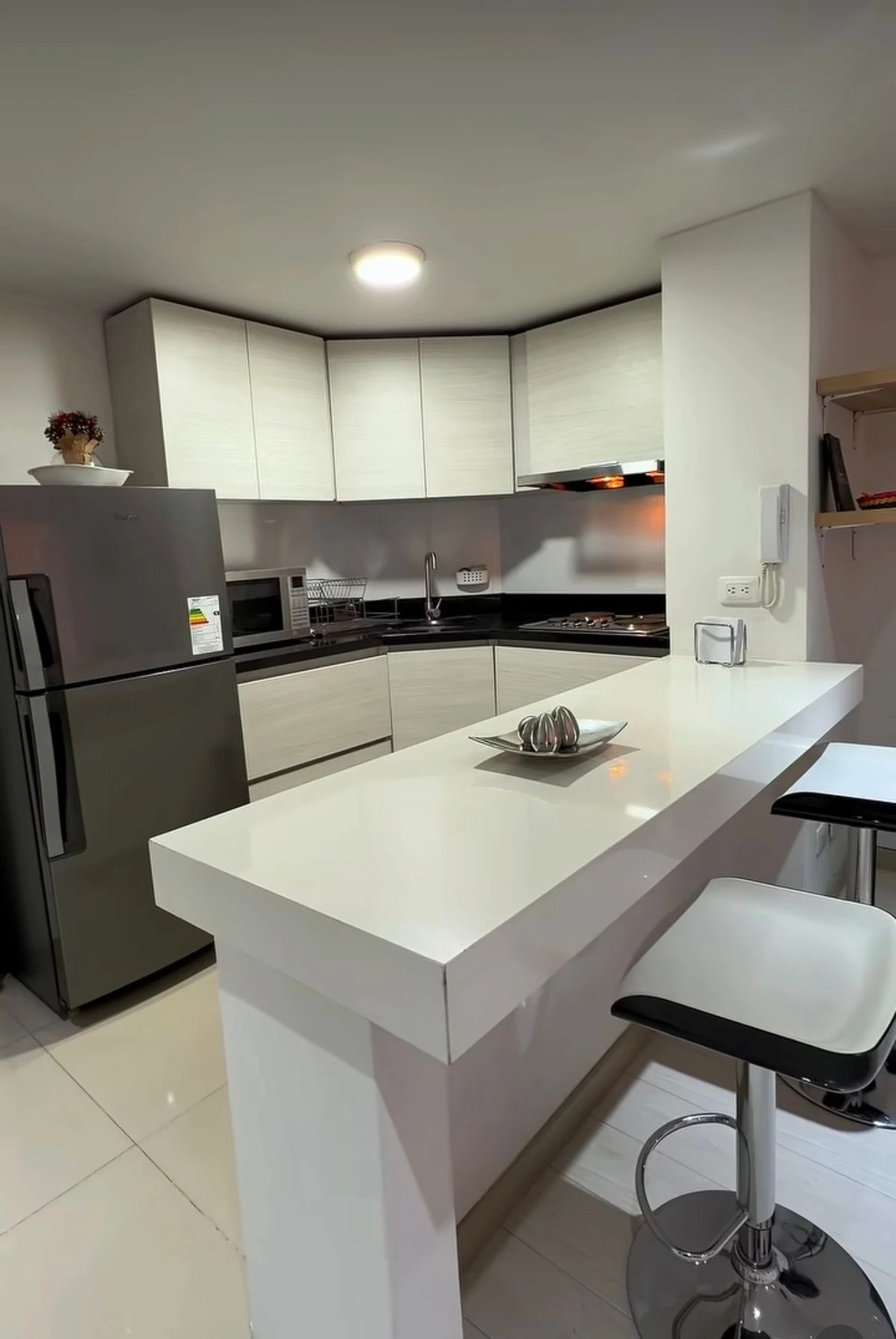
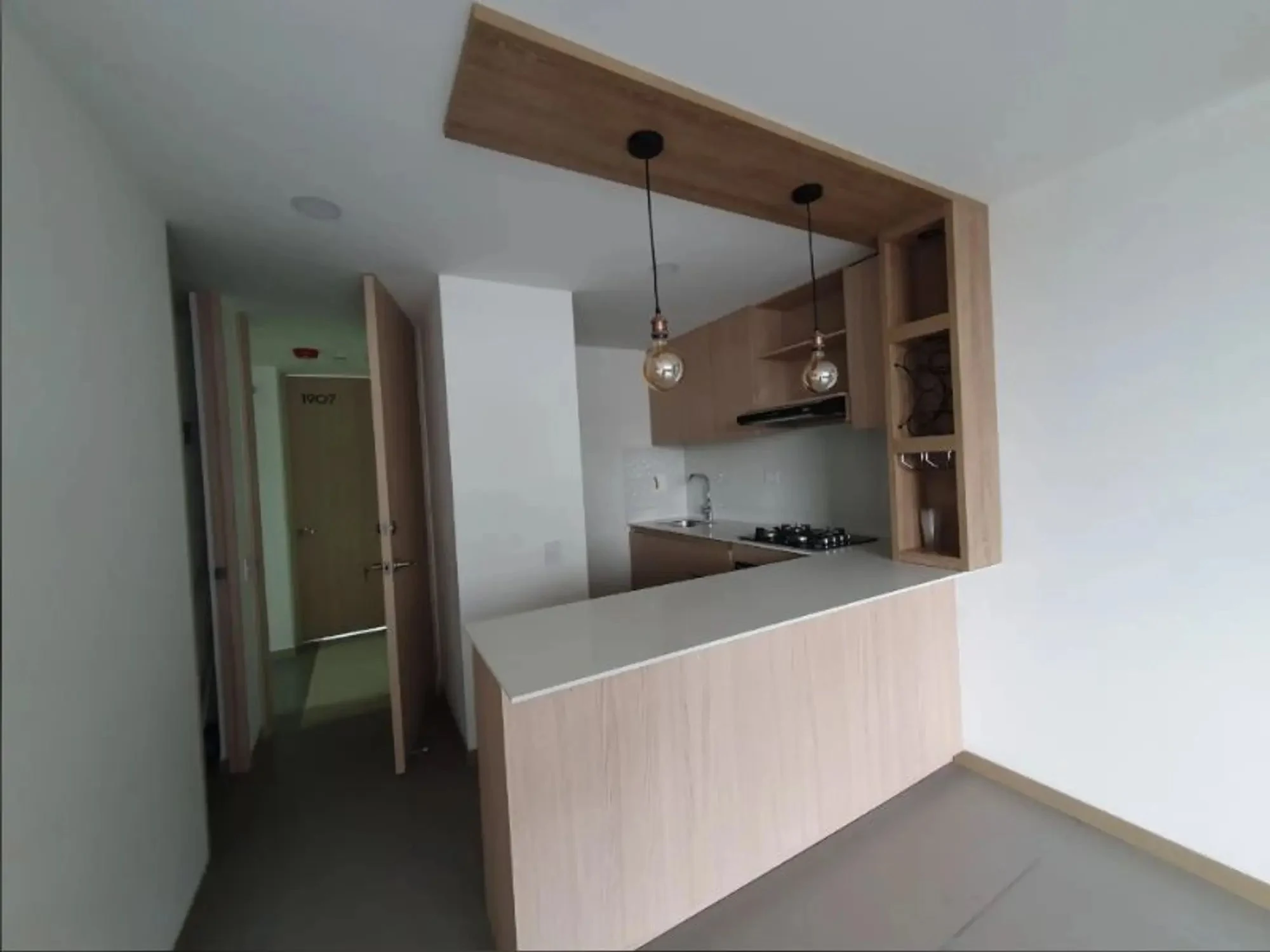
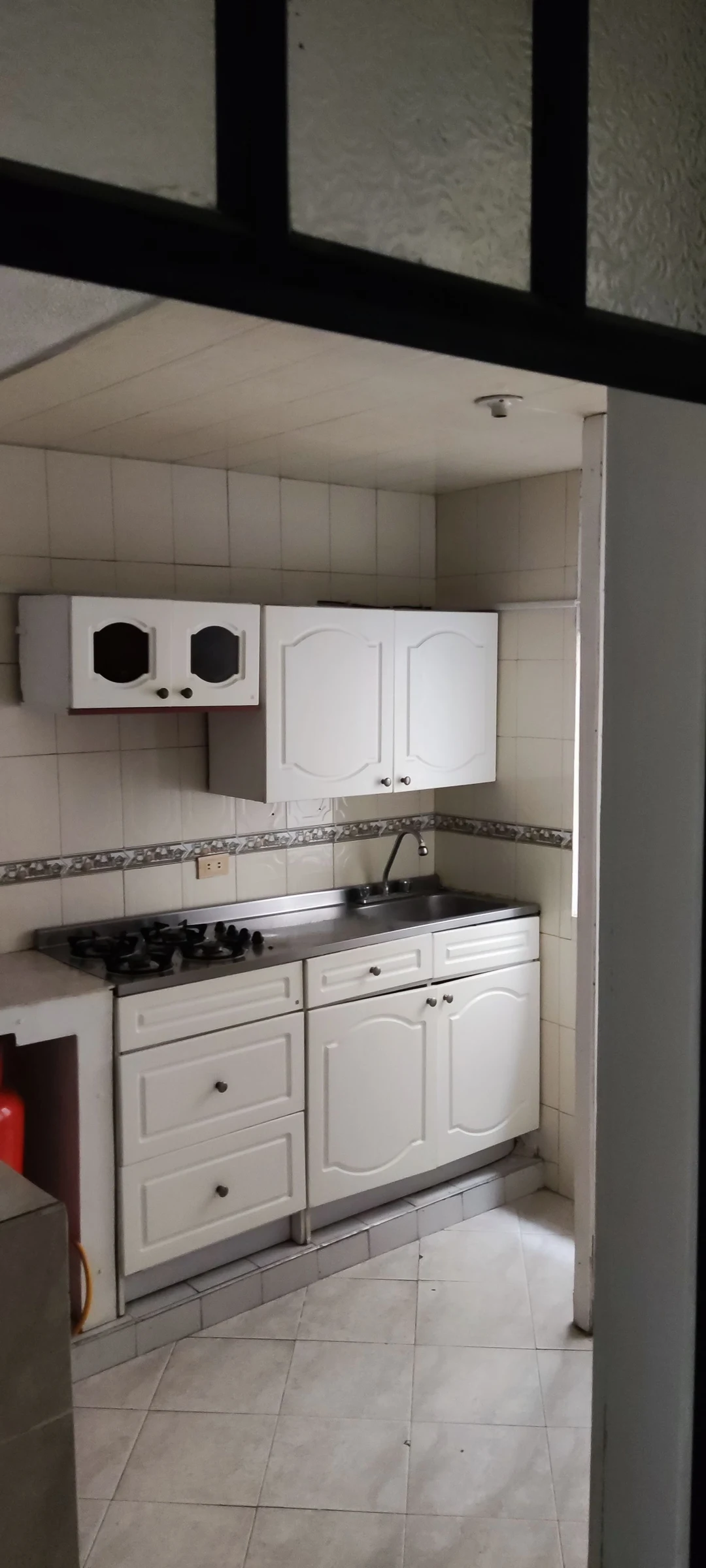
Kitchen. Always include it. Clean the stove, clear everything off the counter, put away what isn't being used. A decluttered kitchen looks bigger. Take the photo from the entrance, showing the counter and appliances.
Main bedroom. Bed made, cushions organized, no visible clothes. The photo should be from the corner opposite the bed, including the window if there is one.
Main bathroom. The most ignored space and the one that generates the most distrust if it looks bad. Clean the mirror, fold the towels, close the toilet lid. Take the photo from the door or from the sink pointing toward the back.
The spaces that cannot be skipped
View or balcony. If it exists, it is a key differentiator. Photograph it during the day with natural light. From inside pointing out—and also from outside if possible.
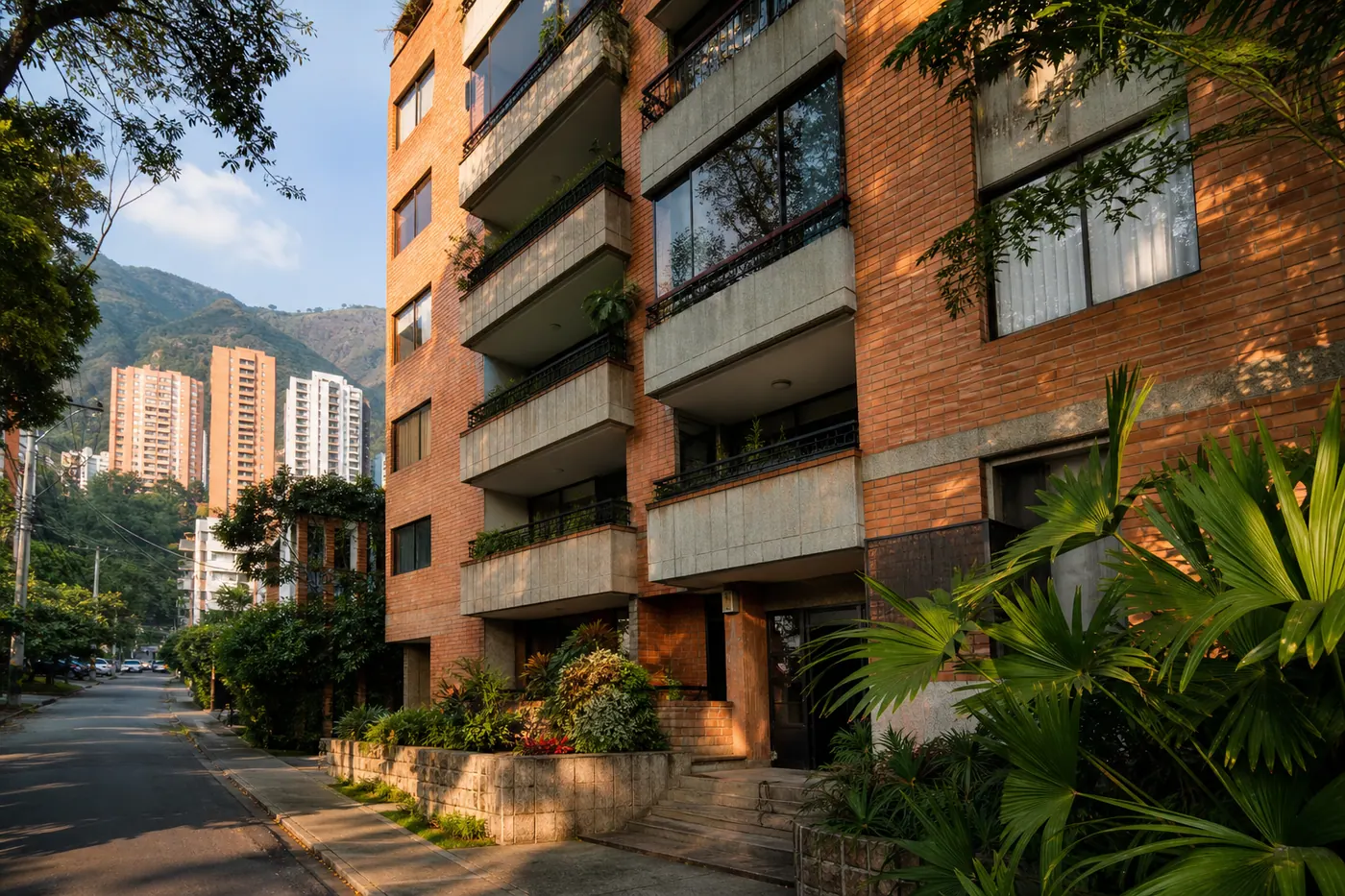
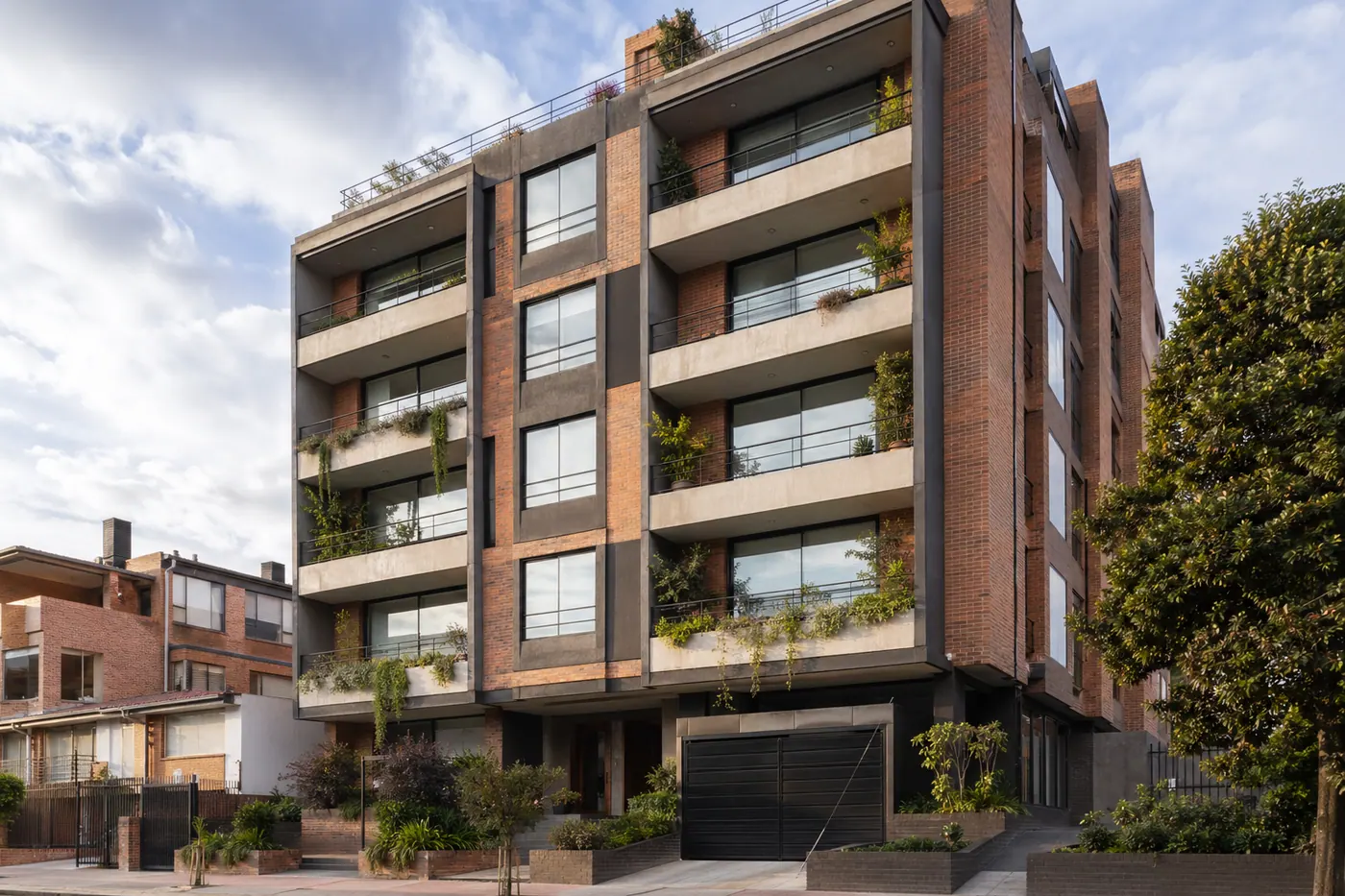
Facade or entrance. An exterior photo provides context. The buyer wants to know what the building or house looks like from the outside before scheduling a visit.
Parking space. If it comes with a parking space, show it. It is a valuable space and many buyers prioritize it—if it doesn't appear in the photos, they will ask anyway.
Common areas. If the building has a pool, gym, BBQ area, or lobby—take photos. They increase the perceived value and answer questions before they are even asked.
How to take each photo (basic mobile technique)
Natural light is everything
The number one rule of real estate photography: never photograph at night, never use the phone's flash, and never shoot against the light.
The ideal time in Colombia is between 9am and 12pm, or between 3pm and 5pm when there is good afternoon light. Open all blinds and curtains to the maximum before starting. If there is a window in the back of the room, stand with that window behind you—not behind the object.
If the space has little natural light, turn on all the ceiling and table lights before taking the photo. The combination of artificial and natural light usually works better than either one on its own.
The right angle for each space
For enclosed spaces like bedrooms, kitchens, and bathrooms: from the corner or the door, with the phone at waist height, slightly tilted upwards. This visually enlarges the space and avoids the flattened ceiling effect.
For facades and exterior areas: at eye level, from a distance that shows the entire building without it being cut off at the edges.
For details like new finishes, closets, or remodeled kitchens: get close enough for the detail to be seen without losing the context of the space.
Turn on the phone's grid (camera settings → grid) to keep horizontal lines straight. Nothing distorts a photo more than a crooked horizon.
The most damaging mistakes
I've been reviewing property listings for a while and these are the ones that appear most often:
Photos with people or pets. The buyer doesn't want to see the current owners in the space—they want to project themselves living there. Take the photos when there is no one in the frame.
Mirrors reflecting the photographer. Check each photo before uploading. If the bathroom mirror shows you with your phone raised, that photo is useless.
Vertical (portrait mode) photos for spaces. Rooms always look better in horizontal. The brain processes spaces that way. The only exception is very narrow closets or bathrooms.
Uploading only 3 or 4 photos. Unless it's a small shop or a rental room, few buyers will bother to ask if there aren't enough images to form a clear idea.
Unfocused or blurry photos. Tap the phone screen on the area you want to focus on before shooting. Don't rely on autofocus when there are objects very close to the lens.
Before uploading: the five-second filter
Before uploading photos to your listing, pass each one through this quick filter:
- Does the photo have good light? If it looks dark, it's not good.
- Is the background tidy? A single object out of place is a distraction.
- Is the photo horizontal? If not, it's for closets or very narrow spaces.
- Is someone reflected or in the frame? Delete that photo.
- Is it clearly visible what space it is? If you have to guess, it's not doing its job.
If a photo fails any of these points, it's better not to upload it than to upload it. A listing with 12 good photos always beats one with 20 photos where half are bad.
📖 Keep reading
Do you already have the photos ready? The next step is to publish the listing well from the beginning:
Frequently asked questions
❓ How many photos should an apartment listing in Colombia have?
Between 12 and 20 photos is the ideal range. Enough for the buyer to have a clear image of all the spaces, without overwhelming them. Less than 10 creates distrust; more than 25 starts to feel repetitive.
❓ Do I need to hire a professional photographer to sell my apartment?
For most properties, no. A modern cell phone with good natural light is sufficient. A professional photographer might be worth it if the property exceeds 500 million pesos or is in a very competitive market — but for the mid-range, the photos you can take yourself are perfectly effective.
❓ Is it better to photograph the apartment furnished or empty?
Furnished is almost always better. Furnished spaces help the buyer imagine what it would be like to live there — and they look larger and warmer than empty spaces. The only exception is if the furniture is very worn out or if the apartment has architectural details that the furniture is covering.
❓ Should I edit the photos before uploading them?
A slight adjustment of brightness and contrast is fine. What you shouldn't do is saturate the colors or use filters that change how the space actually looks — it creates distrust when the buyer comes to visit and it doesn't match what they expected to see.
❓ What is the best time of day to photograph a property in Colombia?
Between 9am and 12pm for apartments with north or south orientation, and between 3pm and 5pm if they have a west orientation. The goal is to take advantage of maximum natural light without direct sun creating harsh shadows. In cities like Medellín and Cali, weekdays tend to be clearer than weekends.
Do you have questions about how to improve your listing's photos? Share your questions in the Colombia Move community — other sellers and buyers can give you real feedback in minutes.
👉 Join the discussion at colombiamove.com/comunidad
Comments
Loading comments...
Checking sign-in status...