
How to Know If a Rental Listing is Real in Colombia
Before paying the deposit or reserving a property, learn to identify the signs of a fake rental listing in Colombia — and how to verify the owner without relying solely on their word.
IDIOMA DEL ARTÍCULO
Showing original language
Last year a friend sent me an ad for an apartment in Chapinero: three bedrooms, full kitchen, $1,200,000 a month. I asked how much they wanted for a deposit. "Just half a month," she replied. "And the owner is in Spain, he's sending me the contract by mail." That's when I knew something didn't add up.
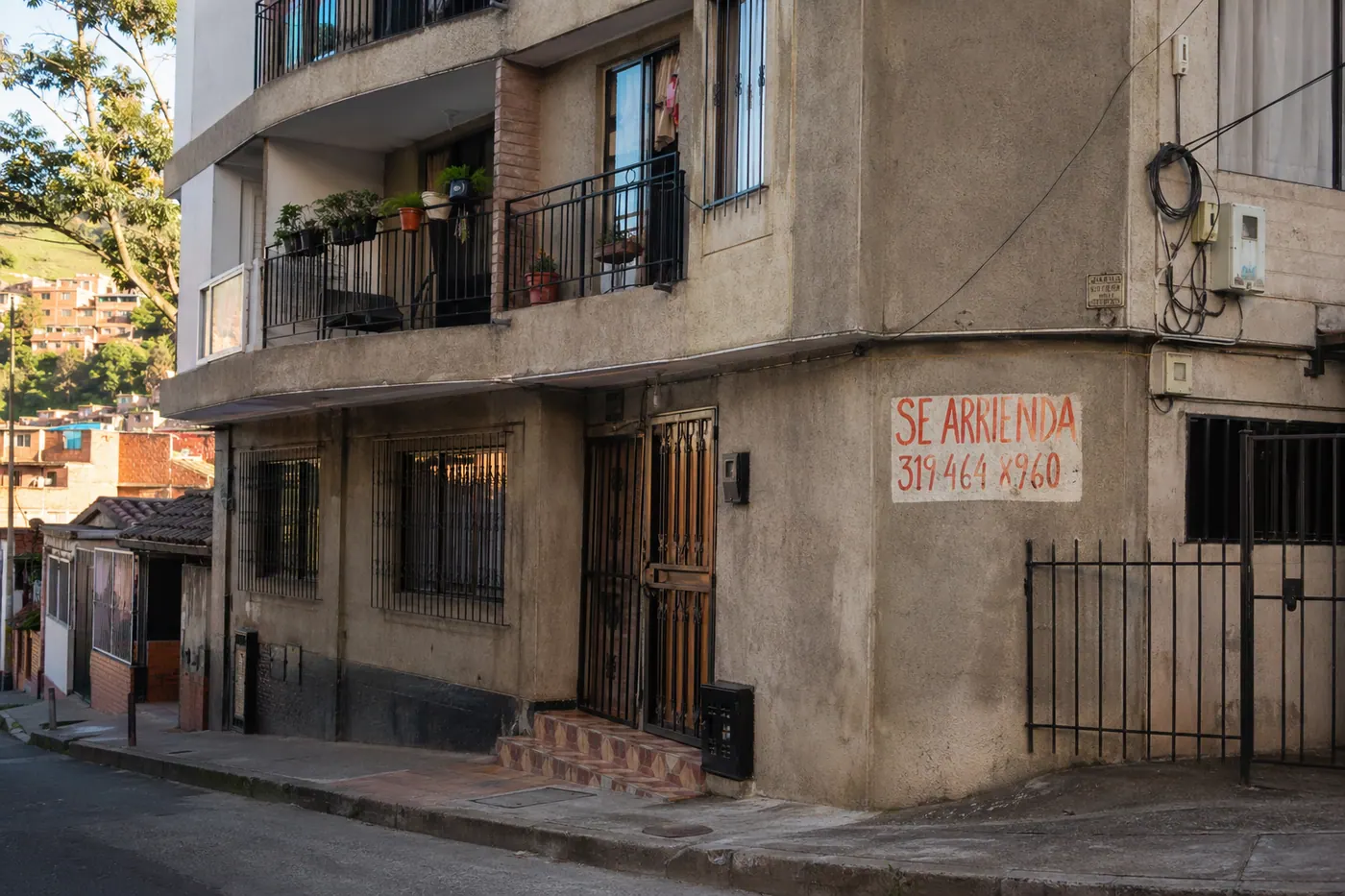
Rental scams in Colombia have grown along with housing demand. They work because renters are under pressure — they need a place, fast, and good prices disappear in hours. Scammers exploit that urgency. The pattern is always the same: attractive ad, below-market price, absent owner, and a "first payment to hold it" that never comes back. If you want to see real options right now, you can see apartments and houses on Colombia Move — posting is completely free.
This guide teaches you how to identify the signs of a fake ad before contacting the seller, what a legitimate listing must absolutely include, and how to verify what they're showing you before handing over a single peso.
The most common signs of a fake rental ad
The first filter is price. If you see an 80 square meter apartment in Laureles for $1,100,000 or one in Chapinero for $900,000, be suspicious. It's not impossible to find good prices, but when something is 30–40% below the neighborhood average, there's almost always a reason: either the property has a real problem (moisture, noisy first floor, problematic area) or the ad is fake. Before contacting, cross-check the price with other listings in the same neighborhood on portals like Colombia Move, Finca Raíz or Metrocuadrado.
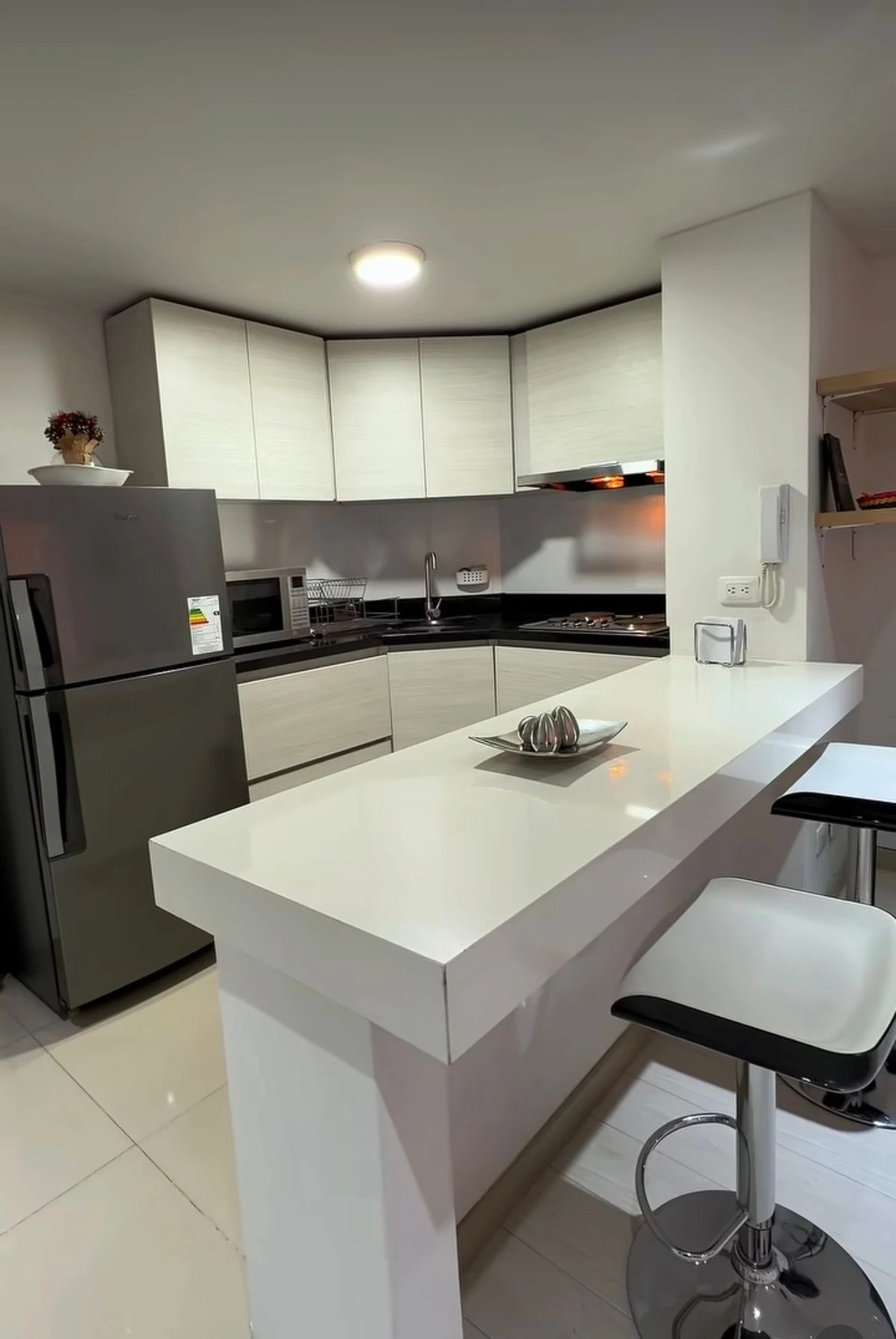
Photos also tell a story. Fraudulent ads frequently use images stolen from other listings or decoration Instagram accounts. The signs are clear: photos with watermarks from another platform, perfect resolution images but without context (no view from the window, no building or garage visible), or an apartment that looks like it came from a magazine but the price doesn't match the stratum. Do a reverse search on Google Images — drag the photo or use "search by image" — to see if that same image appears on another portal with a different address.
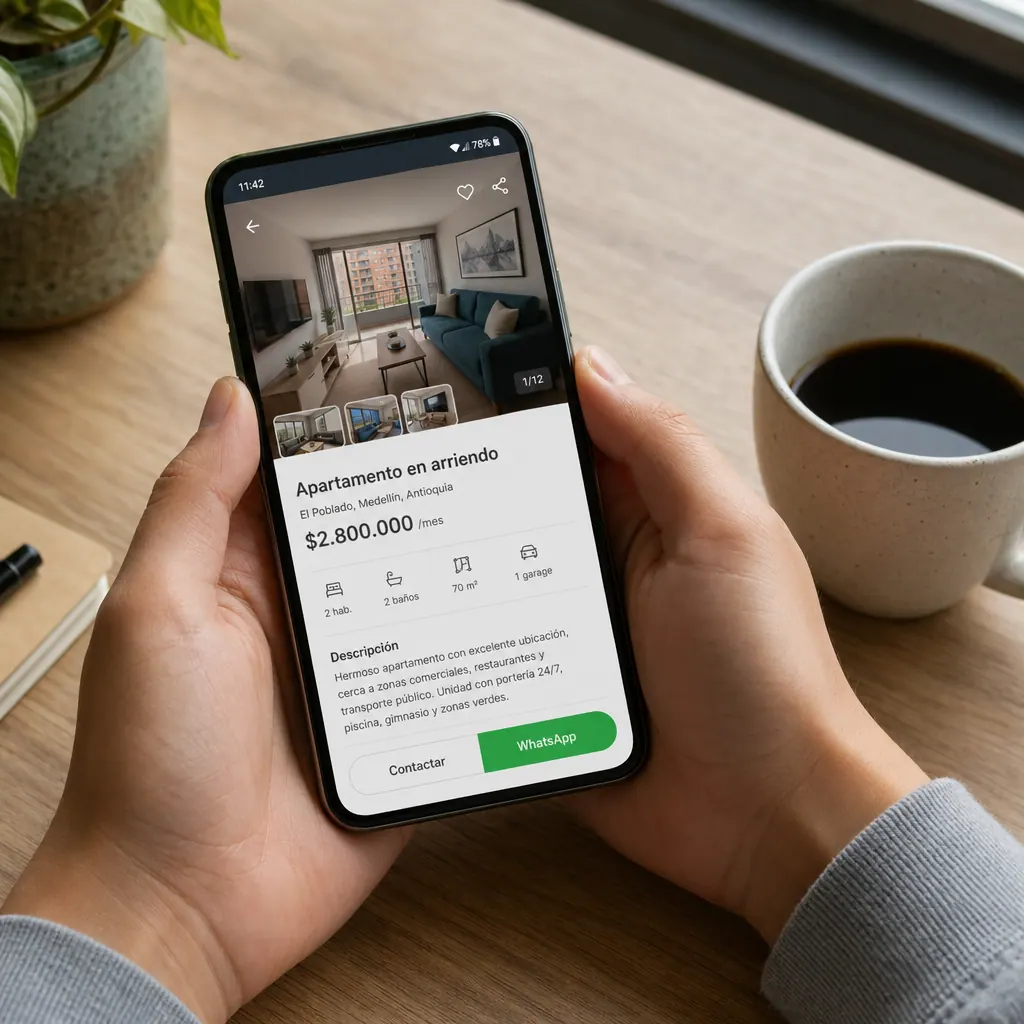
Contact information is also an indicator. A serious ad has a full name, cell phone or real estate agency number, and at least a partial address. Fake ads usually have only a WhatsApp number with no name or associated company. If the seller only responds via chat, never by call, and avoids video calls with any excuse, that's a serious red flag.
What a legitimate ad must absolutely include
A serious rental listing doesn't require the owner to be perfect, but the basic information must be complete. Pay attention to this:
- Neighborhood and approximate address — not just "north zone of Bogotá" or "west sector of Medellín"
- Area in square meters of the apartment and garage if applicable
- Administration fee separate from rent — in Colombia administration can range from $80,000 to $600,000 monthly depending on the complex; it must always be explicit
- Socioeconomic stratum — directly affects the cost of utilities
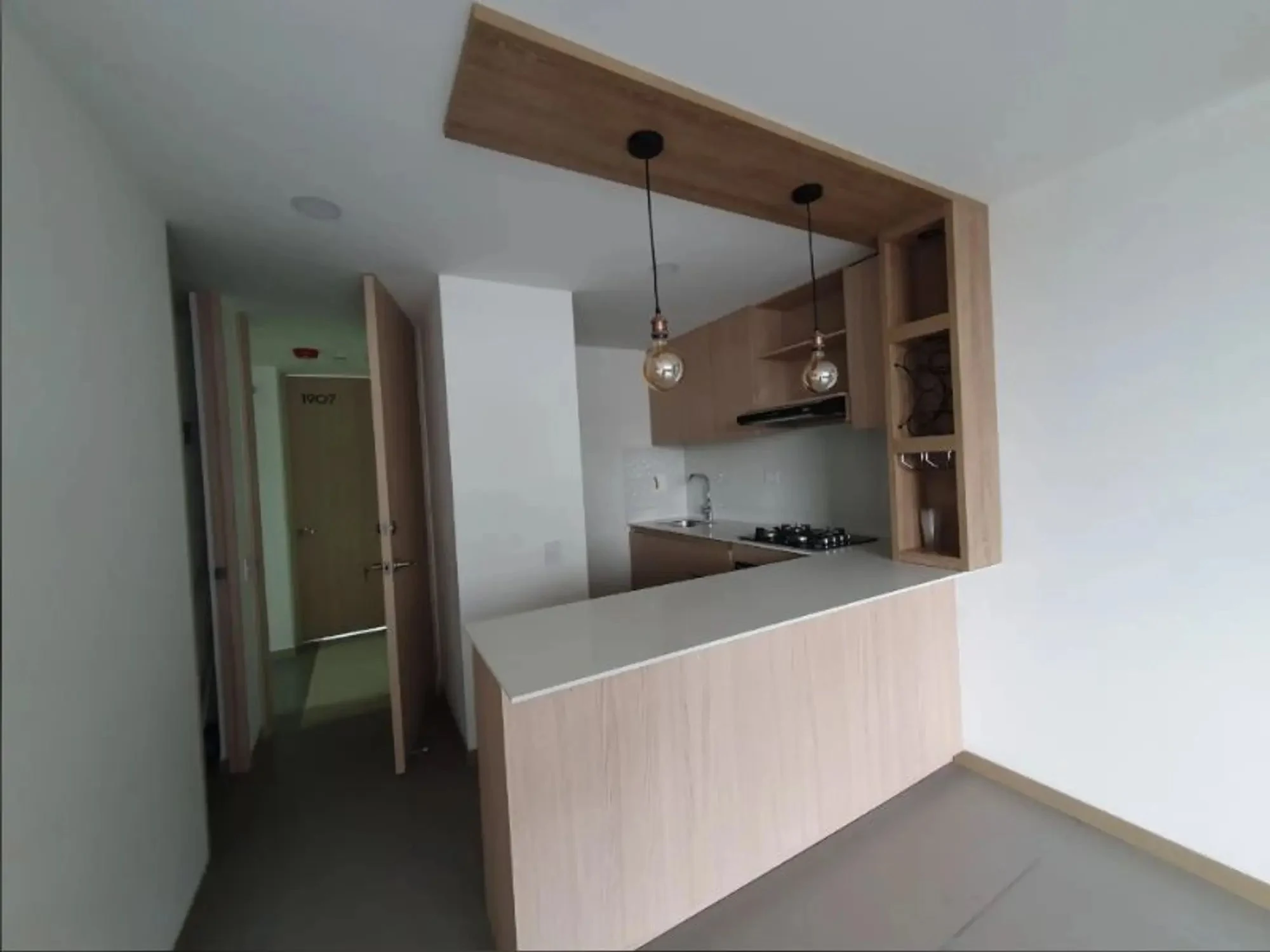
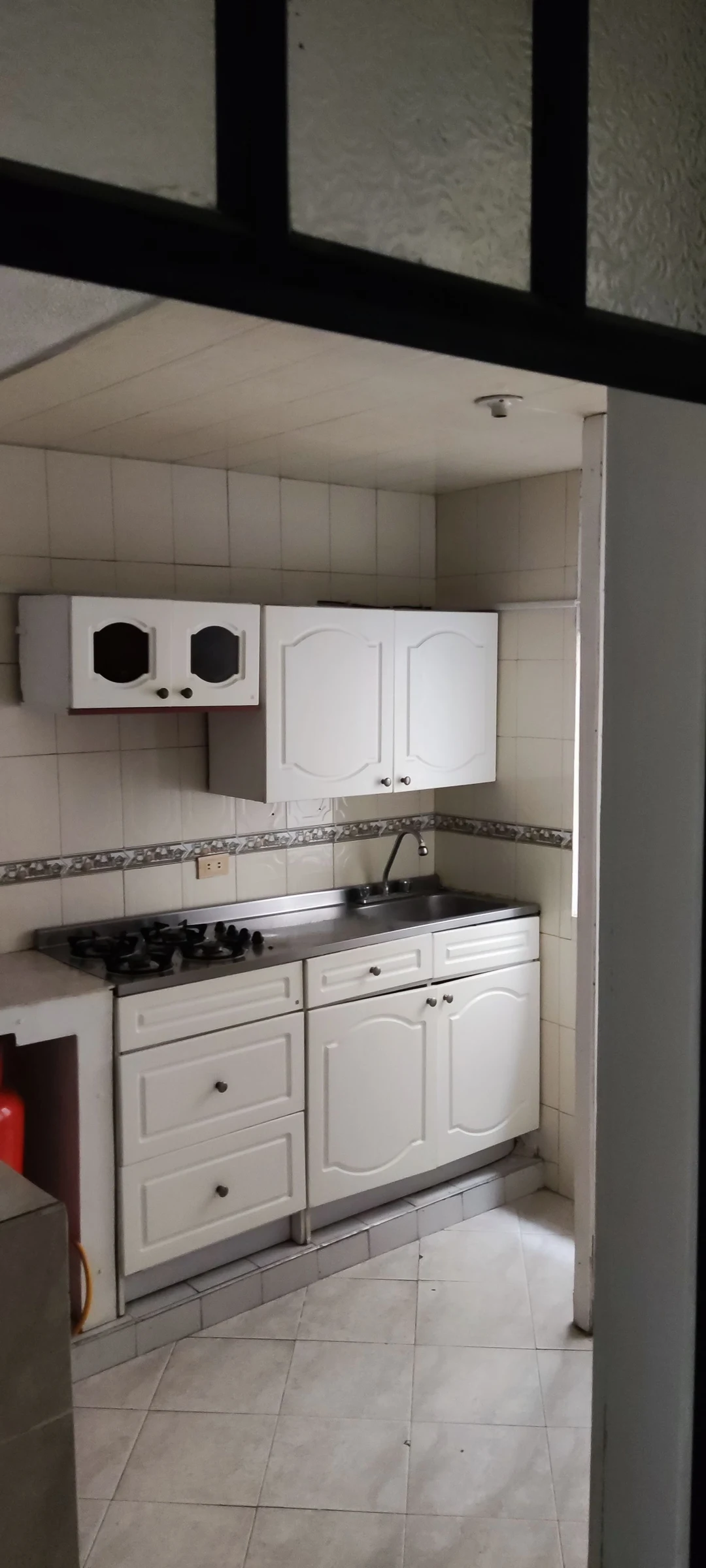
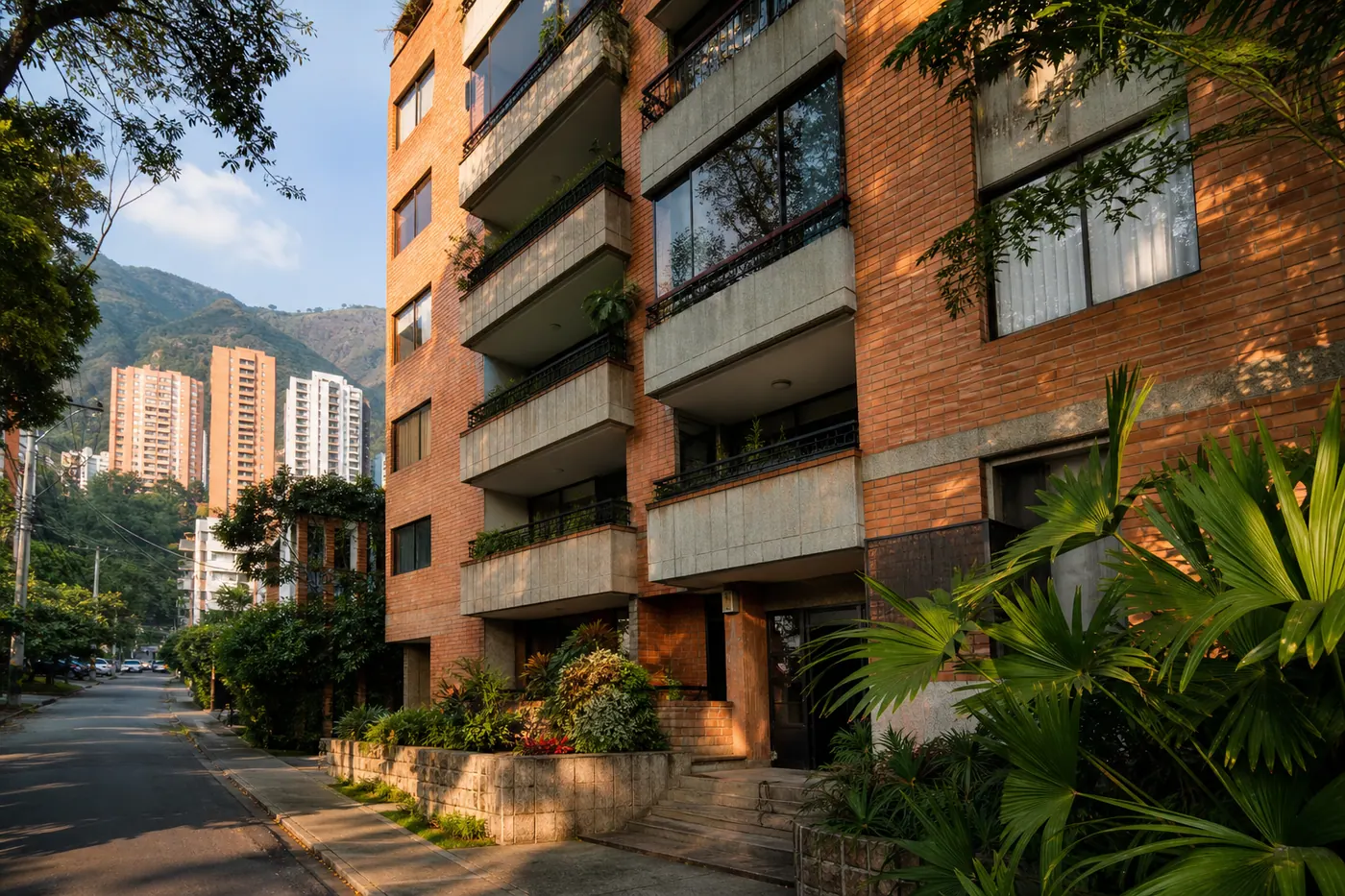
- Photos of the main areas: kitchen, bathroom, bedrooms, living room, and building facade
- Name and verifiable information of the owner or real estate agency
When an ad has all that information, it's much harder for it to be fraudulent. The level of effort to make it up would make the scam not worth it. Scammers look for minimum effort with maximum return — and a complete profile complicates things for them.
How to verify before paying a single peso
Before handing over any money — even to "hold" the property — do these verifications:
Reverse image search. Go to Google Images, upload a photo from the ad, and check if it appears on another portal with a different address or name. It's the fastest proof. 80% of fraudulent ads use stolen images.
Verify the WhatsApp number. A number with no profile picture, no visible status, and that only responds via chat but never accepts calls is suspicious. Ask for a short video call from the property. If the "owner" always has an excuse not to do it, that's a very serious sign. One excuse is normal; two or three excuses in a row, it's not.
Search the address on Google Maps or Street View. If the ad gives an address, verify it. Does the building exist? Does it have the number of floors the ad describes? Does the area match the stratum it mentions? Sometimes scammers put a real address from a different neighborhood than the one they claim.
Ask for the ID or property registration before any payment. A legitimate owner or registered real estate agency has no problem sending you that information. If they tell you that "comes after you hold the apartment," don't hold anything.
Visit the property before signing or paying. Any real owner wants to show you the place — they need to see the tenant too. If someone asks you for money without letting you visit the property in person, it's a scam. No exceptions.
The phrases that should set off all your alarms
There are expressions that rental scammers repeat so often they're already recognized patterns. If you hear any of these, stop everything and verify:
- "I'm abroad right now, but I'll send you the contract by mail" — classic. The absent owner is the basis of the fraud: they can't show the apartment, you can't verify anything in person.
- "To hold the property I need a first payment by Nequi" — no legitimate rental requires you to pay before signing the contract. Deposit and first month are paid at the time of signing.
- "Several people are interested in the apartment, if you don't pay me today you'll lose it" — artificial time pressure. Good properties do go fast, but a real owner gives you space to visit before deciding.
- "I'll give you a special discount if you pay the first three months upfront" — in Colombia there's no obligation to pay more than a deposit plus the first month. Three months upfront as a condition is a red flag.
- "We'll do the contract digitally, we don't need a notary" — rental contracts in Colombia don't require a notary, but they do require physical signature from both parties. A contract that "is signed by mail with no further process" can be invalid or manipulated.
Where to search for rentals with greater security
Casa Clara, the real estate transparency layer of Colombia Move, was built precisely to reduce this information asymmetry. Ads include exact neighborhood, area, administration fee separate, and the publisher's name with their public storefront — a profile that shows all active listings from that person and their history.
That changes the equation quite a bit. If a "landlord" has a storefront with a single listing, no history, and the photos look like they're from a magazine, that's a red flag. If they have 8 active listings, have been posting for months, and their profile is complete, the probability that it's real is much higher. It's not an absolute guarantee, but it's a filter that traditional portals don't have.
You can also search by specific neighborhood — Colombia Move has more than 200 neighborhood pages, like Laureles in Medellín or Chapinero in Bogotá — that let you compare real prices in the area before contacting anyone.
🏠 Looking for a rental with a verified seller?
On Colombia Move every listing shows who posted it, their history, and all their active listings. Searching and posting is completely free.
View available rentals →Frequently asked questions about safe rentals in Colombia
❓ Is it legal for the landlord to ask for several months of rent in advance?
The standard practice in Colombia is to ask for a deposit equivalent to one or two months of rent, plus the first month. There is no legal obligation to pay more than that in advance. If someone asks for three or more months without a signed contract, don't do it.
❓ How do I know if a rental price is within the market?
Compare with listings from the same neighborhood and stratum on portals like Colombia Move, Finca Raíz, or Metrocuadrado. Look for properties with similar area and with or without a garage. If the listing you're interested in is more than 25% below the sector average, investigate more before contacting. That discount is almost never free.
❓ What do I do if I've already fallen for a rental scam?
Gather all the evidence: screenshots of the conversation, the listing, the contact information, and receipts of any payments. Then file a complaint with the Fiscalía General de la Nación (online or in person) and with the police. If the payment was made through Nequi or Bancolombia, contact the financial institution immediately — in some cases the transaction can be blocked if reported quickly.
❓ Is it mandatory for the listing to include administration fees separately?
It's not a legal requirement for the listing, but it is a sign of transparency. In Colombia administration fees can range from $80,000 to over $600,000 monthly depending on the building and stratum. If it's not specified, ask before deciding — it can significantly change the real monthly cost.
❓ How do I verify if a real estate agency is real?
Search the name on Google and verify that it has a web presence, reviews on Google Maps, or registration in the chamber of commerce of its city. Legally established real estate agencies in Colombia have current real estate registration. If the seller says they represent a real estate agency but there's no reference to it online, be suspicious.
Did you have any experience with a suspicious rental listing in Colombia? Tell us in the comments — real stories help other readers identify these patterns before making the same mistake. And if you're looking for housing now, on Colombia Move you can post and search for rentals without paying commissions.
Comments
Loading comments...
Checking sign-in status...