
What does administration mean in a rental in Colombia
The administration fee is the most frequent hidden cost in Colombian rentals. This guide explains what it is, what it covers, how much it costs, and who should pay it.
IDIOMA DEL ARTÍCULO
Showing original language
When I found the perfect apartment in Envigado, the listing price made me happy: $900,000 monthly. But during the visit, the owner mentioned it almost in passing: 'administration is not included'. How much? $280,000 additional. Suddenly, the apartment 'at 900' cost almost 1.2 million a month.
Administration is the most frequent hidden cost in Colombian rentals and also the most misunderstood. Many people assume it's a minor charge or an optional procedure. It's not — and in high-income neighborhoods it can represent 25% or more of the total rental cost. If you want to see real options right now, you can see apartments and houses on Colombia Move — posting is completely free.
This guide explains exactly what the administration fee is, what it's required to cover, how much is charged by neighborhood and city, and what questions to ask the owner before signing any contract.
What is the administration fee (and why does it exist)
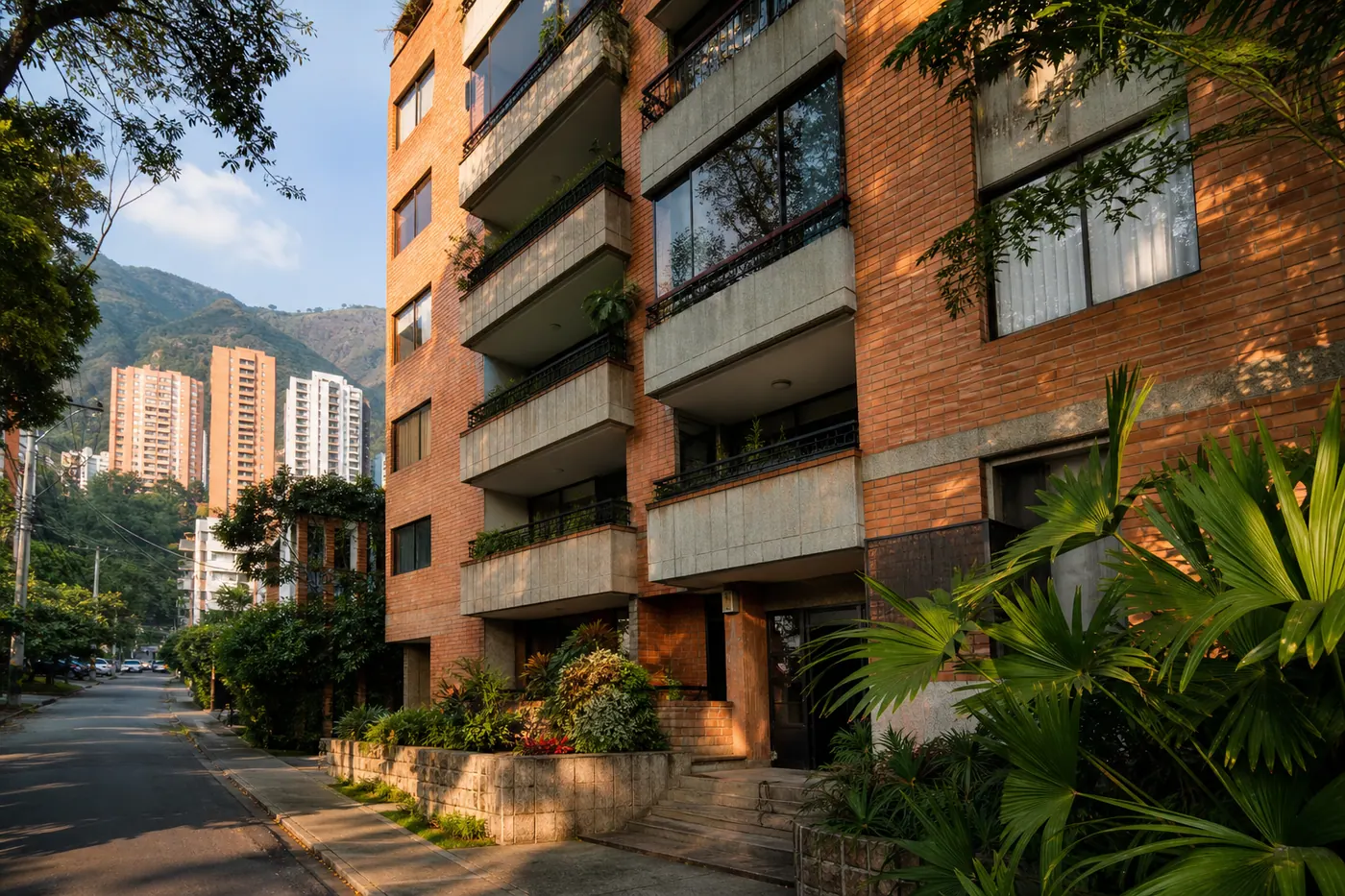
The administration of a building or residential complex is the monthly charge made to each unit to cover the common expenses of the property. In Colombia, it's regulated by Law 675 of 2001 — the horizontal property law — which establishes that every owner of a co-owned property must contribute monthly to maintain common areas.
The amount is set by the assembly of co-owners each year, based on the approved budget for security, maintenance, insurance, administrative staff and reserve fund. It's not a price the owner makes up: it's a legal obligation that comes with the building.
Here's the point most people don't know: legally, the owner is responsible for paying administration, not the tenant. However, in Colombian practice, almost all rental contracts transfer that cost to the renter. Transferring it is not illegal, but it must be explicit in the signed contract.
What administration covers (and what it definitely doesn't)
What it does cover
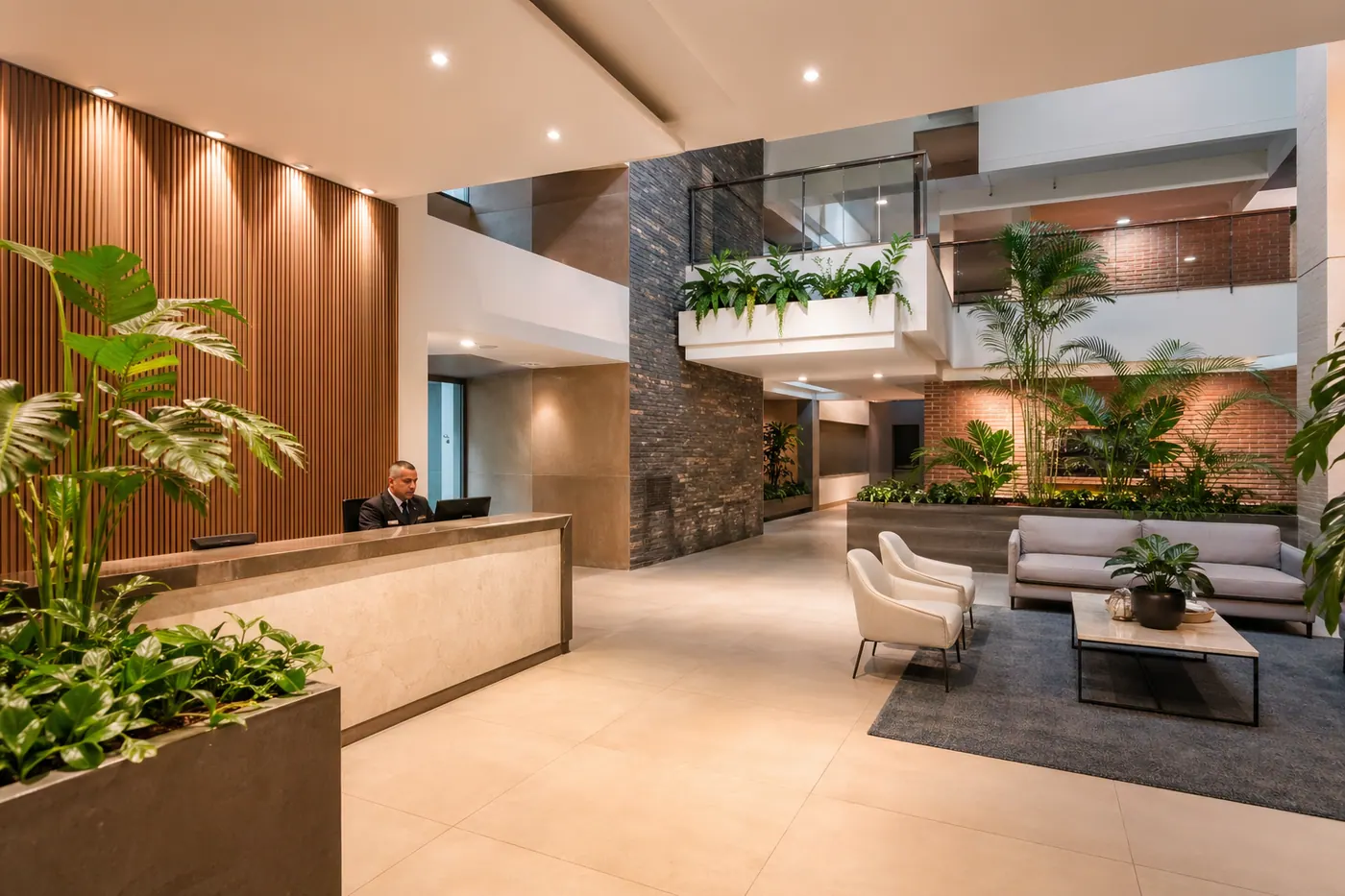
The services included vary by building, but the base almost always includes: 24-hour security or doorman, preventive elevator maintenance, cleaning of common areas (stairs, lobby, parking, gardens), payment of the complex administrator, water and electricity for common areas, and a reserve fund for major repairs. In high-income complexes it can also include a gym, heated pool, community room and multipurpose court.
What it does NOT cover
Administration doesn't pay for anything inside your apartment. If the water heater breaks, if the faucet leaks, if an appliance fails — that's an expense for the owner or renter depending on the contract terms, but the building administration doesn't cover it. It also doesn't cover individual utilities (water, electricity, gas, internet) or repairs that are the sole responsibility of the unit owner.
How much does administration cost in Colombia
The range is wide and depends on the type of building, the neighborhood and the city. In Bogotá, for a middle-income apartment without special amenities, administration usually ranges between $80,000 and $200,000 monthly. In high-income complexes with full security, gym and pool: between $300,000 and $800,000. There are complexes in areas like Chicó or Rosales where it exceeds one million monthly.
In Medellín the ranges are similar, although generally somewhat lower: middle-income between $70,000 and $180,000; high-income between $250,000 and $600,000. In Cali and Barranquilla, values average 15-20% less than Bogotá for the same neighborhood.
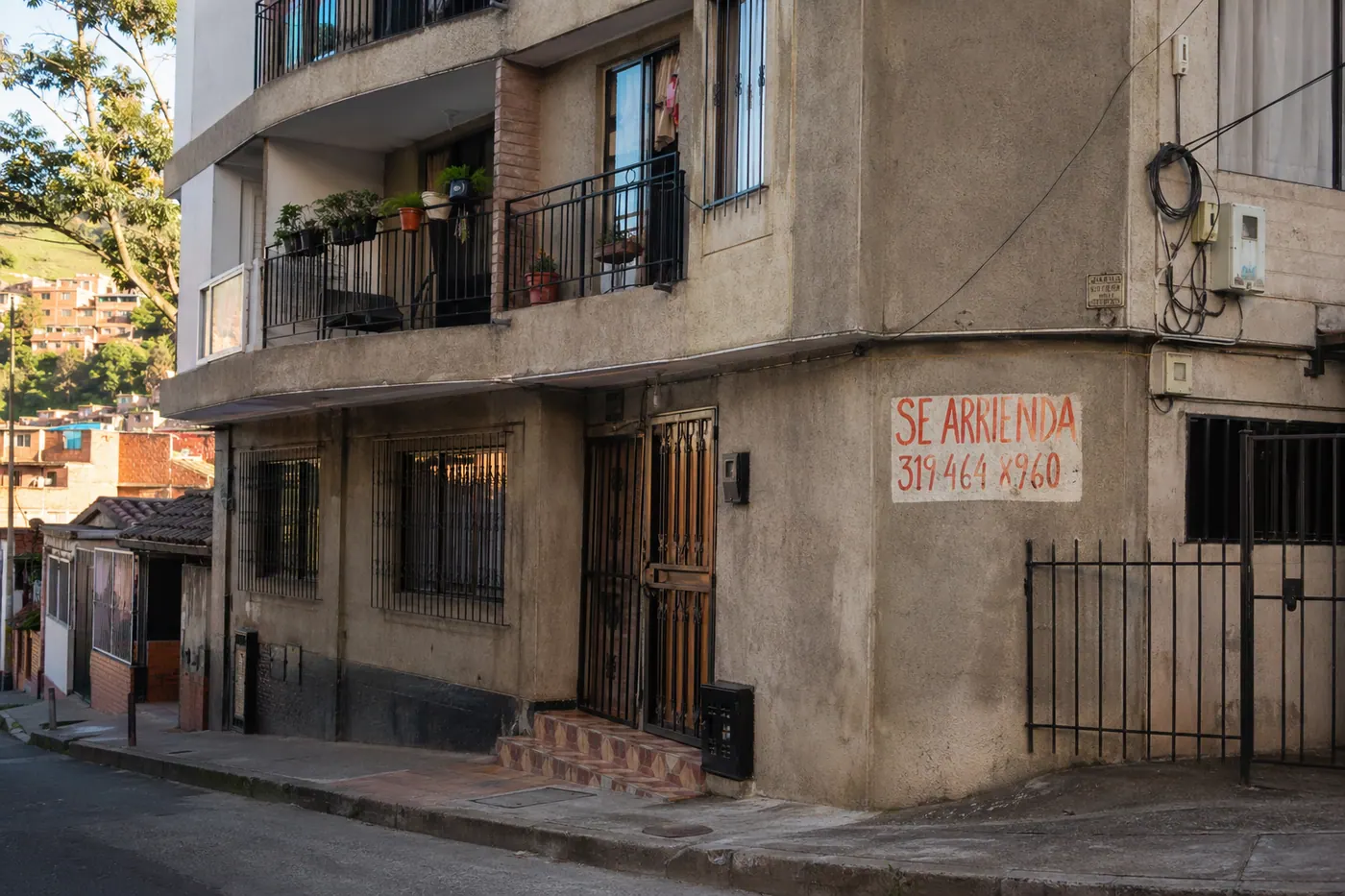
In independent houses without co-ownership — a house in a gated community, without collective security — there's generally no administration fee. That can be a real budget advantage, although it means the property maintenance depends entirely on the owner without collective support structure.

Who pays administration: the renter or the owner?
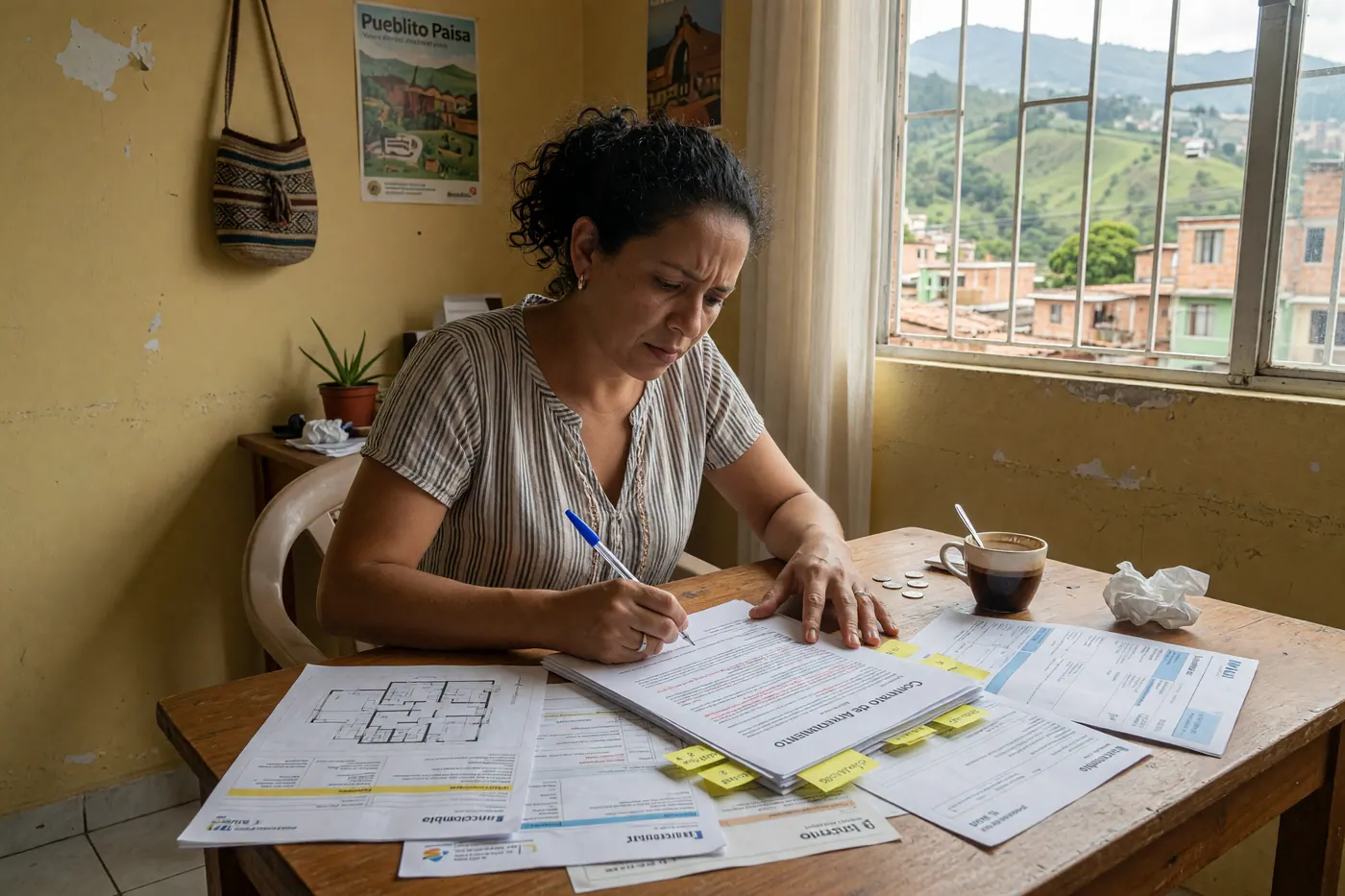
The most common confusion. The formal answer: the owner. The practical answer in Colombia: almost always the tenant, if that's what the contract says. Many contracts include a clause that explicitly transfers to the renter the obligation to pay administration directly to the complex or include it in the monthly rent.
What the law doesn't allow is charging it without transparency. If the contract doesn't mention who pays administration, legally it falls on the owner. Always review this clause before signing — and if the owner says that 'administration is not charged', ask them to put it in writing in the contract.
Administration included vs. separate: how to read a listing
An honest listing shows two things: the rental amount and whether administration is included or not. Unfortunately, many listings in Colombia — on major portals and Facebook groups — show only the rent, leaving administration to be mentioned during the visit or in the contract.
On Colombia Move, when the seller completes their listing correctly, the ad specifies whether administration is included in the price or is an additional cost. That way you can compare the real cost at first glance, without needing to ask basic questions before each visit. If you see a listing without that information, always ask before scheduling — the answer can change the total price by up to 30%.
📖 Keep reading
Want to know how to compare the total price of a rental without surprises? This guide explains the real factors that move prices by neighborhood.
How to compare rental prices in Colombia without getting ripped off →Five questions to ask the owner before signing
Before you commit, here are the specific questions you should ask: Is administration included in the rent or is it an additional cost? What is the current monthly fee amount? When was the last time the assembly adjusted the amount? Does the property have outstanding administration debts? Are there planned works that could generate extraordinary fees this year?
The fourth question is critical and few people ask it. If the owner has debts with the building administration, that property may have restrictions in common areas or conflicts with the administrator that could affect you during the rental. It doesn't directly harm you day-to-day, but it's a sign of how the owner manages their obligations. An owner who doesn't pay administration usually doesn't respond quickly when something in the apartment breaks either.
📖 Keep reading
Before signing any rental contract, there are clauses to review point by point. This guide covers them all.
How to review a rental contract in Colombia before signing →Frequently asked questions about administration in rentals
❓ Can administration be negotiated in a rental?
The amount cannot be negotiated — it's set by the building assembly and is the same for all owners. But you can negotiate who assumes it within the contract. Some owners include it in the rent to simplify monthly payment. If administration is high, you can propose that the owner assumes it in exchange for a longer contract — many accept it if you guarantee them 18 or 24 months of stable occupancy.
❓ Does administration increase every year?
Almost always. The co-owners assembly adjusts it annually, generally following the CPI (official inflation). In 2024 the CPI was close to 5%, so most administrations increased in that range. If there are scheduled works for the building — elevator replacement, facade repair, waterproofing — the assembly can approve extraordinary fees that go beyond the CPI adjustment. Always ask the owner if there are projects underway.
❓ Can they cut off my services if the owner doesn't pay the administration?
Your individual services (water, gas, electricity — that are in your name) cannot be cut off due to the owner's debts with the building administration. But if the administration has a serious conflict with the owner over accumulated debt, there may be restrictions on access to common areas or parking. In extreme cases, some buildings block elevator access to units in debt — which, although legally questionable, happens in practice.
❓ What happens if my contract assigns me to pay the administration and I don't pay it?
The debt is registered under your name with the residential complex, and they can collect it even after you leave. Don't confuse this with the owner's debt: if the contract assigns you that obligation, you're responsible. In some buildings the administration can deny the use of common areas to the delinquent tenant. Pay it on time — there's usually a payment window at the front desk or bank transfer to the complex.
❓ Is an apartment without administration always the most economical option?
Not necessarily. A house or building without administration can have maintenance expenses that you end up assuming informally — gate repairs, staircase cleaning, light bulb replacement in common areas. Plus, there's usually less security. The real calculation depends on how well the property is managed. A small, well-maintained building without a front desk can be an excellent option; a neglected one can cost you dearly in other ways.
🇨🇴 You're looking for rent with complete information
On Colombia Move sellers specify whether administration is included or is an additional cost — so you can compare real prices from the first glance.
View available rentals →Did you get an administration surprise after signing? Tell me in the comments. You can also rent without a guarantor with alternative tools — check out this guide on how to rent in Bogotá without a co-signer to understand the available options.
Do you have questions about your specific situation? Ask the community at colombiamove.com/comunidad — there are people with real experience in Colombian rentals who can guide you.
Comments
Loading comments...
Checking sign-in status...