Living in Cartagena, Colombia: The Honest Expat Guide
Cartagena is more expensive than most Colombian cities, permanently hot, and genuinely beautiful. Here's what living here actually looks like beyond the Instagram posts.

IDIOMA DEL ARTÍCULO
Showing original language
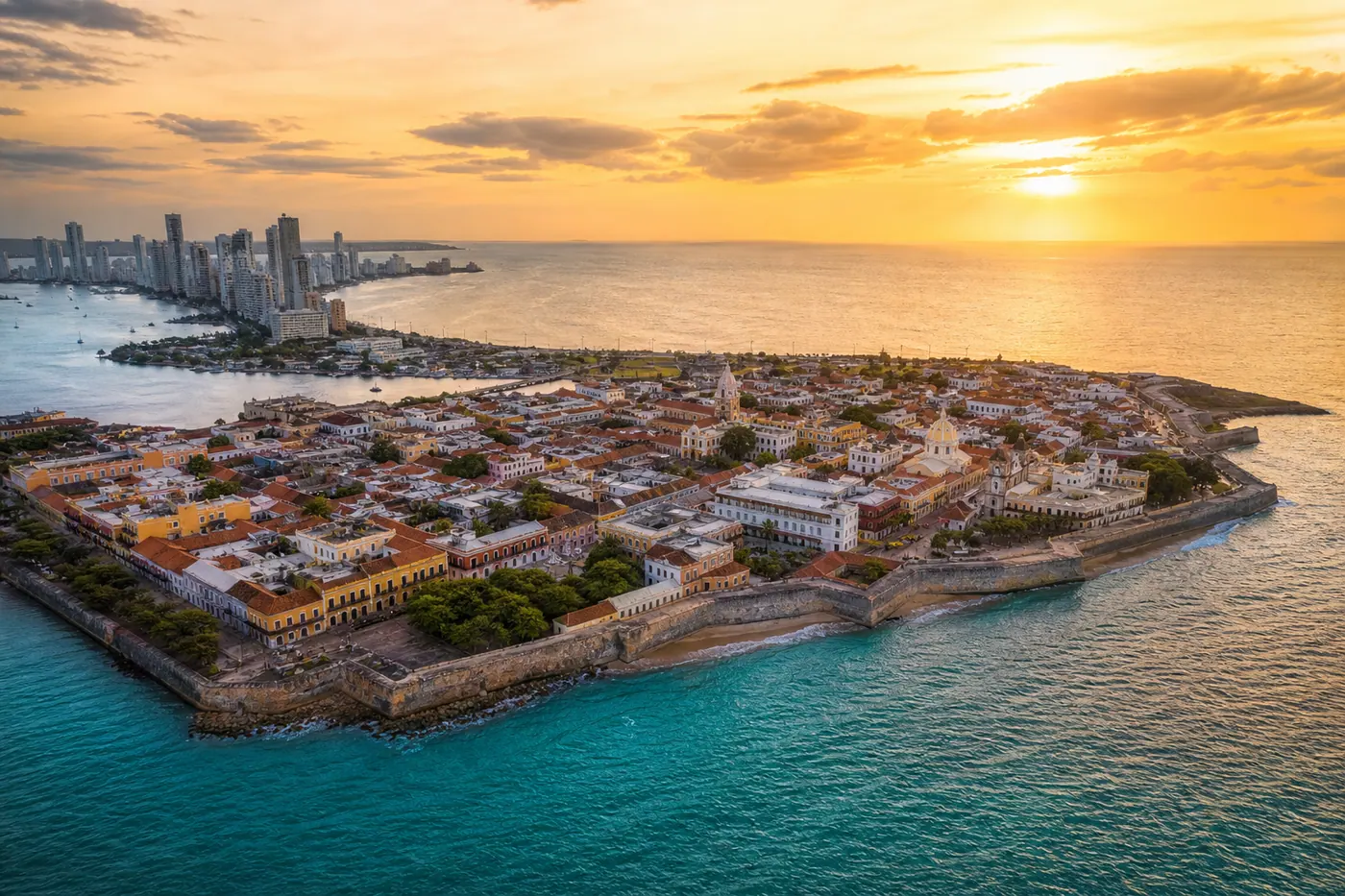
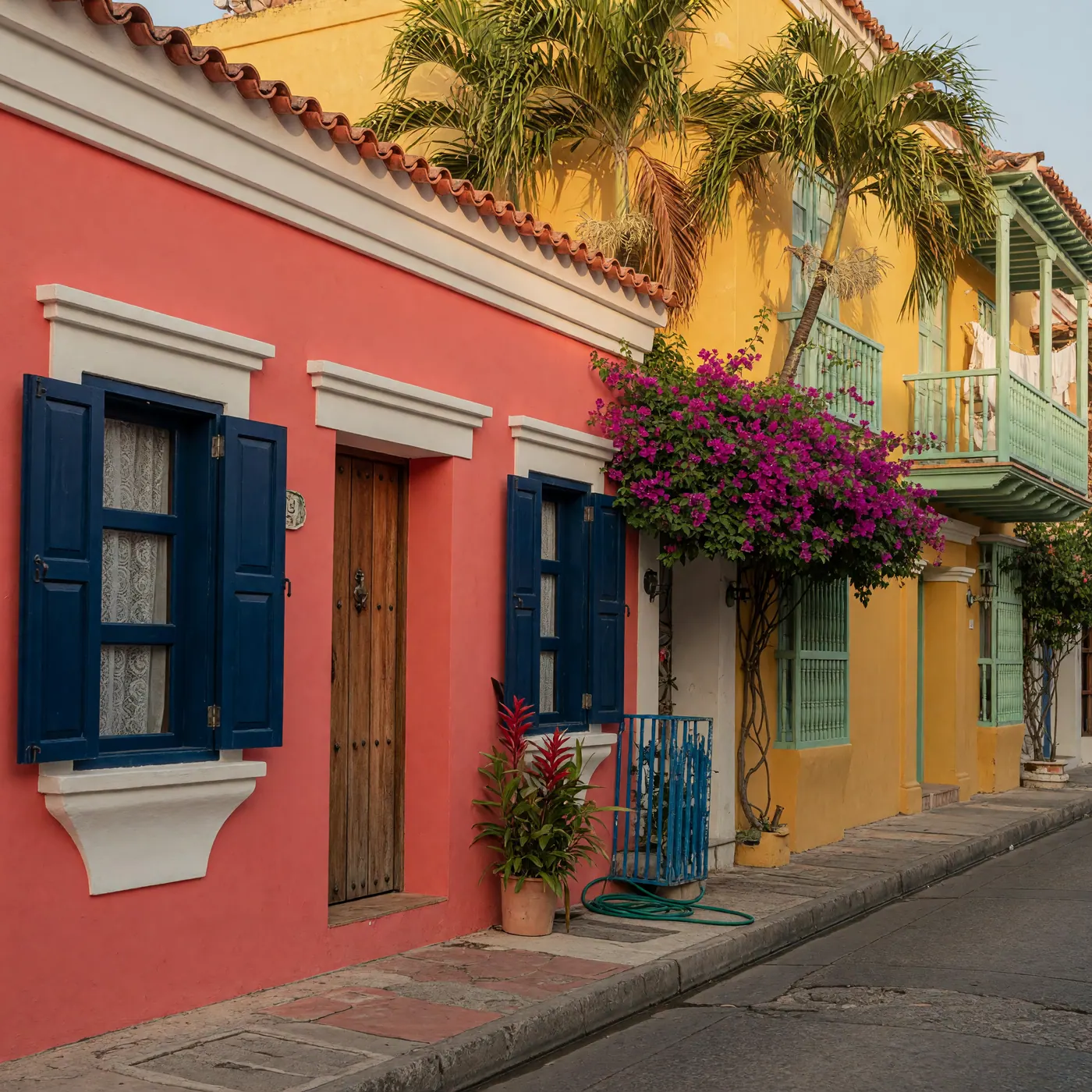
The first thing you notice about Cartagena is that it doesn't look like anywhere else in Colombia. The Walled City glows orange and rose-gold at sunset, the sea is genuinely turquoise, and the colonial architecture is so photogenic it almost feels staged. Three days here feel like a highlight reel.
Then you decide to actually live here. The AC runs 24 hours a day and your electricity bill hits 450,000 pesos before you've done anything wrong. A beer in the Walled City is 18,000 pesos. The landlord for the furnished apartment in the tourist zone quotes prices in dollars. And Semana Santa turns the city into a crowd-management problem no matter what neighborhood you choose. If you want to see real-world options right now, you can browse apartments and houses on Colombia Move — posting is completely free.
None of that is a reason not to move to Cartagena — it's just what living here actually looks like versus spending a week in a nice hotel. The city has a real, functioning expat community, decent healthcare, direct flights to Miami, and Caribbean access that no other Colombian city can match. But it rewards people who understand what it is: a high-cost coastal city with genuine upside, if you go in with clear expectations.
What to know first
- Best neighborhood for expats: Bocagrande for convenience and infrastructure; Getsemaní for culture and lower rent
- Realistic monthly budget: $1,200–1,800 USD for comfortable single-person life in Bocagrande
- Heat: permanent, year-round — AC is not optional and adds 250,000–500,000 COP/month to your bills
- Internet: solid fiber in modern Bocagrande apartments; inconsistent in the Walled City
- Flights: direct to Miami, Fort Lauderdale, and New York — one of Colombia's best-connected airports
The City in Context
Cartagena de Indias sits on Colombia's Caribbean coast in Bolívar department — about an hour's flight from Bogotá, 50 minutes from Medellín. The metro area has around 1.1 million people, though the tourist-facing economy makes it feel smaller and more expensive than that.
The city divides into recognizable zones. The Ciudad Amurallada (Walled City) is the UNESCO-listed historic center: 16th-century Spanish fortifications, narrow cobblestone streets, painted colonial houses in yellow and blue and pink. Getsemaní sits directly outside the walls — the neighborhood that's changed more in the last decade than anywhere else in the city. Then there's Bocagrande — the modern peninsula of high-rises, beach, and supermarkets where most long-term foreigners actually end up.
The airport (Rafael Núñez / CTG) is an advantage that doesn't show up in most expat guides. Direct flights to Miami, Fort Lauderdale, New York, and Bogotá mean visa runs and family visits are considerably easier than from cities requiring a connection. For Americans especially, it's a real quality-of-life factor.
Best Neighborhoods for Expats
Bocagrande
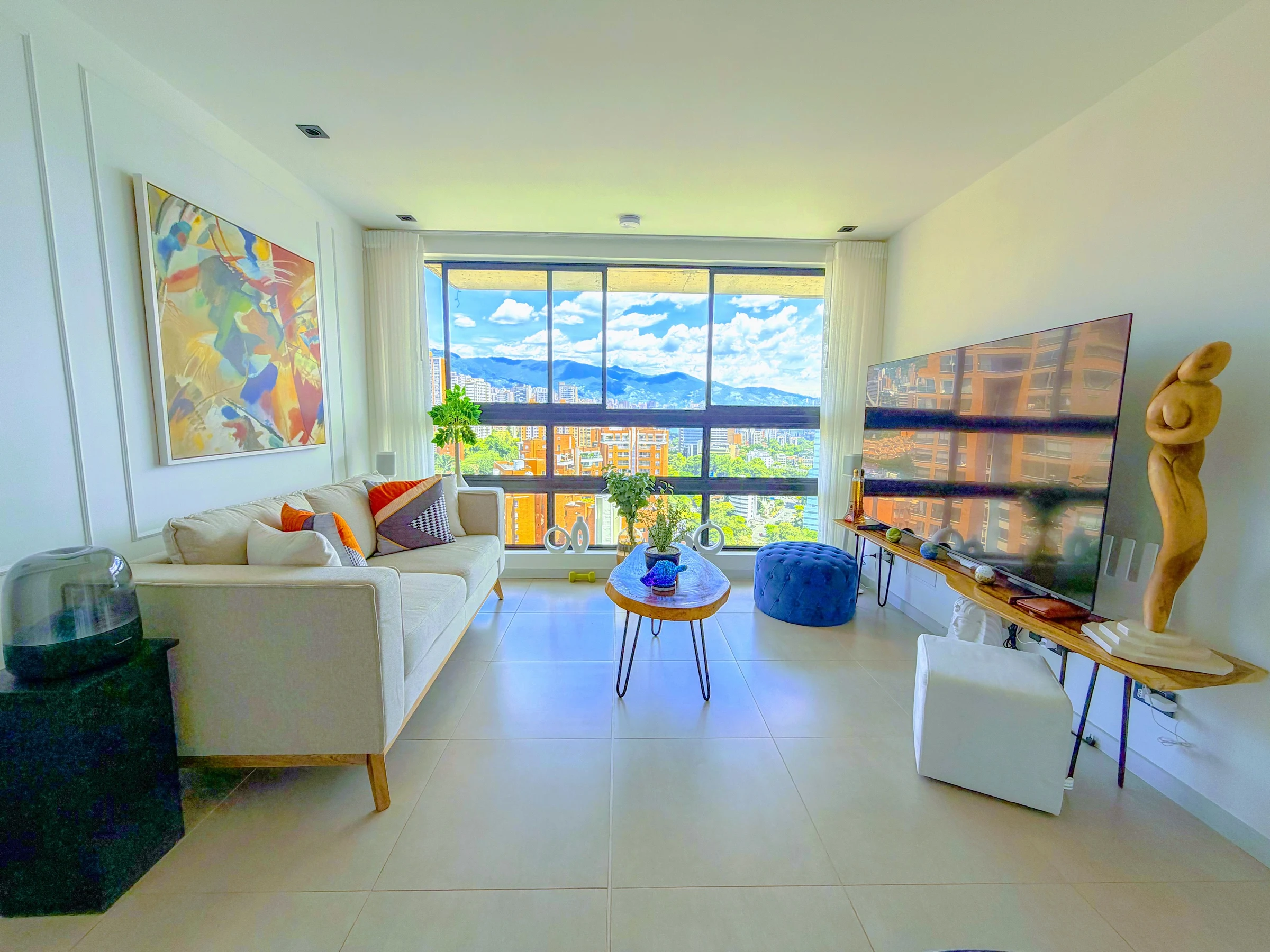
The practical default for most foreigners. Bocagrande is a dense strip of apartment towers on a peninsula about 10 minutes from the Walled City — think an older Miami Beach layout, with a beach running alongside the main avenue. Fiber internet is available in most modern buildings. You can walk to supermarkets, pharmacies, restaurants, and gyms without getting in a taxi.
Rent for a decent 1BR with AC runs 3–4.5M COP ($750–1,100 USD) unfurnished; furnished pushes toward the top of that range or beyond. The beach in Bocagrande itself isn't a Caribbean postcard — it's an urban beach with vendors and music — but it's three minutes from your apartment, which matters on a Tuesday evening when you want to decompress.
Getsemaní
Ten years ago this was the neighborhood everyone told you not to walk through after dark. Today it's where the good cocktail bars are, where independent galleries opened, and where murals cover almost every exterior wall. It's genuinely one of the more interesting urban neighborhoods in Colombia right now.
Rent is cheaper than Bocagrande — 1.5–2.5M COP for a 1BR — though the good units go fast. The trade-off: infrastructure varies building to building (older construction, ventilation can be poor), and late at night some peripheral streets get unpredictable. I'd recommend it to someone who's been in Colombia a while, not someone arriving for the first time and still building their bearings.
El Laguito and Castillogrande
The quieter, more residential end of the Bocagrande peninsula. More houses and lower-rise buildings, popular with Colombian families and some long-term expats. Slightly cheaper rents, slightly fewer restaurants within walking distance, but genuinely calm compared to Bocagrande's busier stretch. If you have kids or just want more space and less street noise, this end of the peninsula is worth looking at.
Manga
The older residential island connected by the Puente Heredia bridge — easy 10-minute taxi to the Walled City, but noticeably calmer. Some beautiful colonial houses alongside apartment blocks. It's been called 'the next Getsemaní' for several years running without quite arriving, but rent is reasonable and it attracts people who want character without paying Bocagrande prices.
La Boquilla
About 7km north of the airport, along the lagoon. The cheapest option on this list — some long-term expats and retirees have found 1BR apartments for 800,000–1.5M COP. The trade-off: getting anywhere downtown takes 30-40 minutes, infrastructure is basic, and it has a frontier quality that either appeals or doesn't. Worth exploring if you want a slower, cheaper, more local Caribbean experience. Not the right call if you need reliable fiber and regular city access.
Keep Reading: How to Rent Directly From an Owner in Colombia
What Living in Cartagena Actually Costs
Cartagena is the most expensive city on Colombia's Caribbean coast — and about 20-30% more expensive than Medellín for comparable accommodation. The tourism economy inflated prices faster here than in most Colombian cities. That said, if you approach it strategically — long-term unfurnished rental, local markets, cooking at home — the math still works.
Monthly Cost Estimates — Single Person
| Category | Monthly Estimate |
|---|---|
| 1BR Bocagrande (furnished, AC) | 3.5–4.5M COP / $875–1,100 USD |
| 1BR Getsemaní | 1.5–2.5M COP / $375–625 USD |
| Electricity (with AC) | 250,000–500,000 COP |
| Groceries | 350,000–500,000 COP |
| Eating out (local spots, per meal) | 15,000–25,000 COP |
| Taxi / Uber (most rides) | 10,000–20,000 COP |
| Gym membership | 80,000–120,000 COP |
| Realistic total (Bocagrande) | $1,200–1,800 USD/month |
The electricity number is the one that catches people off guard. There is no season where you run the AC less — budget for it from day one. For sending money into Colombia from abroad, Remitly offers competitive rates with fast delivery, and if you need a bank card that reimburses ATM fees, the Charles Schwab debit card is the go-to recommendation for US expats — free globally, including Cartagena ATMs.
Eating out spans a huge range. Comida corriente lunches in Getsemaní and around the Walled City run 12,000-18,000 COP. Restaurants in the tourist interior of the old city charge 60,000-120,000 COP for a main course without blinking. Knowing where the split is saves a few hundred dollars a month.

Internet and Remote Work
Cartagena is workable for remote work if you choose your apartment carefully. Fiber is available in most modern Bocagrande buildings — Claro, Tigo, and ETB all operate here. Speeds of 60-100 Mbps are achievable and stable enough for video calls. The key is to test the connection before signing anything.
The problems show up in two scenarios: the Walled City (older buildings, patchy fiber, and landlords who promise 'good internet' that turns out to be a lobby router shared by the whole building) and power outages during rainy season storms. A UPS for your laptop and an Ethernet cable aren't paranoid — they're standard maintenance. A NordVPN subscription is useful for accessing home-country streaming and staying secure on shared hotel/café networks.
The coworking scene is thin. A few options exist near Bocagrande and the Walled City, but nothing approaching Medellín's density. Most remote workers in Cartagena work from apartments. If a backup-power coworking space is a hard requirement, it's findable — just not assumed.
The Heat: Cartagena's Biggest Reality Check
The average high sits around 31-34°C year-round. Humidity is permanent. There is no cool season — just hot season and slightly-less-hot season (November through January is as close as it gets). If you're heat-sensitive, this isn't a temporary adjustment: it's the baseline you're signing up for.
What changes is your schedule. Errands before 10am or after 5pm. Midday is for AC or a siesta. Evenings — walking the Old City walls at sunset, watching the light hit the fortifications — are genuinely spectacular. The Caribbean social rhythm (dinner at 8pm, evening walks, everything after dark) starts making sense within a few weeks.
The city is built around AC. Apartments without it aren't functional. Check that your building's electrical infrastructure can handle the load — older buildings sometimes trip breakers when multiple units run AC simultaneously. It's a question worth asking before signing a lease.
Getting Around
Cartagena runs on taxis, Uber, and InDrive. Fares for most Bocagrande-to-Centro trips run 10,000-18,000 COP; longer hauls to La Boquilla or the airport hit 25,000-40,000 COP. TransCaribe — the BRT bus system — covers the south of the city into the center for about 3,000 COP, but the network doesn't reach most areas expats use daily.
The Walled City is best on foot. It's compact enough that 20 minutes covers most of it, and walking is genuinely the point. Outside the walls, you're in a taxi. Mototaxis exist but carry more risk than in other Colombian cities given traffic density — default to Uber or InDrive for anything beyond a very short hop. The price difference is minimal and the safety difference is real.
Safety
The tourist zones — Walled City, Bocagrande — are well-patrolled and relatively low-crime. Petty theft (phones left on restaurant tables, bags in crowded spaces) does happen; standard urban awareness applies. Getsemaní is generally fine for day-to-day life and evenings out. Late-night solo walking in peripheral streets outside the main bar circuit deserves more caution.
The scam ecosystem in Cartagena targets tourists more than long-term residents. The gem scam is the classic: a friendly stranger claims a family emergency and asks for help selling 'valuable' emeralds that turn out to be synthetic stones. Restaurant overcharging without printed menus and aggressive vendor pressure in the old city are the recurring issues. These largely disappear once you stop moving through the city with a tourist's body language.
Healthcare and Daily Life
Clínica Bocagrande is the main private hospital and handles most urgent care and specialist needs — good standard, some English-speaking staff. EPS is available; most long-term expats supplement it with medicina prepagada for faster access to specialists. For international health coverage while you're getting set up, SafetyWing's Nomad Insurance covers Colombia and includes emergency care — useful for the gap before EPS kicks in.
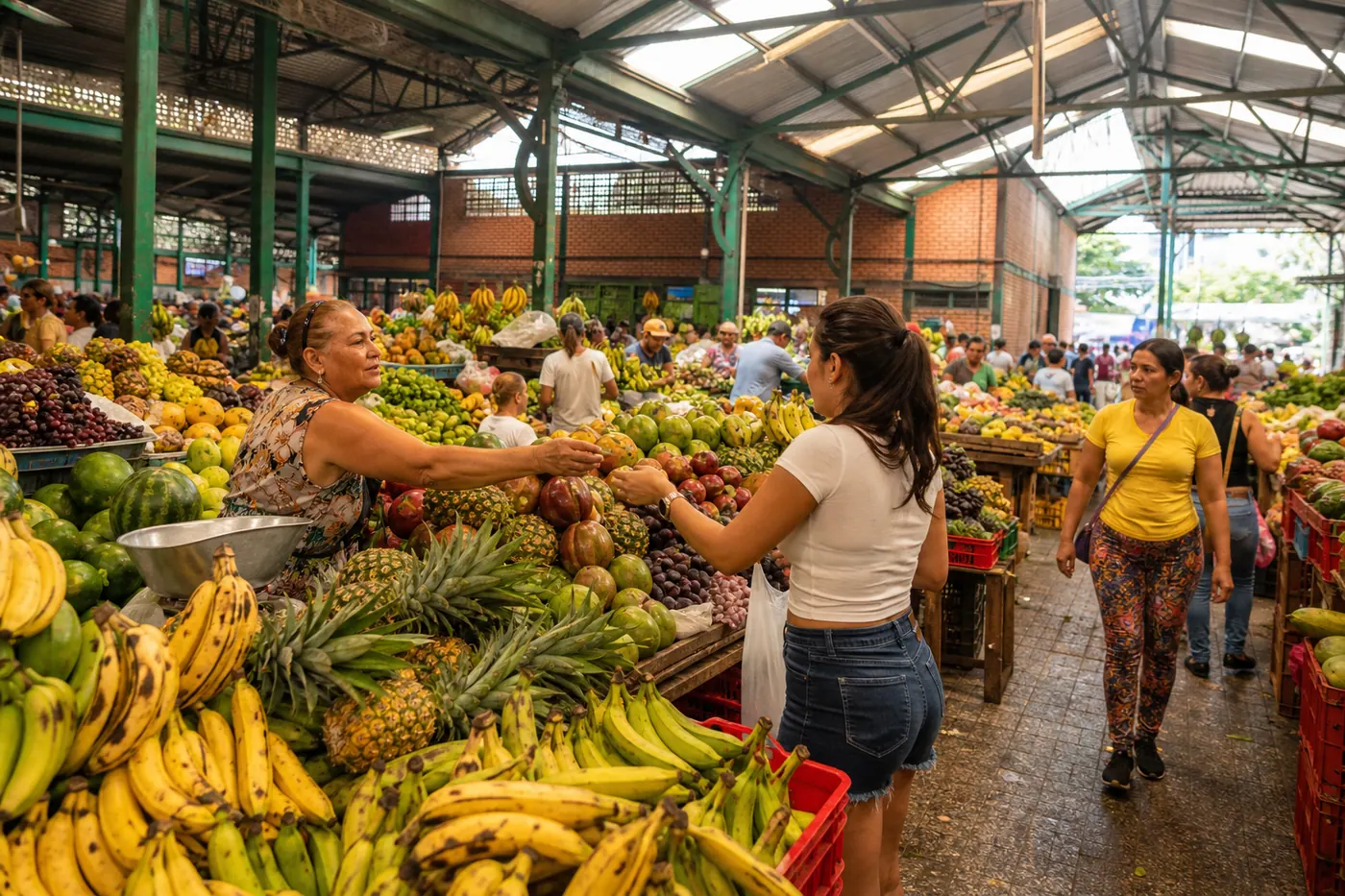
Day-to-day logistics: pharmacies are everywhere (Farmatodo and Cruz Verde are the main chains in Bocagrande). Supermarkets include Carrulla and La Anónima in Bocagrande, Éxito near Pie de la Popa. Bazurto market is the large public market — cheap, chaotic, and useful for produce if you're comfortable navigating it. Most expats start at Carrulla and work their way outward.
Day Trips Worth Making
The Islas del Rosario are 35-45 minutes by speedboat from the Muelle Turístico — coral islands, clear water, and the closest thing to a Caribbean postcard within easy reach of the city. Weekday trips are substantially better than weekends, when they get crowded. Playa Blanca on the Barú peninsula is the most popular beach day trip — genuinely stunning, worth doing once or twice a year.
The Totumo Mud Volcano is 45 minutes northeast — a small crater of thermal mud you float in, followed by a lagoon rinse. Strange, mildly surreal, and worth doing once. The salt flats at Galerazamba (90 minutes) are less visited and more interesting if you want something off the standard tourist loop.
For the Caribbean coast beyond Cartagena, both Santa Marta and Barranquilla are easy overnight stops. Minca in the Sierra Nevada mountains — 45 minutes from Santa Marta — is the thermal escape valve when the coast heat becomes relentless. See the Santa Marta expat guide for details on that escape route.
The Parts Nobody Mentions in the Instagram Posts
Cartagena is expensive by Colombian standards — and the tourism economy has made it harder to find honest long-term pricing in the central areas. Many apartments that should be 2.5M COP/month are listed at $800 USD because the owner tested Airbnb and anchored their expectations there. Finding fair prices takes patience and usually direct owner contact.
High-season crowds (Semana Santa and Christmas-New Year week) make the city nearly unlivable for three to four weeks each year. Prices triple for accommodation, the Walled City streets become impassable on weekends, and the noise floor goes up noticeably. If you're moving long-term, plan your arrival and lease cycle around these periods. Moving in during Semana Santa is a rough introduction to any city.
The salt air is genuinely hard on electronics and vehicles. Rust on motorcycle frames, corrosion on laptop ports, appliances with shorter-than-expected lifespans. It's a minor thing that adds up over time. A desiccant pack in your laptop bag and a protective case for electronics aren't paranoia — they're standard maintenance here.
🏖️ Browse Cartagena Rentals on Colombia Move
Search furnished and unfurnished apartments directly from owners — no agency commission, bilingual listings, WhatsApp contact built in.
Browse Cartagena Rentals →Frequently Asked Questions
❓ Is Cartagena good for digital nomads?
Yes, with the right setup. A modern apartment in Bocagrande with verified fiber works well for remote work. The heat means indoor-heavy days, and the coworking scene is limited. If your work is async and home-based, Cartagena is more practical than its tourist reputation suggests. If you need a thriving coworking scene and cooler evenings, Medellín or Bogotá serve that better.
❓ How does Cartagena's cost of living compare to Medellín?
About 20-30% more expensive for accommodation, and electricity adds a significant cost that doesn't apply the same way in Medellín's cooler climate. Budget roughly $300-400 USD/month more for a comparable lifestyle. What you're paying for is the Caribbean itself — direct beach access, a different pace, and international flight options that Medellín doesn't have.
❓ What's the best time to move to Cartagena?
November through January is the most comfortable window — the trade winds pick up, it's marginally less humid, and it's outside peak tourist season. Avoid moving during Semana Santa (March-April) or Christmas-New Year week; the city is at maximum capacity and prices surge across the board.
❓ Can I find long-term rentals in Cartagena, or is it mostly tourist short-term?
Both exist, but you have to look past the Airbnb-priced listings. For long-term rentals at fair prices, Colombia Move's rental listings let you contact owners directly — useful in Cartagena where many owners have both short-term and long-term options and will negotiate on price for a committed tenant.
❓ Do I need a car in Cartagena?
No. Most expats in Bocagrande and Getsemaní live car-free. Uber, InDrive, and taxis cover everything reliably at low cost. A car adds parking costs, salt-air maintenance issues, and more logistics than it solves. For beach and island day trips, tours and shared transport handle it better than owning a vehicle.
Cartagena rewards people who go in knowing what it is rather than expecting something else. It's not Medellín for cost or infrastructure. It's not a budget backpacker city. It's a high-cost, high-beauty Caribbean city with genuine quality of life for the people it suits — and a frustrating experience for those it doesn't. If the Caribbean is part of what you came to Colombia for, Cartagena earns its place.
Have questions about specific neighborhoods, setting up utilities, or finding the right apartment? Ask at colombiamove.com/comunidad — there are locals and long-term Cartagena residents who can give you current, ground-level answers.


Comments
Loading comments...
Checking sign-in status...