
How to Sell Your Car Fast in Colombia Without Scammers
Everything you need to know to sell your car in Colombia: documents, how to set the price, where to post, and how to avoid scams.
IDIOMA DEL ARTÍCULO
Showing original language
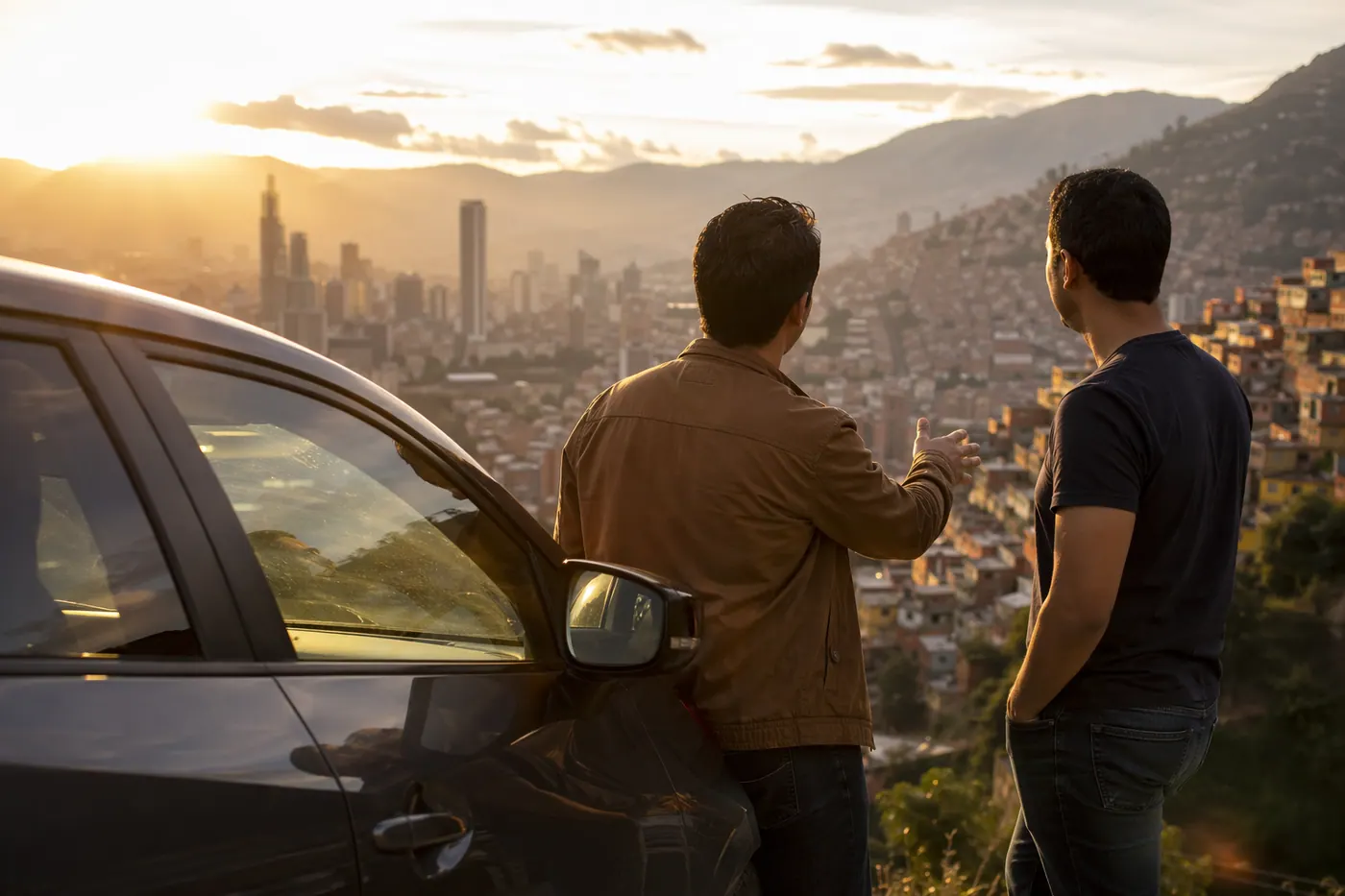
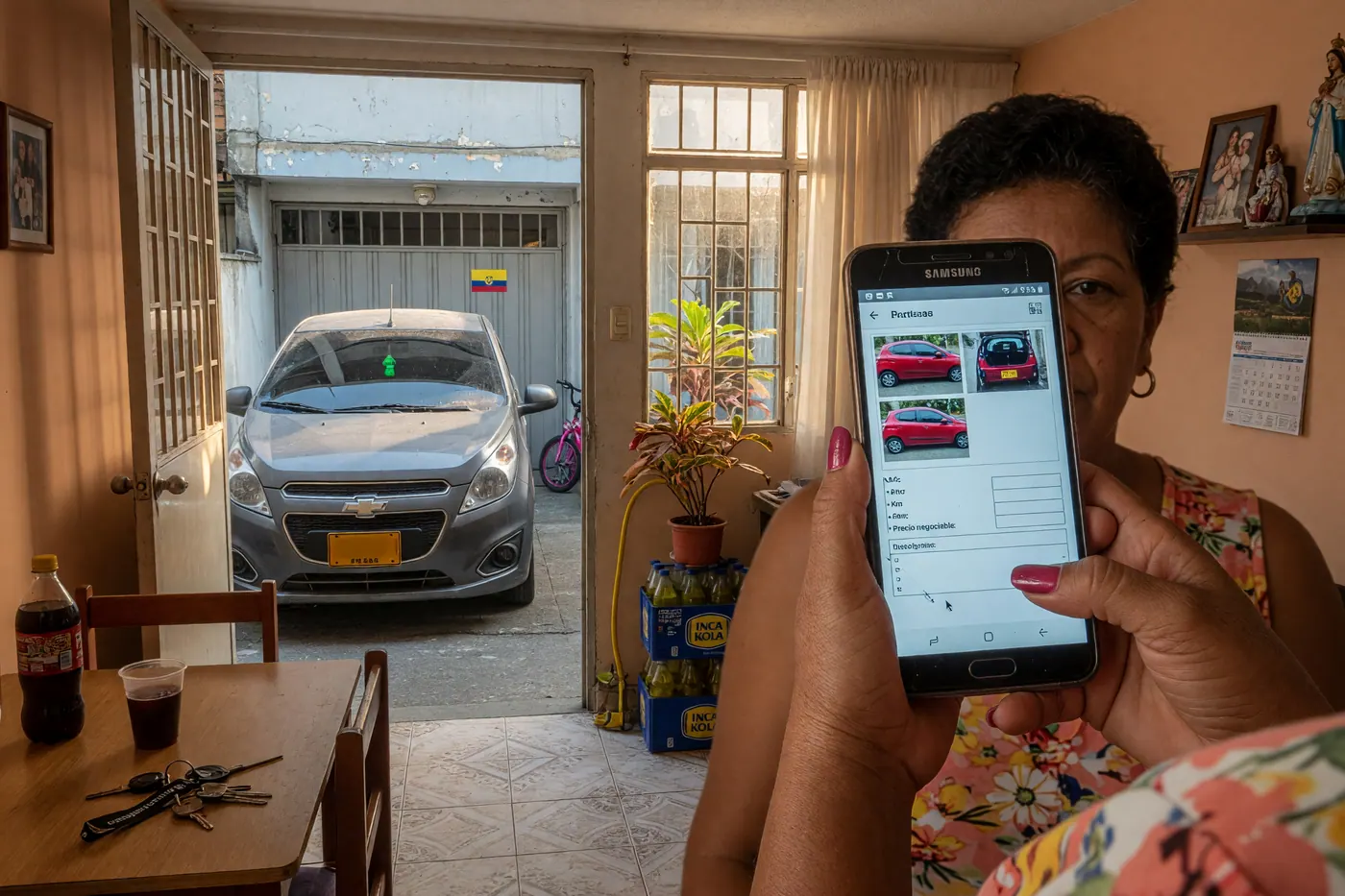
Last week, a neighbor posted his 2019 Chevrolet Sail on Facebook Marketplace. Within two hours, he had twelve messages: six from serious people, four from curious ones who only asked the price and then blocked him, and two from scammers with implausible stories about buyers abroad who were "overpaying." In the end, he sold the car, but he almost transferred the title without collecting the full payment because he mistook a pending bank transfer for money already received.
Selling a used car in Colombia isn't complicated—but it does have its traps. The second-hand vehicle market moves trillions of pesos a year in the country, and most transactions go well. The problem is that the ones that go wrong, go very wrong: title transfers with irregular documents, cars handed over before receiving payment, or ghost buyers who disappear after a test drive.
This guide covers the entire process: from the documents you need to have ready to how to handle the title transfer without surprises, including how to set the price, take photos that sell, and recognize a scam before it's too late.
Documents you need before posting the ad
Having everything in order before posting not only speeds up the sale—it also builds trust with the buyer. A seller who has the paperwork ready conveys seriousness. One who is getting them together as they go raises suspicions.
The basic documents you need are:
- Ownership card (Tarjeta de propiedad): the main document. It must be in your name. If the car is in someone else's name, you need a power of attorney or to resolve the title transfer before selling.
- Valid SOAT (Compulsory Insurance): if it's expired, it's not a legal impediment to selling, but many buyers demand it—and technically the car cannot be driven. Renewing it before posting can speed up the process.
- Valid technical-mechanical inspection: mandatory in many cities. Cars over 6 years old must have it up to date to circulate legally.
- Clearance of fines (SIMIT): check at simit.org.co if the vehicle has pending fines. An unpaid fine can stall the title transfer at the RUNT.
- RUNT vehicle history certificate (Certificado de tradición y libertad): shows the history of owners and if the car has liens or encumbrances. It costs about $4,800 COP at runt.com.co. Showing it proactively builds a lot of trust.
If the car has pending bank installments (lien/prenda), the process is more complicated. It is not impossible to sell a car with a lien, but you need to coordinate with the financial institution for the lifting of the lien simultaneously with the payment. If you don't know if your car has a lien, check it on the RUNT before posting.
How to set a price that won't make you lose money
The most common mistake when selling a car is setting the price by eye or based solely on what you paid. The market owes nothing to anyone's purchase price.
The most effective method: look for at least 5 cars of the same model, year, and approximate mileage on TuCarro.com and MercadoLibre. That gives you the real market range. If your car has extras (rims, screen, additional A/C, up-to-date maintenance), you can justify a price in the high third of the range. If it has scratches, high mileage, or known faults, be realistic.
A rule of thumb: set the price between 8% and 12% above what you are willing to accept. In Colombia, haggling is part of the process. If you post at $35,000,000 and your real floor is $32,000,000, you have room to negotiate without feeling pressured. If you post at the price you want to receive, you will end up selling for less than you expected.
Also, watch out for price comparisons by city. A 2017 Renault Logan is worth between $35,000,000 and $42,000,000 in Medellín, but it may move differently in Barranquilla or Pasto. If your car is more sellable in another city, online classifieds allow you to reach buyers from all over the country.
Photos that turn visits into buyers
80% of used car ads in Colombia have terrible photos: poor lighting, messy background, only the front view, and nothing else. Standing out doesn't require professional equipment—just a bit of judgment.
The minimum your ad should have: full exterior (front, back, left side, right side, front quarter, and rear quarter), full interior (dashboard, front seats, back seats, trunk), engine with the hood open, and relevant details like the screen, rims, or any accessories. That's between 12 and 18 photos.
The trap of the flawless car in photos: don't try to hide scratches, dents, or stains on the upholstery. The buyer will see them in person and will lower the price more than you would have lost by being honest from the beginning. What is worth doing: wash it well before photographing it, do it during the day with natural light, and look for a clear background (a quiet road, an empty parking lot). The result is incomparably better.
Keep Reading
Buying a Used Car or Motorcycle in Colombia: Where to Look and What to Check — if you are thinking about buying your next car, here is the complete guide
Where to post to sell faster
There is no single platform that has it all. The strategy that works best is to post on 3 or 4 channels simultaneously and answer messages quickly—the buyer who doesn't receive a response in a few hours simply keeps looking.
TuCarro.com
The most specialized platform for vehicles in Colombia. It has detailed filters by brand, model, year, mileage, and city. Serious buyers who arrive here generally already know what they are looking for. The basic ad is free; extra visibility (positioning at the top of results) has a cost.
MercadoLibre
Higher general traffic. It is a good option to reach more people, although the audience is more varied and the percentage of "curious" buyers is higher.
Colombia Move
Free platform that allows you to post directly as an individual without commissions or intermediaries. Vehicle ads appear in the car category and reach buyers looking for a direct deal with the owner. If the buyer is outside your city, the bilingual platform also helps reach foreign buyers or Colombians abroad looking for a car for when they return.
🚗 Post your car for free on Colombia Move
No commissions, no intermediaries. Your ad reaches buyers in Colombia directly. Bilingual, free, and easy to use.
See cars for sale →Facebook Marketplace and car groups
It remains one of the sources with the highest volume of inquiries. The downside: it also concentrates the highest number of scammers. Here, more than on any other platform, apply the anti-scam protocol we explain below. Car buying and selling groups specific to your city (there are dozens on Facebook) give quick results because the audience is already actively looking.
Scam signs you should know
The used car market attracts professional scammers. These are the most common schemes and how to identify them before it's too late:
The buyer abroad
"I'm a Colombian living in Miami, I want to buy the car for my mom, I'll pay you extra for the handling fees." This is perhaps the oldest scam in the book and it still works. No one buys a second-hand car without seeing it. If the "buyer" cannot go in person or send someone they trust to check it, cut the conversation.
The fake check or receipt
The scammer shows a transfer receipt that looks real. They tell you the money has already been sent and that you will see it "in a few hours" due to banking hours. They pressure you to hand over the keys before the transfer is confirmed. Golden rule: keys are handed over when the money is in your account — not before. Call your bank to confirm the actual deposit; do not rely on the receipt on the screen.
The test drive without documents
A "buyer" appears, wants to take a test drive, doesn't have their ID handy, or asks to go for just "a quick spin around here." Never allow a test drive without first verifying their ID and driver's license, and always accompany the buyer. Car thefts under this method happen more often than reported.
Payment by check
In Colombia, checks can take between 1 and 5 business days to clear — and they can bounce. Never hand over the car in exchange for a check, even if it is a cashier's check. The only reasonable exception is if you have direct confirmation from the issuing bank. Accept cash (verified bills) or a confirmed bank transfer.
The too-high price with urgency
Someone offers to pay above the asking price and needs to close "today" because they are going on a trip. Artificial urgency is a red flag. A legitimate buyer who pays good money has no problem waiting a day to do everything right.
The transfer: how to do it without problems
The transfer (traspaso) is the process of changing ownership in the RUNT (National Registry of Traffic). Here are the basic steps:
- Sales contract: although not legally mandatory, it is highly recommended. Include the price, vehicle condition, details of both parties, date, and signatures. It can be private (without a notary) for low amounts, but for large transactions, it is worth going to a notary.
- Payment first, keys later: repeat this like a mantra. The order is: confirm receipt of money in your account → sign documents → hand over the property card and keys.
- Transfer at the RUNT or the traffic secretariat: the buyer is typically the one who manages the transfer, but you must ensure it gets done. As long as the car is in your name, fines and tickets incurred by the new owner will come to you.
- Traffic fees and notary expenses: these vary according to the value of the vehicle and the city. For a $40,000,000 COP car, expect to pay between $150,000 and $350,000 COP in traffic fees and other paperwork. This is normally assumed by the buyer, but it is best to clarify it before closing.
- Confirmation of the transfer: verify at runt.com.co that the car no longer appears in your name a few days after delivery. If it still appears in your name and the new owner does not do the transfer, you will have to pressure them legally.
A note on previous fines: if the car has fines for your infractions, they are your responsibility — not the buyer's. Pay them before selling. If the fines are old and in dispute, clarify the situation before making the transaction so as not to lose the deal at the last minute.
Keep Reading
Car Insurance in Colombia: SOAT, Comprehensive, and What You Need to Know — before selling, check what your insurance covers and how to cancel the policy
Frequently Asked Questions
❓ How long does it take to sell a used car in Colombia?
It depends on the model, price, and condition. A popular, well-priced car (Chevrolet Sail, Renault Logan, Kia Picanto) can sell in 1 to 3 weeks. Niche, luxury, or overpriced cars can stay on the market for months. Posting on multiple platforms simultaneously and responding to messages quickly significantly shortens the time.
❓ What documents do I need to do the transfer?
From the seller: property card and ID. The buyer needs an ID and, in some municipalities, a tax clearance certificate (paz y salvo) for property taxes from the previous owner. The exact requirements vary by city — check the local traffic secretariat's website.
❓ Can I sell a car with an expired SOAT?
Yes, there is no legal impediment to making the sale with an expired SOAT. But the car cannot legally circulate until the new owner renews it. Many buyers will use it as an argument to lower the price — if you want to avoid that haggling, renew it before posting.
❓ Is it safe to receive payment in cash?
For high amounts (more than $20,000,000 COP) a confirmed bank transfer is preferable. If you receive cash, do it at a bank where you can verify the bills immediately. Never in a parking lot or private place. For smaller amounts, verified cash is perfectly valid.
❓ What do I do if the buyer does not do the transfer after paying?
You have the sales contract signed with date and price. Communicate in writing (WhatsApp or email) reminding them of the obligation. If they do not respond, the Superintendency of Transportation and the traffic secretariats have mechanisms to file for the vehicle's withdrawal. Consult a lawyer if the situation gets complicated — generally, a formal letter solves the problem.
Did you sell or are you selling a car in Colombia? Tell us in the comments how it went — which platform worked best or if you encountered any of these scams. You can also ask your questions in the Colombia Move community at colombiamove.com/comunidad.
Comments
Loading comments...
Checking sign-in status...