
Returning to Colombia After Years Abroad: Your Housing Checklist for the First Week
The housing market moved while you were gone. Here's the practical checklist for securing a place to live in your first week back in Colombia — whether you're a Colombian returnee or an expat starting fresh.
Idioma del artículo
Listo para traducir
The night I landed back in Bogotá after three years in Spain, I was convinced finding an apartment would be easy. I speak the language. I know how things work. I had money ready and a two-week timeline in my head.
By day four I'd seen seven apartments. Three required a codeudor with a finca raíz in Colombia — which I hadn't had since before I left. One agency wanted a certification from a Colombian employer. Another owner ghosted me after I asked to see the Certificado de Tradición y Libertad. The one apartment I actually liked sold in under 48 hours while I was deciding. If you want to see real-world options right now, you can browse farms and rural land for sale on Colombia Move — posting is completely free.
This checklist is what I wish I'd had before landing. Whether you're a Colombian returnee or a foreigner who's done this before, week one housing follows the same rules — and the same traps. Get the sequence right and you can be signed and settled within seven days.
Before You Land: Line Up These Documents
Every owner and agency in Colombia asks for the same short list. The difference between people who rent quickly and those who spend three weeks in Airbnb limbo is usually just having these ready when the first viewing goes well.
Cédula de ciudadanía or passport with valid visa. Colombian returnees: check registraduria.gov.co before you leave. Confirm your cédula is active and your data is current. An outdated cédula won't kill the deal, but it will slow everything down.
Last three bank statements. These don't have to be Colombian. Foreign bank statements with regular deposits — from employment, freelance income, or savings — are accepted by most direct owners. Download the official PDFs; screenshots don't cut it.
Proof of income. A certificado laboral from your employer, a freelance payment history from PayPal or Wise, or investment account summaries all work. The point is showing monthly income that covers rent two or three times over.
Reference letters from previous landlords, if you have them. Not always required, but they help with owners who are hesitant about a returnee or foreigner without a codeudor.
If you arrive without a Colombian bank account — which is likely if you've been abroad — don't worry. We cover that later. You can sign a lease and pay the first month in cash while banking gets sorted.
Day 1-2: Bridge Housing First, Long-Term Lease Later
The worst housing decision you can make is signing a year-long lease in your first 48 hours back. You're jet-lagged. The apartment looked fine in photos but turns out to face the loudest corner in the barrio. The neighborhood seemed central on the map but the commute is brutal. This is not signing day.
Spend the first two days in bridge housing so you have time to search without desperation pushing you into the wrong place:
Furnished short-term rentals (arriendo amoblado) are the best option. In Laureles, Chapinero, or Usaquén, you can find furnished apartments for COP 50,000–120,000 per night — or much less on weekly and monthly rates. Individual owners list these directly on platforms like Colombia Move, no agency markup required.
Airbnb is boring but functional. Search for monthly discounts — rates typically drop 30–40% for stays over 28 days, putting a decent apartment in the COP 1.5–2.5 million range per month, utilities included.
Family or friends, if that's available without creating obligations that will complicate the relationship. Two weeks maximum.
Bridge housing gives you the mental space to search without panic. That matters more than the COP 100,000 per night.
Day 3-4: Where to Actually Find Apartments
By day three you're rested enough to search properly. Here's where the real inventory lives:
Colombia Move Marketplace (colombiamove.com) lists rentals from owners directly — not agencies. No commission, and you're negotiating with the decision-maker from the first message. The WhatsApp-native contact flow is how most Colombian landlords actually prefer to communicate, and listings are bilingual, which helps if your Spanish is rusty from years abroad. You can filter by city, neighborhood, and price, and the map view (click the pin icon on /buscar) lets you see exactly where listings sit relative to work or family.
Facebook Marketplace has volume, especially in Medellín and Bogotá. The problem: scam rates are meaningfully higher here than on any other platform. Use it to generate leads, then verify the owner's identity before you transfer anything. More on that in the fiador section below.
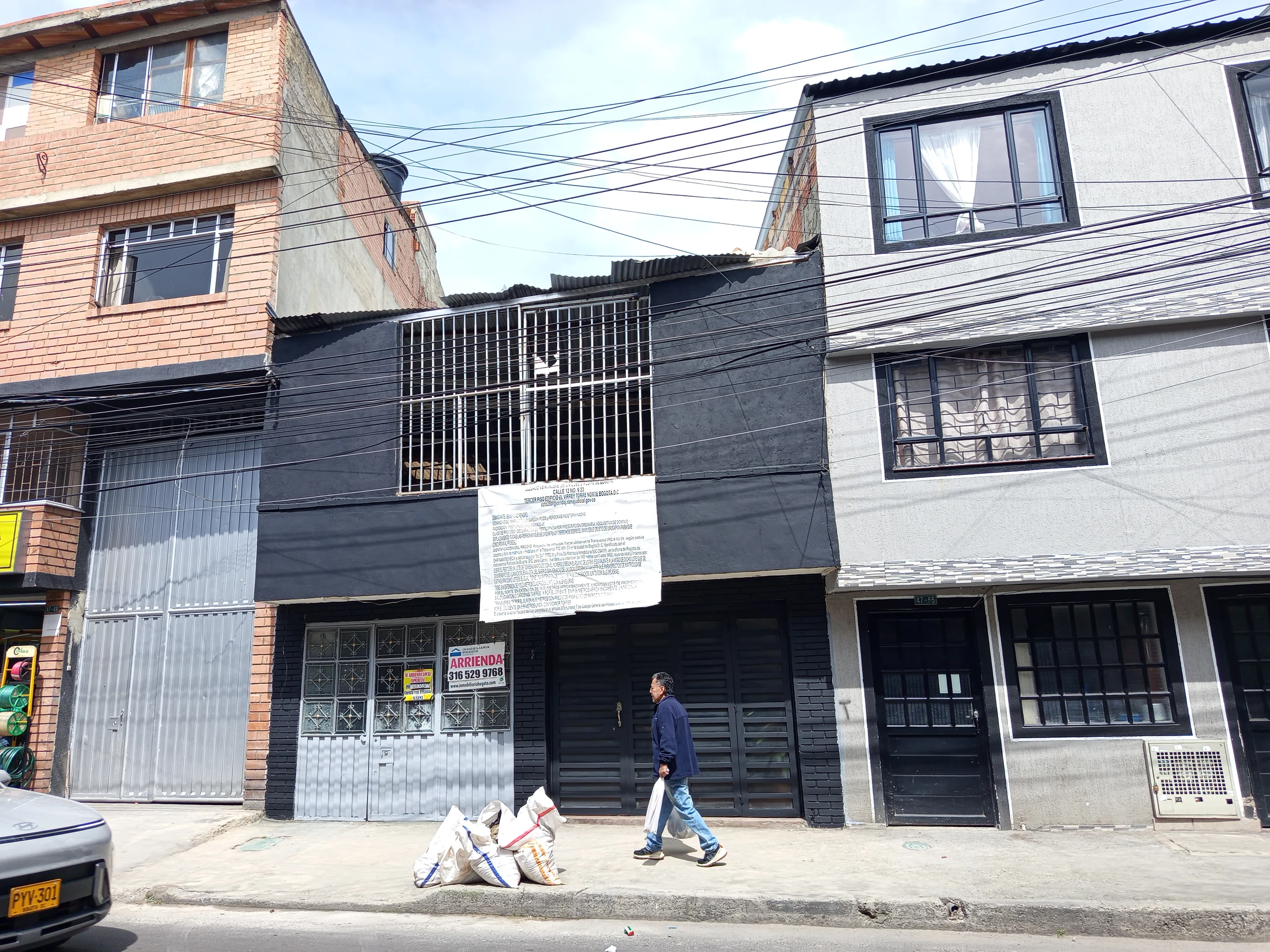
"Se Arrienda" signs on buildings are underrated and genuinely effective. Walk the specific block or barrio you want and photograph every sign. Owners who list this way tend to be local and flexible — they're not running real estate portfolios. Ask the portero (building doorman) directly; they often know about upcoming vacancies before any listing goes up.
What to avoid in week one: large inmobiliarias, unless you already have a codeudor lined up and the money for their commission. They move slowly, charge more, and add friction you don't need when you're just trying to get housed.
Keep Reading
How to Rent Directly From an Owner in Colombia
Verifying ownership, spotting scams, and negotiating without an agency — the full guide.
The Fiador Problem (And What Actually Works)
This is where returnees and foreigners hit the same wall. Most formal long-term rentals in Colombia — especially through agencies — require a codeudor or fiador: someone who co-signs the lease and owns property in Colombia. If you've been abroad for years, that person probably doesn't exist in your life anymore, or they can't take on that legal exposure for you.
The workarounds that actually work:
1. Offer a two-month cash deposit. Many direct owners will accept this instead of a codeudor. It covers their downside risk without involving a third party. Propose it upfront and frame it as simplicity for them — no legal paperwork, no chasing a co-signer. Most owners who've been burned by a previous codeudor situation will say yes immediately.
2. Póliza de arrendamiento. This is a rental insurance policy — you buy it, it covers the owner if you stop paying or damage the property. Companies like Mapfre, Sura, and Confianza offer these for roughly 3–6% of monthly rent per month. Ask agencies specifically about "arriendo con póliza." Most owners who accept a póliza will waive the codeudor requirement entirely.
3. Furnished short-term rentals as a bridge. After three to six months of documented on-time payments in Colombia, the fiador conversation becomes much easier. Building local credit history takes time, but it compounds fast.
4. Negotiate directly with owners. Owners are more flexible than agencies. An agency has a standard intake checklist and won't deviate; an owner who's had the same apartment empty for three weeks will negotiate. Go direct whenever possible.
Keep Reading
Arrendar al Llegar a Colombia Como Retornado: Sin Fiador ni Historial de Crédito
All the fiador alternatives explained — deposit amounts, póliza providers, and step-by-step approach.
Understanding the True Monthly Cost Before You Sign
The listed rent is never the total cost. Every Colombian knows this, but it still surprises people who've been abroad a while. Budget these on top of the advertised price:
Administración: The building's monthly maintenance fee. Covers common areas, doorman, gym, pool. In stratum 4–6 buildings in Bogotá or Medellín, this runs COP 100,000–350,000/month. The owner doesn't control it; it's paid to the copropiedad. It's non-negotiable and almost always on top of rent.
Utilities: Water, gas, and electricity depend on stratum and consumption. Budget COP 80,000–180,000 for a one-bedroom in a mid-tier building. Internet is an additional COP 60,000–100,000/month.
Deposit (depósito): Usually one to two months of rent, refundable at lease end minus any damages. This is separate from any anticipo (advance payment) the owner might request for the first month.
A realistic example: a one-bedroom in Laureles listed at COP 1,800,000/month will actually cost you COP 2,200,000–2,400,000 all-in when you add administración, utilities, and spread the deposit across the year.
Keep Reading
The Real Cost of Renting in Medellín: Rent Is Only the First Line
Neighborhood-by-neighborhood breakdown of true rental costs including admin fees and utilities.
Banking While You're Still Getting Settled
Colombian landlords universally want monthly rent via PSE transfer or Nequi — not cash every month. You'll need a way to send money digitally before the second payment is due.
Nequi and Daviplata are your fastest options. Both work with just your cédula and a Colombian phone number; you can activate either app the same day you arrive. They're not full bank accounts, but they handle transfers and bill payments without issue for the first weeks.
For receiving money from abroad during the transition, Remitly is one of the most cost-effective services for USD or EUR to Colombian pesos — transfers typically land within hours and exchange rates are competitive versus wire transfers.
Once you're ready for a full account, Bancolombia, Davivienda, and Banco de Bogotá all allow foreigners and returnees to open savings accounts with just a cédula and an active Colombian phone number. The process takes five to ten business days.
Keep Reading
Best Banks in Colombia for Foreigners
Which banks are most foreigner-friendly, what documents they require, and how long each takes.
Your Week One Housing Checklist
Here's what you should have sorted by the end of day seven:
- ☐ Documents gathered and ready to share (cédula, bank statements, income proof)
- ☐ Bridge housing confirmed for at least two weeks
- ☐ Active Colombian phone number set up (Claro, Movistar, or Tigo)
- ☐ Nequi or Daviplata activated
- ☐ At least five apartments viewed in person
- ☐ Owner identity verified on any serious option (Certificado de Tradición y Libertad)
- ☐ Deposit-instead-of-fiador offer made on at least one option
- ☐ Total monthly cost calculated (rent + administración + utilities + deposit amortized)
Eight boxes, seven days. You don't need all eight by day three — but if you're at zero by day five, slow down and figure out what's blocking you. Usually it's the fiador requirement or the documents, and both have clean workarounds.
Have a question about the rental process in your specific city?
Ask the community at colombiamove.com/comunidad — there are locals and returnees there answering from real experience.
Frequently Asked Questions
❓ Can I rent an apartment in Colombia without a fiador or codeudor?
Yes. The most practical approaches are: offering a two-month cash deposit in lieu of a codeudor, or getting a póliza de arrendamiento (rental insurance policy from Mapfre, Sura, or Confianza). Both are widely accepted by direct owners. Searching specifically for owner listings — not agency listings — also gives you more room to negotiate.
❓ How long does it take to find an apartment in Medellín or Bogotá?
Budget one to two weeks for a focused search. If you're flexible on neighborhood and price, you can often find something in five to seven days. If you have specific requirements — no fiador, furnished, pet-friendly, specific barrio — allow two to three weeks and start your bridge housing accordingly.
❓ Do I need a Colombian bank account to pay rent?
Not immediately. Most landlords accept Nequi or Daviplata transfers, which you can activate with your cédula and a Colombian number the day you arrive. You'll want a full bank account within the first month — Bancolombia and Davivienda are the most accessible. The process takes five to ten business days.
❓ What documents does a Colombian returnee need to rent?
The standard request: active cédula de ciudadanía, last three bank statements (foreign statements are usually accepted), proof of income (employment letter, freelance payment history, or bank transactions showing regular deposits), and reference letters if available. The codeudor requirement is separate and can often be replaced with a cash deposit or póliza.
❓ Is it safe to rent from a private owner without an agency?
Yes — as long as you verify ownership before signing anything. Request the Certificado de Tradición y Libertad (costs about COP 20,000 from the Superintendencia de Notariado y Registro online) and compare the owner name to their cédula. Do this for any apartment you're seriously considering, regardless of where you found it.
The First Week Is the Hardest
After the first seven days, the logistics settle down and Colombia starts feeling like home again — faster than you'd expect. The returnee experience is genuinely different from a foreigner's first arrival: you're not discovering the country, you're re-negotiating your relationship with it.
If you're actively searching, Colombia Move lists both furnished short-term options and direct owner rentals across all major cities — for free, no agency markup. Start your search at colombiamove.com/categoria/apartamento-arriendo.
And if you found this checklist useful, share it with the group chat — there's usually someone in every Colombian expat community who's about to go through exactly this process. Drop your questions or lessons learned in the comments below; I check them regularly.
Keep Reading
Guía del Retornado Colombiano: Qué Hacer los Primeros 30 Días de Vuelta
Beyond housing — cédula, EPS, banking, and the full 30-day checklist for Colombian returnees.
Colombia Move housing
Compare this with live housing listings
Next step
Use this information on Colombia Move
Use the guide, then compare real listings.
Browse rentals, homes, apartments, rooms, and property posted in Colombia.
Browse housingCompare real housing listings
Use the guide with live rentals, homes, fincas, and lots across Colombia.
Browse housingPost free
Listing on Colombia Move is free, bilingual, and built to be found from search.
Post housing freeRelated guides
More useful guides
casa-clara
Colombia Needs Housing Price History More Than Another Portal
Colombia has plenty of property portals — and zero public price history. That gap costs buyers, renters, and sellers more than most people realize.
seller-guide
How to List a Rental Property for International Tenants in Colombia
Targeting international tenants can mean advance payments in USD, predictable stays, and less vacancy. Here's how to list, price, and position your property to reach expat rente...
housing
How to Rent Directly From an Owner in Colombia
Renting directly from a Colombian owner can save you 1–2 months' rent in agency fees. Here's exactly how to find legit listings, verify ownership, and sign safely.
expat-guide
Living in Santa Marta, Colombia: An Honest Expat Guide
Santa Marta doesn't have Cartagena's Instagram aesthetic, but it has something better: Colombia's Caribbean coast at a fraction of the price, with Tayrona National Park 45 minut...
Explore by topic
Housing
Renting in Colombia
Apartment, lease, neighborhood, fiador, and rental-market guides for tenants and owners.
Relocation
Moving to Colombia
Practical guides for planning the move, settling in, avoiding beginner mistakes, and understanding daily life in Colombia.
Immigration
Visas and Residency
Visa, cedula, residency, document, and timing guides based on official requirements and lived experience.
Comentarios
0 comentarios de lectores de Colombia Move
Cargando comentarios...
Inicia sesión con tu cuenta de Colombia Move para comentar.
Iniciar sesión