
How to Avoid Scams When Buying on Facebook Marketplace in Colombia
Buying on Facebook Marketplace in Colombia can go well — or very badly. This guide explains how to identify suspicious sellers, what steps to follow before paying, and where to find safer alternatives.
IDIOMA DEL ARTÍCULO
Showing original language
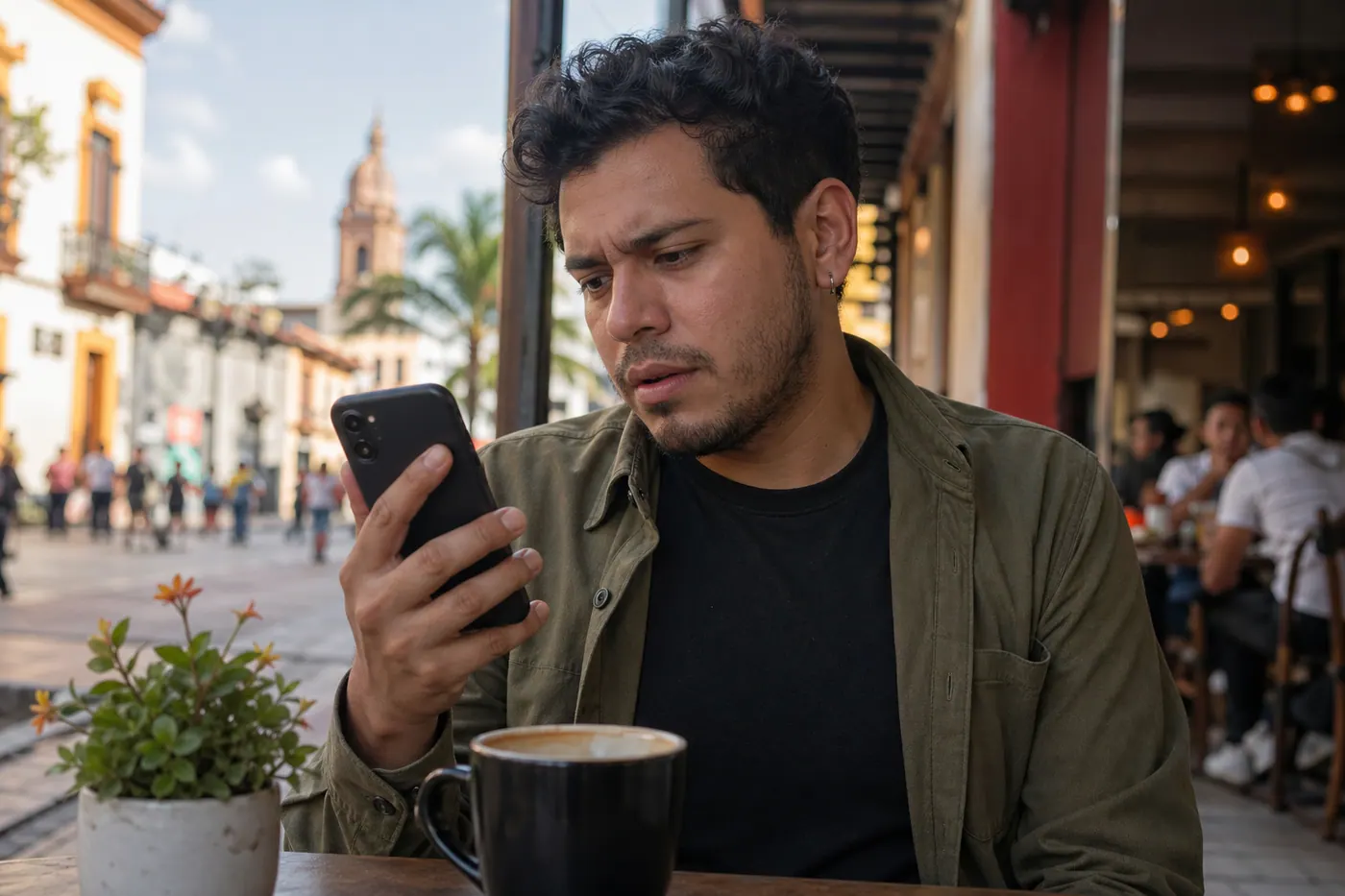
The problem with Facebook Marketplace in Colombia isn't that it's dangerous by nature—it's that we mix speed with carelessness. You post "looking for a used fridge," someone shows up with a nice photo and a reasonable price, and in 20 minutes you're already believing you've found the deal of the century. That enthusiasm is exactly what scammers take advantage of.
I've bought and sold quite a bit on there, and honestly, most transactions go well. The problem is the few that go wrong: the phone that arrives fried, the furniture that looks nothing like the photos in person, or worse, the seller who disappears after you send the money. With common sense, those situations are almost always avoided. If you want to see real options right now, you can see electronics on Colombia Move — posting is completely free.
This guide is for you to know what signs to look for, how to organize yourself before meeting someone, and what alternatives you have when you want more guarantees than a WhatsApp photo.
The most common scams on Facebook Marketplace Colombia
The "you sent it but it didn't arrive" scam: the seller asks you to transfer money to Nequi or Daviplata before delivering the item. They send you a screenshot of a "bank receipt" so you'll do the same. That receipt is fake. Never send money before having the physical product in your hands, without exception.
The reported stolen item: you buy a cell phone at a good price, everything seems in order, but two days later the IMEI appears blocked because the original owner reported it as stolen. You're left without a phone and without money. The seller no longer exists.
The ghost seller: the item exists (with real photos they took from another post), the price is attractive, and the seller always has excuses for not meeting: "I'm traveling," "my brother is making the delivery tomorrow," "can you send me the bus fare?". There is never a delivery. There is never an item.
The item isn't what it seems: the TV in the photo is 55 inches, the one you go to pick up is 42. The furniture was "impeccable" in the filtered photo; in person, it has water damage and a crooked leg. It's not always intentional, but it is false advertising, and the only way to protect yourself is to verify before paying.
The fake payment: they send you a "transfer successful" screenshot and pressure you to hand over the item first. The deposit never appears—or arrives for the wrong amount while they distract you by rushing.
Red flags you can't ignore
A newly created profile or one with no previous posts—when someone has only existed on Facebook for two weeks and is already "selling" expensive electronics, it's a serious red flag. Check the profile creation date.
Only accepting digital payment before delivery—any serious seller understands that cash on delivery is the norm. If they pressure you to transfer money "to reserve" or "to guarantee you're going to show up," get out of there.
Photos that don't add up—if the listing has three official catalog photos and the seller can't send you a new photo with the item on their table or next to their hand, that item probably doesn't exist.
Not knowing product details—ask for the phone's IMEI number, the model year, or a photo of the appliance's serial number. A legitimate seller has it handy. Someone who is making it up will take time, change the subject, or send you another catalog image.
Price 40% or more below market without explanation—bargains exist, but they are rare. If an iPhone 14 costs $1,200,000 when it's worth $2,500,000 everywhere else, ask yourself why.
Concrete steps to shop safely
1. Look for the reference price first. Before writing to the seller, search for the same item new and used from other sources. If the price is more than 35% below without a logical explanation ("I need to sell fast," "I'm moving out of the country"), be skeptical.
2. Ask for photos with proof of life. Ask them to send you a photo of the item next to a handwritten note with your name and today's date. It sounds exaggerated, but it filters out 90% of ghost sellers. A legitimate seller will do it without a problem.
3. Verify the IMEI before paying for any cell phone. At the time of delivery, ask the seller to dial *#06# in front of you. Write down the number and verify on the MinTIC portal if it has a theft report. If the seller doesn't want to do that, it's a bad sign.
4. Pay only when you have the item in your hands. No exceptions. Not half, not a "reservation," and not "transferred but processing." Cash or transfer on the spot, with the item in front of you and checked.
5. Document the transaction. Take photos of the item at the moment of delivery and save the entire chat. If something goes wrong later, you have evidence for a report.
Where to meet for the delivery (this matters more than you think)
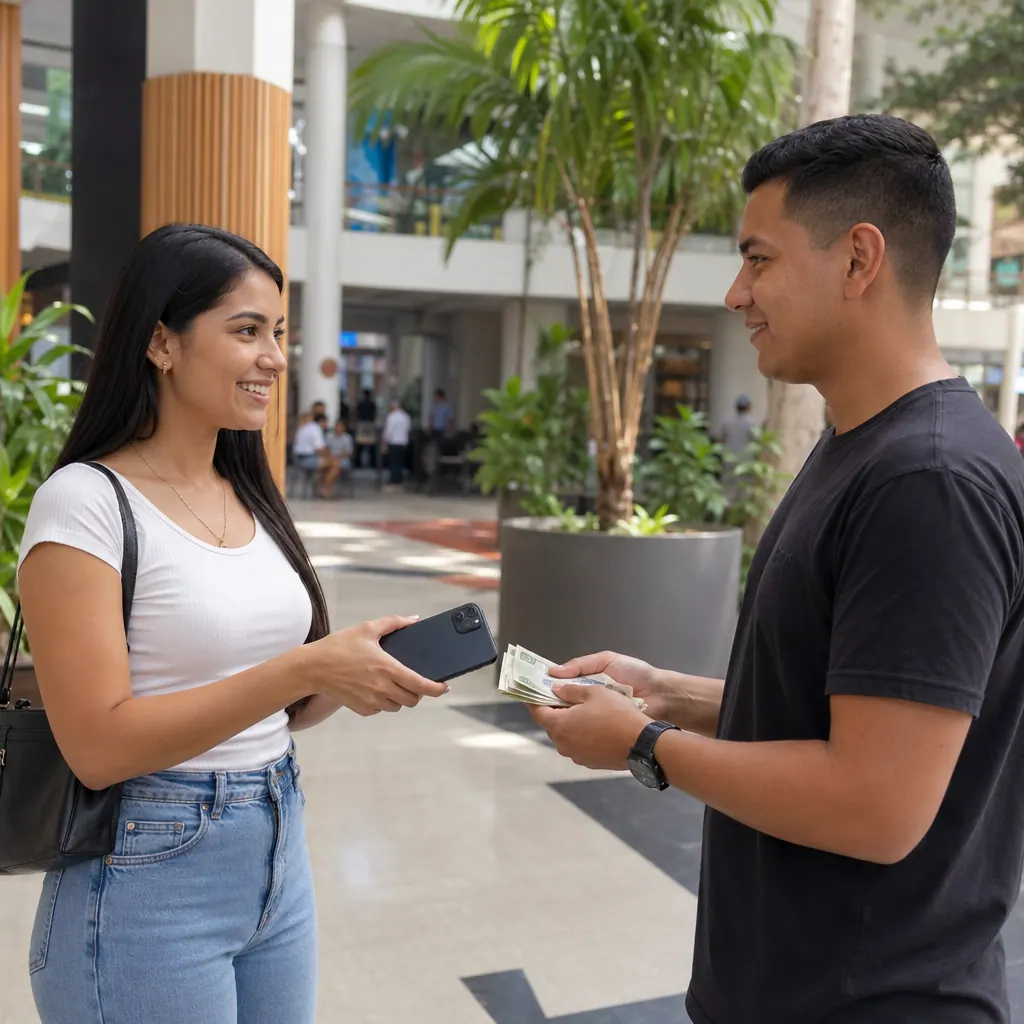
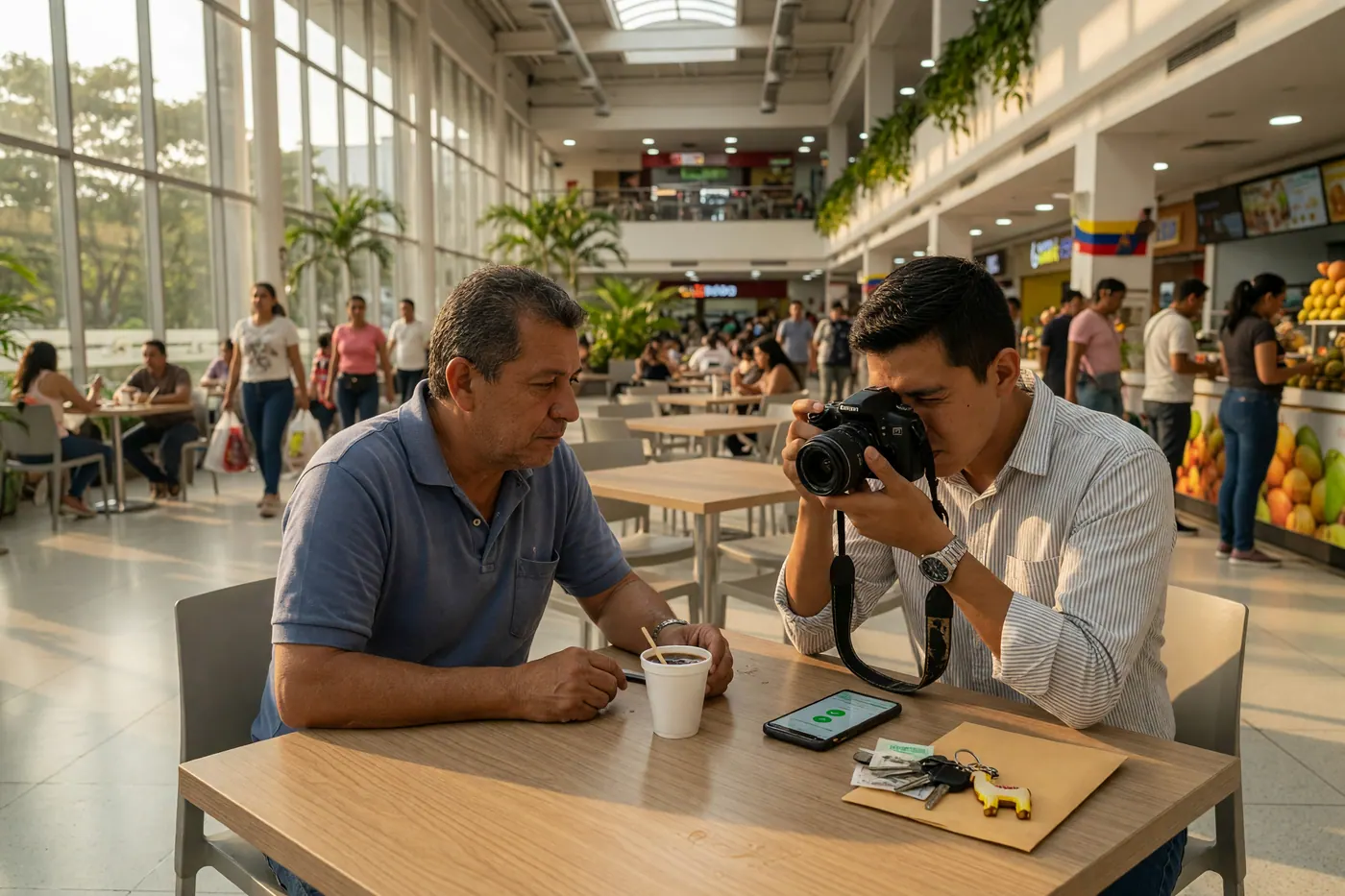
Always insist on a public and crowded place. The best spots are shopping malls with security (Santafé, El Tesoro, Viva, Unicentro—depending on the city), Metro or SITP stations, or even the entrance of a police station (CAI). There are cameras, there are people, and if something happens, there are witnesses.
Never in a lonely park, a neighborhood you don't know, or the garage of someone you just met online. If the seller sets too many conditions about the meeting point or says they "can only do it in such-and-such neighborhood," that's a signal. Legitimate sellers prefer public places just as much as you do.
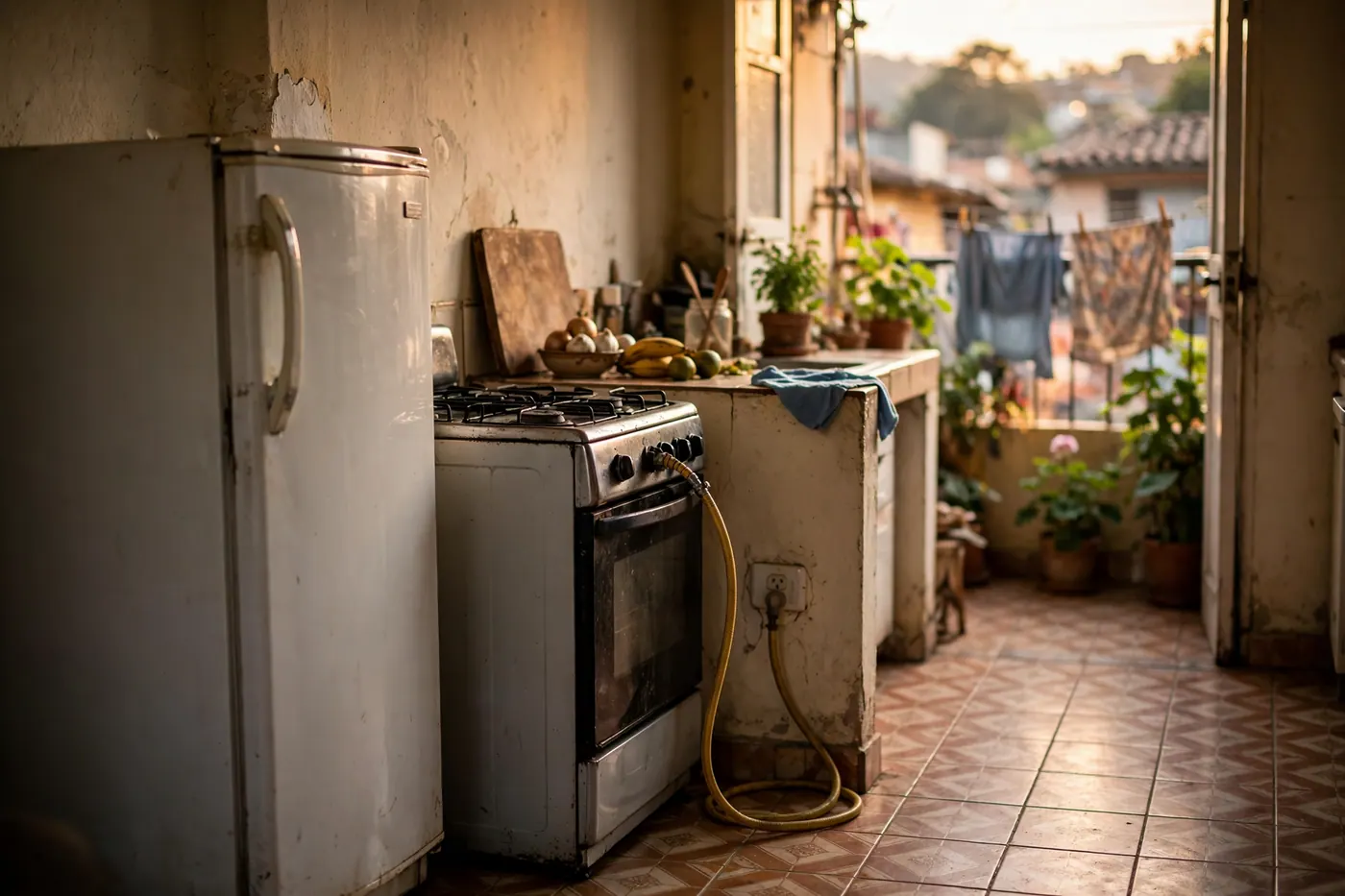
For large items—fridges, furniture, washing machines—the most practical thing is for you to go to the seller's address, ideally with a companion, rather than having the item arrive at your house with a stranger. And do it during the day, never at night.
Classifieds with more control: what Facebook doesn't give you
Facebook Marketplace has its uses, but it has a fundamental problem: sellers are anonymous, listings disappear in days, and there is no verifiable history. If the seller you negotiated with disappears, there is no trace.
On Colombia Move (colombiamove.com) classifieds work differently: each seller has a profile with a history of active and previous listings, and the pages are indexed on Google, so the ad doesn't mysteriously disappear after you've made the transaction. You can see if someone has been posting for months or if they just created their account. You can also contact them directly via WhatsApp without intermediaries. Some items you can find directly: electronics and cell phones
There is also furniture and decor in the home category and appliances in their own section. Everything is free to post and to contact.
📖 Keep reading
Here's how search by neighborhood, the interactive map, and seller profiles work on Colombia Move—all free.
See how to search by neighborhood and seller profile →Frequently Asked Questions
❓ What should I do if I’ve already been scammed on Facebook Marketplace Colombia?
File a report with the National Police—you can do it online at adenunciar.policia.gov.co or at your nearest CAI. Report the profile directly on Facebook and save all chat screenshots. If the payment was made via Nequi or Daviplata, contact those platforms immediately—in some cases, they can reverse the transaction if you act within the first few hours.
❓ How do I verify if a cell phone has a theft report in Colombia?
Use the official MinTIC portal (mintic.gov.co) and enter the IMEI. You can also go to any Claro, Movistar, or Tigo service center and ask them to verify it. Always do this before paying, not after.
❓ Is it safe to pay with Nequi or Daviplata on Facebook Marketplace?
Only if you pay after receiving the item and checking it. The problem isn't the payment app—it's when you pay. Never do it before having the product in your hands.
❓ Which items have the highest risk of scams on Facebook Marketplace Colombia?
Cell phones, computers, and electronics in general are the most frequent. Also motorcycles with "in process" paperwork and brand-name accessories at clearance prices. Furniture and large appliances carry less risk because the delivery logistics are harder to evade.
❓ Can I use Colombia Move if I only speak English?
Yes. Colombia Move is a bilingual platform—you can search and post in English or Spanish, and the system shows results in both languages. Some sellers also provide service in English, especially in Medellín and Bogotá.
Has this happened to you?
Share your experience in the comments—someone else's story might be exactly the warning someone needs to avoid making the same mistake. And if you have questions about where to buy safely in Colombia or want to ask for recommendations, you can ask in the Colombia Move community at colombiamove.com/comunidad. There are real people answering.


Comments
Loading comments...
Checking sign-in status...