
Living in Granada: The Gastronomic Heart of Cali
Granada is the neighborhood where Cali eats, drinks, and dances best. This guide covers what ads don't tell you: real prices, advantages, disadvantages, and who should live here in 2026.
IDIOMA DEL ARTÍCULO
Showing original language
The first time I went to Granada, it was at night. I got out of the Uber on Avenida 9N and what I found didn't quite match what I expected from Cali: tables on the sidewalk, warm light from carefully decorated restaurants, well-dressed people having craft cocktails, and the sound of salsa filtering in from a bar half a block away. It wasn't the explosive partying of Juanchito or the bohemian vibe of San Antonio. It was something more curated, more adult — as if someone had taken the best of Cali's gastronomy and concentrated it into fifteen blocks.
Granada is the neighborhood where Cali eats. More than a hundred restaurants in a compact radius, cuisines from around the world, and a concentration of bars and cocktail lounges unmatched in the city. What would be Provenza in Medellín, La Zona Rosa in Bogotá — in Cali it's Granada. If you want to see real options right now, you can see apartments and houses on Colombia Move — posting is completely free.
But living there is another thing than going out to dinner on Saturday. This guide covers both sides of the neighborhood: the one that shows up on Instagram and the one nobody mentions when they convince you to move. Real rental prices, what you find within walking distance, how transportation works, and who Granada suits — and who it definitely doesn't.
Granada today: what kind of neighborhood is it
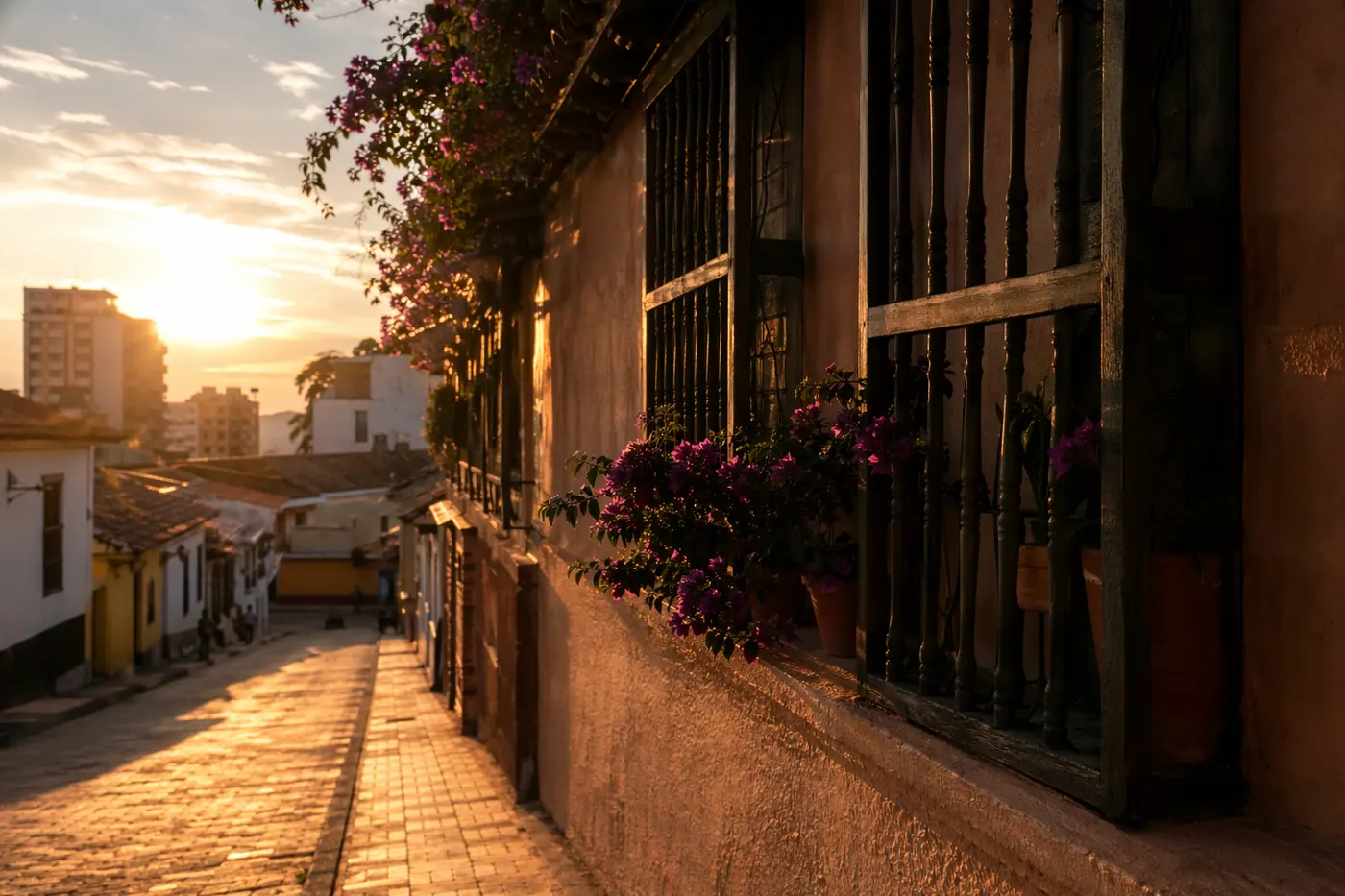
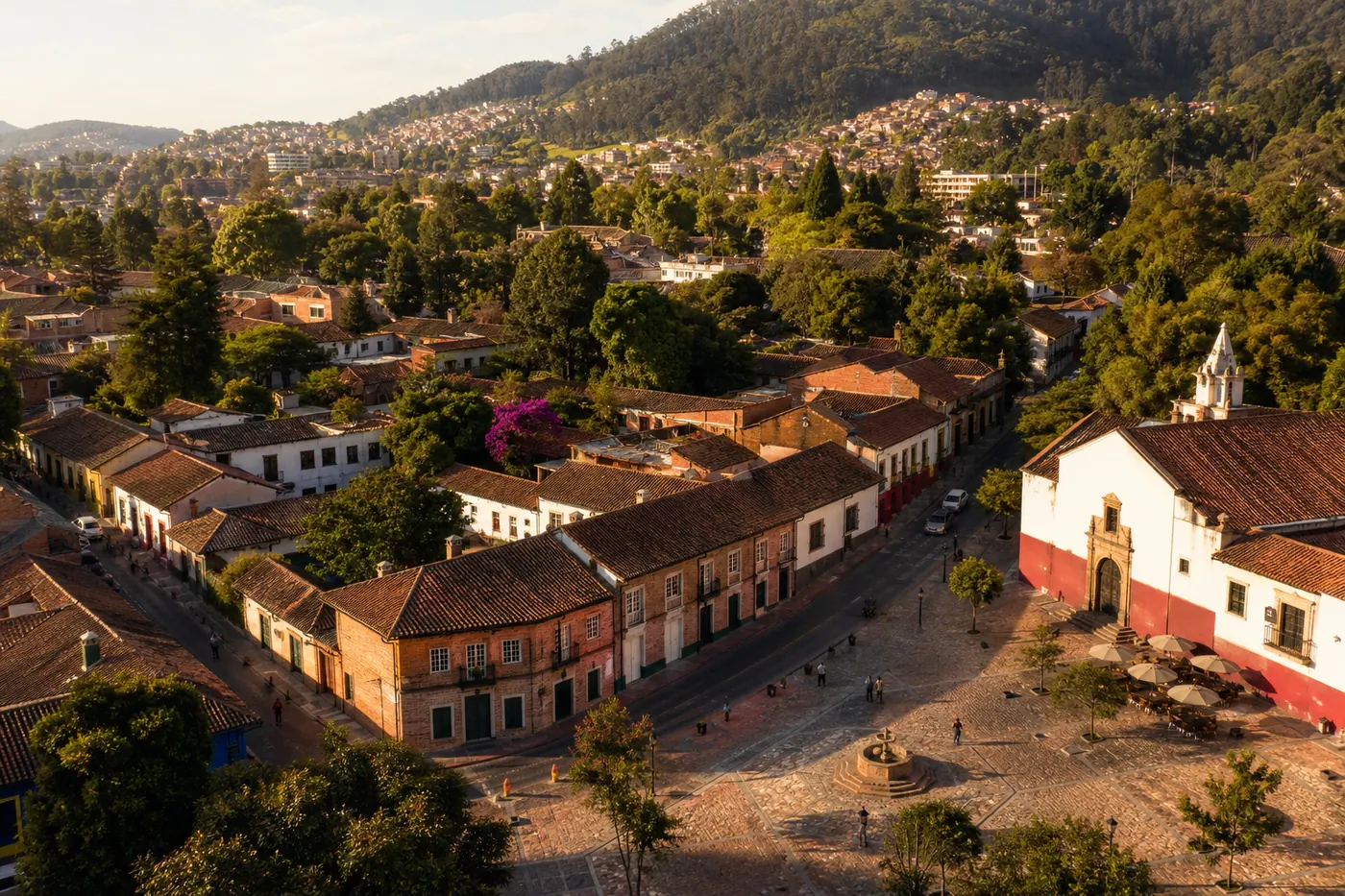
Granada is in Comuna 2, north of Cali's historic center. Its main axis is Avenida 9N, although the neighborhood extends between avenues 6N and 12N, spanning about fifteen blocks where residential buildings from the 80s coexist with ground-floor commercial spaces and colonial houses converted into restaurants with terraces.
It's a stratum 4-5 neighborhood, which in Cali means medium-high utility rates, good basic infrastructure, and a mix of neighbors that includes young professionals, executives, and some foreigners who prioritize location over apartment size. It's not the newest or most modern neighborhood in Cali — and that's actually part of its charm. The wide, tree-lined streets with mid-twentieth century architecture have an identity that new projects in the south don't have.
What distinguishes it from other 'trendy' neighborhoods in Cali is that Granada has real activity during the week. Restaurants fill up between Tuesday and Thursday, cafés have movement during the day, and there's enough everyday life — supermarkets, pharmacies, hardware stores within a few blocks — that living there doesn't require constant travel. The trap that no rental ad mentions is the noise: on weekends Avenida 9N and its adjacent streets are party zones until the early morning. If you sleep early on Saturdays, that's going to be a problem. If you don't, it stops being one.
Rental prices in Granada (2026)
Granada isn't the most expensive neighborhood in Cali — that would be Ciudad Jardín or El Ingenio — but it's not cheap either. Prices reflect the premium location and constant demand in the sector. These are real ranges for 2026:
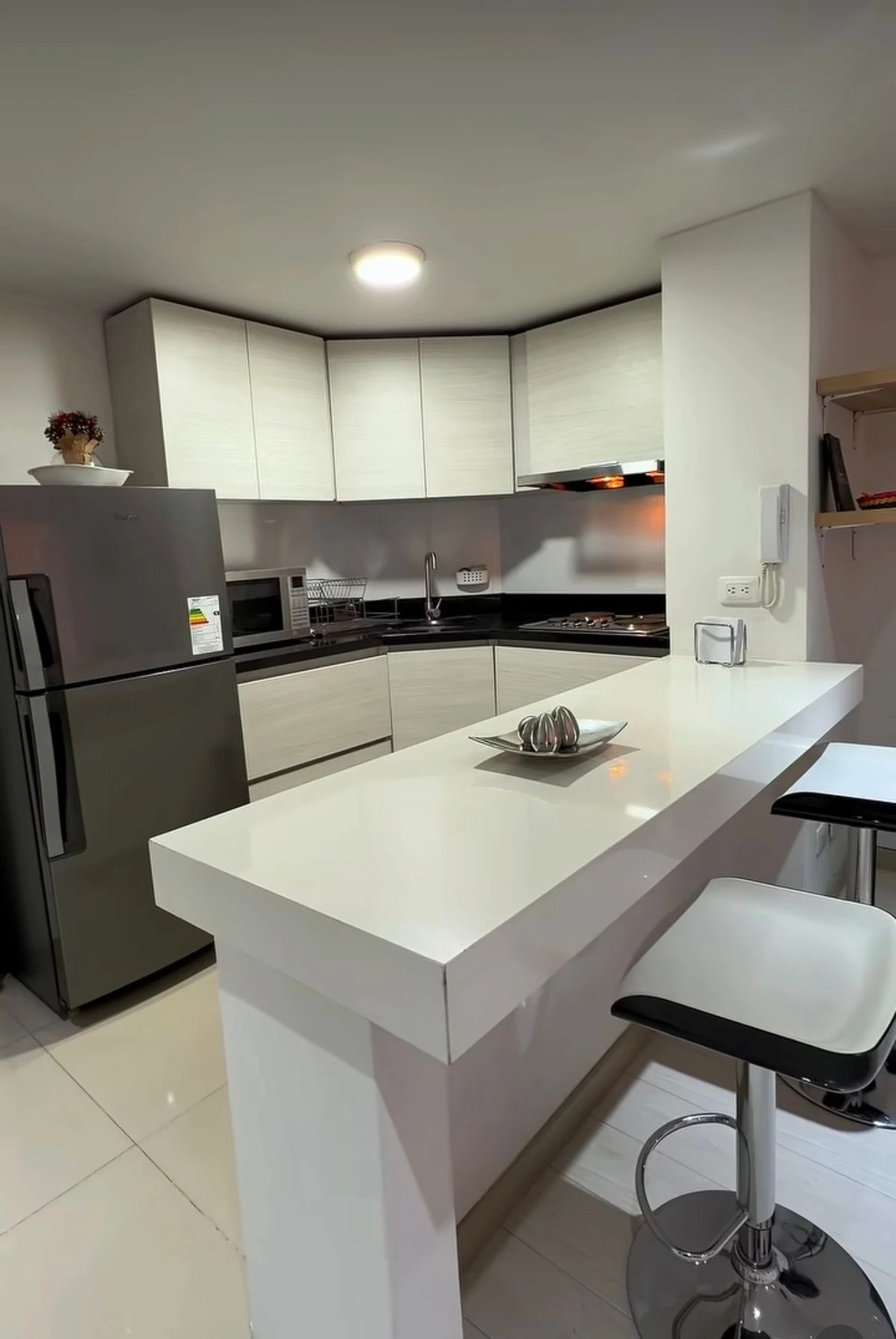
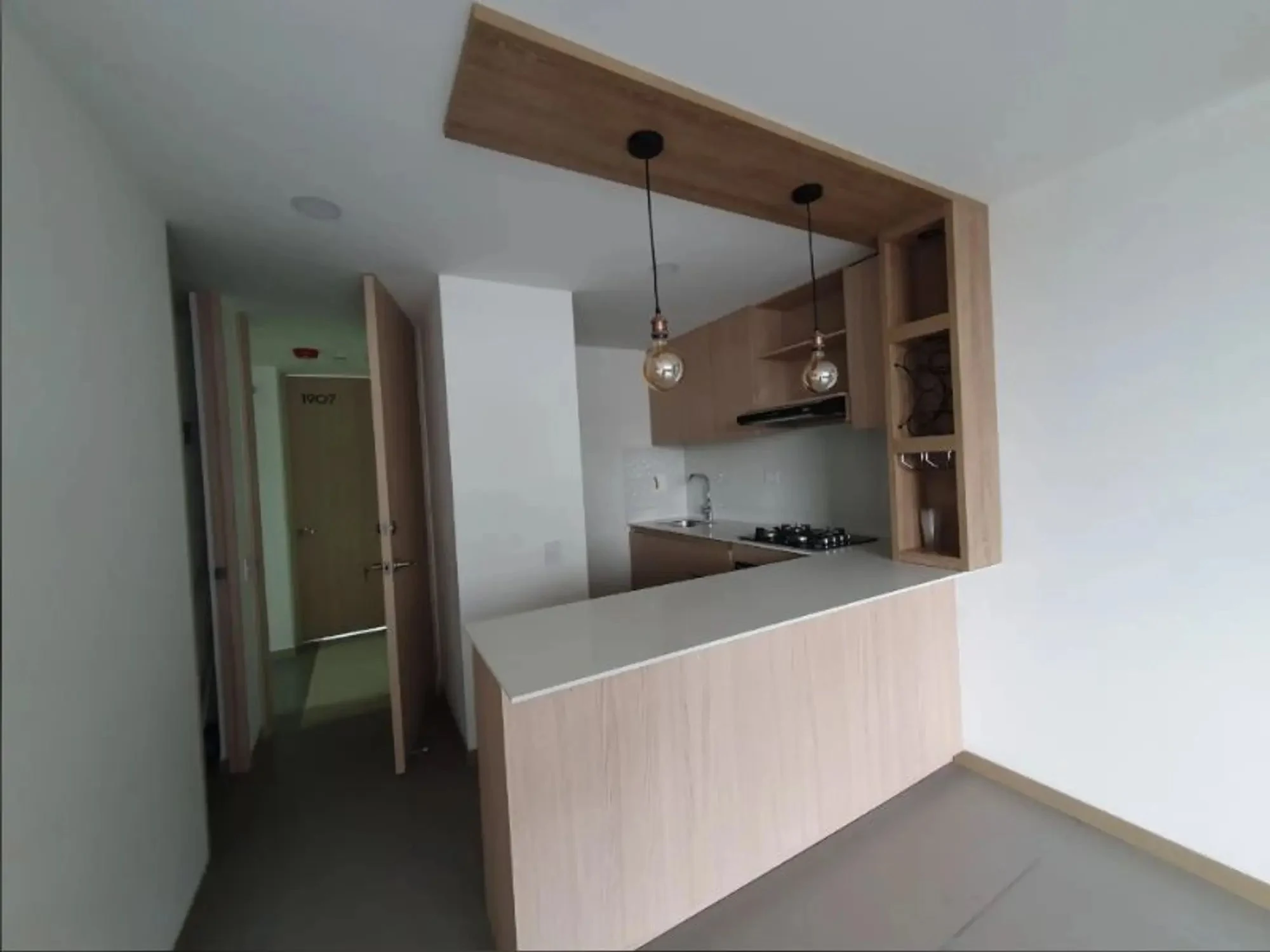
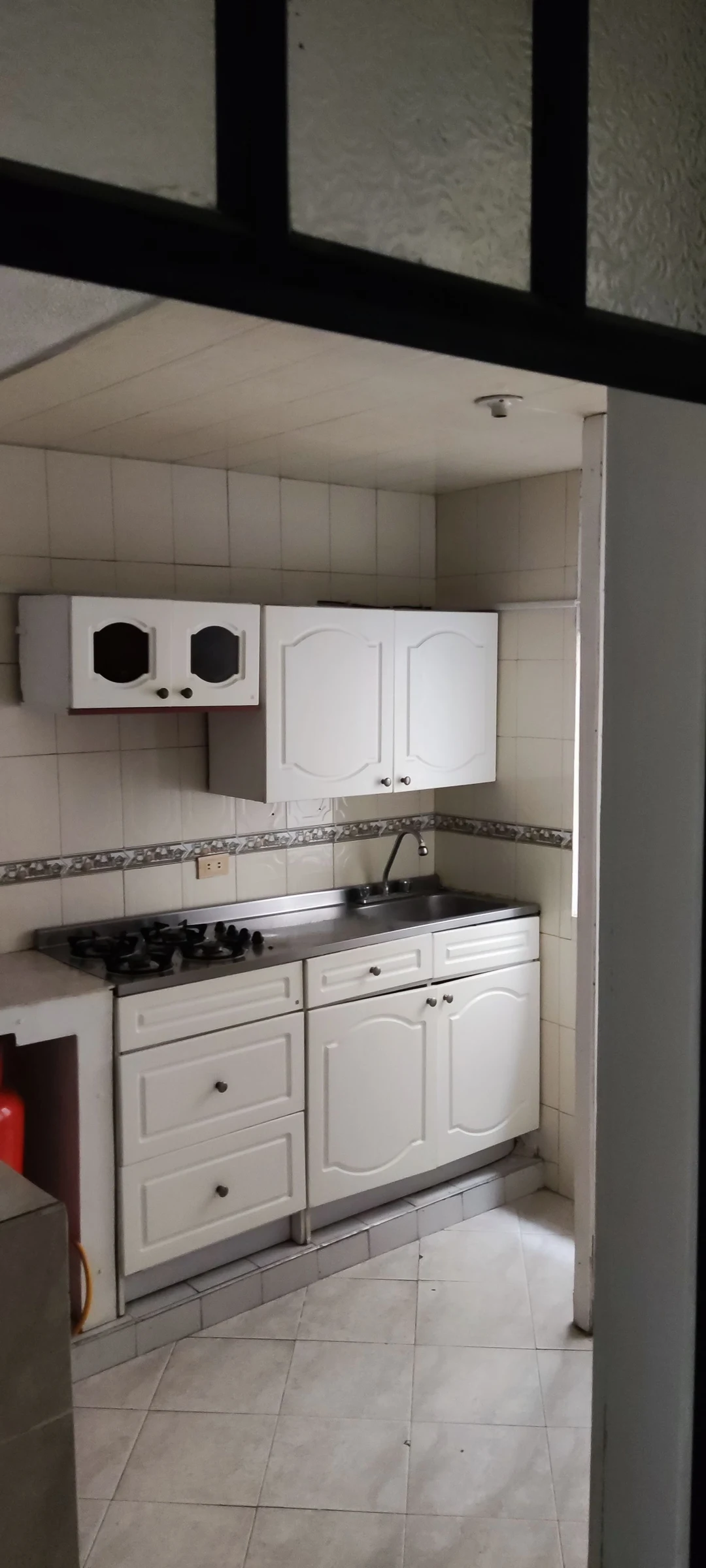
1-bedroom apartment unfurnished: $1,800,000 – $2,500,000 COP/month. Furnished with equipped kitchen: $2,200,000 – $3,500,000 COP. 2-bedroom apartment unfurnished: $2,800,000 – $4,200,000 COP. Room in shared apartment: $700,000 – $1,100,000 COP.
One detail often forgotten: in Granada, buildings with doormen and common areas charge administration separately — between $150,000 and $350,000 COP — which doesn't always appear in the ad. Ask before signing. Also don't assume parking is included; in most cases it's an additional cost of $100,000 to $200,000 COP per month.
The price-per-square-meter ratio is less favorable than in Santa Mónica or Versalles sectors. You're paying for location, not space. A 1BR in Granada is usually between 45 and 65 m²; for the same price in Santa Mónica Residencial you can easily get 70-80 m². The comparison is fair to make: it depends on what you prioritize, the gastronomic location or livable space.

The gastronomic life: more than a hundred restaurants within walking distance
The neighborhood's greatest asset is undoubtedly its culinary offering. With more than a hundred restaurants in just a few blocks, the variety is real — not just in types of cuisine, but in price ranges.
In the segment of author cuisine and high-end: Platillos Voladores is the reference point for contemporary cuisine with regional ingredients; Salerno has been the Italian reference in northern Cali for years; Morada Ancestral works Colombian cuisine with a genuinely surprising proposal. Dinner for two at any of these runs between $150,000 and $280,000 COP — they're not cheap, but the quality justifies the price if the occasion warrants it.
For everyday there are more accessible alternatives: menu-of-the-day restaurants between $15,000 and $25,000 COP on the more internal streets of the neighborhood, several breakfast cafés with reasonable prices, and perfect delivery app coverage. Rappi and iFood have delivery times of 20-35 minutes from practically any point in Granada — something residents use quite a bit on weekdays when they don't feel like going out.
If you rely heavily on delivery, the guide to delivery apps in Colombia explains how to get the most out of them, including discount tricks that few know about.
The night in Granada: the good and the noisy
Granada has the most varied nightlife in Cali after Juanchito. The difference is the format: here it's not a single nightclub zone but a mix of bars, cocktail lounges, and live music venues distributed throughout the neighborhood. The density is high — you can go out, walk two blocks, and be in a completely different bar in character and music.
Zaperoco is the cult bar of the neighborhood — it's been around for decades, has a legendary vinyl collection and an atmosphere that hasn't aged badly. Bourbon St. is more relaxed, with good whisky and live jazz some nights. For salsa in a more authentic setting, La Topa Tolondra is the historic reference in the sector. Rooftops have proliferated in recent years; some with real city views, others with more marketing than view — ask before going up.
The practical detail for those who live there: Fridays and Saturdays from 9pm traffic on Avenida 9N becomes complicated. Uber, InDrive, and DiDi work well, but wait times go up to 10-15 minutes during late-night rush hour. If you live in the neighborhood and go out at night, the real advantage is that you can walk home from most places — something you can't do if you live in the south and come to Granada to party.
Transportation and mobility from Granada
The neighborhood is very walkable within itself: for everything Granada has, you don't need to move around. But for the rest of Cali, the picture is more mixed than sometimes painted.
The MIO (Cali's BRT system) has routes with reasonable access from Avenida 3N and Calle 5N, a few blocks from the neighborhood. It's not as seamless as having a station on the corner, but it covers trips to downtown and Universidad del Valle with reasonable times during off-peak hours. For the south of the city — Chipichape, El Ingenio, Ciudad Jardín — the MIO can take 45-60 minutes; in that case a car or an app is more efficient.
Uber, InDrive and DiDi have very good coverage in the area, with wait times of 4-8 minutes on weekdays. A trip from Granada to the Historic Center costs between $8.000 and $14.000 COP; to Ciudad Jardín, between $18.000 and $28.000 COP. By bike there are bike lanes on Avenida 2N and some marked stretches on internal streets — Cali's climate makes it viable, and the neighborhood is completely flat.
Granada vs San Antonio, El Peñón and Santa Mónica
The question that comes up most before moving to Granada is whether it's worth it compared to the other neighborhoods in the north. The honest answer depends on what you're looking for.
Granada vs San Antonio: San Antonio has more bohemian character, murals, colonial houses with a view of the hill, and is more affordable — a 1BR goes for between $1.200.000 and $1.800.000 COP. But it's further from the commercial north and has less fluid transport. If you prioritize culture and price over premium gastronomy, San Antonio wins without question.
Granada vs El Peñón: El Peñón is quieter, has a central park with real shade, and is slightly more affordable. It's for someone who wants the location in the north without the noise of nightlife. If you have small children or simply need to sleep on Saturdays, El Peñón is the ideal middle ground between price and quality of life.
Granada vs Santa Mónica: Santa Mónica offers more square meters for the same price, more family quality, but less direct gastronomy. The tradeoff is clear: space and tranquility vs location and culinary offer. Our guide on Living in Santa Mónica goes into detail on that comparison if you're torn between the two.
📖 Keep reading
Just arriving in Cali? The complete guide to Cali neighborhoods for expats covers all the main areas with prices and profile of each one — the starting point if you're still deciding where to live.
Who should live in Granada?
No beating around the bush: Granada works very well for a certain profile and quite poorly for another.
Granada is for you if you work remotely or have flexible hours (the neighborhood during the day is quiet and pleasant), you prioritize having good restaurants within walking distance without needing a car, you go out at night regularly and value being able to walk back, you don't have small children or nighttime noise doesn't affect you, and your budget for a 1BR is $1.800.000 COP and up. It's also a good base if you arrive in Cali for the first time and want to settle quickly — the supply of furnished apartments is ample.
Granada probably isn't for you if you need silence on weekends, you're looking for more square meters for the same price, you have large pets (many buildings in the sector have restrictions), or your work takes you to the south of the city every day and you don't want to deal with traffic on Avenida 9N. In that case, looking toward El Peñón or Ciudad Jardín makes more sense.
If you're still evaluating which part of Cali to live in, the complete guide to Cali neighborhoods for expats compares all the main sectors with updated prices — a good starting point before making a decision.
📖 Keep reading
Are you comparing Granada with other options in the north of Cali? Our guide on Living in Santa Mónica goes into detail about the most family-friendly neighborhood in the sector, with prices and direct comparison.
Do you have questions about living in Granada or in Cali in general? The Colombia Move community at colombiamove.com/comunidad has answers from people who already live here — it's free and requires no initial registration.
Frequently asked questions about living in Granada, Cali
❓ How much does it cost to rent in Granada neighborhood, Cali?
In 2026, an unfurnished 1-bedroom apartment in Granada costs between $1.800.000 and $2.500.000 COP per month. With furniture and equipped kitchen, the range goes up to $2.200.000 – $3.500.000 COP. Rooms in shared apartments are between $700.000 and $1.100.000 COP. Remember to ask if the building administration is included or is a separate cost — in many cases it adds between $150.000 and $350.000 COP extra.
❓ Is it safe to live in Granada neighborhood?
Granada is one of the safest neighborhoods in Cali in relative terms. It has high circulation of people during the day and night, presence of commercial establishments with cameras, and a consolidated community of residents and merchants. As anywhere in Cali, common sense applies: don't show phones or valuable jewelry on the street at night, and be cautious during hours of lower circulation. On weekends with high density of people in the bars, pickpockets are the most frequent risk — nothing that doesn't apply in any nightlife zone of any city.
❓ What are the most well-known restaurants in Granada neighborhood?
The most consistently recommended are Platillos Voladores (author's cuisine), Salerno (Italian), Morada Ancestral (contemporary Colombian), and La Topa Tolondra (salsa and Cali rumba). For everyday dining with a more controlled budget, there are several menu-of-the-day restaurants on the internal streets of the neighborhood between $15.000 and $25.000 COP.
❓ Does Granada have good transportation options?
For getting around within the neighborhood and toward the north of Cali, transportation is reasonably good. There are MIO routes a few minutes walk away, and Uber, InDrive and DiDi have wait times of 4-8 minutes on weekdays. For the south of the city (Chipichape, El Ingenio) the trip can take 30-50 minutes depending on traffic. The neighborhood is also completely flat and has some bike lanes, making it usable by bike for short trips.
❓ Is Granada suitable for families with children?
It depends on the stage. For young couples or single people, Granada works very well. For families with small children, the nighttime noise on weekends can be a real inconvenience — the bars and nightclubs in the sector generate atmosphere until the early morning hours on Fridays and Saturdays. El Peñón or Santa Mónica have more family-friendly profiles within the north of Cali, with more tranquility and more accessible educational offerings within walking distance.
Do you have experience living in Granada or are you considering moving? Tell us in the comments — specific questions about the neighborhood always get answers from someone who's been through the same thing.
Comments
Loading comments...
Checking sign-in status...