
Living in Chapinero: Complete Guide to Bogotá's Coolest Neighborhood
The neighborhood where everyone ends up living in Bogotá — and for good reason. But Chapinero isn't just one neighborhood, it's four very different zones. This guide explains each one.
IDIOMA DEL ARTÍCULO
Showing original language
If you arrive in Bogotá looking for an apartment and type 'where to live in Bogotá' in any Facebook group or Reddit, there's a good chance someone will tell you Chapinero. And it makes sense: the neighborhood is central, has good food options, reasonable transportation, and an energy that mixes artistic, university, and festive vibes in a way few neighborhoods in the city achieve. But there's a detail that many people learn after signing the contract.
Chapinero is not a single neighborhood. It's a locality that groups together completely different zones — with their own prices, profiles, and vibes. Chapinero Central and Quinta Camacho, for example, are so different they could be in different cities. This guide explains each sub-neighborhood with real rental prices, how transportation works, how much there is to do, and which zone makes the most sense for you to live in. If you want to see real options right now, you can see apartments and houses on Colombia Move — posting is completely free.
Spoiler: Chapinero is rarely the wrong choice. But depending on what you're looking for, one zone will fit much better than another.
Chapinero is not a neighborhood — it's four different zones
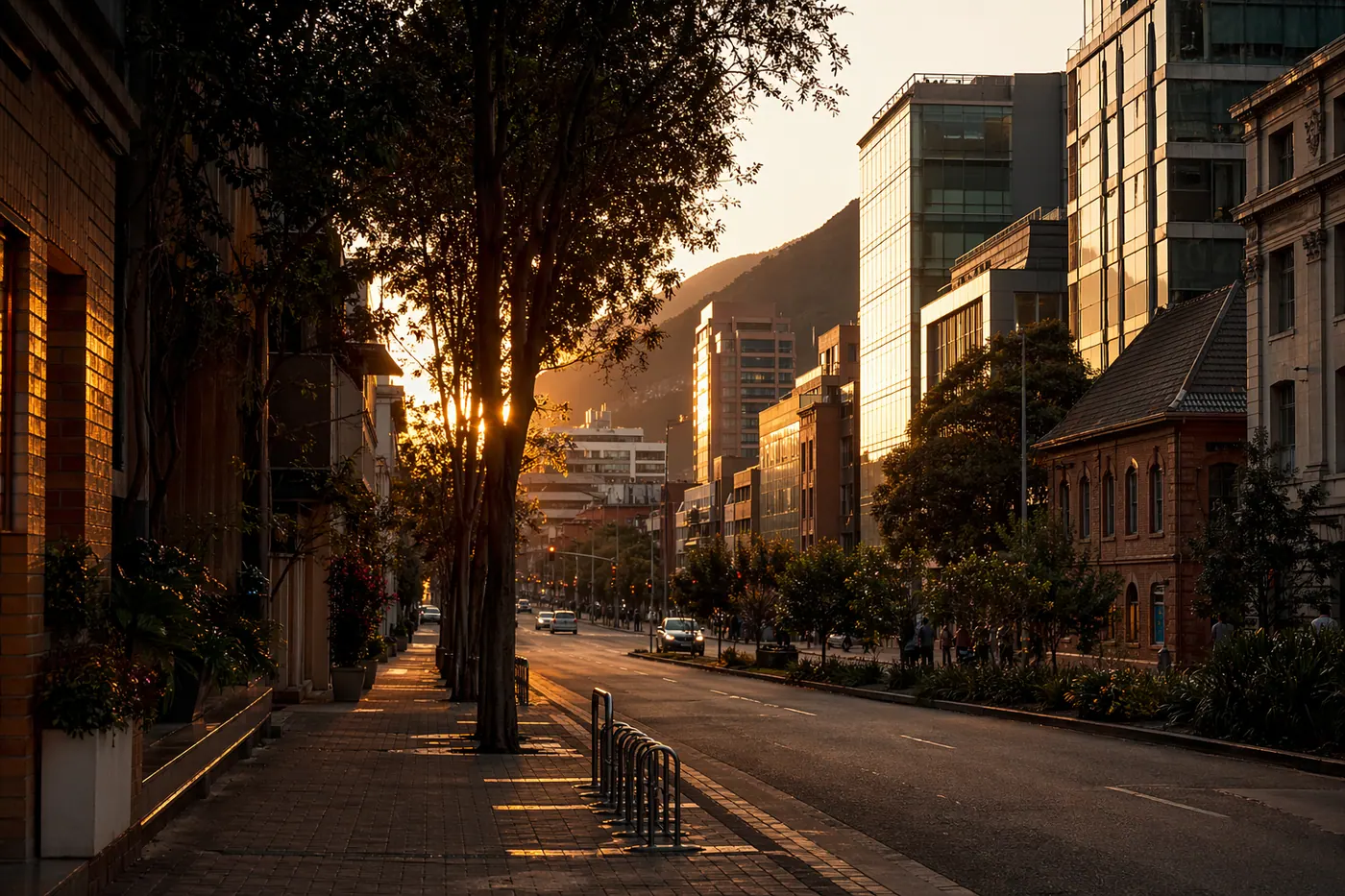
Chapinero covers from Calle 39 to Calle 72, and from Avenida Caracas to the foothills of the eastern hills. That's a lot of territory. In practice, there are four zones that matter when choosing where to live:
Chapinero Central — the most well-known and densest zone, between Caracas and Carrera 13, from Calle 45 to 63. This is where the bars are, mid-range restaurants, Bogotá's most established LGBT+ sector, and also the most foot traffic in the locality. It's the most affordable zone within Chapinero, and the one that polarizes the most: some love the constant energy, others find the noise overwhelming.
Chapinero Alto — the neighborhoods that climb toward the mountain to the east: Bosque Calderón, Pardo Rubio, La Salle, La Perseverancia in their upper parts. Incredible views, fresher air, and quieter streets. The problem is there's no direct TransMilenio, and bus or taxi trips take longer than they appear on the map.
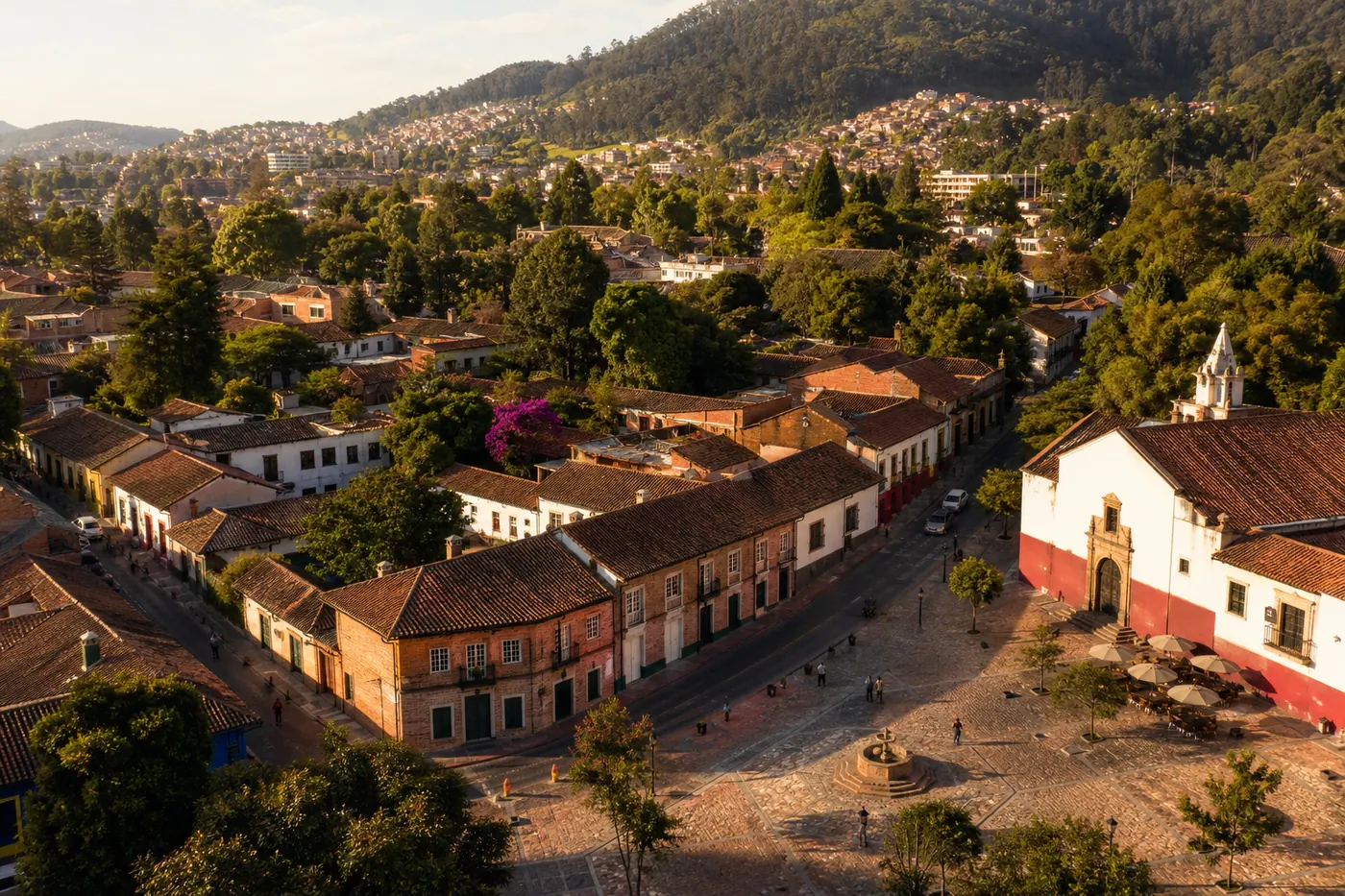
Quinta Camacho — between Carrera 5 and Carrera 9, from Calle 66 to 72. It's the quiet residential part of Chapinero, stratum 5 or 6, with large houses converted into apartments and much lower density. If Chapinero Central seems chaotic to you, Quinta Camacho will surprise you with how quiet it can be.
El Lago / Marly — transition zone between Chapinero and Teusaquillo, between Caracas and Carrera 5, in the block of Calles 56-67. More university-oriented and mid-budget. Many student apartments, easy access to TransMilenio, and lower prices than Quinta Camacho. It's underestimated.
Rental prices in Chapinero: what it really costs to live here

The prices below are real averages for 2026. They will vary depending on whether the apartment is furnished, the floor, the age of the building, and whether it has parking or not.
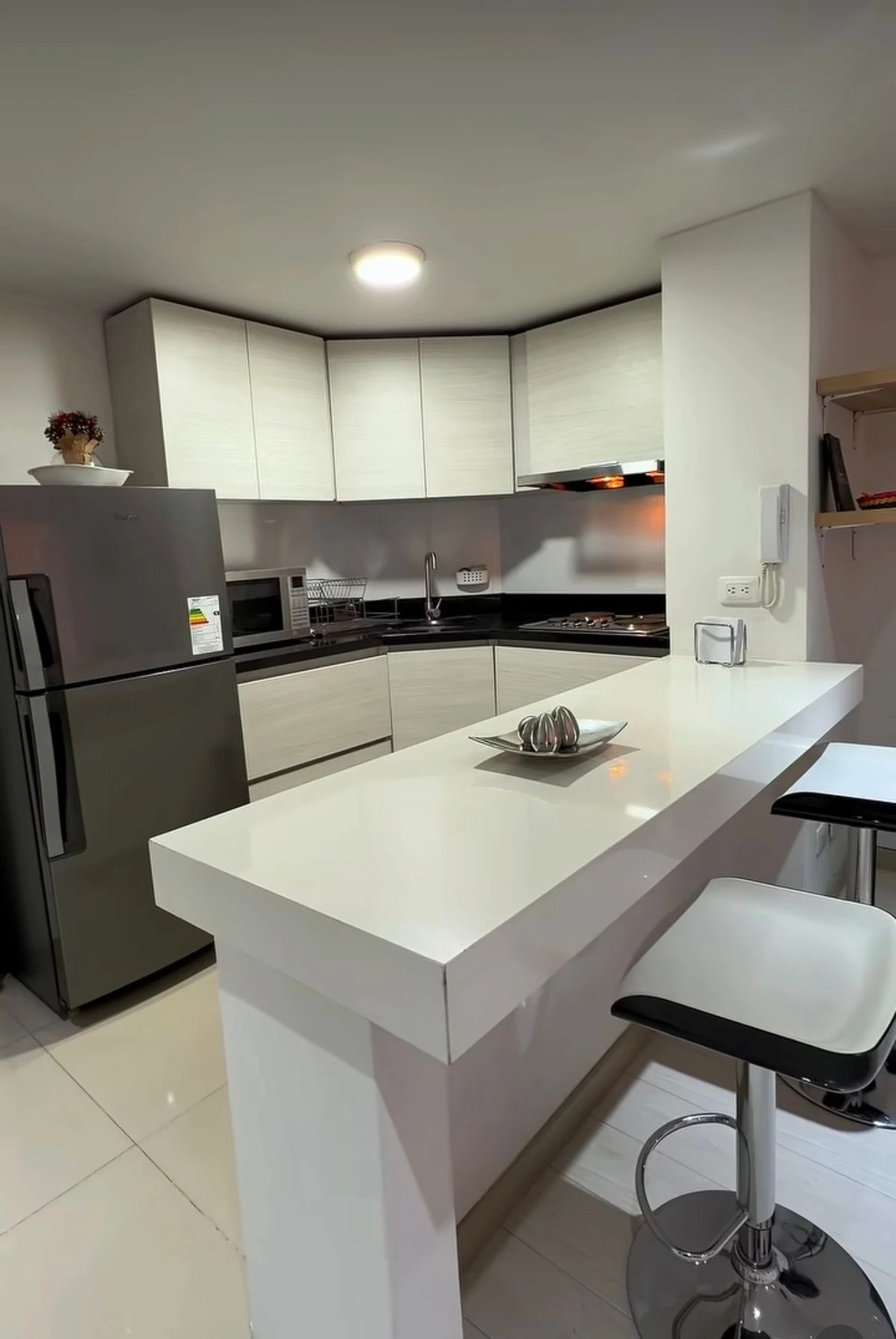
Chapinero Central: furnished room between $900,000 and $1,500,000 COP/month; one-bedroom apartment unfurnished between $1,200,000 and $1,900,000 COP; two bedrooms between $1,800,000 and $2,800,000 COP. It's the most affordable zone in the locality, and the one with the most listings on portals like Finca Raíz and MercadoLibre.
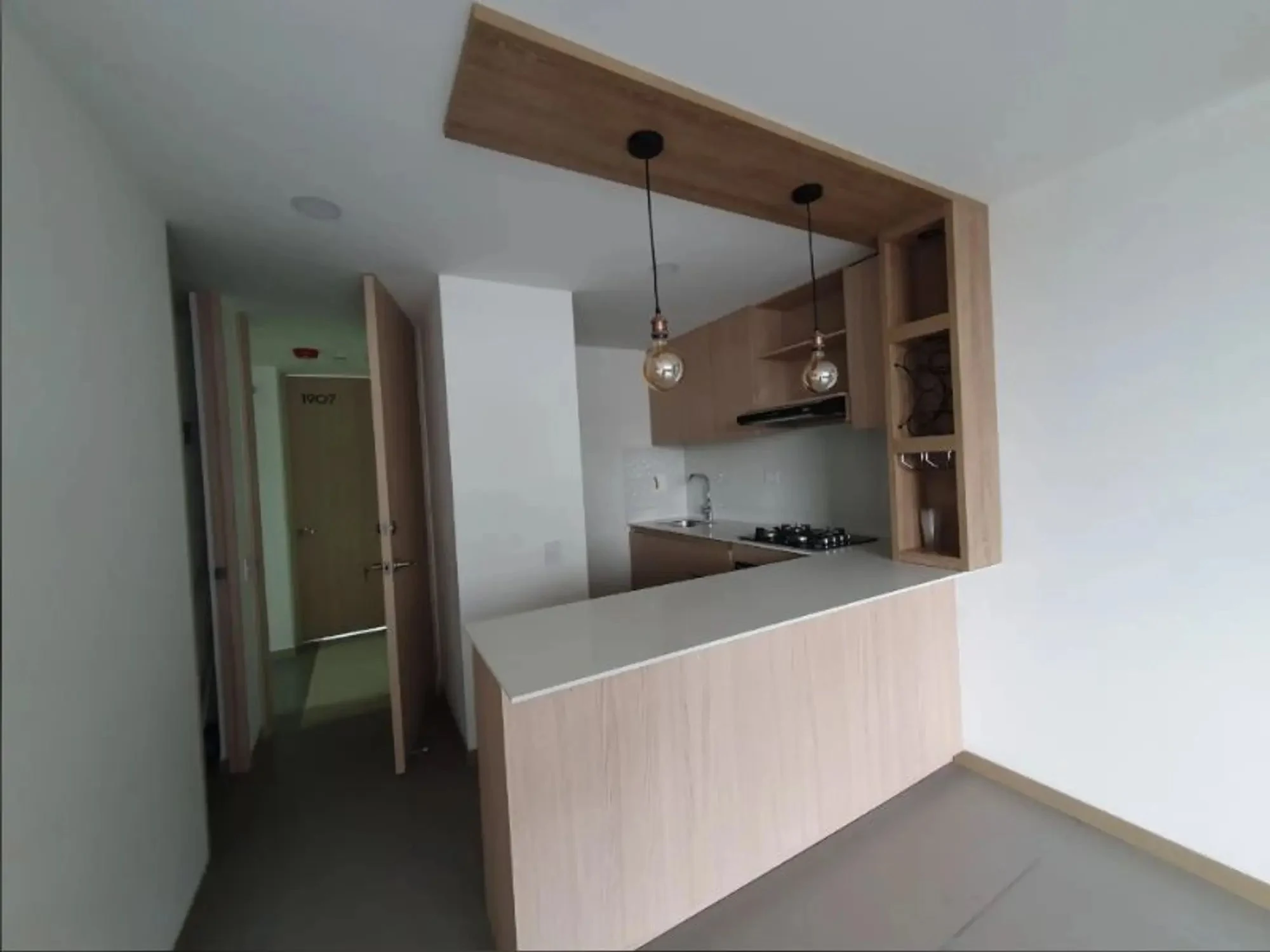
Chapinero Alto: one bedroom unfurnished between $1,100,000 and $1,700,000 COP. Paradoxically cheaper than Chapinero Central on many streets, precisely because of the lack of direct transportation. Two bedrooms between $1,600,000 and $2,400,000 COP, depending on the view and floor.
Quinta Camacho: prices go up quite a bit here. One bedroom ranges from $1,500,000 to $2,300,000 COP. Two bedrooms between $2,500,000 and $4,000,000 COP. Apartments with three bedrooms and garage can cost $4,000,000 or more. It's not a tight-budget zone.
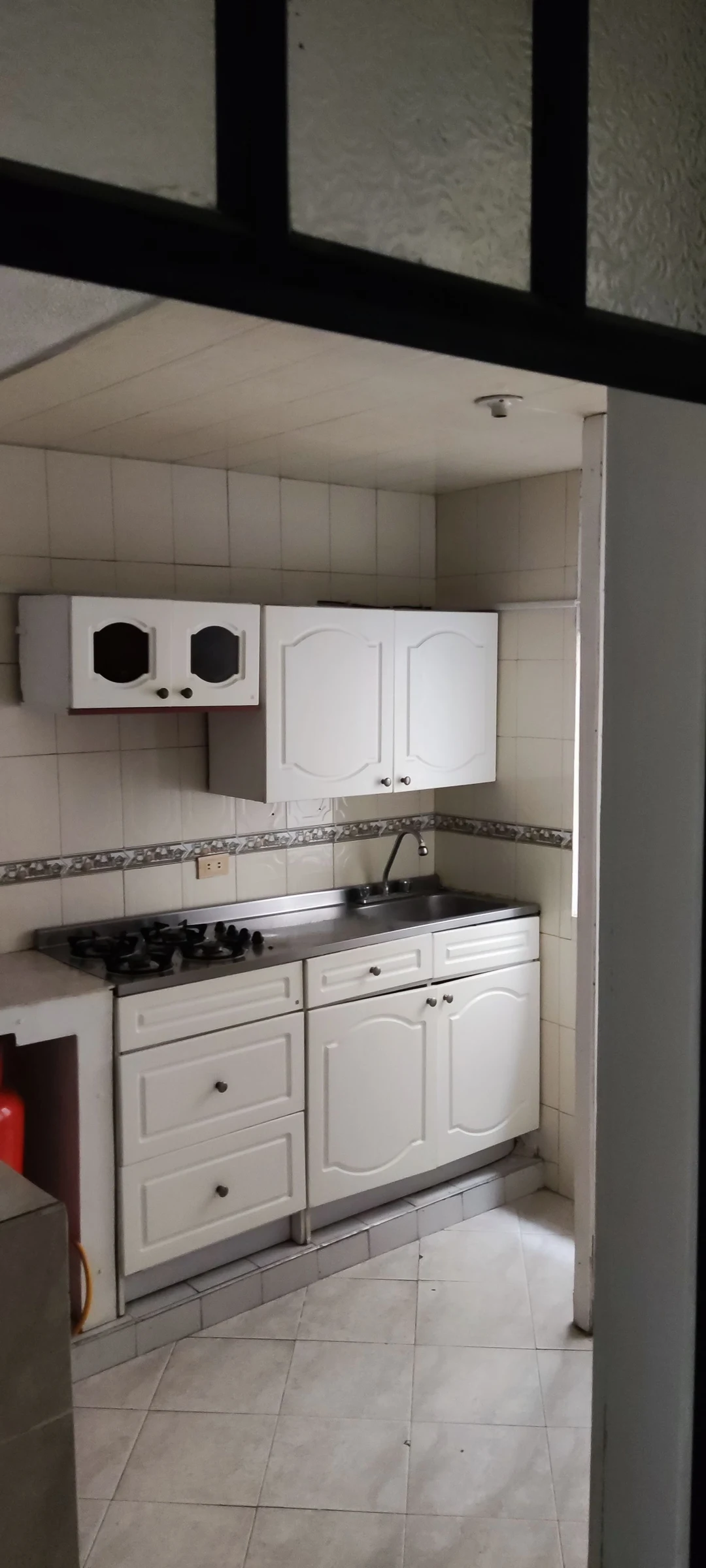
El Lago / Marly: the most economical option within the locality. Rooms in student apartments from $700,000 COP; one-bedroom apartments between $1,100,000 and $1,600,000 COP. If you're coming alone and don't want to spend more than $1,500,000 COP on rent, this sector is where you'll find the most options.
📖 Keep Reading
They're asking you for a guarantor or co-signer and you don't have one? There are legal alternatives — rental insurance, cash deposit, and more.
How to rent without a guarantor or co-signer →Transportation: how to get around from Chapinero
One of the great advantages of Chapinero Central and El Lago is access to TransMilenio. The Caracas trunk line has several stations within the locality: Marly, Calle 63, Flores, Avenida 39. From any of those stations you can reach downtown in 20-30 minutes or Calle 100 in less than 15. For those who work in Bogotá's north-south corridor, Chapinero is an enviable location.
Chapinero Alto is another world in terms of transportation. There's no direct TransMilenio going up — you depend on feeder buses (SITP), taxis or Uber, or walking down toward Caracas. During rainy season, some streets become difficult. If you don't have your own car and work in a distant area, that can add 45-60 extra minutes per day.
For getting around by bike, Chapinero has bike lanes on Caracas and some well-marked secondary roads. Uber and InDrive have good availability throughout the area. To the El Dorado airport, calculate between 40 and 70 minutes depending on traffic — Bogotá is still Bogotá.
Nightlife, gastronomy, and what to do in Chapinero
If you're new to Bogotá and want to explore the city without depending on a car, Chapinero Central has everything you need within walking distance: international cuisine restaurants, cafés with space to work, quiet bars for a beer during the week, and nightclubs for the weekend. The sector around Calle 60 with Carrera 11 concentrates the city's largest LGBT+ scene — bars, karaokes, drag shows, and nightclubs open late. It's a zone known for its open and inclusive atmosphere.
Quinta Camacho has more formal and quiet restaurants, many with terraces. Zona G — the gastronomic corridor between Calles 69 and 72, Carreras 4 and 7 — is literally on the border of Chapinero with Chicó and is one of Bogotá's best gastronomic destinations, with options ranging from $40,000 to $150,000 COP per person. It's not for every day, but it's there.
Chapinero Alto has less restaurant and bar offerings in the immediate neighborhood, but makes up for it with access to the eastern hills and the National Park, which is just minutes away. If you like running or walking in the morning, that access is worth a lot.
Who does it make sense for to live in Chapinero?
Chapinero Central and El Lago are ideal for young professionals arriving alone in Bogotá, students from universities like Los Andes, La Javeriana, or La Rosario (all within 30 minutes), and expats or digital nomads who want centrality, variety of options, and good connectivity. The LGBT+ community also finds Chapinero Central a reference zone within the city.
Quinta Camacho fits better with established professionals, couples, or families without small children looking for tranquility without going as far as Usaquén or Cedritos. The price is higher, but quality of life within the apartment is usually better — newer buildings, better management, less noise.
For families with small children, Chapinero Central can be exhausting: lots of traffic, little green space, and quite a bit of noise at night. Quinta Camacho or moving directly to Usaquén are usually better options in that case.
What nobody tells you before moving to Chapinero
The noise in Chapinero Central is real. If you work from home or sleep before midnight on weekends, you'll need an apartment on a high floor or with windows facing the interior of the building. Low floors on main streets are a guarantee of insomnia on Fridays and Saturdays.
The streets of Chapinero Alto become a problem during rainy season. Between April-June and October-November, Bogotá rains heavily and the steep streets without proper pavement get complicated. If the apartment you like is on the fifth floor without an elevator on a steep street, do that calculation before signing.
Bogotá's cold is felt more in Chapinero Alto. The average temperature in the mountainous sector can be 2-4 degrees below downtown, and humidity adds to it. That's not bad in itself — many prefer it — but if you're coming from a warm city, the adjustment takes longer than expected.
And a detail that often surprises those arriving from outside: some blocks of Chapinero Central, especially around Calle 55 with Caracas, concentrate homeless people. It's not a high-risk zone for residents — the most typical insecurity in Chapinero Central is cell phone theft on the street — but the urban landscape of certain blocks can be shocking if you weren't expecting it.
📖 Keep Reading
Still evaluating which area of Bogotá to live in? This guide compares all the main neighborhoods with prices and resident profiles.
Complete guide to Bogotá neighborhoods →Frequently Asked Questions About Living in Chapinero
❓ Is Chapinero safe to live in?
Generally speaking, yes. Chapinero Central and Quinta Camacho are areas with police presence and high resident density, which reduces risk. Cell phone theft on the street exists — as in almost all of Bogotá — and is the most frequent incident. Chapinero Alto has very quiet sectors, but it's good to know the routes well at night. The area around Calle 55 with Caracas requires more attention at night.
❓ How much does a one-bedroom apartment cost in Chapinero?
It depends on the sub-neighborhood. In Chapinero Central, between $1,200,000 and $1,900,000 COP/month unfurnished. In Quinta Camacho, between $1,500,000 and $2,300,000 COP. In El Lago or Marly, you can find options from $1,100,000 COP. Furnished, add between $200,000 and $500,000 COP to the base price.
❓ Is there TransMilenio in Chapinero?
Yes, but only on Avenida Caracas. The stations within the locality are Marly, Calle 63, Flores, and Avenida 39. Chapinero Alto doesn't have direct TransMilenio access — you depend on SITP buses or taxi/Uber to get down to Caracas.
❓ Is Chapinero good for families with children?
It depends on the age of the children and the area. Quinta Camacho can work well for families with school-age children — there are private schools in the area and the neighborhood is quieter. Chapinero Central is not ideal: too much noise, little park space, and pedestrian traffic is intense. For families with small children, Usaquén or Chicó are usually better options within Bogotá's northern corridor.
❓ What part of Chapinero is quieter?
Quinta Camacho is by far the most residential and quiet zone within Chapinero — and also the most expensive. Chapinero Alto is also quiet, especially in the higher blocks toward the mountain, but transportation is a factor to consider. El Lago has an in-between energy: quieter than Chapinero Central but without the isolation of Quinta Camacho.
Do you live or have you lived in Chapinero?
Do you have experience living in Chapinero — good, bad, or just plain weird? Tell us in the comments. And if you're still looking for an apartment in Bogotá, explore the available options on Colombia Move — it's free to post and search, and it has listings throughout the city.
Before closing the deal, it's also worth reviewing the guide to rentals in Bogotá without a guarantor and understand what legal alternatives you have if you don't meet traditional requirements.
Comments
Loading comments...
Checking sign-in status...