
Bogotá Neighborhood Guide: Where to Live According to Your Budget
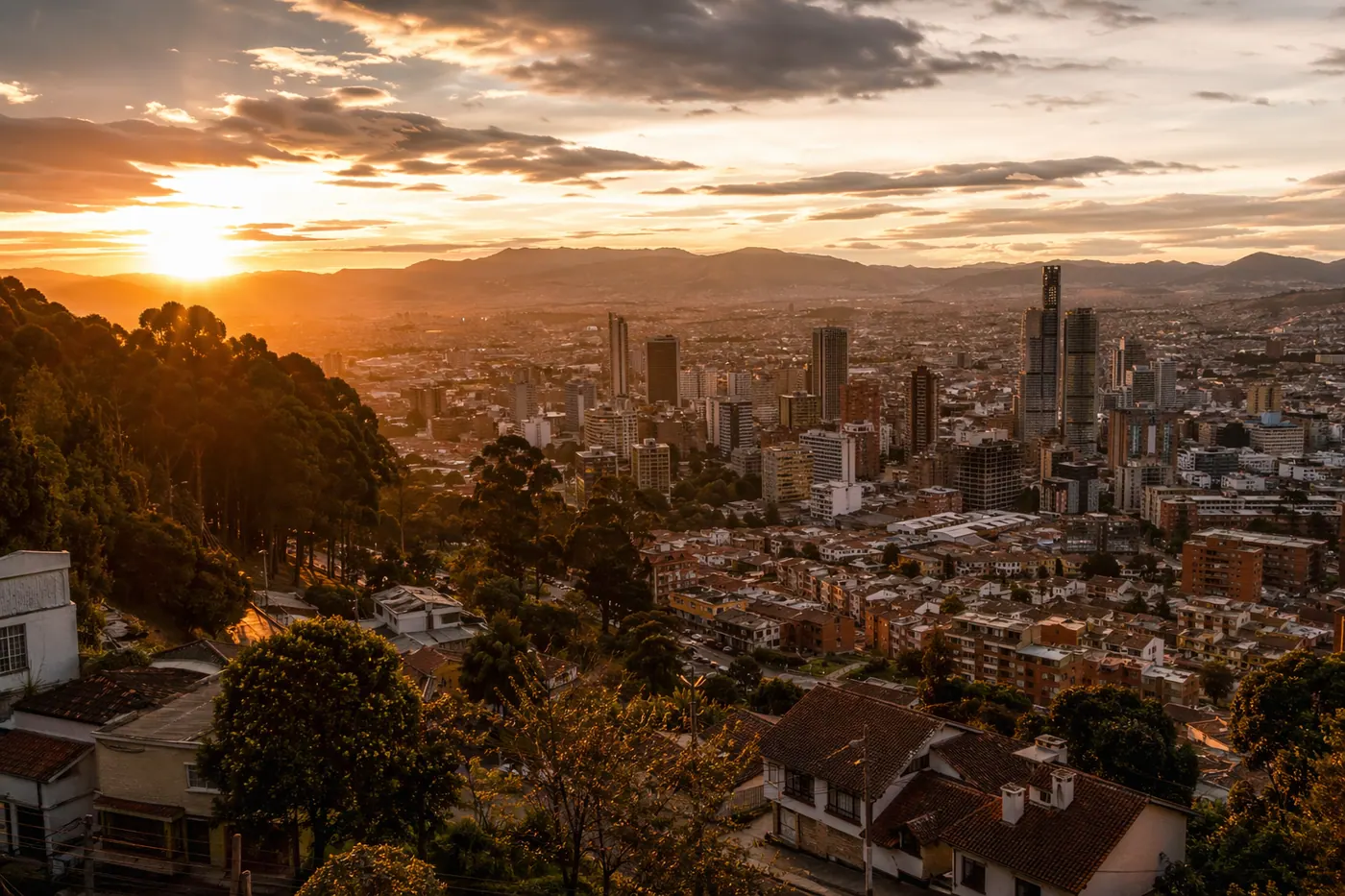
Chapinero, Usaquén, Teusaquillo, Suba... each neighborhood in Bogotá has its own price, atmosphere and rhythm. This guide helps you choose the one that fits your budget and lifestyle.
IDIOMA DEL ARTÍCULO
Showing original language
My first apartment in Bogotá was in La Candelaria. Someone in a Facebook group told me it was 'the most authentic neighborhood in the city' and it seemed like a good idea. I lasted three weeks — between the cold, the noise starting at 5am and the security issues at night — before moving to Chapinero. Lesson learned, the hard way.
In Bogotá, the neighborhood is not just an address. It defines your monthly budget, how much you sleep, whether you walk or take Transmilenio, and even how quickly you find work or clients. A one-bedroom apartment in Usaquén can cost double one in Teusaquillo — and many times the Teusaquillo one is better located for getting around the city.
This guide is organized by budget — from affordable options to premium areas — with real prices in COP and an honest opinion on where it's worth living and where it's not.
First, understand Bogotá's geographic logic
Bogotá grows from south to north. In general terms, the most expensive and safe neighborhoods are in the north, and the most affordable are in the south. The city uses a strata system from 1 to 6 that classifies neighborhoods by socioeconomic level — this affects what you pay for utilities (strata 1 pays very little, strata 6 subsidizes the others) and gives signals about the neighborhood's profile.
The central axis is Carrera 7 and Carrera 15 heading north. Calle 26 — the road to El Dorado airport — marks an informal boundary: south of there neighborhoods are more affordable and dense; to the north are the areas that concentrate the majority of professionals, expats and digital nomads. The corridor running from Chapinero (Calle 39) to Usaquén (Calle 127) is where 80% of people who come to Bogotá looking for quality of life live.
Transportation is a factor that many people underestimate when choosing a neighborhood. Living in Usaquén looks nice until you need to go to Chapinero for a meeting and it takes 50 minutes by taxi. Chapinero and Teusaquillo have direct access to Transmilenio and main bike routes — that completely changes the cost-time equation.
📖 Keep Reading
Updated data on what an apartment costs in each area.
Real rental prices in Bogotá by neighborhood →Low budget: less than $1,200,000 COP/month
If you arrive in Bogotá on a tight budget, you don't have to go to the south of the city or sacrifice location. There are two areas in the central corridor that many people overlook.
Teusaquillo — Bogotá's underrated neighborhood
If I had to send someone to just one Bogotá neighborhood on a limited budget, it would be Teusaquillo. It's between Calles 26 and 45, between Carrera 24 and Avenida Caracas — a privileged geographic position that gives access to downtown, Zona G, the El Dorado Transmilenio Portal and several bike routes. It's strata 3 or 4, with reasonable utilities.
Unfurnished one-bedroom rentals range from $800,000 to $1,400,000 COP. Furnished, between $1,200,000 and $1,800,000. It's one of the few neighborhoods in Bogotá where you can walk to everything — supermarkets, restaurants, universities, clinics. Teusaquillo park and Avenida El Lago are pleasant for daily life. It doesn't have intense nightlife, which is an advantage if you're looking for peace and quiet.
The only real downside: some sectors near Avenida Caracas have more movement and noise than desirable. Choose the specific block well before signing the contract.
Engativá and Normandía — more square meters for the same money
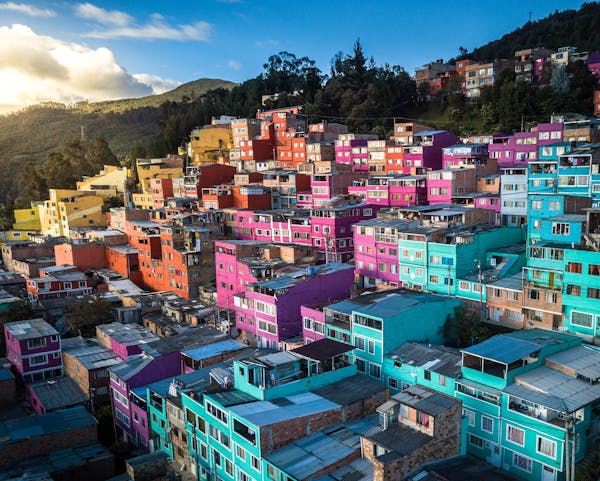
If you need more square meters for the same price, Engativá and Normandía are solid options to the northwest. Rentals are between $700,000 and $1,100,000 COP for one or two-bedroom apartments, with more space than you get in Chapinero or Teusaquillo.
The downside is connectivity. From Engativá to Chapinero or downtown you can take 40-60 minutes during rush hour. For someone who works from home and values space, it can work very well. For someone who moves around the city daily, it can become exhausting over time.
Medium budget: $1,200,000 – $2,000,000 COP/month
This range opens up the best options in Bogotá. With $1.5M to $2M COP monthly, you can live in central areas, well-connected and with good gastronomic and service offerings.
Chapinero — the most versatile option
Chapinero is the central neighborhood in Bogotá for expats, digital nomads and professionals. It spans from Calle 39 to Calle 72, and has very different internal submarkets. The area around Calle 72 with Carrera 7 is the most expensive (a one-bedroom between $1,800,000 and $2,500,000 COP). Central Chapinero, around Carrera 13 and Calles 60–67, is more accessible: $1,200,000 to $1,800,000 for an unfurnished one-bedroom.
Chapinero has the best connectivity in Bogotá — Transmilenio via Caracas and Carrera 7, bike routes, walking access to Zona G, Zona Rosa and Parque Virrey. Coworking spaces abound from $150,000 COP per week. If you arrive in Bogotá without knowing much about the city, Chapinero is the safest bet to start.
The least good: traffic during rush hours is heavy, and some sectors of lower Chapinero have more nighttime movement than some would want. During the day, the entire area is completely manageable.
Quinta Camacho and Palermo — the sweet spot
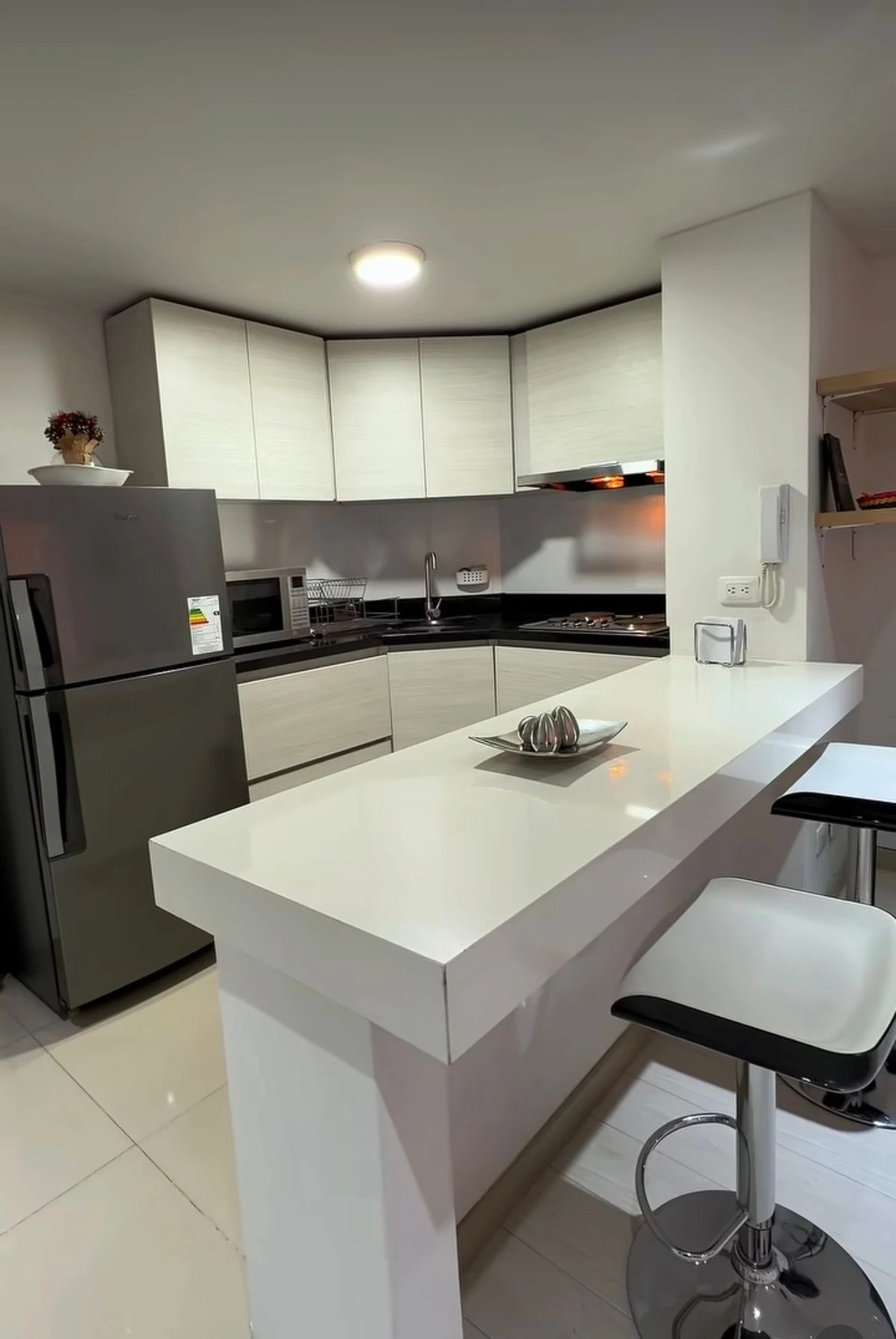
If you're looking for the combination of reasonable price, safety and peaceful atmosphere, Quinta Camacho and Palermo come closest to that balance in Bogotá. They're between Chapinero and Zona G, with rentals of $1,400,000 to $2,000,000 for one or two-bedroom apartments.
They're neighborhoods with houses and low-rise buildings, lots of trees, quiet streets. They don't have Chapinero's nightlife or Usaquén's movement — for many people that's exactly what they're looking for. Good cafes, neighborhood restaurants, and easy bike access to the rest of the city. It's the type of neighborhood where you pay COP 1,600,000 and feel like you're living well.
🏠 Search for apartments in Chapinero
Colombia Move has rental listings in Chapinero, Quinta Camacho and all of Bogotá — free, no commission, bilingual.
View available rentals →High budget: more than $2,000,000 COP/month
With more than $2M COP monthly in rent, you can choose from neighborhoods that concentrate most of Bogotá's premium infrastructure. The real difference from the previous range is not always space — it's the atmosphere, privacy and service offerings around it.
Usaquén — the residential north
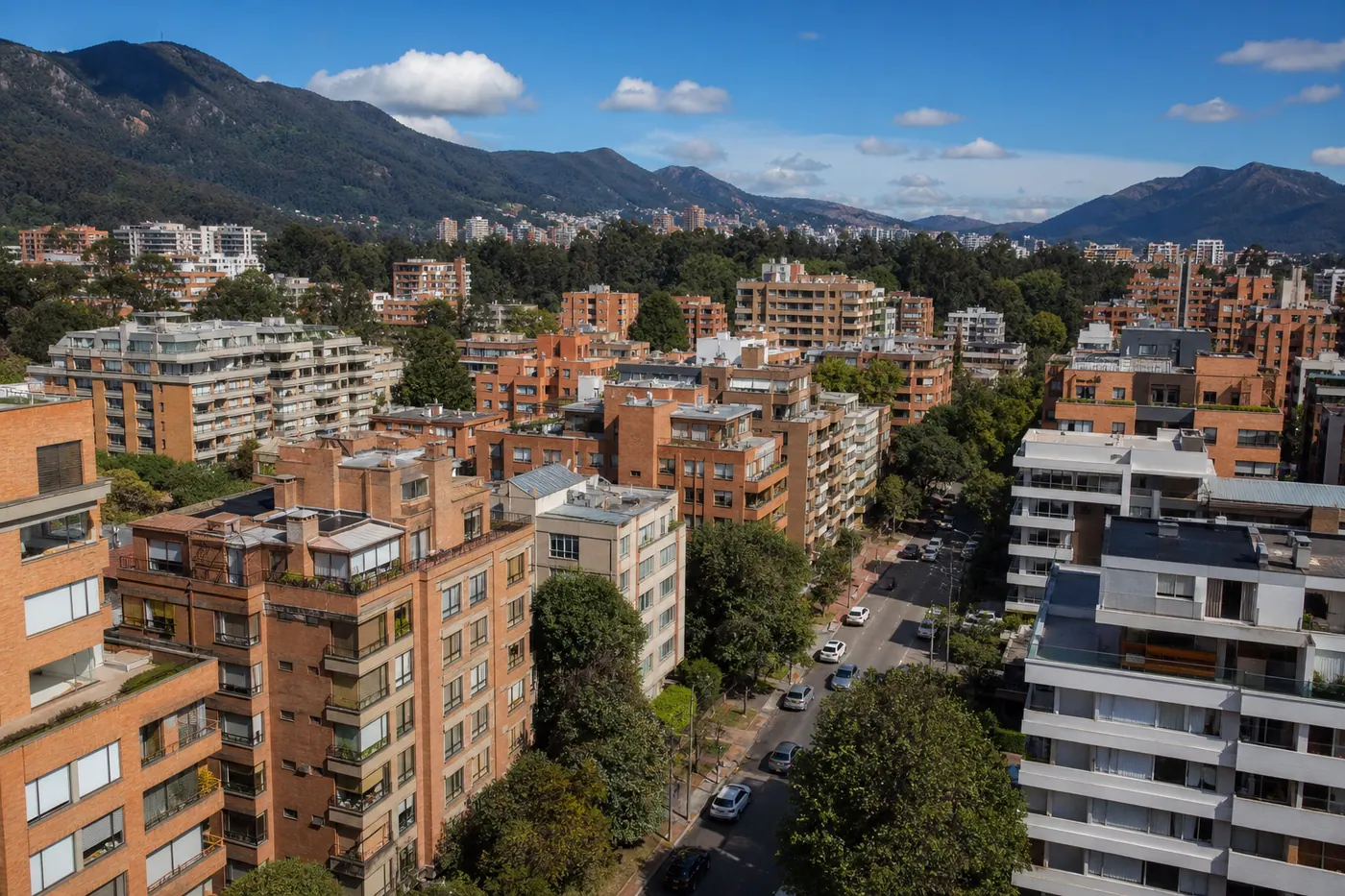
Usaquén is the neighborhood that many people associate with the 'nice' north of Bogotá. It has quality restaurants, the artisanal market on Sundays in the colonial plaza, tree-lined streets and a residential feel you don't find downtown. Rentals for a one-bedroom range from $1,800,000 to $3,500,000 COP depending on the area and whether it's furnished.
Cedritos, next to Usaquén, has somewhat lower prices with a similar profile: quieter, family-oriented, without the hustle of Chapinero. It's a good option if you work from home and value quality of life over fast connectivity to downtown.
What doesn't convince me about Usaquén: mobility. Unless you have a car or use taxis frequently, getting from there to downtown can take a long time. Transmilenio runs along the North Highway but it's not as comfortable or as close as in Chapinero.
Chicó and Zona Rosa — the ceiling of Bogotá
Chicó (between Calles 90 and 116) and Zona Rosa (Calle 82 with Carrera 15) are the most expensive neighborhoods in Bogotá. A one-bedroom apartment can range from $2,500,000 to $4,500,000 COP. For well-located two-bedroom apartments, prices easily exceed $5M COP.
They have the best selection of restaurants, shopping centers (Andino, El Retiro, Hacienda Santa Bárbara) and corporate spaces in the city. If you receive business visitors frequently or maintain a high standard of living, it makes sense. For most people arriving in Bogotá, it's hard to justify those prices when Chapinero or Quinta Camacho offer very similar quality of life for less.
📖 Keep Reading
If you're coming from abroad, this guide covers the same neighborhoods from an expat perspective with prices in USD.
Bogotá neighborhood guide for expats (in English) →The neighborhoods I would rule out (at least at first)
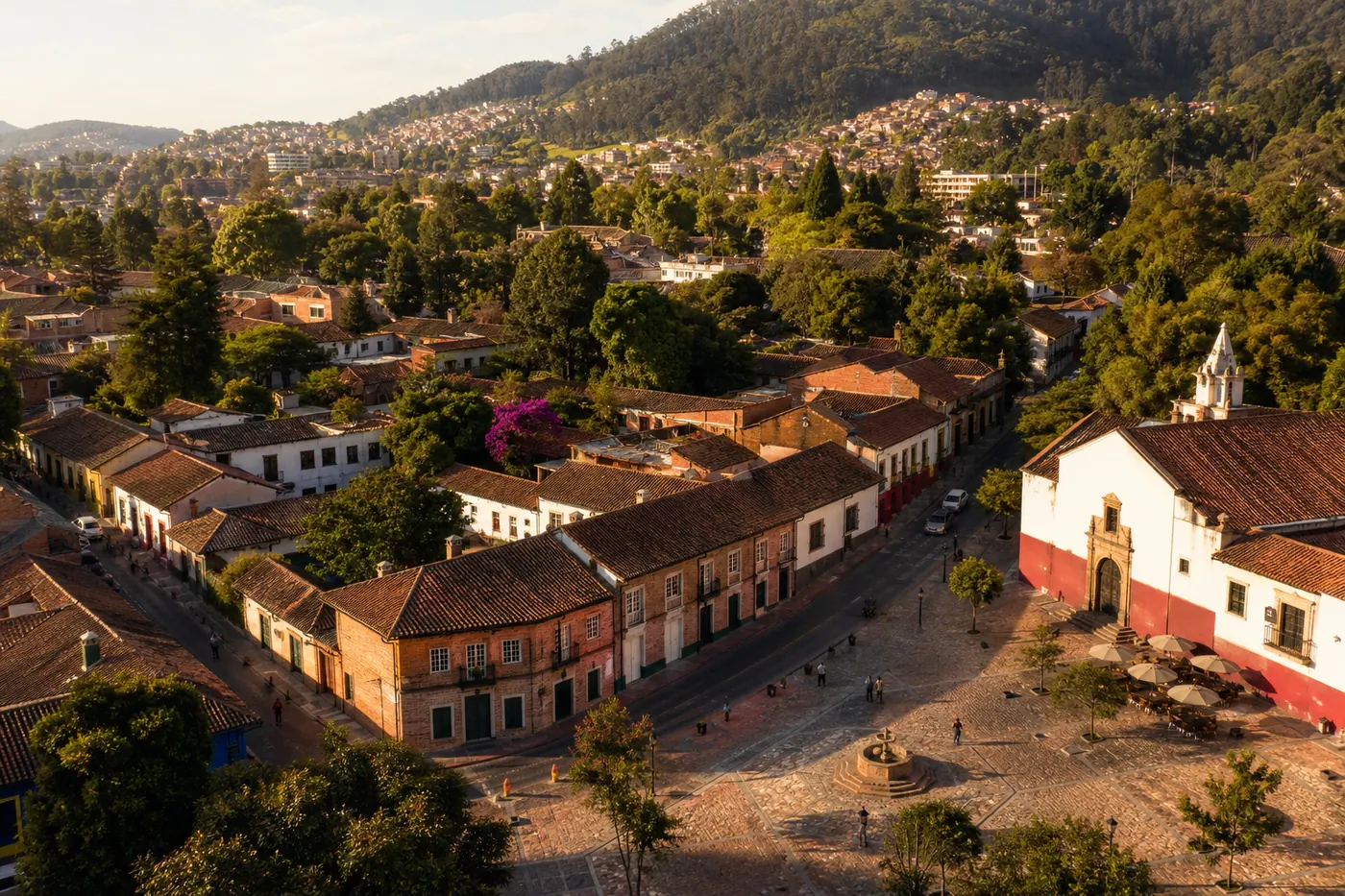
**La Candelaria** — yes, it's historic and has museums, but security issues (especially at night) and constant cold make it impractical for long-term living. To visit for a weekend, excellent. To sign a lease there, no.
**Kennedy, Bosa, Ciudad Bolívar** — popular and dense areas in the south, with affordable rents ($500,000–$800,000 COP), but connectivity to the north of the city is poor and the perception of safety in many sectors is low. There are exceptions, but in general, if you have the option to be in Teusaquillo for $200,000 more per month, the difference is worth it.
**Neighborhoods next to the eastern hills** — they look beautiful in photos. The problem: constant fog, more intense cold, steep streets and lack of public transportation make daily life complicated. Upper Santa Bárbara and the Cerros de Chapinero are the most common examples. Frequently mentioned in Facebook groups by people who later regret it.
Quick summary: which neighborhood is for you?
| Monthly budget | Recommended neighborhood | Why |
|---|---|---|
| Less than $1.2M | Teusaquillo | Central location, accessible, quiet |
| $1.2M – $1.8M | Central Chapinero | Better connectivity, social life, coworking |
| $1.5M – $2.2M | Quinta Camacho / Palermo | Tranquility, optimal price-quality ratio |
| $2M – $3.5M | Usaquén / Cedritos | Premium residential environment, quiet north |
| $3M+ | Chicó / Zona Rosa | Everything premium — if budget allows |
One final recommendation before deciding: if you can, rent through Airbnb or sublet for a month in the neighborhood you're considering before signing a long-term lease. Bogotá has many microclimates within each neighborhood — the block matters as much as the zone.
💬 Do you have a question about Bogotá?
The Colombia Move community answers questions about rentals, neighborhoods and daily life in Colombia.
Go to the community →Frequently asked questions about neighborhoods in Bogotá
❓ What is the safest neighborhood in Bogotá to live in?
Usaquén, Chicó and the northern Chapinero area (between Calles 67 and 82) consistently have the best perception of safety. Teusaquillo and Quinta Camacho are also safe in day-to-day life. Safety in Bogotá varies greatly by block — it's always good to talk to local residents before signing a lease.
❓ How different is the cost of living between north and south Bogotá?
Quite a bit. A one-bedroom apartment in Usaquén can cost $2.5M COP; the same space in Kennedy or Bosa can be $700,000–$900,000 COP. The difference isn't just rent — restaurants, supermarkets and services around the area also change in price depending on the zone and stratum.
❓ Do I need a car to live in Bogotá?
No, if you choose the neighborhood well. Chapinero, Teusaquillo and Quinta Camacho are perfectly manageable without a car — on foot, by bike or on Transmilenio. In Usaquén or Cedritos things change; without your own transportation, taxis become a significant expense. Transmilenio covers the city well but during rush hours it's very crowded.
❓ Is it true that it's always cold in Bogotá?
Cold or cool, depending on your point of reference. Bogotá is at 2,600 meters above sea level, so temperatures range between 7°C and 19°C. In neighborhoods next to the eastern hills (La Candelaria, upper Chapinero) the cold is more intense. Zona Rosa, Chicó and Usaquén, being more on the plains, are somewhat less cold. No snow — but don't rule out a jacket.
❓ Where to search for rental apartments in Bogotá?
The most used options are Finca Raíz, MercadoLibre and Facebook groups like 'Arriendos Bogotá'. For a commission-free platform with listings in Spanish and English, you can also check Colombia Move rental classifieds, which adds listings from across the country and allows you to contact the owner directly.
Which neighborhood is catching your attention?
Choosing a neighborhood in Bogotá is more personal than it seems in the listings. If you already live in Bogotá or are planning to move, I'm interested in knowing about your experience — which neighborhood you chose, if you'd do it again and what nobody told you before signing. Leave your comment below or stop by the Colombia Move community to ask specific questions about your situation.
Comments
Loading comments...
Checking sign-in status...