
Where to Buy Groceries in Santa Marta: Supermarkets, Mercados & Caribbean Coast Tips
From Olímpica to the Mercado Público's Caribbean fish counters, here's where to buy groceries in each Santa Marta neighborhood — with real 2026 prices and tips for cooking actual coastal food.
IDIOMA DEL ARTÍCULO
Showing original language
First thing I learned grocery shopping in Santa Marta: the supermarket you'd default to in Medellín or Bogotá is the wrong choice here. The Caribbean coast has its own pride chain — Olímpica — and it shows up on more corners than Carulla, Éxito, or anyone else. If you walked off the plane assuming you'd just find the same Andean lineup, you'd spend two weeks wondering why nothing matches.
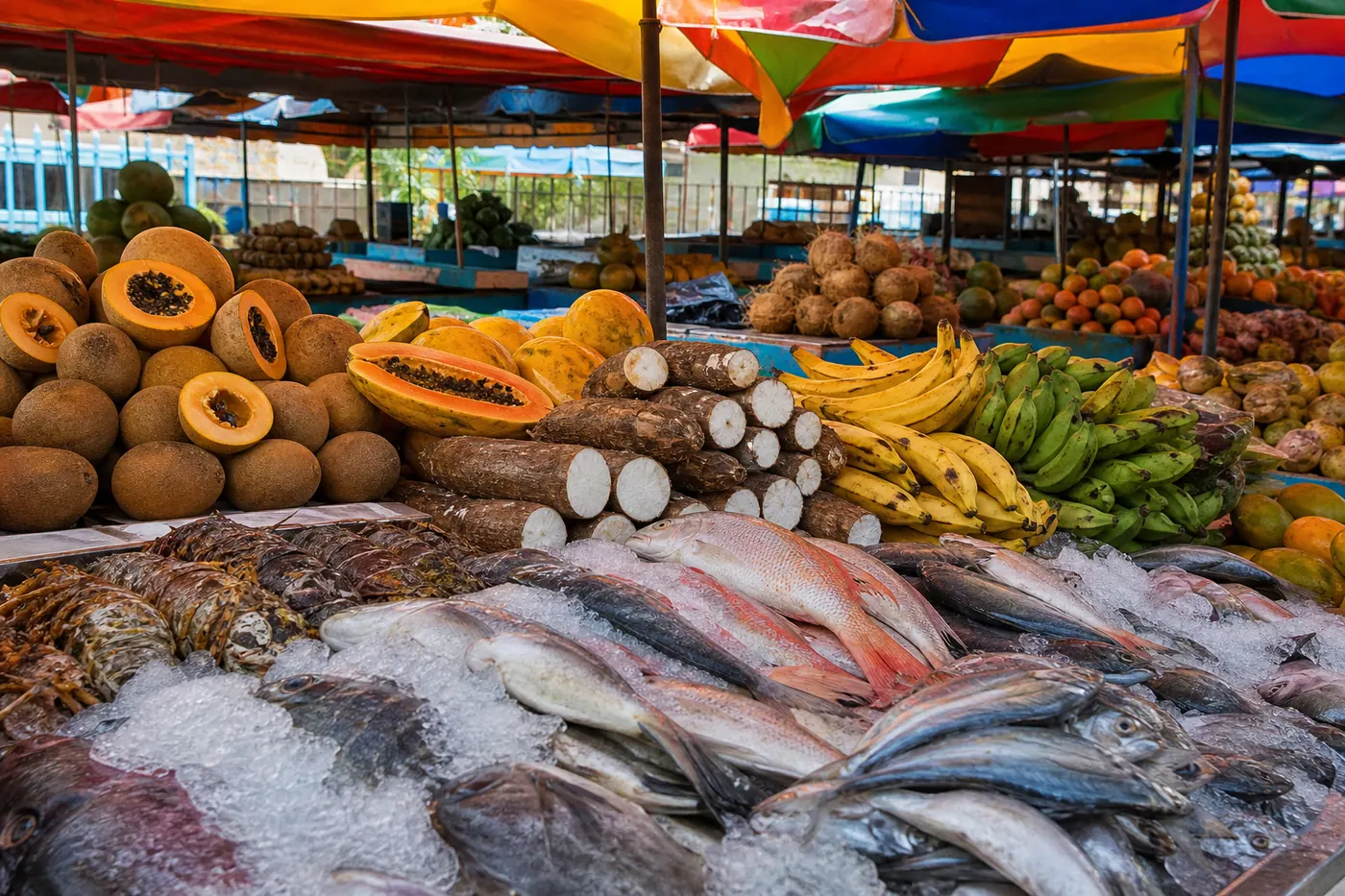
Santa Marta also runs on different food rules. The fish is Caribbean — pargo rojo, sierra, mojarra, jaiba — and lands at Mercado Público fresh enough that you'll start cooking it three times a week. The fruit shifts: mamey, ñame, níspero costeño, plátano hartón, mango de azúcar that's actually sweet. The climate is 30°C year-round, so the rotation leans cold — ceviche, jugos naturales, suero costeño on every patacón. Once the shopping rhythm clicks, the bill is meaningfully lower than what the same household spends in Medellín.
This guide breaks Santa Marta down by neighborhood — where to shop in El Rodadero if you're an expat just landed, when the Mercado Público actually pays off, and how to handle the Minca / Taganga remote-village problem of no real supermarket. If you're still calibrating Colombia, pair it with our country-wide grocery shopping guide first.
What to know first
- Olímpica is the Caribbean coast pride chain — most locations of any single brand in Santa Marta, decent prices, broader stock than Carulla on coastal staples.
- Mercado Público in Centro is where the real fish and fruit prices live — go before 9am, bring small bills.
- D1 and Ara for packaged basics. Multiple locations in every neighborhood; cash or Nequi at smaller stores.
- Buenavista mall (Carulla, Éxito, Olímpica all in one) is the once-a-week stock-up destination.
- Tourist pricing is real. El Rodadero supermarkets mark up 15-25% over the same chain in Centro or Mamatoco.
How Grocery Shopping Works in Santa Marta
Santa Marta has a five-tier landscape — one more than Medellín, anchored by Olímpica the same way Cali's anchored by La 14. Local pride chains matter on the coast in ways they don't in Bogotá.
Olímpica — Caribbean coast pride. Founded in Barranquilla in 1953, Olímpica dominates the coast the way no other supermarket dominates a region in Colombia. In Santa Marta they run stores in Centro, Rodadero, Mamatoco, and inside the Buenavista mall (SAO Olímpica, the bigger format). Prices land between Éxito and Carulla. Selection on coastal staples — suero costeño, queso costeño, panela, fresh fish — is consistently better than the national chains.
Premium chains (Carulla, Jumbo). Imports, proper deli, reliable card acceptance, 20-30% more expensive than Olímpica. The Carulla in CC Buenavista has the best imported aisle in the city — European cheese, real olive oil, US cereals — and it's where most expats end up doing a monthly imports run.
Mid-range chains (Éxito). Éxito Buenavista is essentially Santa Marta's hypermarket — bedding, appliances, pharmacy, decent produce. The smaller Éxito Centro and Éxito Rodadero are more like quick-stop urban supermarkets. Reliable for the weekly bulk run.
Hard-discount (D1, Ara). Limited SKUs, plain packaging, prices 30-50% below Carulla. D1 is everywhere in Santa Marta — Rodadero alone has at least three. Ara has been expanding fast on the coast and often beats D1 on produce freshness. Bring Nequi or cash; some smaller locations still have flaky card readers. Justo & Bueno is mostly gone after 2022.
Mercado Público + tiendas. The Mercado Público de Santa Marta is the historic wet market in Centro — this is where the fishermen offload Caribbean catch and the fruit comes in from the foothills. Two floors of vendors selling fish, meat, produce, dairy, prepared food, and herbs. Prices are roughly 40-50% below the supermarket. The neighborhood tiendas fill the daily gaps — bag of milk at 6am, a few avocados, a raspao from the cart on the corner.
El Rodadero & Pozos Colorados: Where Most Expats Start
If you've just moved to Santa Marta as a foreigner, you're probably in El Rodadero or one of the beach neighborhoods south of it — Playa Salguero, Pozos Colorados, Bello Horizonte. The supermarket density here is decent but tourist pricing is real.
Carulla El Rodadero (Cra 4 #11-37)
The premium anchor in this zone. Solid imports aisle, reliable produce, wine section that's actually drinkable. Expect to pay 20-25% more than the same Carulla in Bogotá or the same Olímpica three blocks over — supplier logistics to the coast, plus a captive tourist clientele. Use it for specialty pantry items, not your weekly staple run.
Éxito Rodadero
The mid-range anchor. Good prepared-foods counter for nights you can't face the heat to cook. Reliable wine, pharmacy, and a frozen aisle that actually stocks Pacific salmon when you want a break from Caribbean fish. Better stocked than the Centro Éxito on packaged goods.
D1 and Ara — multiple
Bulk of your monthly bill lives here. At least three D1s within walking distance of most Rodadero apartments, plus two Aras. Selection rotates weekly; don't get attached to any specific brand of pasta or laundry detergent. The Aras tend to have fresher produce than D1; both are 25-40% cheaper than Carulla.
Olímpica Rodadero
Tucked off Cra 2 — easy to miss if you only walk the main beachfront. Smaller than the SAO Olímpica in Buenavista but stocks the costeño staples (suero, queso costeño, panela, ahuyama) better than Éxito or Carulla. The stop for ingredients when you're trying to cook actual coastal food at home.
Centro Histórico & Mercado Público: The Cheap Fresh-Food Anchor
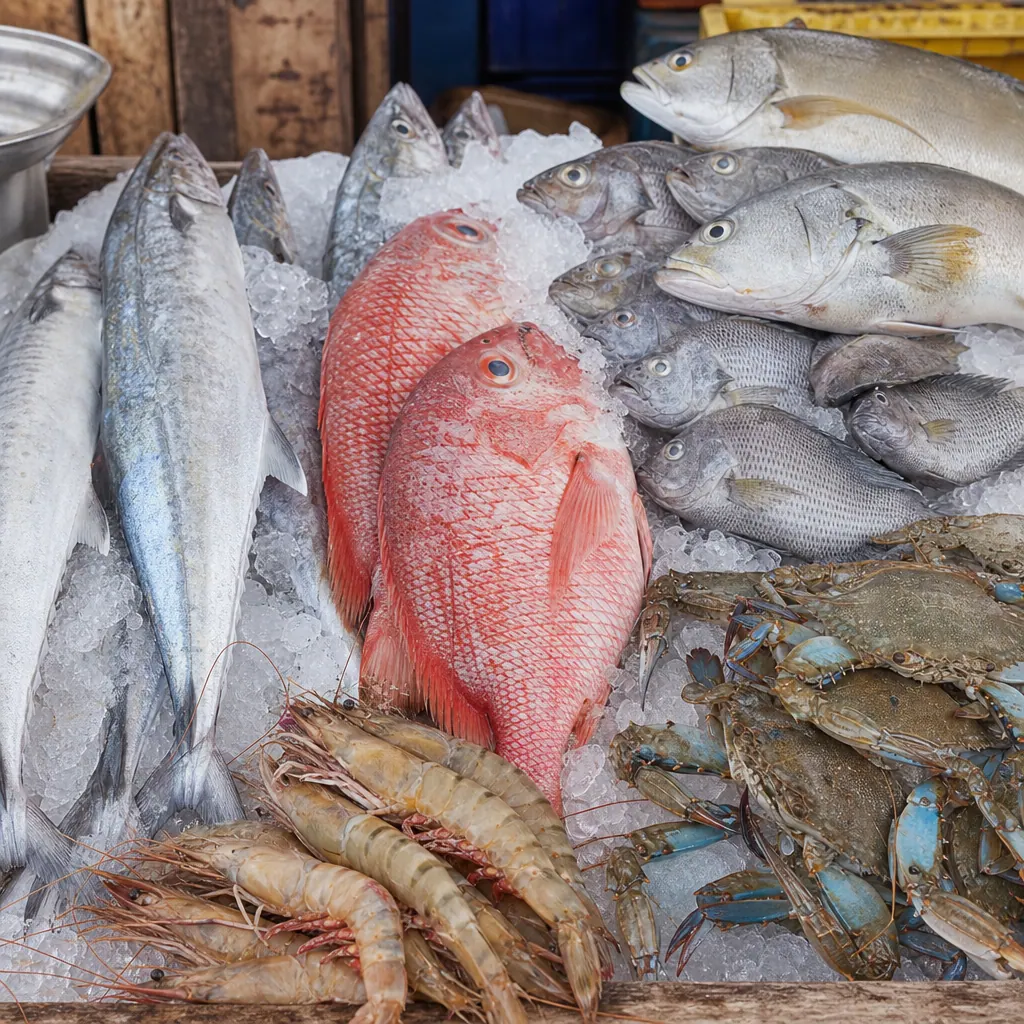
Centro is where the grocery math changes. The Mercado Público de Santa Marta sits on Carreras 11-12 between Calles 8 and 10 — two floors of vendors, with fish and meat on the ground level and fruit, vegetables, herbs, and dairy upstairs. Caribbean catch lands here by 5am from the fishermen at the bay; by 9am the best fish is already gone.
What you can get cheaper here than anywhere else in the city: pargo rojo, sierra, mojarra, jaiba (Caribbean blue crab), langostinos when the boats come in, queso costeño, suero, ahuyama, ñame, plátano hartón, every tropical fruit in season. A full week of produce + a few cuts of fish runs 40,000-60,000 COP — about half what the same basket costs at Carulla Rodadero.
Mercado etiquette is the same as Galería Alameda in Cali or Plaza Minorista in Medellín — bring small bills, leave the camera in your bag, go before 10am, and trust your gut on which fish-stall ice looks clean. Tuesday, Friday, and Saturday mornings are the busiest and freshest. The blocks right around the mercado get rough after dark; daytime trips only.
Centro also has Olímpica Centro (Cra 5 with Calle 22) and a smaller Éxito Centro — both fine for a daytime stop if you're already in the neighborhood. Locals living in Centro do their weekly real shopping at Olímpica and supplement at the mercado for fresh stuff.
Buenavista Mall: The Weekly Stock-Up Drive
The CC Buenavista mall sits on the main highway north of Rodadero, about 10-15 minutes by taxi from most beach neighborhoods. It's where most expat households end up doing the actual weekly run because three supermarkets are inside the same parking lot:
Carulla Buenavista — the biggest, best-stocked Carulla in the city. The only place in Santa Marta with a reliable imported-deli selection (European cheeses, charcuterie, specialty olive oils, real parmesan, San Pellegrino).
Éxito Buenavista — the closest thing to a US-style hypermarket in Santa Marta. Beds, small appliances, electronics, pharmacy, full produce, butcher, prepared foods, wine. Good for the once-a-month bulk run on household goods.
SAO Olímpica Buenavista — the largest-format Olímpica in the city. Where local families do their actual weekly shop. Costeño staples in volume, better produce variety than Carulla, prices 10-15% under Carulla on like-for-like items.
The smart rotation: SAO Olímpica for the bulk weekly basket, Carulla for the specialty 5-10 items you can't find anywhere else, Éxito for household-and-electronics tickets. One stop, three stores, twenty minutes.
Taganga, Minca & the Outlying Neighborhoods
Taganga
Taganga is the fishing-village-turned-backpacker-hub on the bay just north of Centro. Real supermarkets: zero. What you'll find is a dense cluster of tiendas (corner stores) for the daily basics, plus direct fish purchase from the fishermen on the beach at sunrise. For a real weekly shop you drive 15 minutes to Rodadero or 20 minutes to Centro — there's no avoiding the trip. Many Taganga residents save up for one Buenavista mall run a week and live off tiendas for fillers.
Minca
The mountain town an hour up from Santa Marta. Tiendas only — no D1, no supermarket. The Sunday morning market near the church is where coffee farmers from the surrounding fincas bring fresh produce, herbs, free-range eggs, and farm-fresh cheese. Drive down to Santa Marta once a week for the supermarket basket. Most Minca expats build a routine of one big run on the way back from a trip into the city.
Mamatoco, Bavaria & Jardín
Residential neighborhoods inland from the beach zone. More local, less expat-y, much cheaper. Multiple D1s and Aras in walking distance of most houses; Olímpica Mamatoco is the anchor full supermarket. Same chain selection as Rodadero but consistently 10-15% cheaper on identical SKUs — the no-tourist-markup rule applies.
Bello Horizonte & Salguero
South of Rodadero along the beach. Fewer corner stores than Rodadero, more reliance on driving up to Rodadero supermarkets or to Buenavista for the weekly shop. If you're in one of the Salguero apartments, expect to budget for a weekly taxi or to share rides for the grocery trip.
Real Prices: What You'll Actually Pay
A sample of common items across the four tiers, sampled mid-2026 in Santa Marta. Use as a ballpark — Caribbean prices drift with the seasons (fish prices spike for 2-3 weeks after a big storm, mango drops 40% in season around May-July) — but the relative gaps between tiers stay consistent. Caribbean packaged-goods prices run 5-10% above Andean cities for logistics reasons; fresh fish and tropical fruit run 30-50% under what you'd pay in Medellín or Bogotá.
All prices in COP. Sampled mid-2026 across Santa Marta locations; expect ±10-15% drift seasonally (mango drops in season, fish rises after storms).
Tips Most Expats Miss
Tourist pricing is a thing. The same packaged item — pasta, oil, laundry detergent — can be 15-25% more expensive at Carulla Rodadero than at Olímpica Mamatoco. Same chain, different markups depending on whether the store sees tourists or only locals. If you live in El Rodadero, weekly drives inland pay for themselves.
Caribbean fish over Pacific fish at the mercado. Pargo rojo, sierra, róbalo, and mojarra are all swimming within sight of the city — they're meaningfully fresher and cheaper here than what you'd get in Medellín or Bogotá. The supermarket fish counter is fine but loses to the mercado on freshness and price by a wide margin.
Queso costeño and suero are non-negotiable. If you want to actually cook Caribbean food at home — patacón con suero, arepa de huevo, sancocho costeño — you need queso costeño (salty white cheese) and suero (sour cream). Olímpica stocks both reliably; Carulla and Éxito sometimes substitute generic queso fresco that doesn't have the same salt cure. The mercado stocks the best regional versions.
Plátano hartón is the carbohydrate, not potato. On the coast, the rotation is plátano hartón (large cooking plantain), yuca, and ñame — not the Andean potato. Buy a hand of plátano at the mercado for 5,000-8,000 COP and you've got enough patacones for a week. Supermarkets sell them individually at 4x the price.
Heat ruins perishables fast. It's 30°C year-round and humid. Buy smaller, more often — a weekly mega-stock at Buenavista plus mid-week mercado top-ups beats one giant cart that wilts by Thursday. Refrigeration eats more power here than in Andean cities; plan utility bills accordingly.
Mango season is May-July. Caribbean mango de azúcar drops to 2,500-3,500 COP per kilo at the mercado in season — half the off-season price, and roughly a third of what the supermarkets charge year-round. Stock up, freeze the pulp, use it in juices and smoothies until September.
D1 card acceptance still flaky. Nequi works at most Santa Marta D1s now; cash backup recommended. Olímpica and the national chains are 100% card-friendly with foreign Visa/Mastercard. Amex hit-or-miss everywhere.
❓ Frequently Asked Questions
❓ What's the cheapest place to buy groceries in Santa Marta?
D1 or Ara for packaged basics, the Mercado Público for fish, produce, and cheese. Combining the two cuts your bill roughly 40% under someone shopping only at Carulla. The tradeoff is variance in D1 stock and a less-polished experience at the mercado — both manageable after a few trips.
❓ Is Olímpica better than Carulla in Santa Marta?
For weekly local-style cooking, yes. Olímpica is the Caribbean coast's own chain — it stocks costeño staples (queso costeño, suero, ahuyama, ñame, plátano hartón) consistently and prices 15-20% under Carulla on identical SKUs. Carulla still wins on imports and specialty pantry items, but Olímpica is where actual coast residents shop week to week.
❓ Where do I buy the freshest fish in Santa Marta?
Mercado Público de Santa Marta, Centro, before 9am. Caribbean catch — pargo rojo, sierra, mojarra, róbalo, langostinos, jaiba — lands at the stalls between 5 and 7am directly from the boats. Tuesday, Friday, and Saturday mornings are the freshest. The supermarket fish counter is fine but is 30-40% more expensive and a day older.
❓ How do groceries in Santa Marta compare to Medellín?
Packaged goods are 5-10% more expensive in Santa Marta (logistics to the coast). Fresh fish and tropical fruit are 30-50% cheaper. Net effect for most expat households: roughly equivalent monthly grocery bill, but the diet shifts — more fish, more plátano and yuca, fewer Andean potatoes and less hot soup. Compare the breakdown with the Medellín supermarket guide or the Cali version to see the regional pattern.
❓ Can I shop online and get groceries delivered in Santa Marta?
Yes — Éxito, Carulla, and Olímpica all run delivery apps in Santa Marta. Rappi covers most of Rodadero, Bello Horizonte, and Centro. The catch is Caribbean tourist-season demand: delivery slots fill up fast during high season (Dec-Feb, Semana Santa, July). Don't rely on it for a same-day weekly shop in season. Mercado Público is cash-and-carry only — no app.
Bottom Line
Santa Marta rewards a four-stop rotation. Olímpica + D1/Ara for the weekly bulk basket. Mercado Público for fish, fruit, and costeño staples. Carulla Buenavista for the once-a-month imports run. Tiendas for the daily 6am bag of milk. Get the rhythm right and you'll eat better — and spend less — than you would in Medellín or Bogotá, with the trade being you adapt to a different culinary culture rather than fight it.
Got a Santa Marta store or mercado tip the rest of us should know? Drop it in the comments. If you're still in the figuring-out-the-city phase, the honest expat guide to living in Santa Marta pairs nicely with this — neighborhoods, costs, what's actually worth the rent in Rodadero vs. Bello Horizonte.
Comments
Loading comments...
Checking sign-in status...