
The No-Commission Marketplace Model for Colombia
When 'free' usually has a catch, here's the full picture of how Colombia Move works — what's always free, what's optional, and why.

IDIOMA DEL ARTÍCULO
Showing original language
Last month I talked with a seller in Medellín who had tried three different platforms before landing on Colombia Move. The first charged a monthly subscription. The second took a percentage when she finally found a tenant. The third was technically "free to list" but buried organic visibility so deep behind paid boosts that you were functionally invisible until you paid.
She asked me directly: "Okay, so what's the catch here?" It's a fair question. When something is genuinely free in a world where most platforms have learned to monetize every click, skepticism is the rational response. If you want to see real-world options right now, you can browse apartments and houses on Colombia Move — posting is completely free.
So this is the full answer: what Colombia Move charges for, what stays free indefinitely, and why the model works.
Why Most Platforms Can't Stay Free
The standard marketplace business model runs on one of three engines: subscriptions (pay to be on the platform), commissions (pay when a deal closes), or advertising (pay to be seen above competitors). All three work for the platform. The question is what they do to the people actually using it.
Commissions are the most damaging model for housing and services. A 5% commission on an apartment rental in Medellín — not unusual in Colombia — adds up fast. On a COP 2,200,000/month apartment, that's COP 110,000 extracted before the tenant's first month has even finished. Across a portfolio of three or four properties, that's real money that disappears into the platform rather than the landlord's pocket.
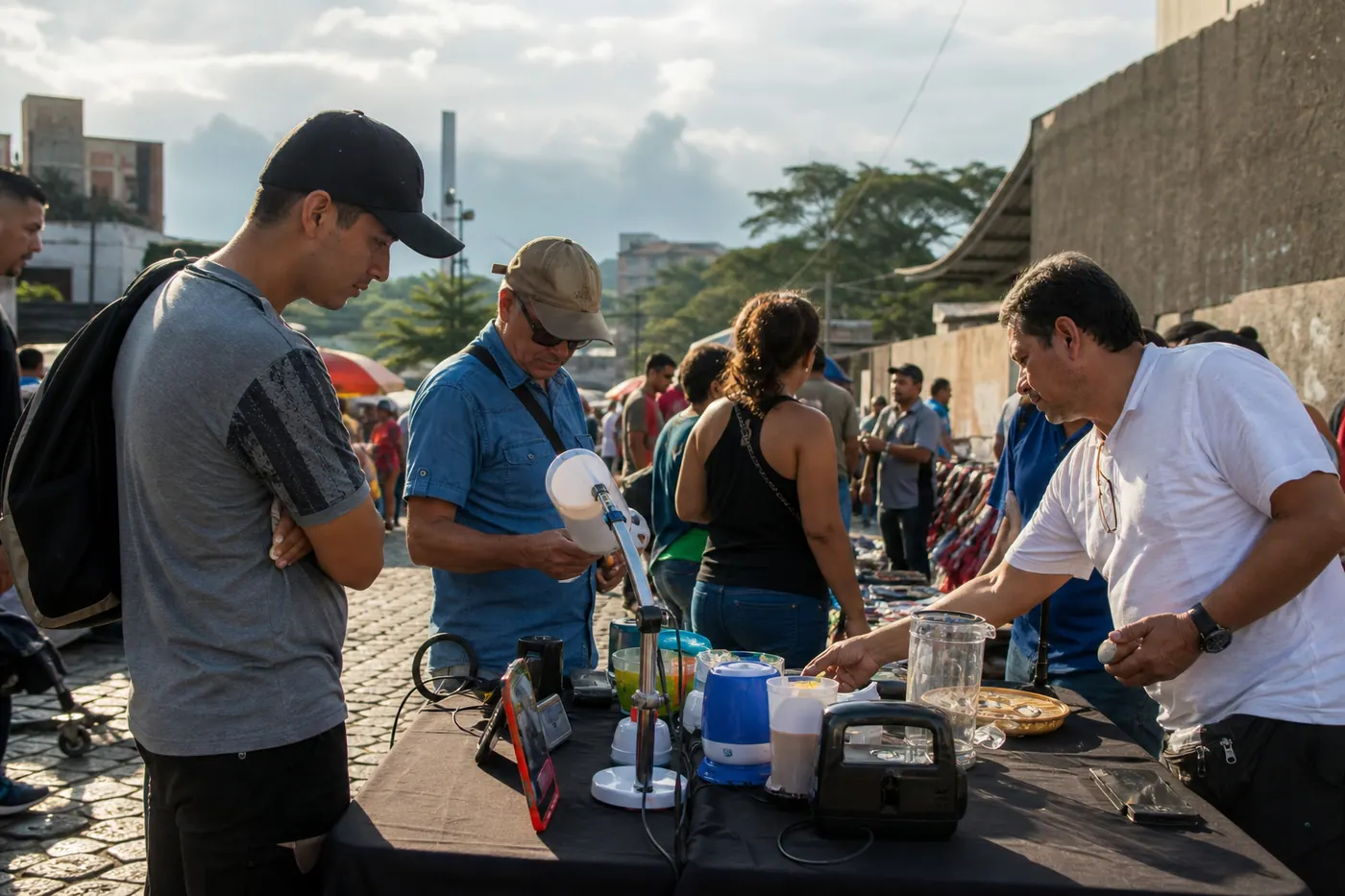
The downstream effect is predictable: sellers raise prices to absorb the cost, buyers pay more without understanding why, and trust erodes on both sides. Informal markets thrive precisely because they don't take a cut. The tianguero selling electronics out of a bag on Avenida El Palo doesn't charge you a 5% platform fee.
Colombia's existing formal options each have a version of this problem. Finca Raíz charges agents for premium placement. MercadoLibre applies listing fees and final value percentages. Facebook Marketplace is free but offers no seller accountability — listings vanish after a few weeks, storefronts don't exist, and Google can't index anything inside the app. The gap for a free, credible, indexed marketplace has been sitting there. That's what we're trying to fill.
How Colombia Move Actually Makes Money
Here's the direct answer: optional features that help sellers do more, not a tax on the basic act of listing.
A seller who wants elevated visibility can pay for a boost — their listing gets promoted to the top of search results in their category for a set window. A seller who wants to signal credibility can opt into verification, a manual review that adds a badge to their storefront. A local business with a larger marketing budget can purchase featured placement.
None of these are required to list, be found, or be contacted. An unverified seller with no boosts and no paid tier can post a rental, a service, a used car, or a job opening — and have that listing indexed by Google, visible to buyers, and contactable via WhatsApp — for free, indefinitely.
That last part is where the model differs from most competitors. Listings don't expire after 30 days and go dark, pushing you toward a renewal fee. A seller who posted a service eight months ago can still be found today by someone searching from abroad. That's a different kind of value: not just reach, but persistence.

What Free Listings Mean in Practice
For a seller, the practical shift is this: you don't have to calculate whether a listing is financially worth it. There's no break-even threshold. A plumber in Bucaramanga can post her services without knowing in advance whether she'll get five jobs this month or fifty. A retiree clearing out an apartment before returning to Spain doesn't need to weigh whether selling a used sofa is worth a subscription fee.
This unlocks a different class of seller than commission-based platforms typically attract — not just volume dealers and professional agents, but one-time sellers, small businesses testing demand, freelancers posting their first listing. The marketplace fills out.
For buyers, free listings mean you're not paying for inflated prices that absorb the seller's platform costs. A used furniture seller who didn't pay to list doesn't need to pad the price to cover fees. The number you see is closer to what the seller actually wants for the item.
The Trust Problem With Free Platforms — and How It's Addressed
The legitimate concern with free listings is fraud. When there's no financial barrier to creating a fake listing, bad actors will create fake listings. It's a real problem. Here's how the platform handles it structurally.
Every seller gets a public storefront — a persistent profile showing their listing history, how long they've been active, and what they've sold or rented before. A scammer who posts one fraudulent listing and disappears can't build a storefront history that looks credible. Before messaging any seller, buyers should pull up the storefront and check. This signals more than a star rating.
Contact is WhatsApp-native, which means no anonymous in-platform messaging. When someone reaches out to a seller, a real phone number is involved. That's friction for systematic fraud. Combined with listing persistence — a seller's history accumulates over time rather than resetting with each new listing — the platform builds a record that's hard to fake at scale.
Neighborhood pages add another check: when a claimed "Laureles apartment" appears on the Laureles neighborhood page with consistent location data, discrepancies become visible. Fake location claims stand out against a real geographic context.
📖 Keep Reading
Before messaging any seller, their storefront tells you more than you'd think.
How to Spot a Good Seller Storefront in ColombiaWhy This Model Works for Colombia Specifically
Colombia has a condition that makes the no-commission model viable in a way it isn't everywhere: the bilingual demand gap. A Colombian seller doesn't need to list twice — once for local buyers and once for expats and international searchers. One listing in Spanish auto-renders for English-language search. One listing in English is visible to Spanish-speaking local buyers. That bilingual search coverage is expensive infrastructure to build and hard to replicate cheaply.
The free listing subsidizes itself through that reach. A vendor listing tools in Bogotá reaches an expat in Chapinero renovating an apartment, a returnee Colombian who's been away for years, and a local buyer three blocks away — with one post. That's the value exchange. Sellers get genuine multi-audience reach; the platform builds a dense, indexed marketplace that's worth paying to promote in.
The neighborhoods and map infrastructure extends this. When a seller in El Poblado lists a service, their listing shows up on the El Poblado neighborhood page — a page that ranks in Google for searches like "electrician El Poblado Medellín." That's organic search visibility commission-based platforms charge extra for as premium placement. Here it's included.
📖 Keep Reading
Neighborhood pages, an interactive map, and seller storefronts — all free.
Search by Neighborhood: Interactive Map, Local Pages & Seller Stores on Colombia MoveWho This Is Actually Built For
The no-commission model isn't competing with MercadoLibre on high-volume electronics. It's built for a specific person: someone buying, renting, or selling in Colombia who isn't served well by the existing options.
That includes the foreign buyer navigating a new country who can't decode a Spanish-only platform without friction. The Colombian returnee who hasn't been back in five years and doesn't know current prices. The small business that was priced out of paid advertising. The seller who lost rental income to a commission-heavy property agent.
For all of them, free isn't just "cheap." It's accessible. The barrier to participate is showing up, not paying upfront. If you haven't posted a listing yet, it takes about three minutes at colombiamove.com/publicar.
And if you want to see what the community is doing with it — questions, experiences, buying and selling stories — the Colombia Move community forum is the place.
Frequently Asked Questions
❓ Is listing on Colombia Move really always free?
Yes. Creating a listing — whether it's a job, rental, service, or used item — is and will remain free. Optional features like boosted visibility and verified seller badges have fees attached. The base act of listing and being contacted by buyers is always free.
❓ How does Colombia Move make money if listings are free?
Revenue comes from optional paid features: promoted placement in search results, seller verification badges, and featured spots for businesses with larger budgets. No commission is taken from sales, rentals, or deals arranged through the platform.
❓ Do my listings expire if I don't pay anything?
No. Listings stay live until you manually remove them or mark them as sold or rented. There are no automatic expiry timers designed to push you toward renewal fees.
❓ Is this platform just for expats, or can Colombian sellers use it?
Both. The platform is fully bilingual and built for any seller in Colombia — local businesses, individual sellers, property owners, freelancers. Listings are automatically accessible in English and Spanish, so one post reaches both audiences.
❓ How does Colombia Move compare to Facebook Marketplace?
Facebook Marketplace listings decay in visibility over time and eventually disappear. Sellers have no public profile or history that buyers can check. Listings aren't indexed by Google — they live inside a closed app. Colombia Move listings persist, every seller has a public storefront with full history, and all listings are Google-indexed. The tradeoff is volume: Facebook has more users today. The advantage is credibility and permanence.
Have Questions About How the Platform Works?
Drop a comment below or bring specific questions to the community at colombiamove.com/comunidad — other sellers and buyers share experiences there that are worth reading before you list.
And if you want to see what the storefront and listing experience looks like in practice, the post on how to spot a good seller storefront covers what buyers look for when they land on yours.


Comments
Loading comments...
Checking sign-in status...