
How Reviews Should Work in a Colombian Marketplace
Most review systems are gamed. Here's what a trustworthy review system actually looks like in a Colombian marketplace—and how sellers can build real reputation without a single star.

IDIOMA DEL ARTÍCULO
Showing original language
Walk into any local mercado in Colombia and you already know who the reliable vendors are. Word travels fast in a tienda — the fruit seller who slips you an extra mandarin, the mechanic who tells you the repair can wait, the landlord who answers their phone on a Sunday. Physical markets have always had a built-in reputation layer. You just had to show up a few times to find it.
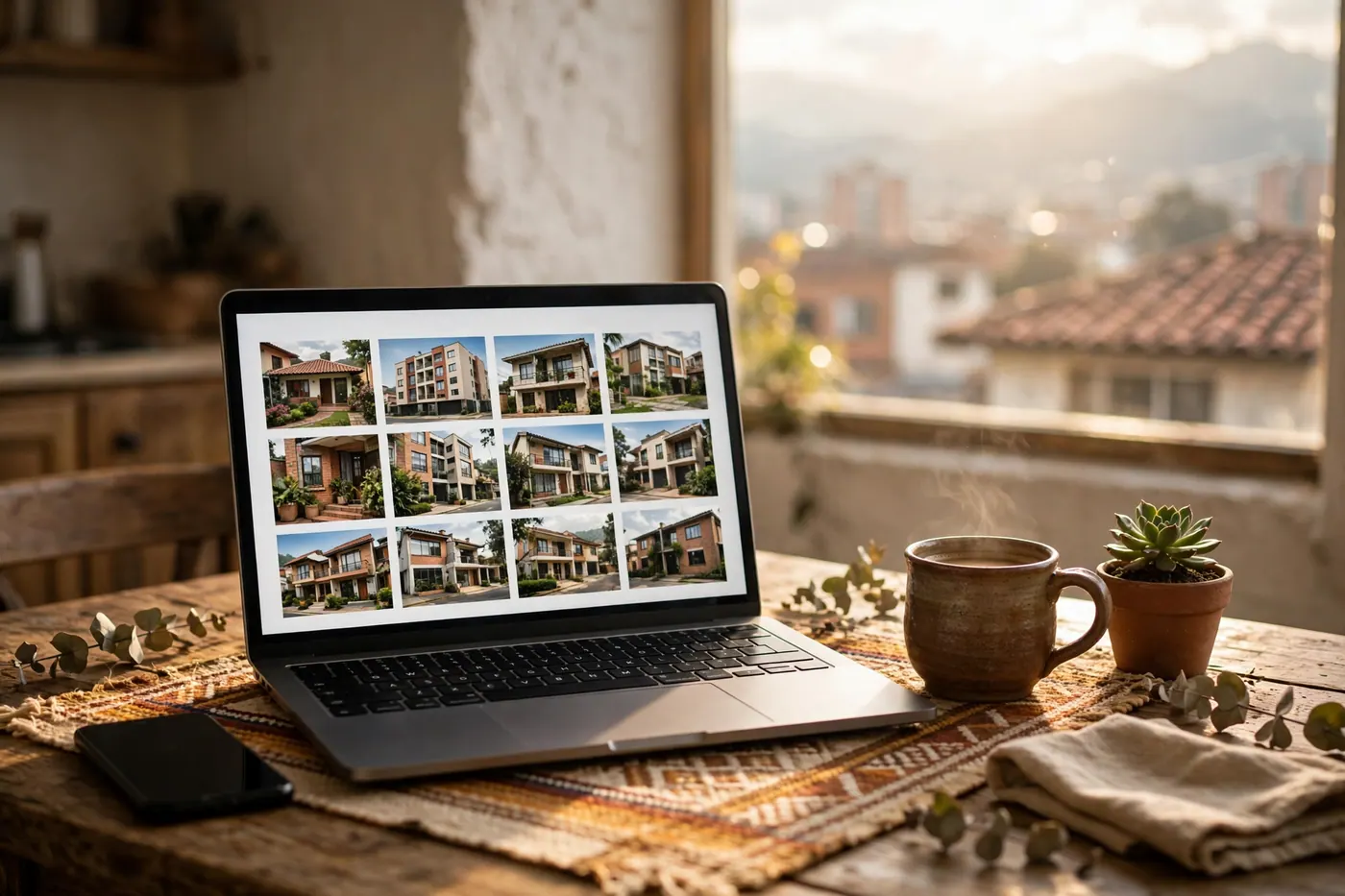
Online classifieds don't have that luxury. Colombia's digital marketplace scene is young enough that most people default to distrust: Is this seller real? Will the apartment look like the photos? Will the car pass a technical inspection? Without a verified history behind a profile, every listing is a gamble. And unlike a tienda where you can read the room in five seconds, the only signals you get online are what the seller chose to put there. If you want to see real-world options right now, you can browse apartments and houses on Colombia Move — posting is completely free.
Reviews are supposed to solve this. In theory, they let buyers share what sellers won't say about themselves. In practice, most review systems on the internet are either too easy to fake, too blunt to be useful, or both. Here's what a trustworthy marketplace review system should actually look like — and why getting this right matters so much for Colombia specifically.
Why Most Review Systems Are Broken
The problem isn't fake reviews alone — though that's real. The deeper issue is that reviews collected from the wrong people tell you almost nothing useful, and you can't tell the difference just by looking at the star count.
Think about the product on a major e-commerce site with 4.8 stars from 2,000 ratings. Looks trustworthy. Then you find out 900 of those came from a buyer incentive campaign, and 400 more were posted within 48 hours of a discount code going live. The average is technically accurate. The signal it carries is junk.
In Colombian classifieds specifically, the manipulation pattern is different. The most common abuse I've heard about is reciprocal: two sellers agree to each leave the other a glowing review, then move on. It takes ten minutes. Suddenly both storefronts look active and trusted. Neither review reflects whether anyone actually bought anything, had a good experience, or would recommend the seller to a stranger.
The fix isn't removing reviews. It's making unearned reviews structurally harder to leave in the first place.
Who Actually Gets to Leave a Review?
This is the design question most review systems skip, and it's the most consequential one.
The principle is simple: reviews should only be possible from people who had a real transaction with the seller. Not people who browsed and decided not to buy. Not the seller's cousin. Not a second account. People who actually completed an exchange.
In a WhatsApp-native marketplace like Colombia Move, this is tricky. There's no checkout button to click that proves the deal closed. So the verification layer has to look at behavior instead of a receipt: Did the reviewer find this seller through the platform? Do they have a message thread with the seller? Did that conversation suggest a real transaction was likely? How much time passed since initial contact?
Reviewers with a credible purchase signal — long message thread, multiple questions, follow-up contact — should carry more weight than someone who sent one message and never replied again. A one-message non-buyer leaving a 1-star review is a different data point than a verified buyer leaving 4 stars and explaining what they received.
This matters especially for housing. A landlord managing a dozen properties might get an angry message from a prospective tenant who didn't get the apartment they wanted. That frustration is real, but it shouldn't tank the landlord's reputation with the forty tenants who are perfectly happy. Transaction context separates feedback from noise.
What a Good Review Should Capture
A single star rating is nearly useless. A 3-star on a food delivery app could mean the food was cold, the driver was rude, the app had a bug, or the buyer just felt vaguely disappointed and rounded down. You can't act on that as a seller, and you can't trust it as a buyer.
A useful marketplace review separates at least two things: the transaction experience and the listing accuracy. They're different signals. "The seller was fast to respond and easy to coordinate with" is separate from "the apartment was exactly as described in the listing." Conflating them into one star loses the detail that actually helps someone decide whether to proceed.
For Colombia specifically, listing accuracy is the bigger pain point. The most common complaint I hear from buyers isn't rude sellers — it's the gap between photos and reality. The apartment that looked renovated in the photos but had cracked tiles and a broken extractor fan. The car described as "en perfectas condiciones" that needed a new clutch within a month. Separating accuracy scores from communication scores gives you something to act on, not just something to feel bad about.
Response time should also be a tracked metric, not a freeform opinion. How quickly does this seller typically respond to first messages? This one data point alone helps buyers decide whether to bother messaging a seller on a tight timeline — before they've invested twenty minutes writing a query.
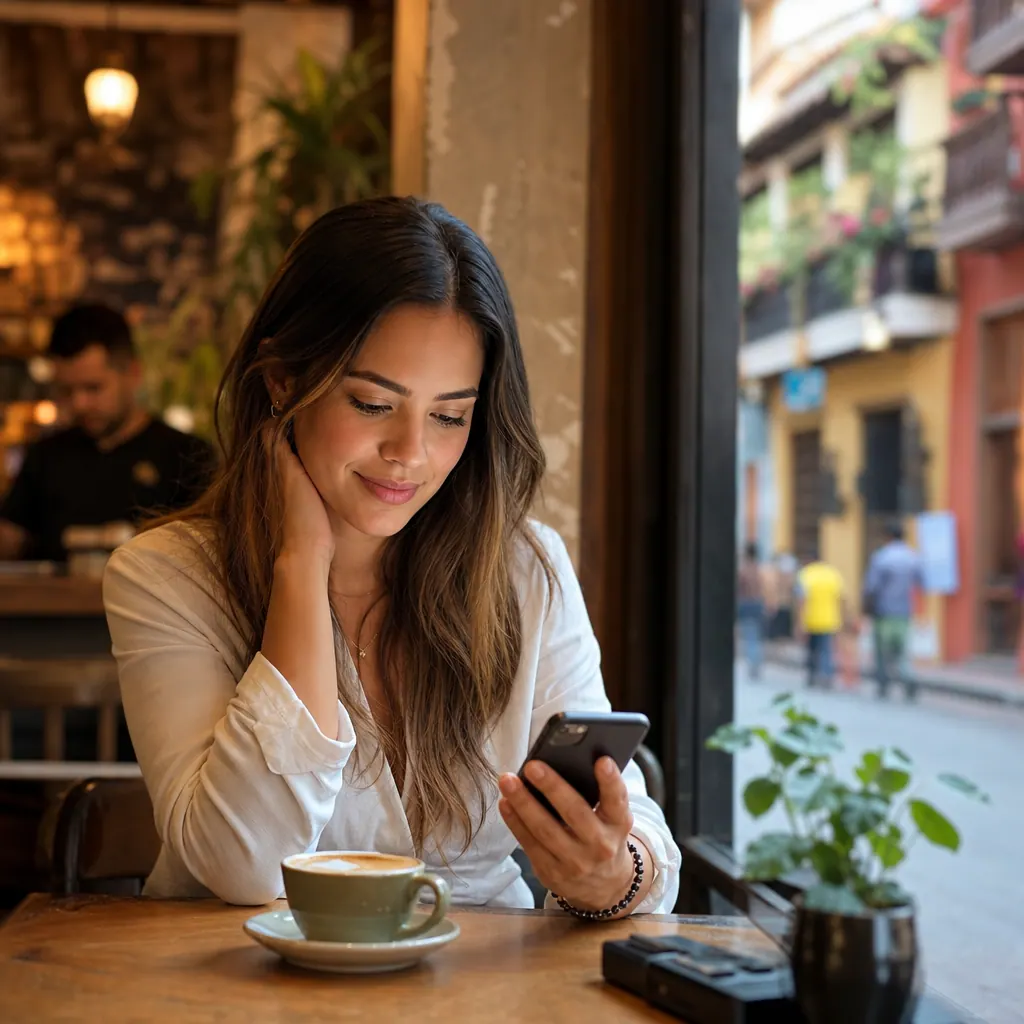
How Sellers Build Reputation Even Without Reviews
Here's what often gets overlooked: a storefront's passive signals are frequently more reliable than reviews, especially in a marketplace that's still young.
Think about what you're actually reading when you scan a seller's profile. How long have they been active? Do all their listings have real photos, or are they using screenshots and stock images? Have they posted consistently, or did they appear six months ago, list forty things, and go quiet? Do they have a phone number linked to a verified account? Do their prices cluster in a believable range for the category?
Each of these signals tells you something without a single star being clicked. The seller who's been on the platform for a year with twelve active listings, consistent photo quality, prices that make sense, and a WhatsApp number that matches their storefront contact — that's a substantial trust signal that predates any review. The brand-new account with thirty listings posted on day one with copy-paste descriptions? That's a red flag whether they have reviews or not.
This is why seller storefronts matter for trust in a way that a listing page alone doesn't. A storefront is a public record — not just of today's listings, but of the seller's history, consistency, and category depth. Buyers who check the storefront before messaging are doing exactly what the system is designed to encourage.
You can view any seller's public storefront at colombiamove.com/tienda/{username} — every active seller has one, and it's worth checking before you send your first message.
What Buyers Should Watch For
Reviews are one input — not the whole picture. Here's what I actually check when I'm evaluating a seller on Colombia Move or any classifieds platform:
Storefront age and activity. A seller with listings going back more than three months is a better sign than a brand-new account. Scammers rarely run long-term storefronts — the effort required is too high.
Listing quality. Multiple real photos, specific details in the description, honest notes about condition. Vague descriptions and one blurry photo tell you the seller isn't invested in communicating clearly — and that tends to predict the whole transaction. Our guide on
Listing quality matters more than most sellers realize. A vague description with one blurry photo tells you the seller isn't invested in communicating clearly — and that usually predicts the whole transaction. We wrote a detailed guide on how to write a listing description that actually gets responses if you're on the seller side of this equation.
Communication speed. Does the seller respond in a few hours, or do they go quiet for days? Including a WhatsApp contact in a listing is a strong trust signal because it means the seller isn't hiding behind the platform.
We wrote about why including your WhatsApp number in a listing builds more trust than most sellers expect — it's worth reading if you're trying to decide whether to make your number public.
Review specificity. If reviews exist, skip the 5-star "great seller!!!" entries and read the 3 and 4-star ones. These tend to be more specific and honest. A 4-star that says "Arrived on time but the item wasn't packaged well" is more useful than ten 5-stars with no detail.
📖 Keep Reading
Want to make your listing more trustworthy before reviews accumulate? Read How to Write a Listing Description That Gets Messages.
The Colombia Move Approach to Seller Trust
Our view is that reviews are a long game. In a new marketplace, a review layer takes time to accumulate enough data to be meaningful. Rushing it by making reviews easy to leave without any verification creates a junk-data problem that's harder to fix later than it is to prevent.
So we're building the trust layer in order of reliability: verified contact first, transaction context second, review content third. By the time a review appears on a public storefront, the signal it carries has been earned — not just submitted.
We're also investing in passive trust signals — listing history, response patterns, category consistency — because these reflect real seller behavior rather than voluntary self-promotion. The goal isn't a storefront with a high star average. It's a storefront that tells a coherent story a buyer can actually evaluate.
This connects to the same principle behind Casa Clara on the housing side: real data over curated impressions. Real sold prices, real listing durations, real market context — not the optimistic version a seller wants you to believe. Trust in a marketplace isn't a single number. It's a pattern across time.
📖 Keep Reading
For local businesses looking to build visibility on Colombia Move, read How Local Businesses in Colombia Can Reach Expats Without Paid Ads.
Frequently Asked Questions
❓ Can anyone leave a review on Colombia Move?
Reviews are designed for people who had genuine contact or a completed transaction with a seller through the platform. Message history, listing interactions, and transaction signals are used to determine eligibility — this helps keep the review layer meaningful rather than open to abuse.
❓ What should I check if a seller has no reviews yet?
Focus on storefront signals: how long they've been active, the quality and consistency of their listings, whether they have a verified contact number, and how quickly they respond to first messages. A storefront with three months of consistent activity and detailed listings is more trustworthy than one with 50 reviews posted in its first week.
❓ Can sellers respond to reviews on Colombia Move?
This feature is being built. A seller-response layer matters because it shows accountability — a seller who addresses a critical review and explains the context often builds more trust than one who has only perfect scores and no visible engagement with feedback.
❓ How does the platform handle fake or suspicious reviews?
Automated detection flags unusual activity: clusters of reviews from new accounts with no listing history, reviews from accounts with no message thread, and timing anomalies like ten reviews submitted within the same hour. Reviews that fail these checks are withheld from public storefronts.
What signals matter most to you when deciding whether to trust a seller in Colombia? Whether you're a buyer who's been burned by a misleading listing or a seller trying to build a legitimate reputation from scratch, the community wants to hear it. Drop a comment below or bring your question to colombiamove.com/comunidad — it's free, no account required.





Comments
Loading comments...
Checking sign-in status...