
How to Stay Safe in Colombia: 15 Practical Tips for Foreigners
Practical safety tips for foreigners in Colombia, based on real experience. Covers scams, neighborhoods, transport, ATMs, and what to do if something goes wrong.

Let me be upfront with you: Colombia is not the dangerous hellhole that 1990s headlines painted it to be. I've been living here for a few years now, and I walk around Medellín's neighborhoods at night, take taxis alone, and generally feel as safe as I did back home in the US. That said, Colombia is not without its risks — and if you ignore them, you will eventually pay for it.
The good news is that staying safe here is mostly about common sense and a handful of specific habits that locals take for granted. Once you know the rules of the road, Colombia becomes one of the most rewarding places on earth to live or travel. The key is not to be fearful — it's to be informed.
Here are 15 practical safety tips for foreigners in Colombia, based on real experience — not travel blog platitudes.
Colombia Safety in Context
First, some perspective. Medellín's homicide rate has dropped over 95% since the peak of the Pablo Escobar era. Bogotá, Cartagena, and most major Colombian cities are well-policed in tourist and expat-heavy neighborhoods. The vast majority of foreigners living in Colombia never experience violent crime.
That said, petty crime — phone snatching, pickpocketing, and scams targeting foreigners — is common. And certain behaviors (flashing expensive gear, walking drunk in the wrong neighborhood, or trusting strangers too quickly) can escalate your risk dramatically. Most incidents involving foreigners are avoidable.
Street Safety: The Basics Everyone Gets Wrong
These are the tips that get ignored the most — and that cause the most problems.
Tip 1: Don't Walk and Phone
This is the number one rule. Walking around looking at your phone is practically an invitation for motochorros (motorcycle thieves) to snatch it. In El Poblado, Laureles, and even the safer parts of Bogotá, phone snatching from pedestrians is extremely common. Keep your phone in your pocket, use it discreetly when stationary, and never take it out on a busy street to check maps or Instagram.
Tip 2: Dress Down
Leave the Rolex at home. Wearing expensive watches, flashy jewelry, or designer bags makes you a target everywhere, but especially in Colombia. Locals notice this, and unfortunately so do the wrong people. Dress like a regular person — jeans, a simple shirt, cheap sneakers — and you'll immediately become a much less attractive target. A $400 Apple Watch on your wrist says 'rob me' in any language.
Tip 3: Know Your Neighborhoods
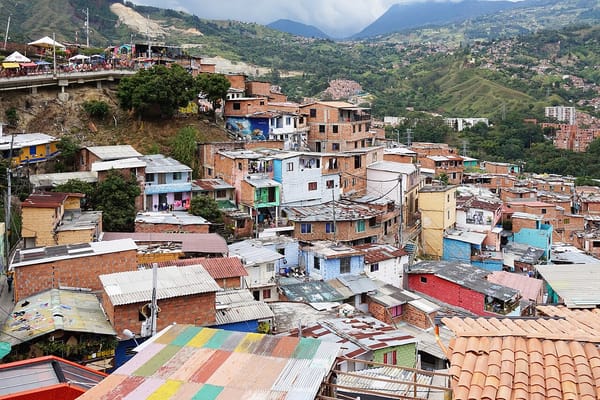
Not all parts of any Colombian city are created equal. In Medellín, El Poblado, Laureles, Envigado, and Sabaneta are considered the safest areas for foreigners. Neighborhoods like La Candelaria or parts of downtown Medellín carry more risk, especially at night. In Bogotá, stick to Chapinero, Usaquén, La Candelaria (during the day), and Zona Rosa. In Cartagena, the walled city and Bocagrande are generally safe; Getsemaní is fine during the day but requires more awareness at night.
Transportation Safety
Tip 4: Always Use App-Based Rides
Use Uber, InDrive, or DiDi instead of hailing taxis off the street. App-based rides are safer because the driver is tracked, the trip is recorded, and your destination is logged. Street taxis — especially unmarked ones — have been used in 'paseo millonario' kidnappings, where victims are driven around and forced to empty their bank accounts. This is relatively rare but happens. Check out our full guide to ride-hailing apps in Colombia for tips on which app to use in which city.
Tip 5: Don't Accept Rides from Strangers at Airports
At El Dorado in Bogotá, José María Córdova in Medellín, and other major airports, you'll be approached by unofficial taxi drivers offering cheap rides. Always ignore them and book via an app or the official taxi queue inside the terminal. This is non-negotiable — airport taxi scams are a classic and still very active vector.
Tip 6: Use the Metro and MÍO with Awareness
Medellín's Metro and Bogotá's TransMilenio are generally safe but crowded, which means pickpockets. Keep your bag in front of you, put your phone away, and don't wear earbuds so you stay aware of your surroundings. The Medellín Metro in particular is remarkably clean and well-patrolled — it has a well-deserved reputation for being one of the safest metros in Latin America.
Scams to Know and How to Avoid Them
Tip 7: The 'Papaya' Rule
Colombians have a saying: 'No dar papaya' — don't give papaya (i.e., don't give anyone an opening). It means: don't put yourself in vulnerable situations. Don't leave your laptop on the table at a café in a busy plaza. Don't count cash in the street. Don't wear AirPods while walking alone at night. This mindset shift alone will prevent 80% of bad situations.
Tip 8: Beware of Scopolamine (Burundanga)
Scopolamine is a drug that can be slipped into drinks, placed on business cards, or even blown in someone's face. It causes temporary memory loss and extreme suggestibility — victims hand over ATM cards and passwords without realizing it. To avoid it: never leave your drink unattended at a bar, never accept drinks from strangers, and be very cautious about inviting new people back to your place early in a relationship. This sounds extreme, but it's real and it affects foreigners in cities like Bogotá and Cartagena.
Tip 9: ATM Safety
Use ATMs inside supermarkets or shopping malls, not ones on the street. Withdraw during the day, not late at night. Shield your PIN even when no one appears to be watching. Card skimmers are installed on some machines — check for anything that looks loose or added to the card slot before inserting your card. And try to use a fee-free debit card that reimburses ATM charges — something like a Charles Schwab account — rather than keeping large amounts of cash on you.
Tip 10: Fake Police Officers
This scam is more common in Bogotá: someone approaches you claiming to be an undercover police officer and asks to 'inspect' your wallet or cash for counterfeit bills. They then walk away with your money. Real plainclothes officers do not stop random tourists on the street to inspect cash. If this happens, insist on going to an official police station together — the fake officer will usually disappear immediately.
Digital & Online Safety
Tip 11: Use a VPN on Public WiFi
Cafés, coworking spaces, and hostels in Colombia often have open WiFi networks that are easy to monitor. If you're doing banking, checking email, or accessing sensitive accounts, use a VPN. I use NordVPN — it's fast, reliable, and works well in Colombia. It also lets you access streaming services from back home and bypass any geo-restrictions. Essential kit for any digital nomad.
💡 NordVPN
Protect your connection on public WiFi in Colombia. Fast, reliable, and works on all your devices.
Get NordVPN →Tip 12: Lock Down Your Phone
Use a strong PIN (not biometrics alone — Face ID or fingerprint can be compelled by someone holding your phone). Enable Find My iPhone or Google's Find My Device. Consider using an anti-theft backpack when carrying your laptop in public spaces. And if you're worried about data, use an eSIM for Colombia rather than having your primary SIM in a phone that could be stolen.
Tip 13: Don't Overshare on Social Media
It sounds obvious but posting 'I'm home alone at my Airbnb in El Poblado at Calle 10 #XX' is the kind of thing people do without thinking. Be thoughtful about geotagging your exact location in real-time. Sharing photos after the fact is fine — but live-tagging your location, especially at accommodation, is a pattern that can backfire.
Health Safety & Emergency Preparation
Tip 14: Get Proper Travel Insurance or International Health Coverage
This one sounds boring until you need it. Emergency medical care in Colombia can be expensive for uninsured foreigners — especially at private clinics, which are generally higher quality than public hospitals. If you're visiting for a few weeks, a travel insurance policy is essential. If you're living here long-term, consider a dedicated expat health insurance plan. I've seen many people recommend SafetyWing as a budget-friendly option — it covers most travel emergencies and is popular with digital nomads living in Colombia.
💡 SafetyWing Nomad Insurance
Affordable travel medical insurance popular with expats in Colombia. Covers emergencies, hospital stays, and more. Subscribe monthly and cancel any time.
Get SafetyWing Coverage →Tip 15: Know the Emergency Numbers and Nearest Hospital
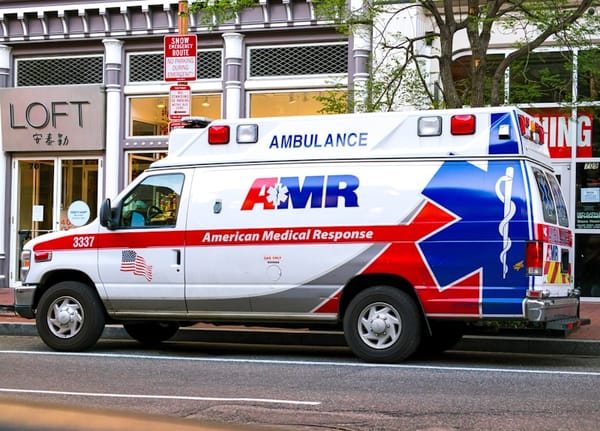
Colombia's emergency number is 123 (police, ambulance, fire — works nationwide). In Medellín, the Clínica Las Américas and Clínica del Campestre are the top private hospitals favored by expats. In Bogotá, Clínica del Country and Fundación Santa Fe are highly rated. Save your nearest private clinic's address in your phone before you need it. Also, carry a small first aid kit and consider a portable power bank — power outages do happen and being stranded with a dead phone is its own safety risk.
A good portable power bank is one of those things you'll use every day anyway, but it becomes crucial when you're trying to call an Uber after a long night out and your phone is at 3%.
A Final Word on Safety in Colombia
I want to close with something important: don't let fear stop you from enjoying Colombia. This country is extraordinary — the food, the people, the weather, the landscapes — and the vast majority of foreigners who live here or visit never have a serious incident.
Being safe in Colombia isn't about being paranoid. It's about building a few automatic habits — using app-based rides, keeping your phone out of sight, staying aware at night — and letting those habits run in the background while you enjoy everything this country has to offer. For women traveling solo, check out our dedicated guide to safety for solo female travelers in Colombia.
Frequently Asked Questions
❓ Is Colombia safe for tourists in 2024 and 2025?
Yes, Colombia is generally safe for tourists who take basic precautions. Cities like Medellín, Cartagena, and Bogotá have large expat and tourist populations who live and travel without incident. The main risks are petty crime (phone theft, pickpocketing) rather than violent crime, and these are easily mitigated with common-sense habits.
❓ What are the most common scams targeting foreigners in Colombia?
The most common scams are: fake police officers asking to inspect your wallet, drink spiking with scopolamine (especially in Bogotá and Cartagena's nightlife), street taxi kidnappings (paseo millonario), and ATM skimming. Using ride apps, never leaving drinks unattended, and using ATMs inside shopping malls eliminates most of these risks.
❓ Is it safe to walk around Medellín at night?
It depends on the neighborhood. El Poblado, Laureles, and Envigado are safe to walk at night for most people who use common sense. Downtown Medellín, certain areas of Aranjuez, and other lower-income barrios carry more risk, especially after dark. Stick to the expat neighborhoods and use an app-based ride if you're going somewhere unfamiliar at night.
❓ Should I bring a VPN to Colombia?
Yes. A VPN is useful for protecting your data on public WiFi networks in cafés, coworking spaces, and airports. It also lets you access streaming services from your home country. NordVPN and ExpressVPN both work well in Colombia.
❓ What should I do if I get robbed in Colombia?
If someone tries to rob you with force or a weapon, do not resist — hand over what they want. Your phone and wallet are replaceable; you are not. After you're safe, call 123 (the national emergency number) or go to the nearest CAI (Comando de Atención Inmediata, the local police post). File a denuncia (police report) — you'll need this for insurance claims. Contact your embassy if your passport was taken.
Found This Helpful?
If these safety tips helped you feel more confident about your time in Colombia, share this post with a friend who's planning a trip — it might make a real difference. Got a safety tip I missed? Drop it in the comments below. And if you want more guides like this delivered to your inbox, subscribe to the Colombia Move newsletter.
🇨🇴 Stay safe, stay curious — Colombia rewards those who show up prepared.
🇨🇴
Get the next Colombia guide in your inbox
Join 10,000+ expats and future expats. No spam, just useful guides.


Comments
Loading comments...