
Living in Medellín: The Honest Expat Guide
The real guide to living in Medellín — costs, neighborhoods, safety, healthcare, and the downsides nobody talks about. Written by someone who actually lives here.

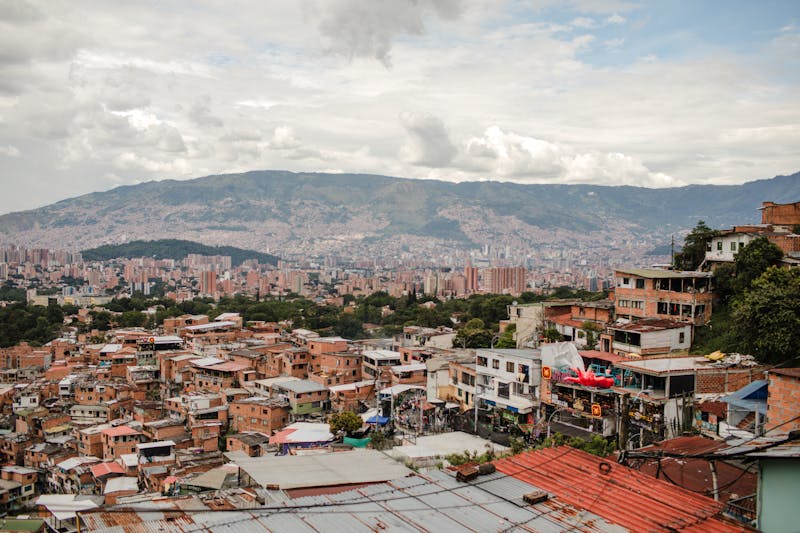
I moved to Medellín three years ago after a two-week scouting trip that was supposed to be a vacation. The weather ruined me for anywhere else. Seventy-five degrees every single day, year-round, no heating bill, no winter coat stuffed in a closet. People call it the City of Eternal Spring and for once the marketing isn’t lying.
But weather alone doesn’t explain why tens of thousands of foreigners have planted roots here. Medellín went from the most dangerous city on earth in the early 1990s to a genuine global destination. Homicides dropped roughly 97% from their peak. The metro system, the only one in Colombia, changed how the entire valley connected. And the cost of living lets you build a life that would cost triple in Miami or Madrid.
This guide is what I wish someone had handed me before I signed my first lease. No fluff, no Instagram fantasy—just the real numbers, the neighborhoods worth considering, the things that will annoy you, and the stuff that makes it hard to leave.
What Living in Medellín Actually Costs
Forget the “you can live on $800 a month” clickbait. You can survive on that, but you’ll be eating rice and beans in a dark studio in Bello and wondering why you left home. Here’s how costs actually break down for most foreigners:
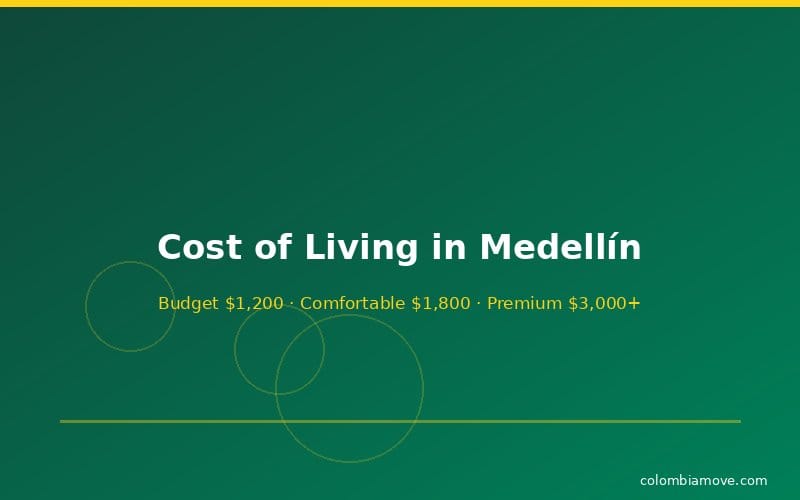
Budget tier (~$1,200/month): A basic one-bedroom outside the tourist zones, cooking most meals at home, taking the metro. This works if you’re disciplined and don’t mind a simpler life.
Comfortable tier (~$1,800/month): A nice apartment in Laureles or Envigado, eating out a few times a week, the occasional weekend trip. This is where most long-term expats land.
Premium tier ($3,000+/month): A modern apartment in Poblado, regular dining, gym membership, coworking space, domestic travel. Comfortable by any standard.
Daily prices that matter: a menú del día (set lunch) runs $4–6, a craft beer $3–5, domestic beer $1.50–2, and monthly groceries for one person sit around $150–200 if you shop at Éxito or Carulla. I break all of this down with exact line items in my full Medellín budget breakdown.
For transferring money to Colombia, I use Remitly—the exchange rates beat most bank wires by 2–3%, and it arrives same-day to a Bancolombia account.
Neighborhoods: Where to Actually Live
Picking the right barrio matters more than almost any other decision you’ll make. I’ve lived in two of these and spent serious time in all five.
Laureles — The Sweet Spot
Flat streets, walkable, full of bakeries and corner restaurants that haven’t been taken over by gringo pricing. One-bedrooms run $450–700/month furnished. This is where most long-term expats who actually speak Spanish end up. Primer Parque and the area around Segundo Parque de Laureles are the best pockets. The only downside: fewer high-rise modern buildings if that’s your thing.
El Poblado — Safe but Overpriced
Yes, it’s the safest and most walkable for newcomers. Yes, every Airbnb influencer lives here. That’s exactly the problem—rents are inflated ($600–900 for what’d be $400–550 in Laureles), restaurants charge double, and you’ll hear more English than Spanish on the street near Parque Lleras. Fine for your first month while you get bearings. I wouldn’t sign a year lease here.
Envigado — Best Value, Underrated
Technically its own municipality, not Medellín, but connected by the metro and practically seamless. Family-oriented, quieter, noticeably cheaper ($350–600 for a one-bedroom). The food scene around Parque Envigado is excellent. The expat community is smaller but growing fast.
Sabaneta — The Safe Pick
Consistently ranks as the safest municipality in the Aburrá Valley. Twenty minutes south on the metro, with a pleasant small-town feel and increasingly good restaurants. Rents start at $300 for something basic. Best for families or anyone who wants quiet above all else.
Belén — Local Living, Budget Prices
Very few foreigners live here, which is exactly why some people love it. True neighborhood life, $250–400 rents, and full immersion. You’ll need functional Spanish. Not glamorous, but genuine. For more on finding a place, read my guide on how to rent an apartment in Medellín without getting scammed.
Safety: The Honest Picture
Medellín recorded roughly 300 homicides in 2024, the lowest since 1942. For a metro area of nearly four million people, that’s a rate most mid-size American cities would envy. The transformation is real and it isn’t just hype.
That said, petty crime is the actual daily risk. Phone snatching on motos happens, especially around Parque Berrío and busy intersections. Keep your phone in your pocket on the street. Scopolamine (burundanga) exists in the Parque Lleras nightlife zone—never accept drinks from strangers, period. Use InDrive or Uber instead of flagging taxis on the street. And the universal Colombian safety rule: no dar papaya (don’t make yourself an easy target). Don’t flash expensive jewelry, don’t walk around drunk at 3am, don’t leave your laptop visible in a parked car. I go deeper on this in my Colombia scams guide.
Healthcare That Actually Works
This surprised me more than anything. Hospital Pablo Tobón Uribe is ranked among the top 10 hospitals in Latin America. A general doctor visit at a private clinic costs $10–50 depending on the specialist. Dental cleanings run $20–40. An MRI that’s $2,000+ in the US costs $150–300 here.
The system splits into EPS (public insurance, slow but cheap) and prepagada (private, faster, $80–200/month). If you’re on a visa, you’ll likely need to enroll in EPS and can add prepagada on top. For digital nomads or tourists, SafetyWing is the go-to travel medical insurance—it covers Colombia and costs about $45/month. I’ve used it for a clinic visit here and the reimbursement took about ten days.
Getting Around the Valley
Medellín’s metro is the cleanest public transit system I’ve used in Latin America. A single ride costs about $0.89 (3,700 COP), and the system connects to cable cars (metrocable) that climb into the hillside comunas—genuinely stunning views and worth riding even if you don’t need to commute.
InDrive and Uber work city-wide. Most rides within the valley run $3–8. Laureles is flat and walkable. Poblado is hilly—you’ll be grabbing rides constantly unless you’re in shape. For a full breakdown of transport apps, check the best apps for living in Colombia.
The Downsides Nobody Puts in Their Instagram Reel
I’d be doing you a disservice if I made this all sound perfect. Here’s what grinds on people after the honeymoon phase:
Noise. Reggaeton at 2am on a Tuesday is not a once-in-a-while thing. It’s just how things work. Construction starts at 6am. Dogs bark. Car alarms go off. If you’re noise-sensitive, invest in good earplugs and choose your apartment carefully—upper floors, away from bars.
Gringo pricing. Some taxi drivers, landlords, and market vendors will quote you higher prices the second they hear an accent. It’s not malicious—it’s just business. Learning Spanish and knowing actual prices fixes most of this.
Bureaucracy. Opening a bank account, getting a SIM card, dealing with immigration—nothing moves fast. Build extra time into every administrative task. Triple it if government offices are involved.
Air quality in March. The valley traps pollution, and February through March can get hazy. If you have respiratory issues, this is worth researching before committing.
Altitude adjustment. At 1,495 meters (4,905 feet), you might feel a bit winded the first week. It’s not extreme—nothing like Bogotá—but it’s noticeable if you’re coming from sea level.
Day Trips That Are Actually Worth It
One of the best things about the Medellín base is how much is within a few hours. Three trips I’d genuinely recommend:
Guatapé: The 708 steps up La Piedra del Peñol are the most famous hike in Antioquia for a reason. The view from the top is absurd. Bus from Terminal del Norte costs about $4 each way, or join a day tour for $20–35. Go early on a weekday to avoid crowds.
Jardín: A gorgeous pueblo about 3.5 hours southwest. The Cock-of-the-Rock birdwatching trail is world-class. Honestly, one day isn’t enough—budget two nights if you can. It’s the most photogenic town in Antioquia and it’s not even close.
Paragliding from San Félix: Tandem flights over the valley cost $30–50. You don’t need experience. The launch point is about 45 minutes from Medellín and the views of the entire Aburrá Valley mid-flight are legitimately life-changing. My Medellín day trips guide has the full list.
Visas: A Quick Note
Most nationalities get 90 days on arrival, extendable to 180 per calendar year. If you’re working remotely, the Colombia Digital Nomad Visa gives you two years of legal residency for about $200 in fees. It’s one of the most straightforward nomad visas I’ve seen—the income requirement is roughly $3,000/month or $36,000/year. You’ll want a VPN like NordVPN to keep access to streaming services and banking apps from home while you’re here.
🇨🇴 Looking for Work or Services in Medellín?
Trabajo Colombia is a free bilingual job board and service marketplace built for Colombia. Find remote jobs, freelance gigs, or local services — all free to post and browse.
Browse Jobs & Services →💬 Got Questions About Life in Medellín?
Ask the expat community — get real answers from people who live here, not generic forum replies from 2019.
Ask the Community →Frequently Asked Questions
❓ Is Medellín safe for foreigners in 2026?
Medellín is significantly safer than its reputation suggests. The homicide rate is at historic lows. The main risks for foreigners are petty theft (phone snatching) and scams in nightlife areas. Use common sense, don’t flash valuables, stick to ride-hailing apps at night, and you’ll be fine. Thousands of expats live here long-term without incident.
❓ How much money do you need to live comfortably in Medellín?
Most foreigners find $1,500–$2,000/month covers a comfortable life: a nice apartment, eating out regularly, transport, and occasional travel. You can go lower at $1,200 with some discipline, or up to $3,000+ if you want a premium lifestyle in Poblado with coworking and frequent dining.
❓ Do I need to speak Spanish to live in Medellín?
You can survive without Spanish in Poblado, where many people in service industries speak some English. But for a genuinely good experience—negotiating rent, making local friends, handling bureaucracy—even intermediate Spanish makes an enormous difference. I’d say basic conversational Spanish is close to essential for anywhere outside El Poblado.
❓ What’s the best neighborhood in Medellín for expats?
Laureles offers the best balance of cost, walkability, local culture, and safety for most expats. Poblado is the most popular but overpriced. Envigado is the best value. Your ideal neighborhood depends on budget, language level, and whether you want a gringo-friendly bubble or a more Colombian experience.
❓ Can I work remotely from Medellín legally?
Yes. Colombia’s Digital Nomad Visa (Visa de Nómada Digital) lets remote workers stay legally for up to two years. You need to prove a minimum income of roughly $3,000/month. Tourist visas give you 180 days per calendar year but technically don’t authorize work. The nomad visa is the clean, legal path.
Final Take
Medellín isn’t paradise and it isn’t a scam. It’s a real city with real tradeoffs. The weather is unbeatable, the cost of living still makes sense, the healthcare is legitimately good, and the culture rewards you the more you invest in learning the language and building relationships. The expat scene has grown fast—maybe too fast in some neighborhoods—but there’s still plenty of authentic life here if you step outside the tourist corridors.
If you’re seriously considering the move, start with a one-month rental in Laureles or Envigado. Walk the neighborhoods. Eat where locals eat. See if the rhythm of the city fits yours. For most people I know, it did.
🇨🇴
Get the next Colombia guide in your inbox
Join 10,000+ expats and future expats. No spam, just useful guides.




Comments
Loading comments...